
Stayed in Lloret de Mar, Girona, Spain | August
Lloret de Mar has a reputation that can sometimes make it easy to overlook everything else the town has to offer. It's certainly known for its nightlife and busy summer atmosphere, but after spending three days here, I found there was another side to Lloret that was much more interesting to me: beautiful Mediterranean scenery, hidden coves, historic buildings, coastal walks and plenty of good Catalan food.
My base for the three nights was Casa Coco Boutique Hotel & Spa, an adults-only boutique hotel in the town's former fishermen's quarter. The hotel is around 500 metres from the main beach and surrounded by pine trees and greenery, which gives it a much calmer atmosphere than you might expect from Lloret de Mar. It has just 22 rooms, along with a saltwater pool, spa, outdoor jacuzzi and sauna, so it felt more like a small retreat than a typical Costa Brava resort.
That location worked particularly well for me because I could enjoy the quieter side of the hotel before walking down towards the centre and the coast whenever I wanted more atmosphere.
A Little About Lloret de Mar
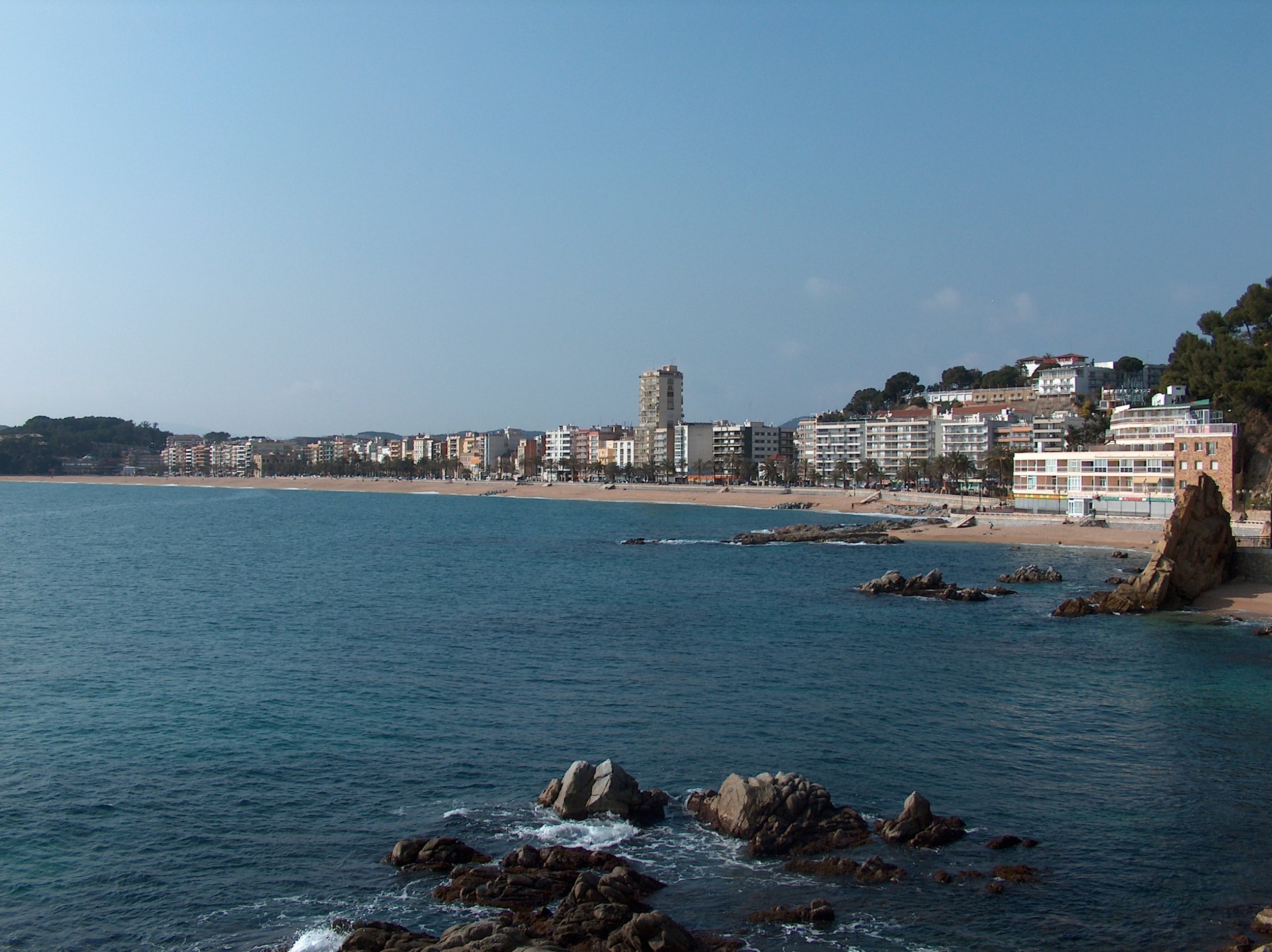
Lloret de Mar sits on the Costa Brava between Barcelona and Girona and has been connected to the Mediterranean for centuries. Fishing and maritime trade played an important role in the town's history, while later generations of local families became involved in overseas commerce and returned with wealth that helped shape some of Lloret's more distinctive architecture.
Today, tourism is obviously a major part of the town's identity, but the older side of Lloret is still there if you know where to look. The coastline is dotted with beaches and smaller coves, while the historic centre contains churches, old streets and buildings that tell a much older story than the modern resort image suggests.
The setting is probably what I enjoyed most. Lloret is surrounded by pine-covered hills and Mediterranean coastline, so you never have to travel far to find a good view. The official tourism information highlights the town's beaches, coves, cultural attractions, nature and water sports, and there are more than ten beaches and coves around the municipality.
My Stay at Casa Coco Boutique Hotel & Spa
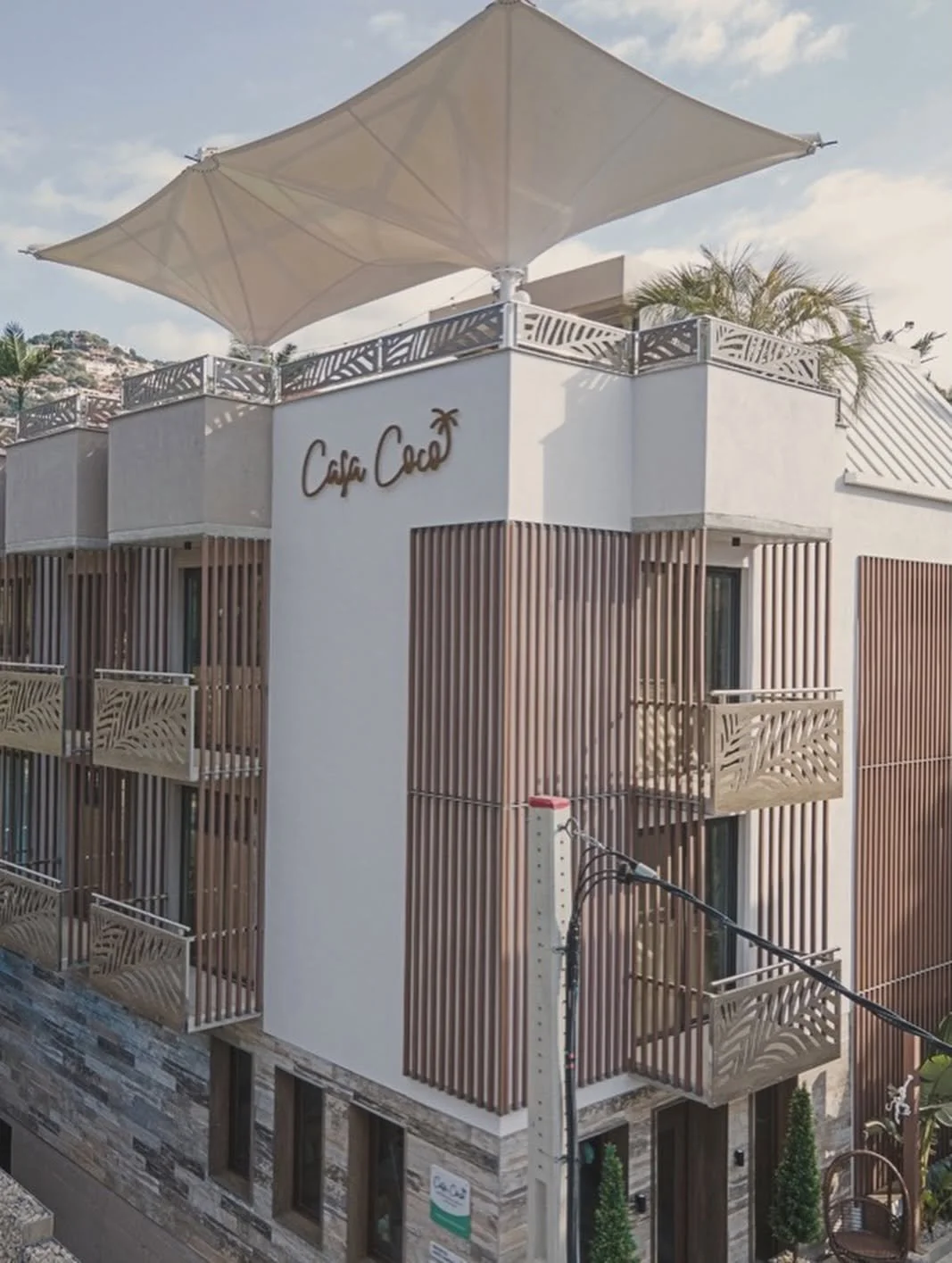
Image courtesy of Casa Coco Boutique Hotel & Spa.
Casa Coco was a particularly good choice for three nights because it gave me somewhere peaceful to return to after exploring the busier parts of Lloret.
The hotel's design has a natural, slightly bohemian feel, with natural materials and warm interiors throughout the rooms. The property is surrounded by a palm and pine-tree setting, while the saltwater pool and terrace make it easy to spend an afternoon doing very little, which after several weeks of travelling was actually quite appealing.
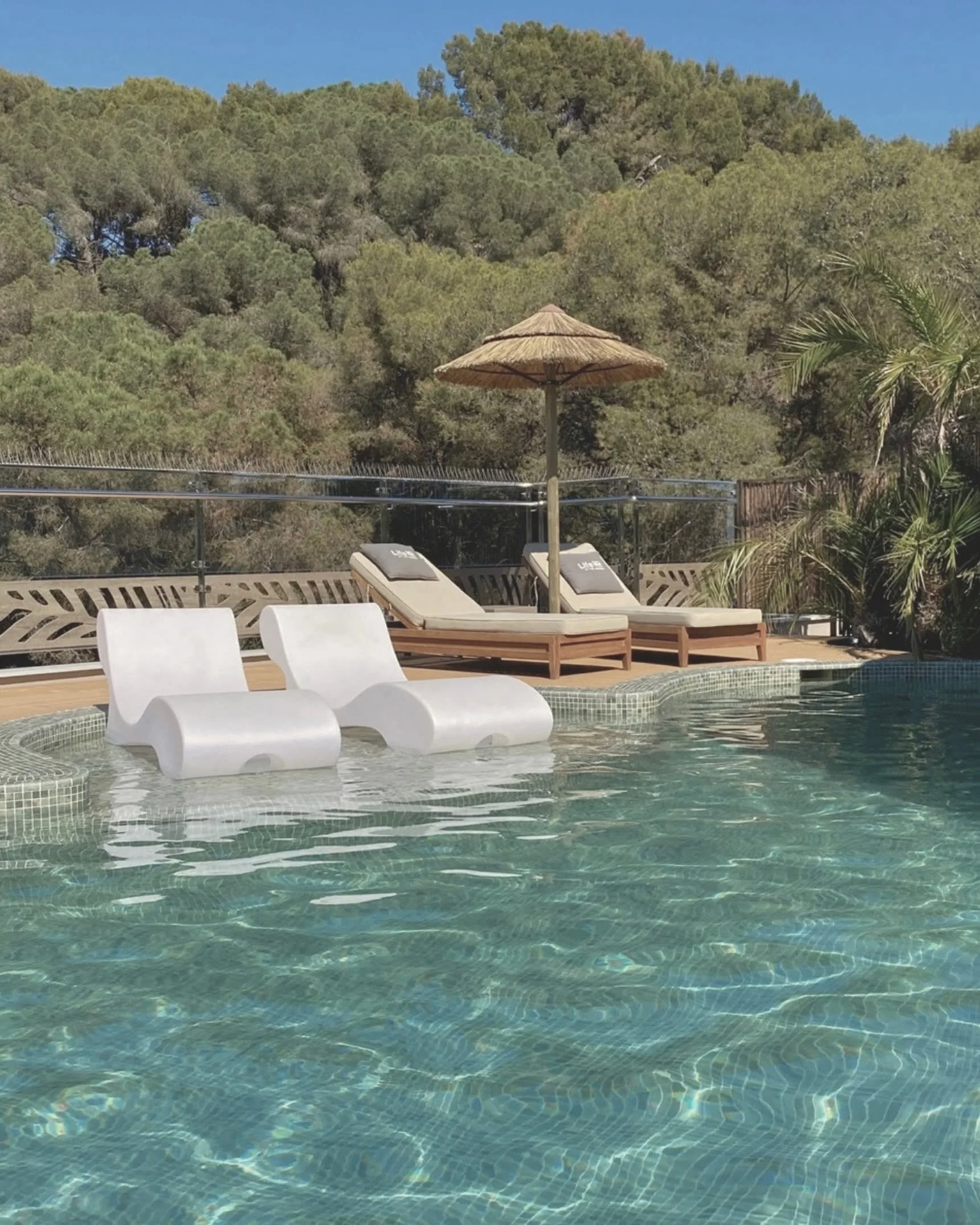
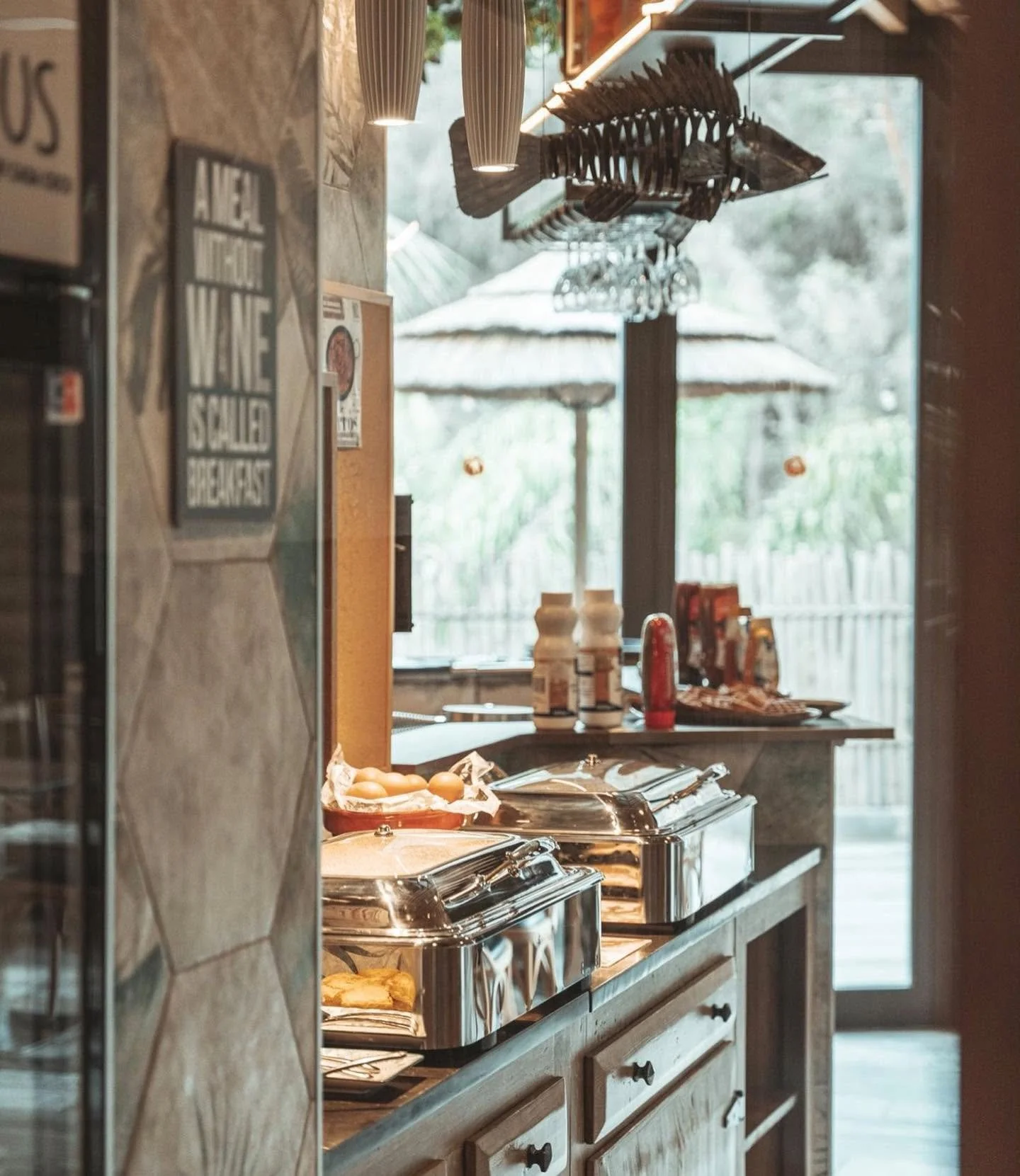
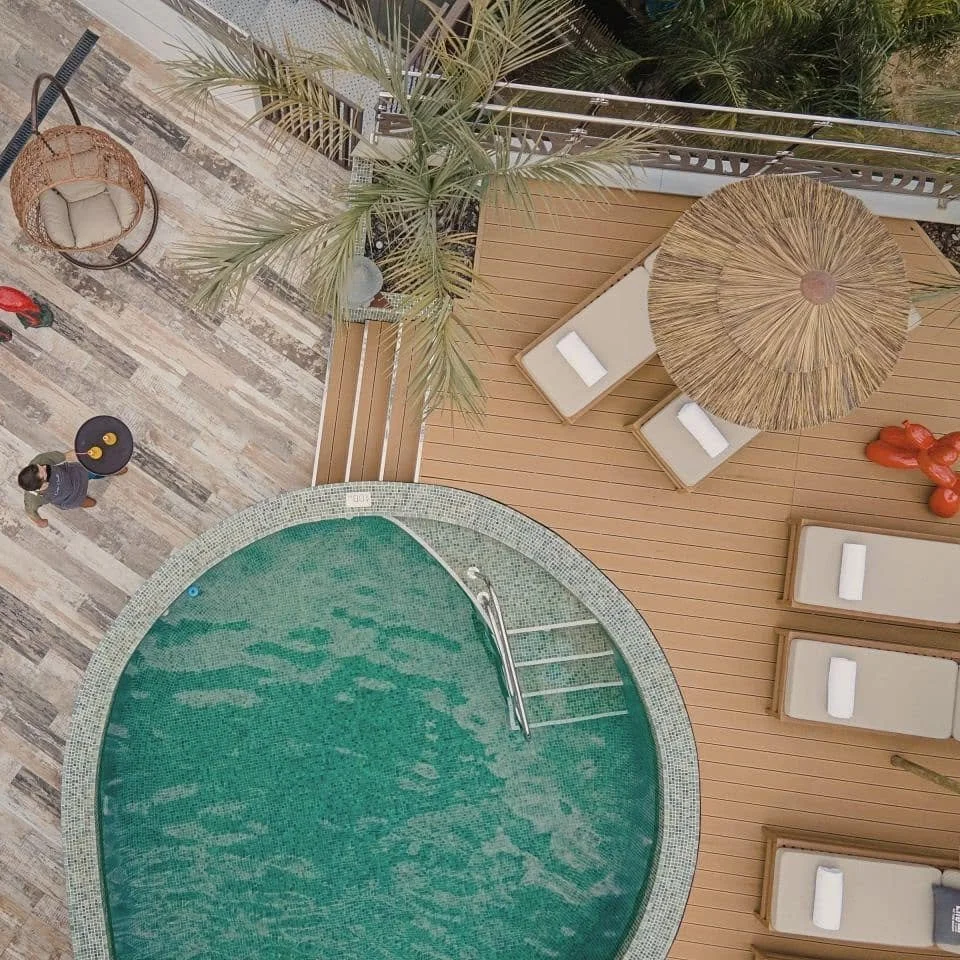
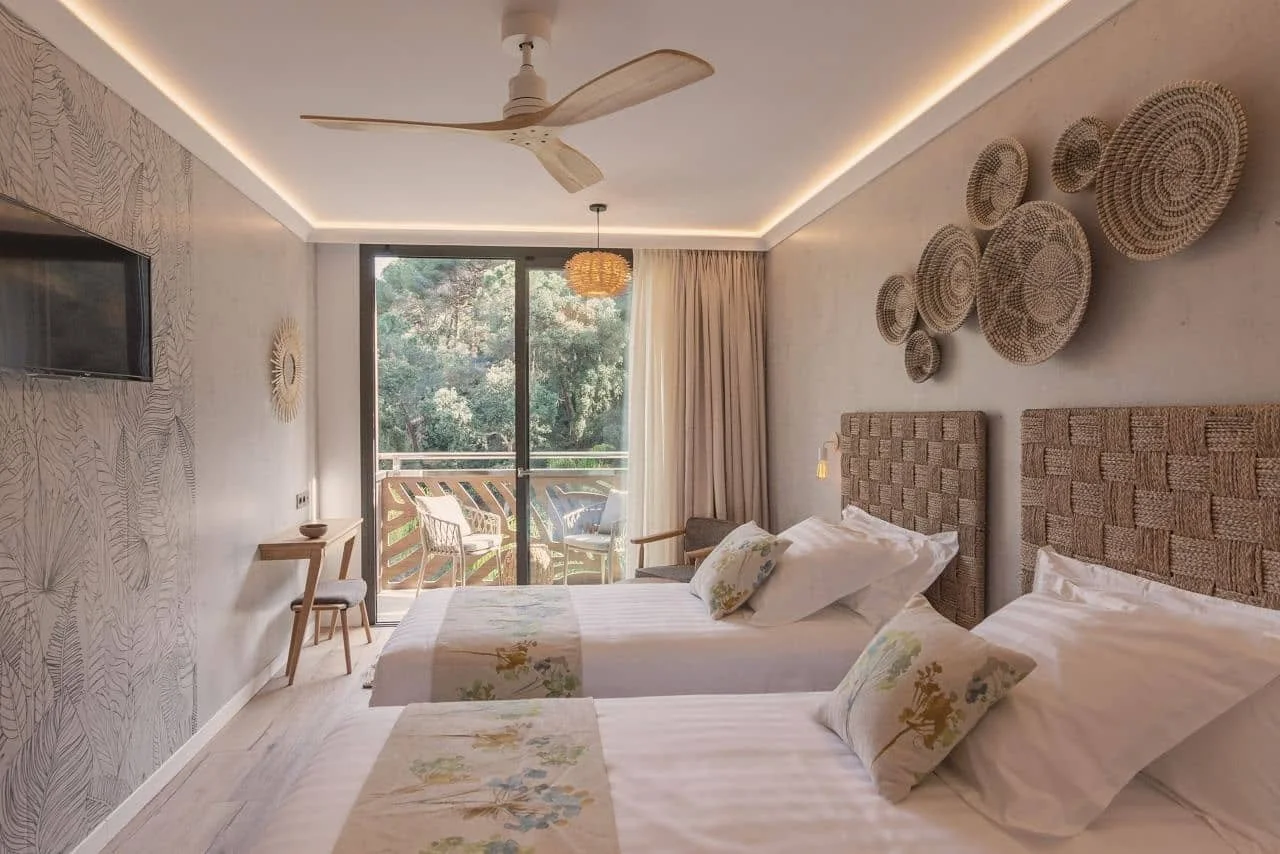
Images courtesy of Casa Coco Boutique Hotel & Spa.
I also liked the fact that the hotel has its own wellness area with a Finnish sauna, jacuzzi and massage room. The adults-only policy applies throughout the accommodation, spa, pool and breakfast areas, which keeps the atmosphere considerably quieter than many of the larger hotels around Lloret.
The hotel's location in the old fishermen's quarter also adds something to the stay. You're close enough to walk down to the beach and into town, but the immediate surroundings feel much more residential and relaxed.
Walk the Coastal Paths and Discover the Coves
One of the best ways to experience Lloret is to leave the main beach behind and follow the coastline.
The paths around Lloret take you past rocky sections of coastline, pine-covered hills and smaller coves where the Mediterranean looks completely different from the busy central beach. I found this much more enjoyable than simply spending the day on the main stretch of sand because you get a better sense of the natural landscape that made this part of the Costa Brava famous in the first place.
It's also an easy way to escape the busier streets for a while. You can walk at your own pace, stop for photographs and find viewpoints overlooking the water before continuing along the coast.
If you have three days in Lloret, I'd definitely set aside an afternoon for this rather than spending the entire stay around the main tourist area.
Best for: Mediterranean scenery, photography, swimming and escaping the busiest parts of town.
See the Historic Side of Lloret
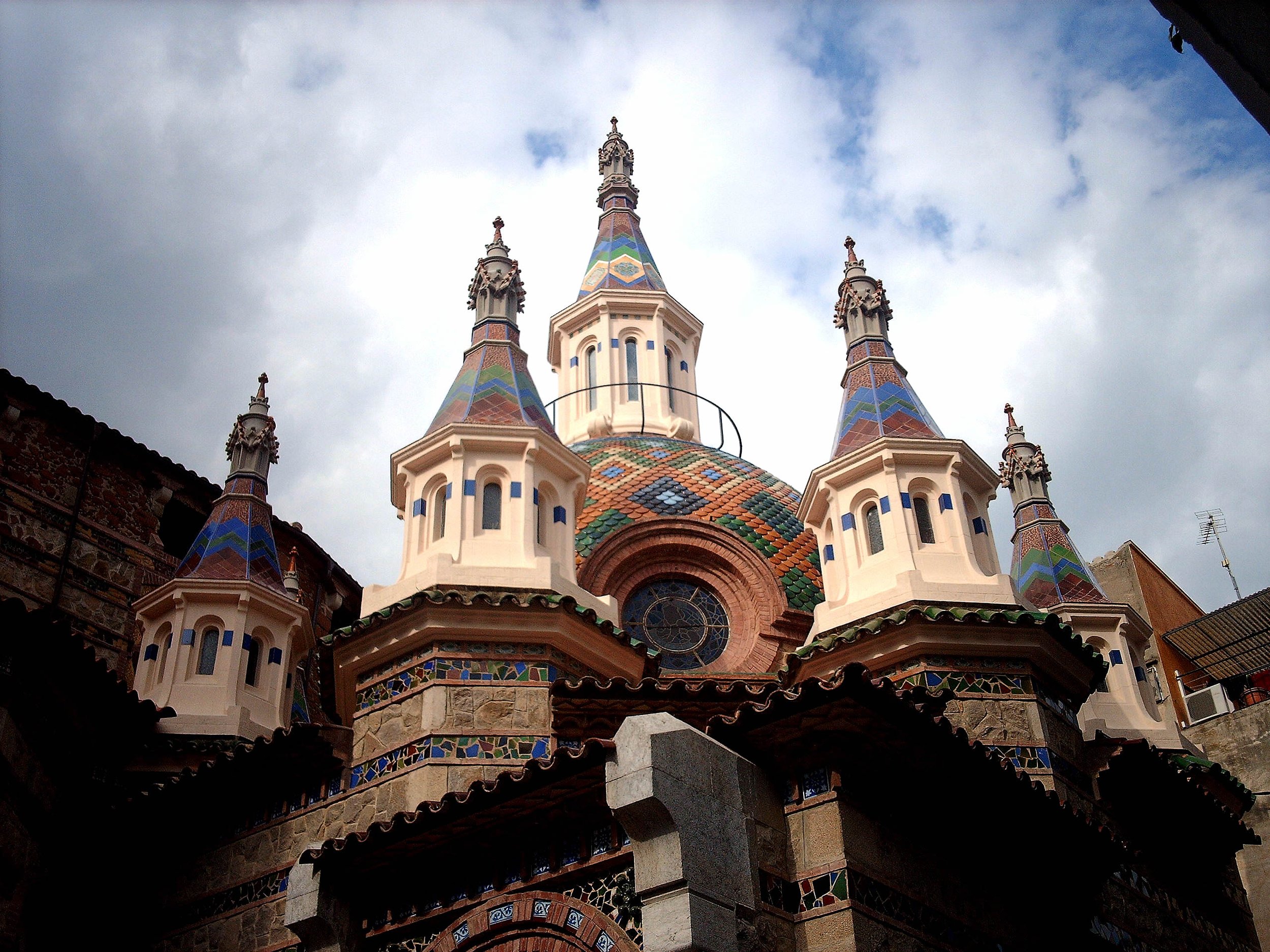
Another part of Lloret worth making time for is its historic centre and waterfront.
The Church of Sant Romà is one of the town's most recognisable landmarks, with its colourful modernist exterior making it quite different from the traditional churches you might expect to find in a Catalan coastal town. The surrounding streets are also worth exploring because they provide a glimpse of the older Lloret beneath the modern resort.
The town's maritime history is another interesting part of the story. Lloret was historically a fishing community, and that connection with the sea remains visible in the old quarter and along the waterfront.
I found that walking around without a strict itinerary worked best. Stop for a coffee, wander down one of the side streets, look at the older buildings and then make your way back towards the sea. It gives you a much better impression of Lloret than simply staying around the busiest tourist streets.
Where I'd Eat: Restaurant Mas Romeu
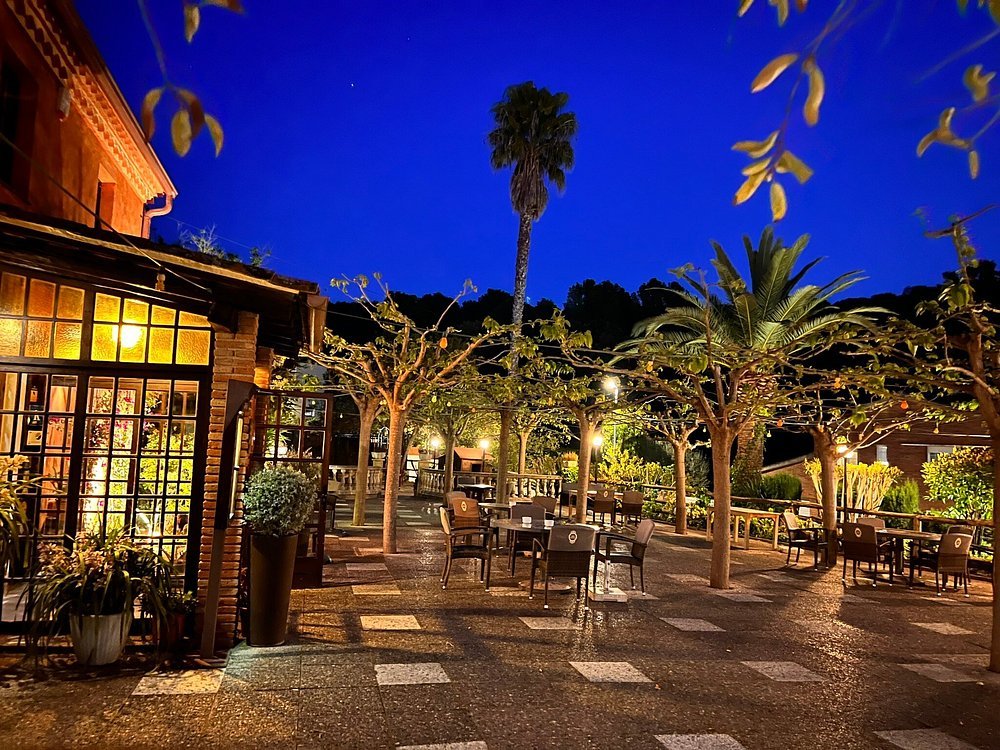
Image courtesy of Restaurant Mas Romeu.
Avinguda Mas Romeu, 3 | Lloret de Mar
For an authentic dinner, my pick would be Restaurant Mas Romeu, particularly if you're looking for traditional Catalan cooking rather than the international restaurant scene that dominates parts of Lloret.
The restaurant has a strong Catalan identity and is known for regional cooking, making it a much better choice if your goal is to experience the food of the area. It is a little removed from the busiest tourist streets, which is another reason I'd choose it for dinner.
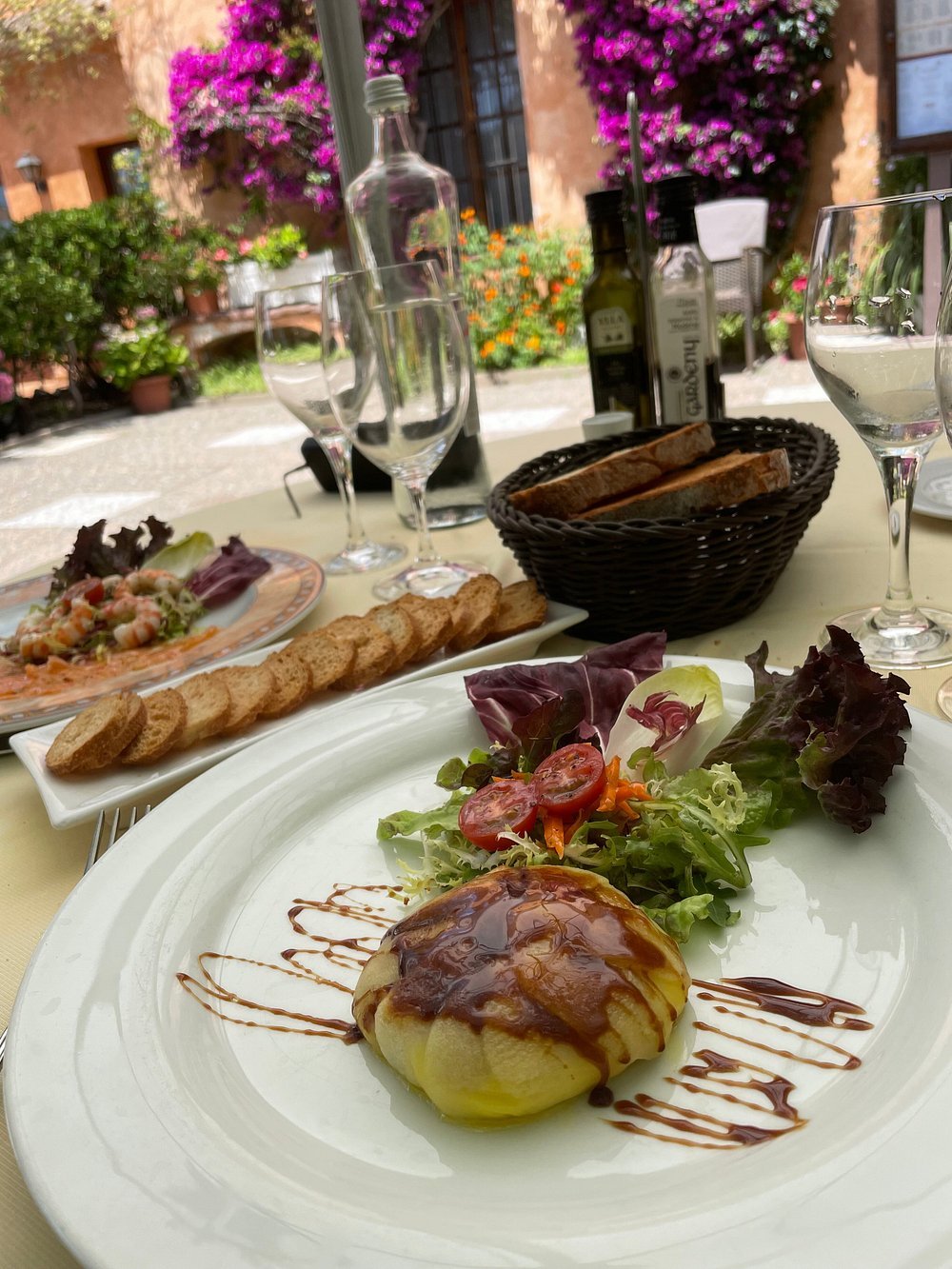
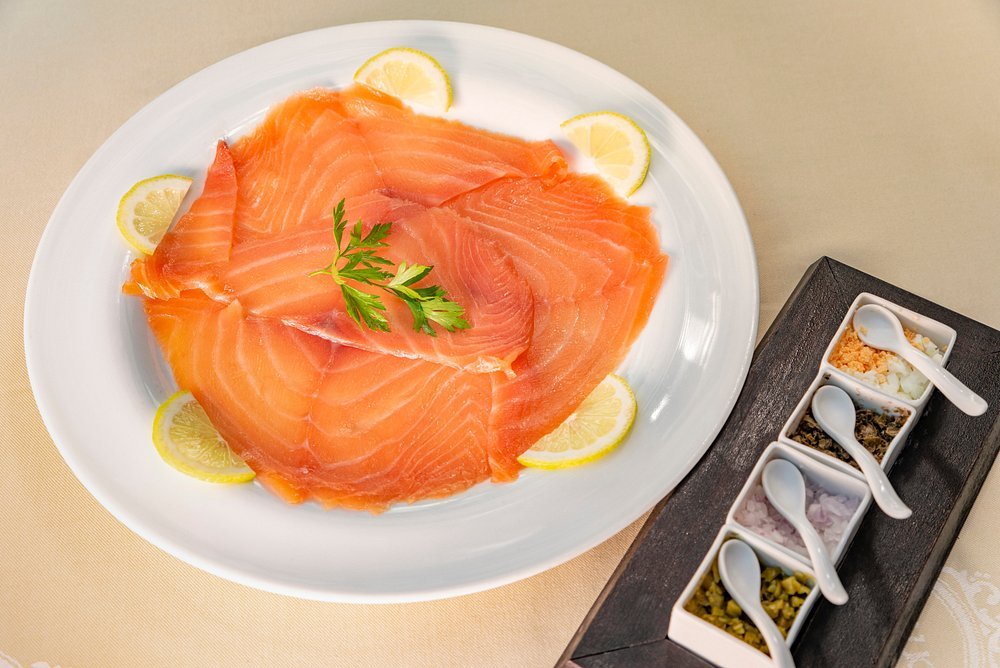
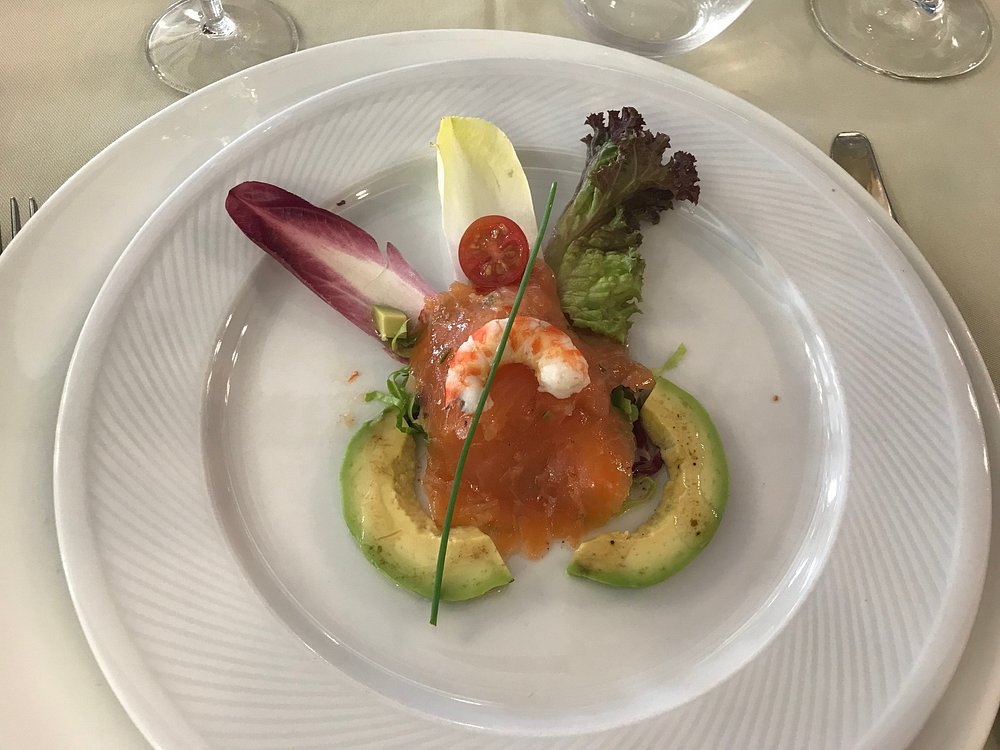
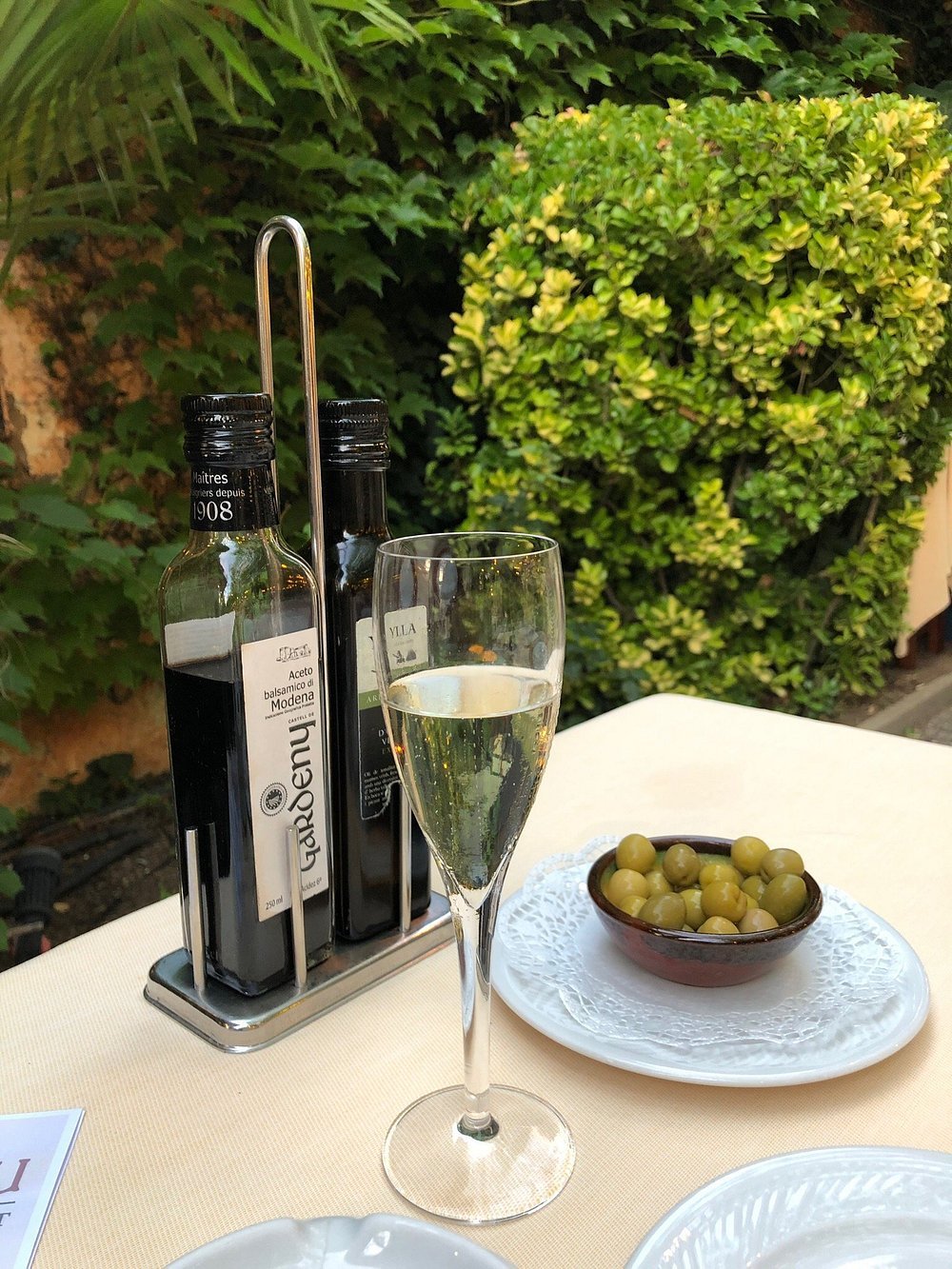
The menu is based around Mediterranean and Catalan flavours, with meat, seafood and seasonal ingredients featuring prominently. It's the sort of place where I'd take my time over dinner and order several traditional dishes rather than rushing through a meal.
The current rating is around 4.5 from more than 1,500 reviews, with dinner generally falling into the €30–70 range depending on what you order. Restaurant Mas Romeu
If you're in Lloret and want a dinner that feels more connected to Catalonia than the typical tourist restaurants around the centre, this is the one I'd put on the list.
Best for: Traditional Catalan cuisine, Mediterranean flavours and a more authentic dinner away from the busiest tourist streets.
Three Days Was Enough to See a Different Lloret
What surprised me most about Lloret de Mar was how easy it was to find a quieter side of the town once I moved beyond the obvious tourist areas. The reputation for nightlife is certainly there, particularly during the summer, but it isn't the whole story.
The coastline was probably my favourite part, with the combination of beaches, rocky coves and pine-covered hills making it feel unmistakably Costa Brava. I also enjoyed discovering some of the older parts of the town and learning more about its history as a fishing and maritime community.
Casa Coco made the experience even better because it gave me a peaceful base to return to. The combination of its boutique atmosphere, spa, saltwater pool and location in the old fishermen's quarter meant I could enjoy Lloret without feeling like I was staying in the middle of the busiest part of the resort.
If you're planning a Costa Brava road trip, I wouldn't dismiss Lloret de Mar simply because of its reputation. Stay somewhere a little removed from the main tourist centre, spend some time walking the coastline and make an effort to find the local restaurants, and you'll see a much more interesting side of the town.
