
Stayed in Tarragona, Catalonia | August
After spending time exploring the Costa Brava and the Catalan coast, I continued south towards Tarragona, one of those Spanish cities where you don't have to look very far to find something interesting. The Mediterranean is right on the doorstep, but what makes Tarragona particularly special is what lies underneath and around the modern city: more than 2,000 years of history and some of the most impressive Roman remains in Spain.
For this part of my trip, I stayed at Estival Park Resort, a four-star resort in La Pineda, just outside Tarragona. The resort sits only a few metres from the beach and offers a completely different experience from the smaller boutique hotels I'd stayed in earlier during the trip. There are several accommodation options within the resort, along with swimming pools, restaurants, sports facilities and the large Aquum Spa & Wellness.
After weeks of road-tripping, I enjoyed having somewhere where I could slow down a little. The resort has a holiday atmosphere, with gardens, pools and plenty of space, while its location on the Costa Daurada makes it easy to combine some downtime by the Mediterranean with a day exploring Tarragona's historic centre.
A Little About Tarragona
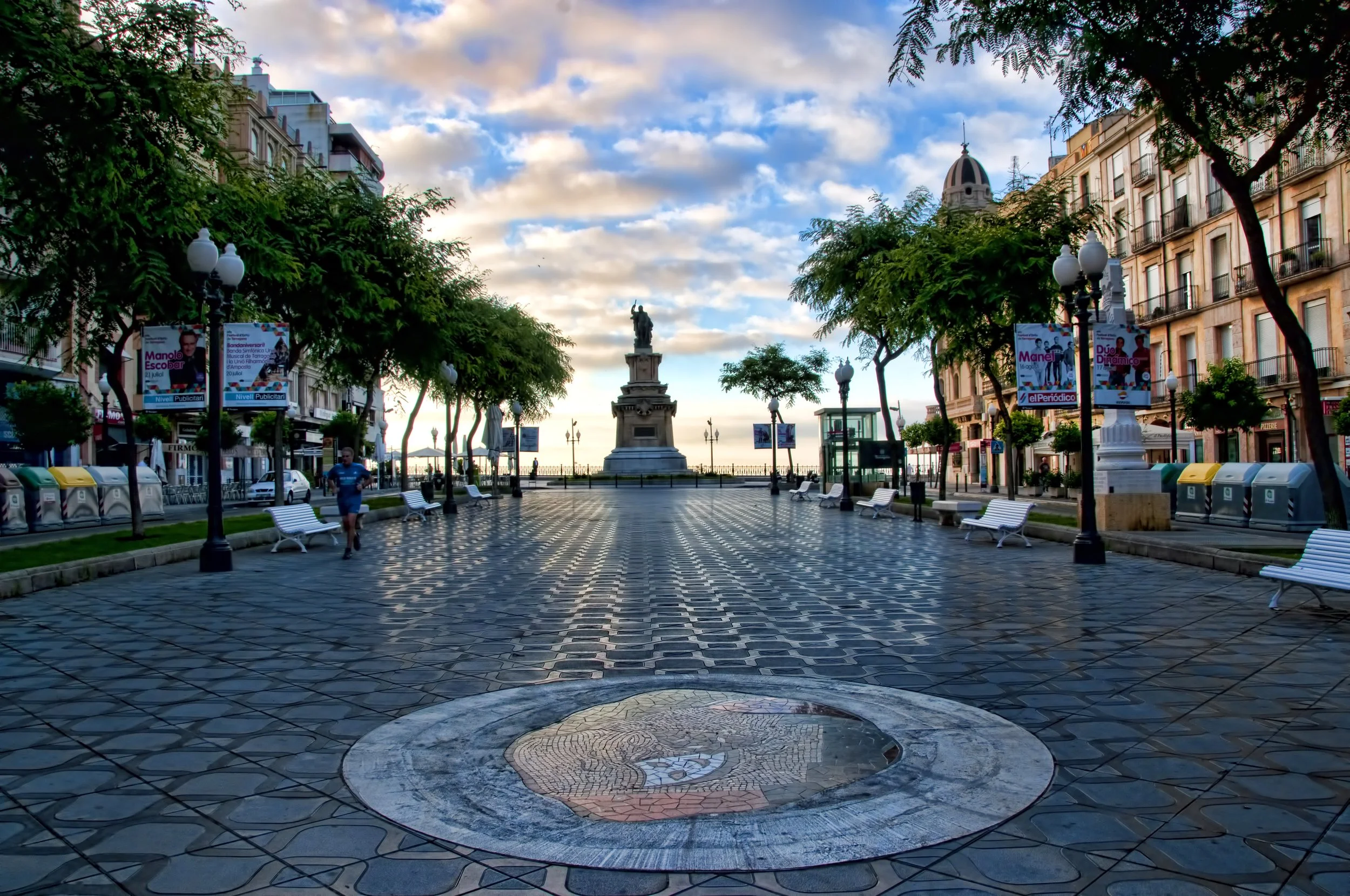
Tarragona's story goes back well before modern Spain. The city began developing as the Roman settlement of Tarraco, after Roman forces established a base here in 218 BC during the Second Punic War. Over the following centuries, Tarraco became one of the most important Roman cities in Hispania and eventually the capital of the vast province of Hispania Citerior.
The scale of Roman Tarragona is still surprisingly visible today. The city once had a circus, amphitheatre, provincial forum, temples, baths and extensive defensive walls, and several of these remains can still be explored.
That history is what makes Tarragona different from many other Mediterranean cities. You can have coffee in a modern square, walk down a shopping street and then suddenly find yourself standing beside a Roman wall that is nearly 2,000 years old.
Tarragona is also a living coastal city rather than simply an archaeological site. The old town sits above the Mediterranean, there are beaches nearby and the city has a strong food culture based around Catalan and Mediterranean ingredients.
Walk Through Roman Tarragona
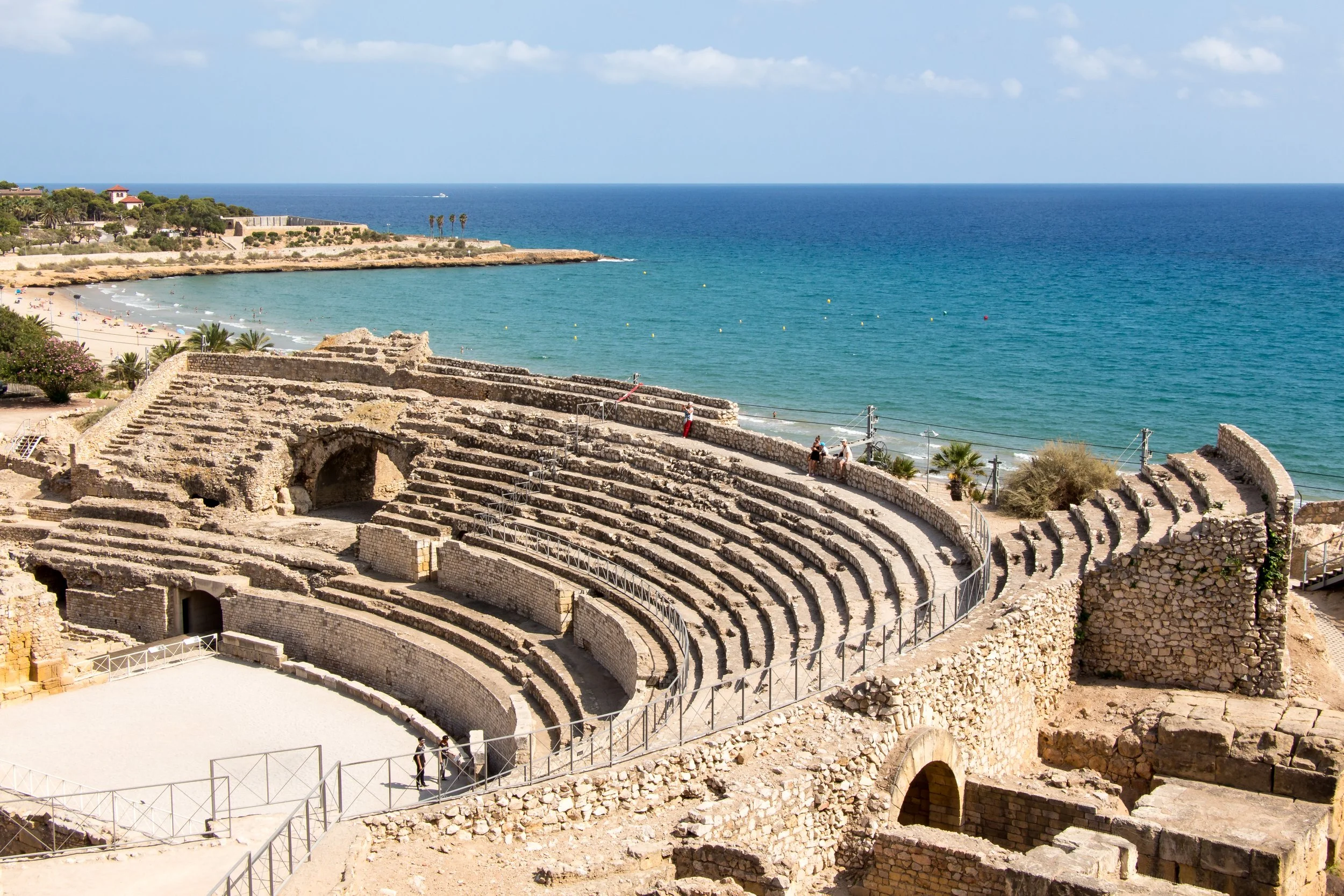
If you're visiting Tarragona for the first time, I'd start with the Roman ruins rather than trying to see everything at once.
The Roman Amphitheatre is one of the city's most impressive sights. Built beside the Mediterranean, it once hosted gladiatorial contests and other public spectacles and could accommodate large crowds. The setting makes it particularly memorable because you can see the ancient ruins with the sea immediately behind them.
From there, it's easy to continue exploring the old city and its Roman heritage. Parts of the ancient walls remain incorporated into the modern streets, while the remains of the Roman Circus give you an idea of the enormous scale of ancient Tarraco.
The city's archaeological heritage is so significant that the Roman monuments of Tarraco were recognised as a UNESCO World Heritage Site.
What I enjoyed most was that I didn't need to spend the entire day inside museums. Much of the history is simply part of the city itself, so walking around Tarragona becomes a sightseeing experience in its own right.
Allow: 2–3 hours.
Best for: Roman history, photography and discovering one of Spain's most historically important Mediterranean cities.
See Tarragona Cathedral and the Old Town
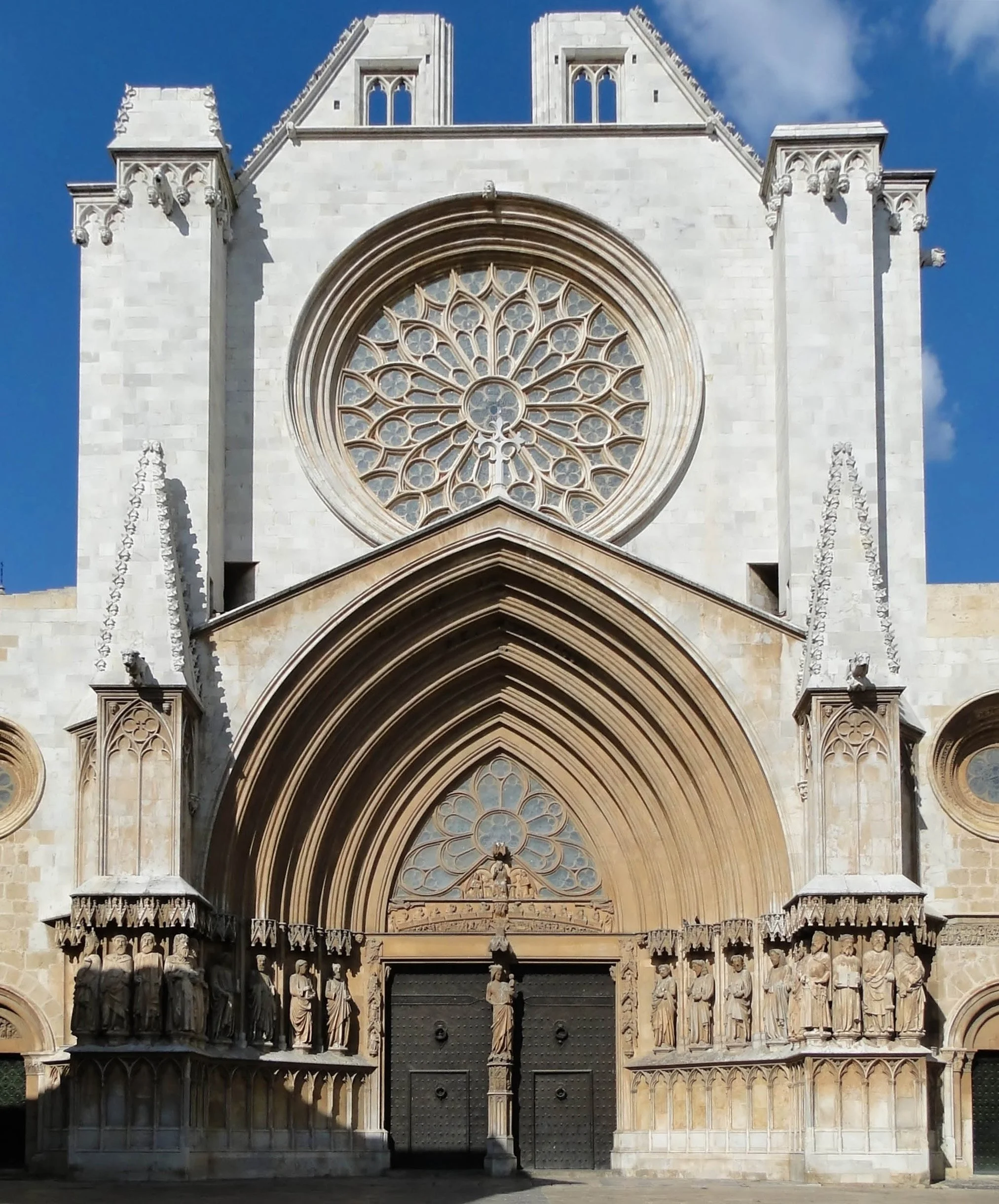
After exploring the Roman remains, I'd head further into the old town towards Tarragona Cathedral.
The cathedral sits at the highest part of the historic centre, and the surrounding streets are filled with narrow lanes, small squares and historic buildings. This part of Tarragona feels considerably quieter than the modern city below and is a great place to simply wander without a strict plan.
The cathedral itself combines Romanesque and Gothic elements and is one of the city's most important landmarks. Around it you'll find restaurants, cafés and small shops, making the area a good place to stop for lunch or a coffee after sightseeing.
I particularly liked the contrast between the cathedral and the Roman remains. Within a relatively small area, you're effectively walking through several different chapters of Tarragona's history.
If the weather is good, I'd also make time to walk towards the Balcony of the Mediterranean, a viewpoint overlooking the sea. It's a simple stop, but the views across the coastline make it one of those places worth visiting before leaving the old town.
Allow: 2 hours.
Best for: Architecture, history, old streets and Mediterranean views.
My Stay at Hotel Estival Park Resort, Sport & Spa
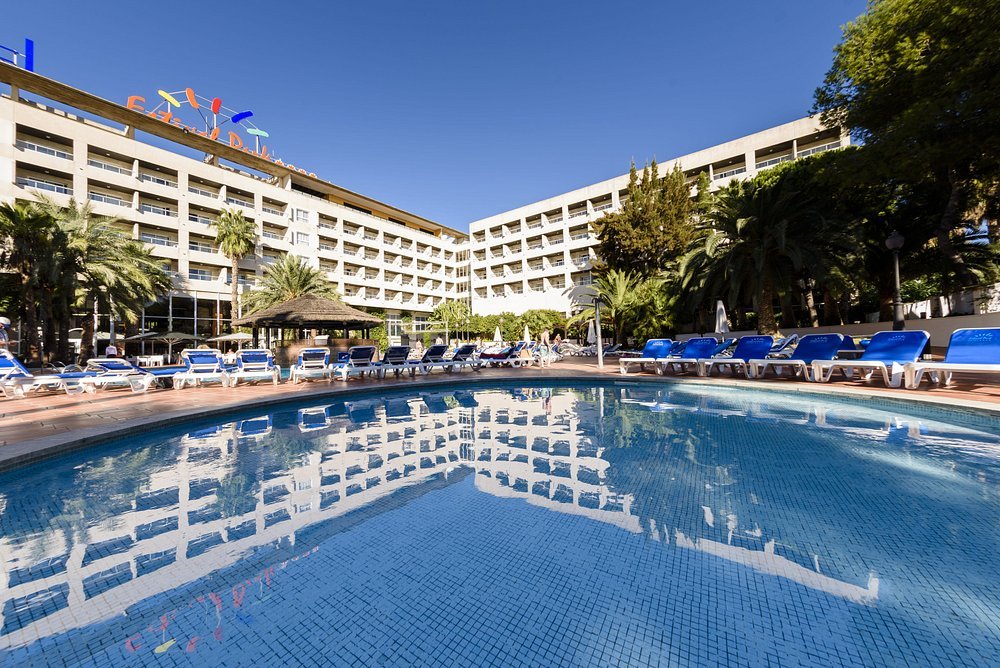
Image courtesy of Hotel Estival Park Resort, Sport & Spa.
Estival Park was a very different style of hotel from the boutique properties I'd stayed in elsewhere during my trip, but that's exactly why I enjoyed having it as part of the journey.
The resort is located in Platja de La Pineda, close to the beach, and has several pools, gardens, restaurants and sports facilities. The Aquum Spa & Wellness is one of its biggest features, covering around 4,000 square metres and offering a range of wellness facilities. There is also a sports club with paddle courts, a swimming pool, saunas and gym facilities.
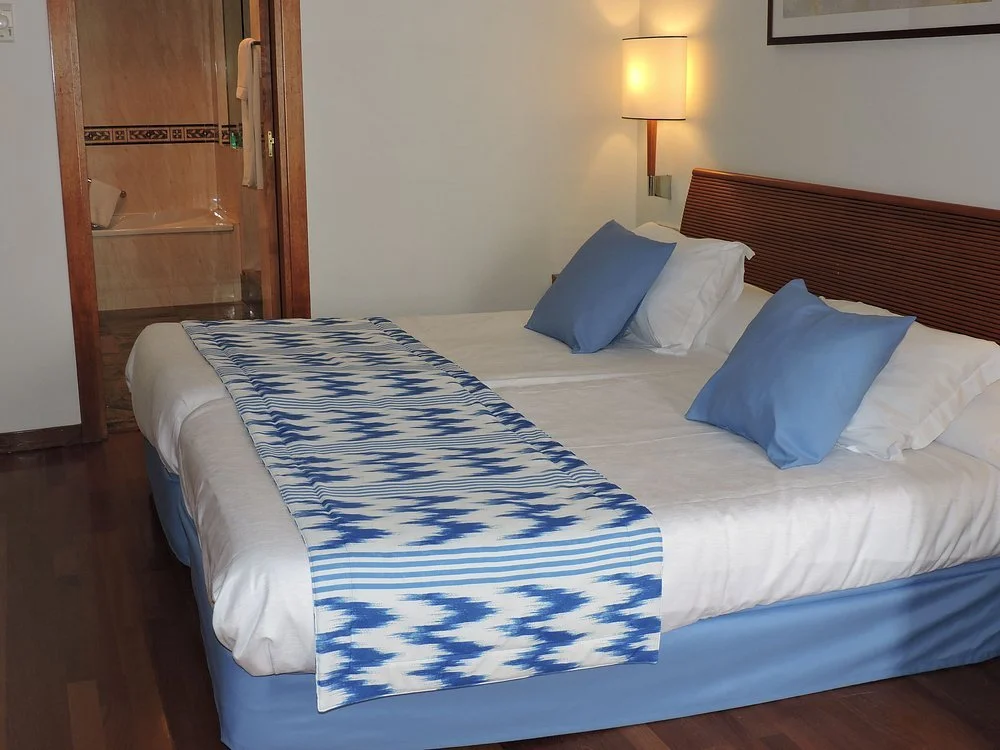
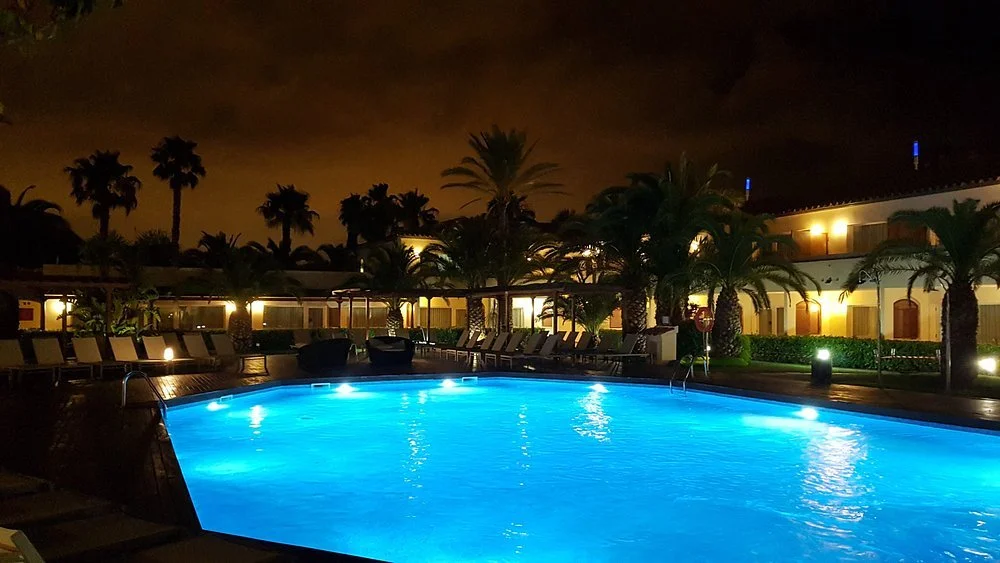
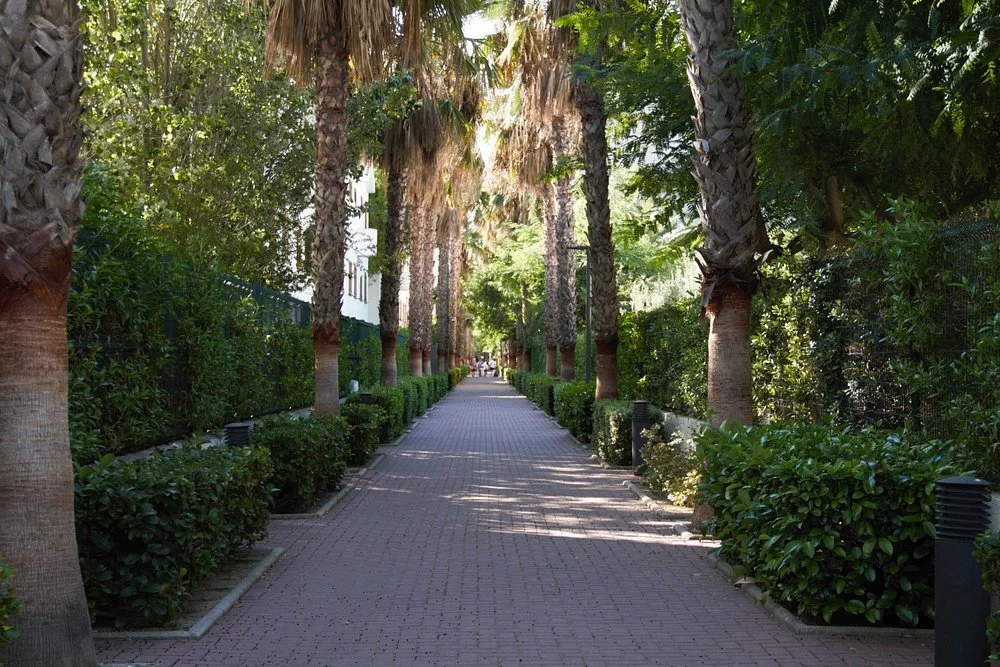
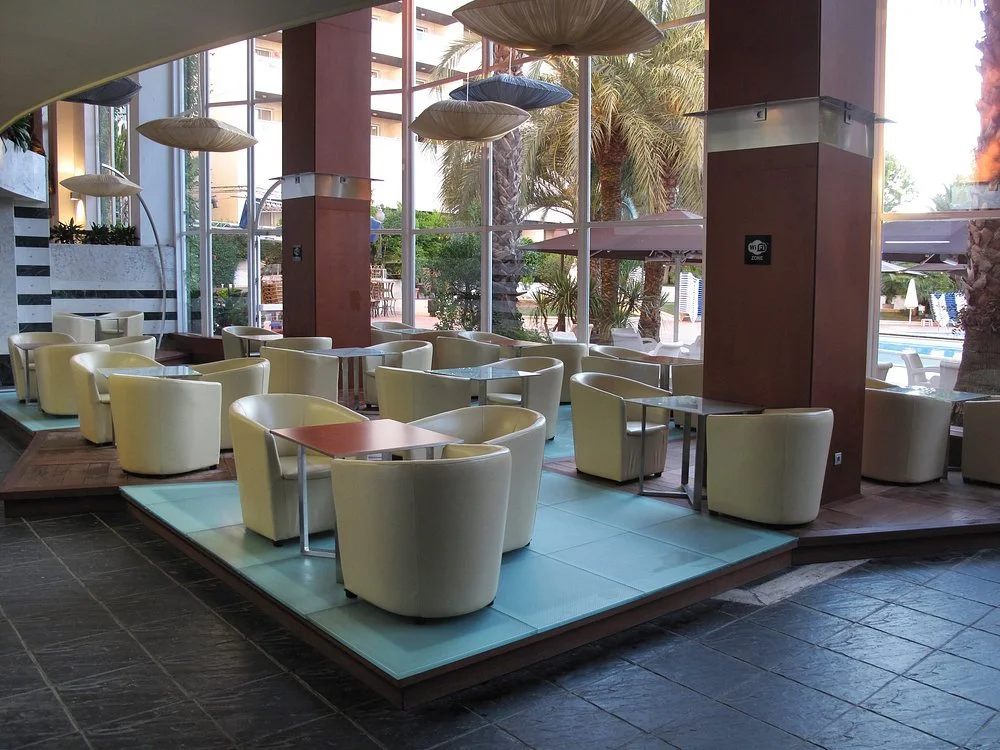
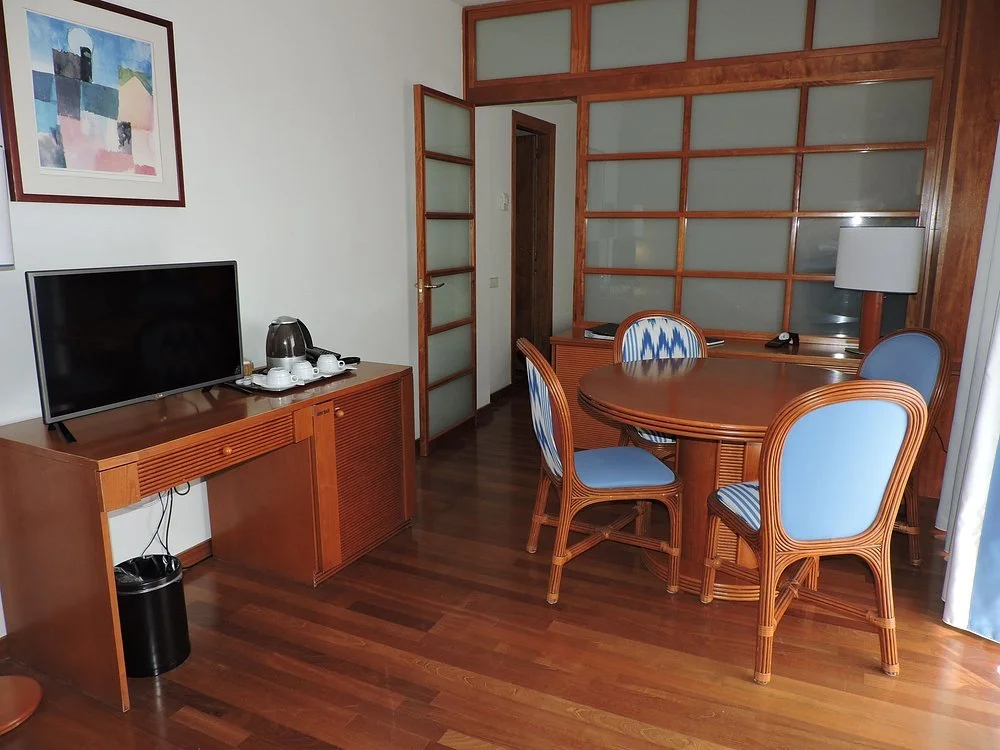
Images courtesy of Hotel Estival Park Resort, Sport & Spa.
For me, the main advantage was having everything available on the property while still being close enough to Tarragona to spend a day exploring the city.
After a morning walking around Roman ruins in the heat, returning to the resort and spending some time by the pool was a welcome change of pace.
It also meant I could enjoy the Mediterranean side of the Costa Daurada without having to give up the history and culture of Tarragona.
Best Breakfast and Coffee: Petit Café Tarragona
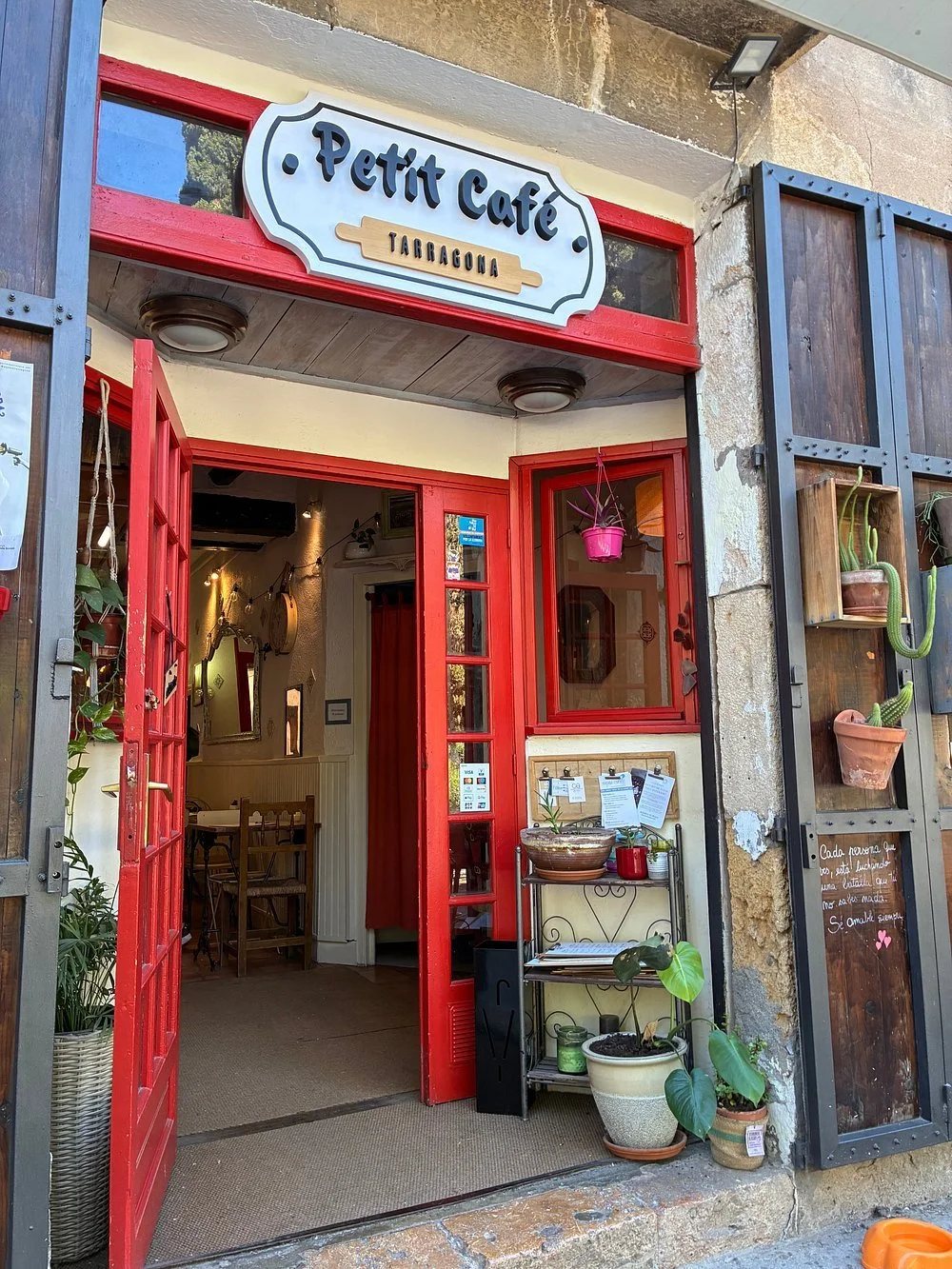
Image courtesy of Petit Café Tarragona.
Carrer d'en Salinas, 8 | Tarragona Old Town
For breakfast and good coffee, I'd head into Tarragona rather than settling for a generic hotel breakfast.
Petit Café Tarragona is a small speciality coffee spot with an excellent current rating of 4.9 from more than 360 reviews, and it has exactly the kind of relaxed atmosphere I look for when starting a day of sightseeing.
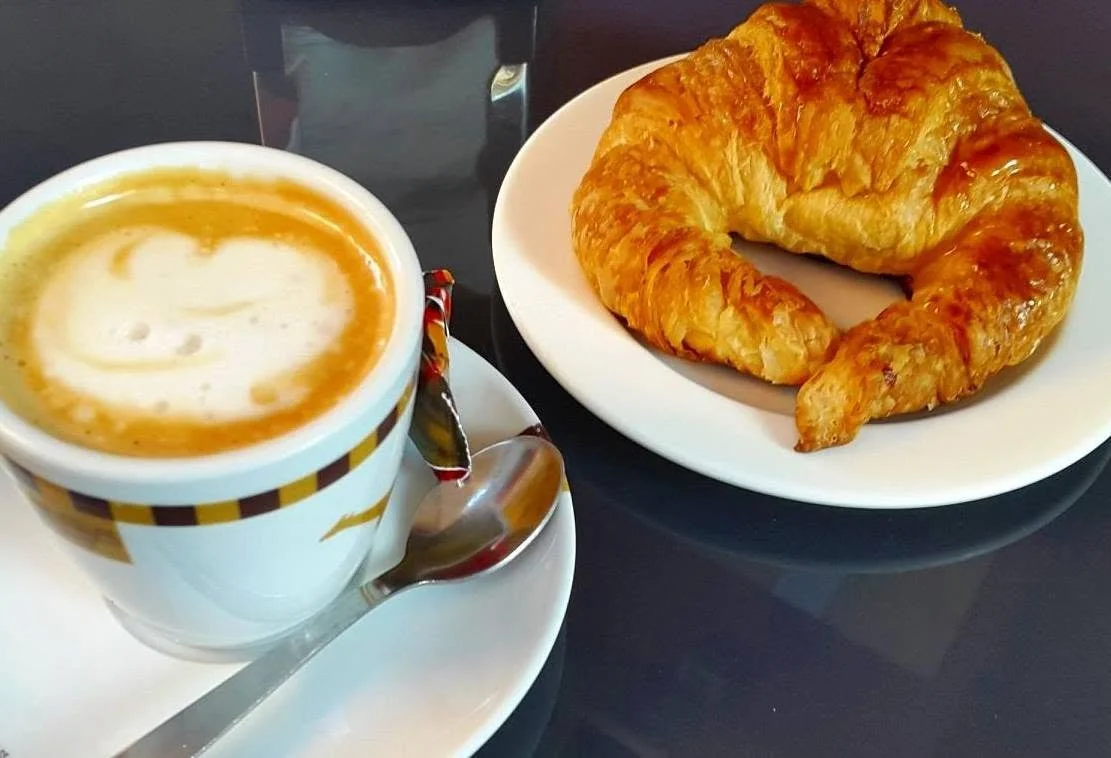
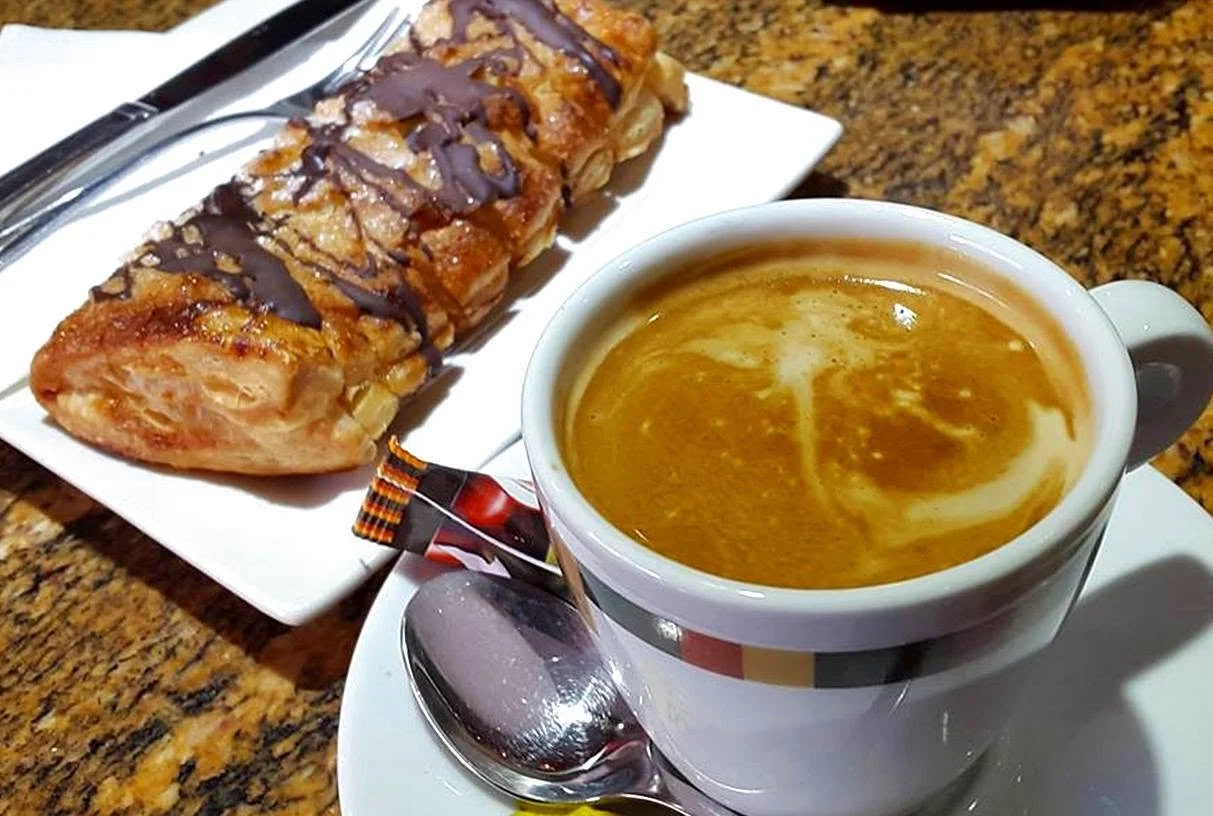
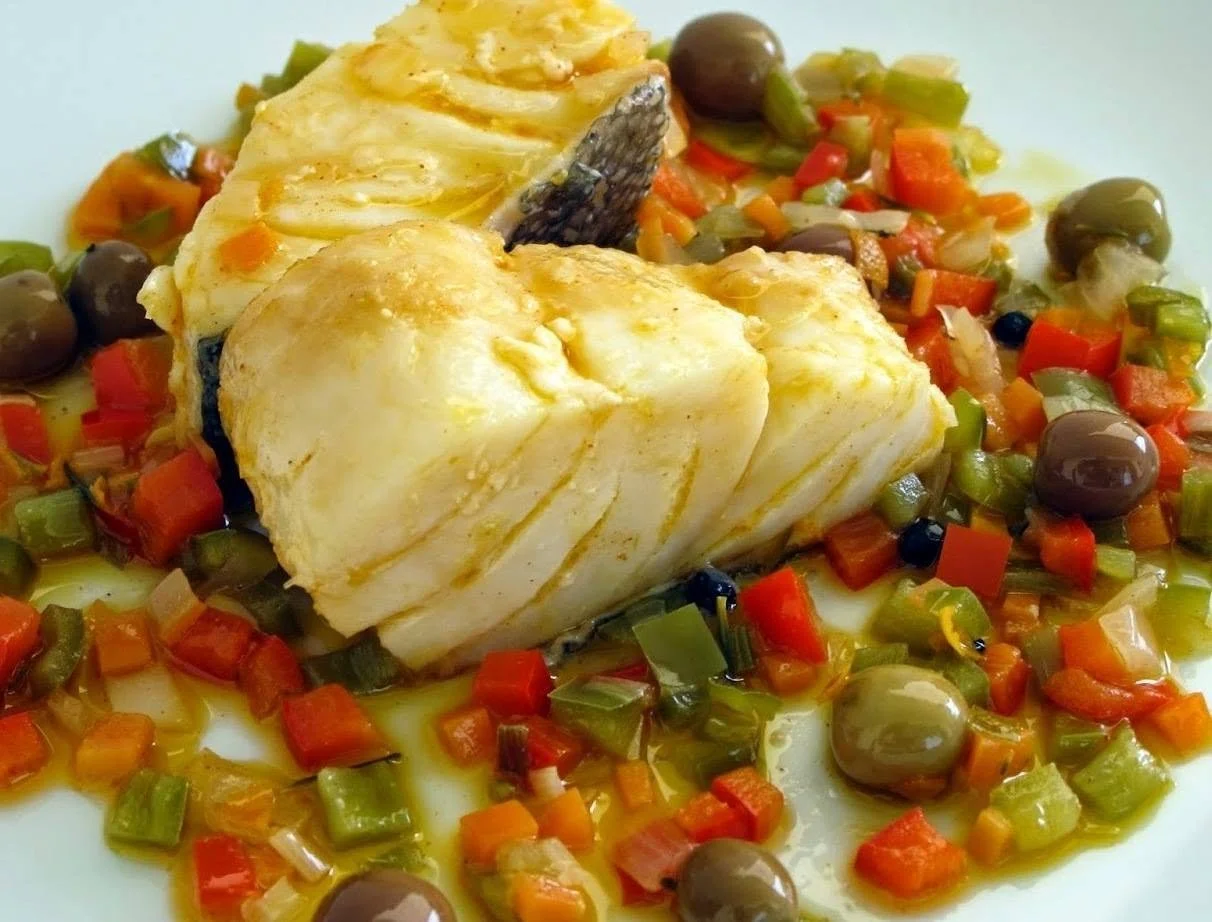
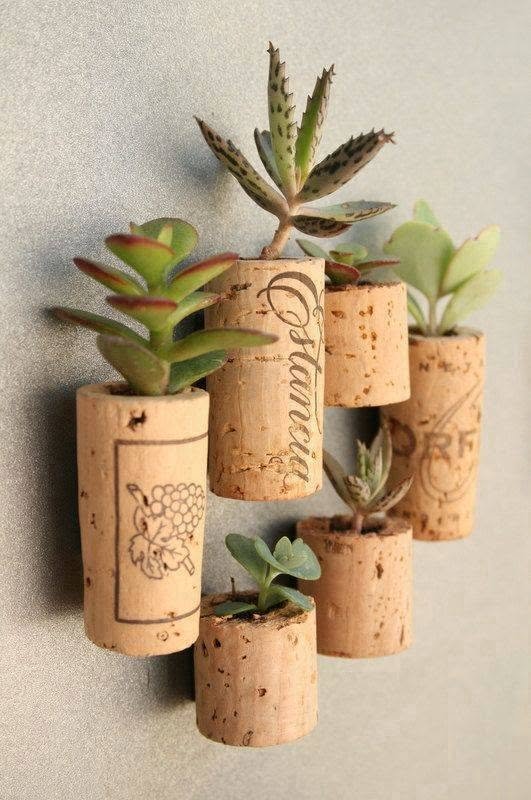
The focus is on quality coffee rather than simply serving whatever happens to come out of a large hotel machine. It's a good place to grab a properly prepared coffee and something light before heading out to explore the Roman sites.
I particularly like cafés like this when travelling because they give you an opportunity to start the day in a more local setting rather than rushing through breakfast.
Best for: Speciality coffee, a relaxed breakfast and starting a day exploring Tarragona.
Best Lunch: El Llagut
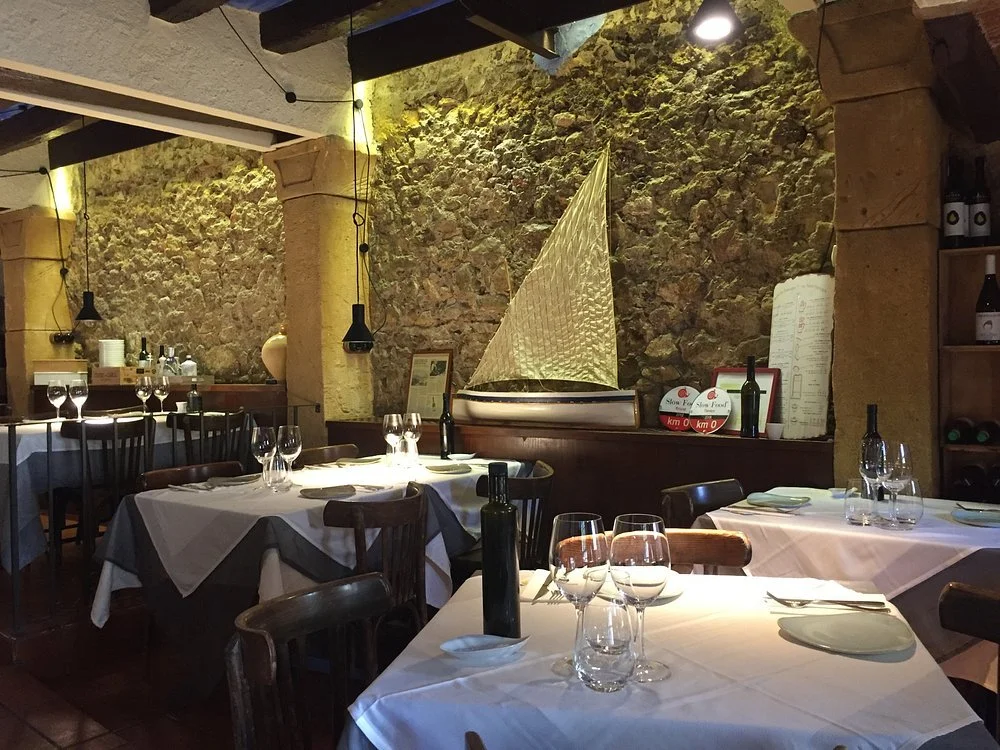
Image courtesy of El Llagut.
Carrer de Natzaret, 10 | Tarragona Old Town
For lunch, my pick would be El Llagut, particularly if you want to experience Tarragona's Mediterranean side.
The restaurant specialises in Mediterranean cooking and is known for seafood, rice dishes and traditional flavours. Its location in the old town also makes it convenient after spending the morning exploring the Roman sites and cathedral.
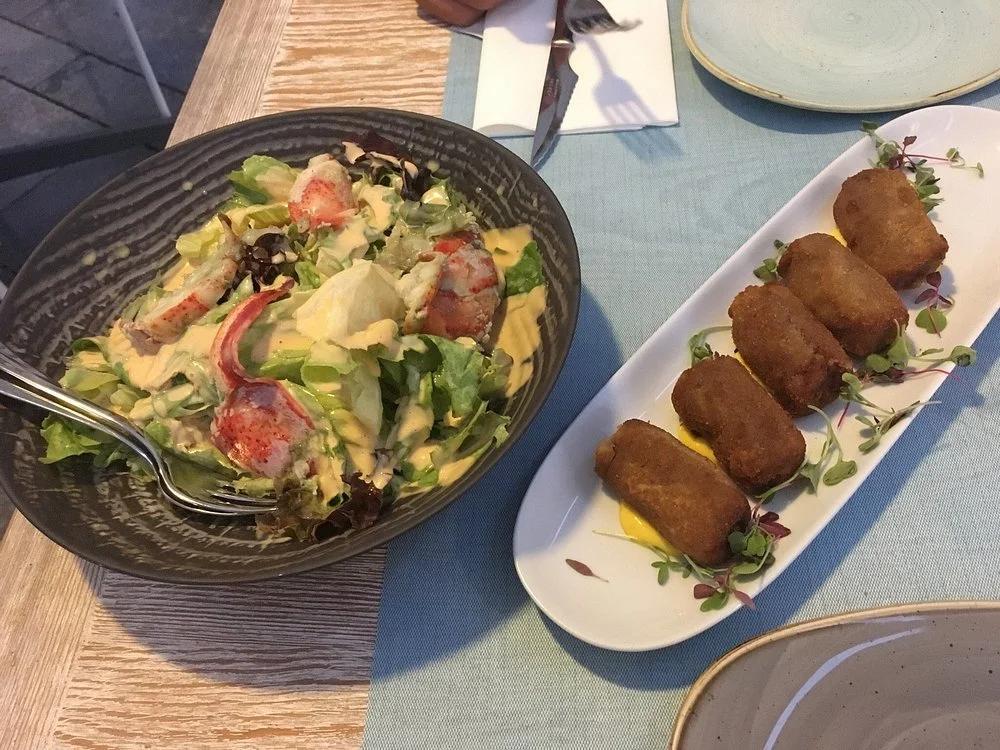
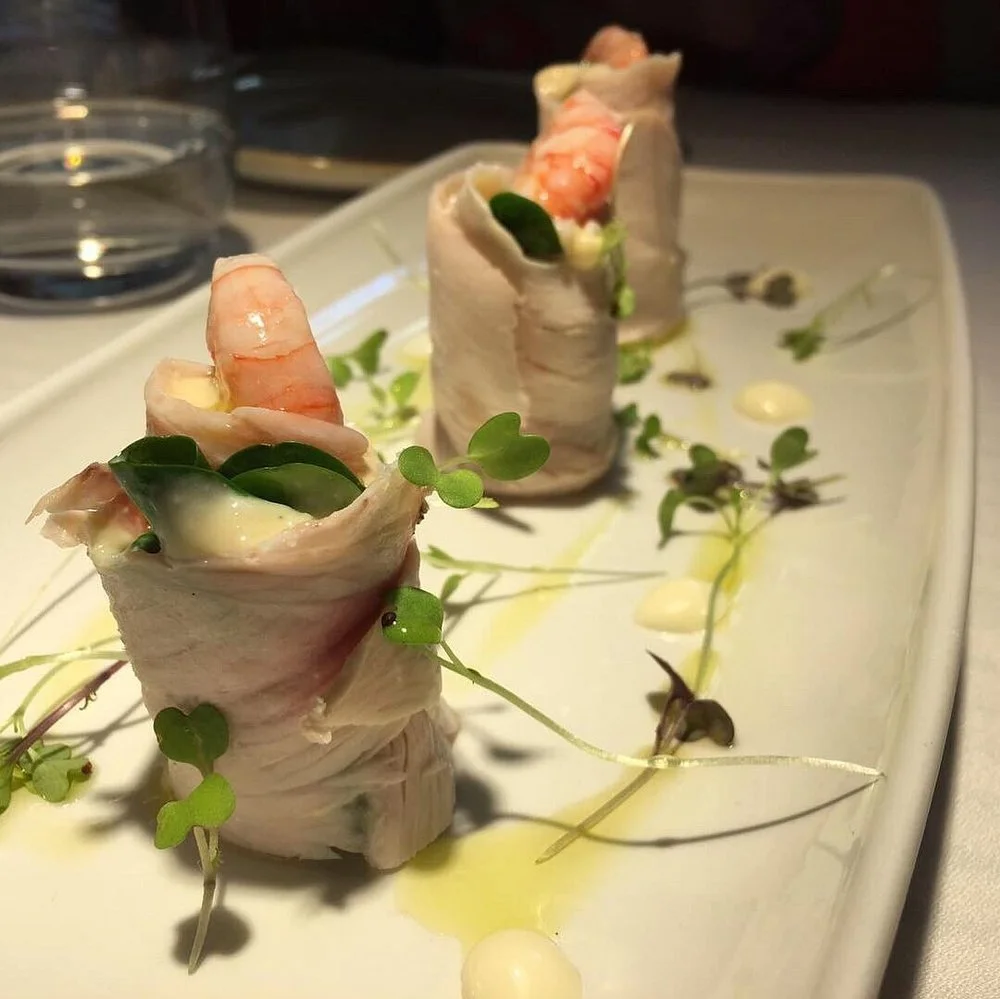
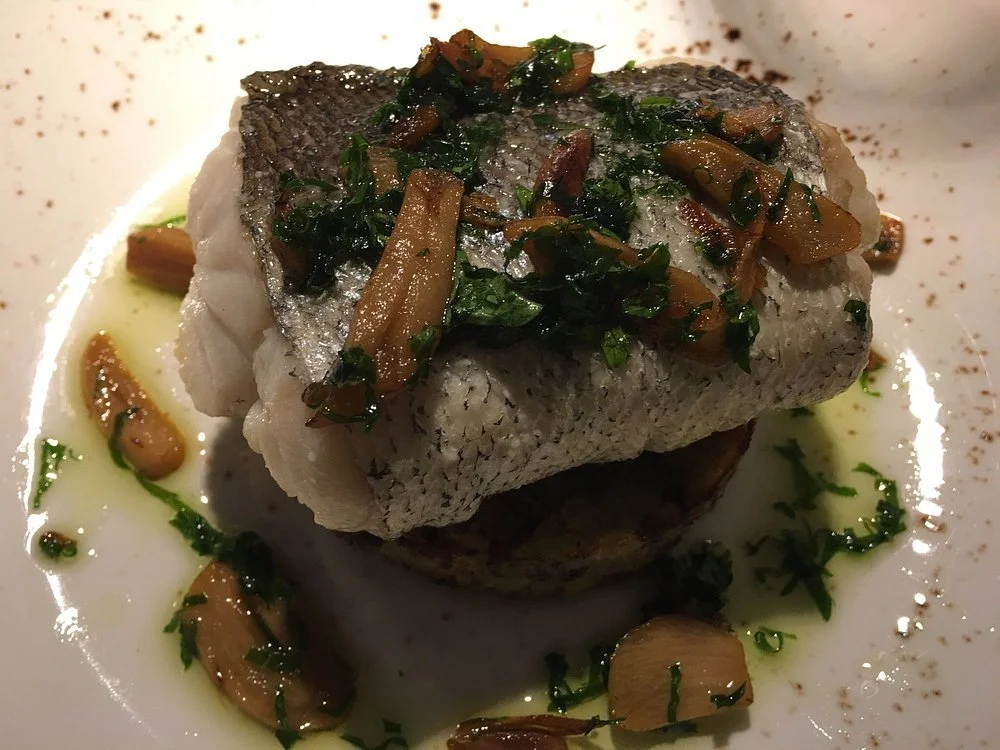
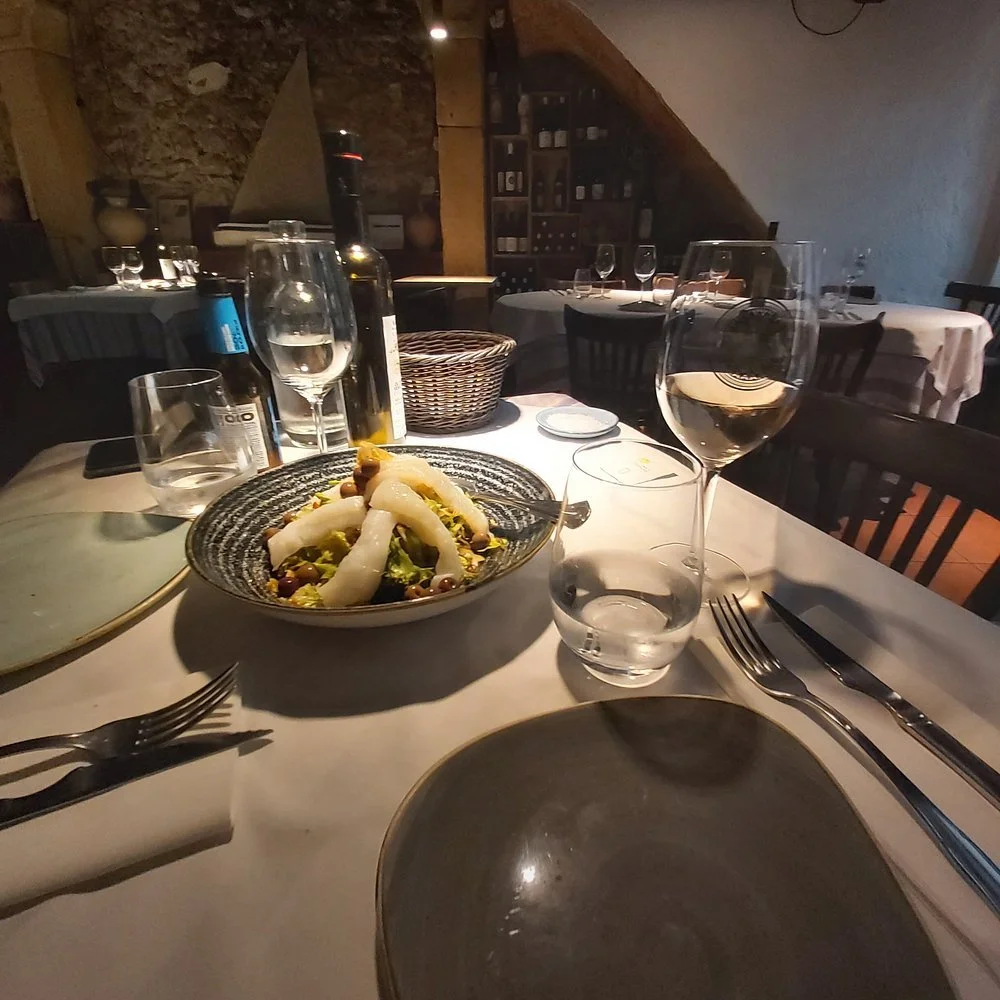
This is the kind of restaurant where I'd take my time over lunch rather than treating it as a quick stop between attractions. Tarragona is a city where seafood and Mediterranean ingredients make complete sense, and El Llagut is a good place to experience that style of cooking.
With more than 2,000 reviews and a current rating around 4.5, it is also one of the more established choices in the historic centre.
Best for: Mediterranean cuisine, seafood and a relaxed Tarragona lunch.
Best Dinner: El Terrat
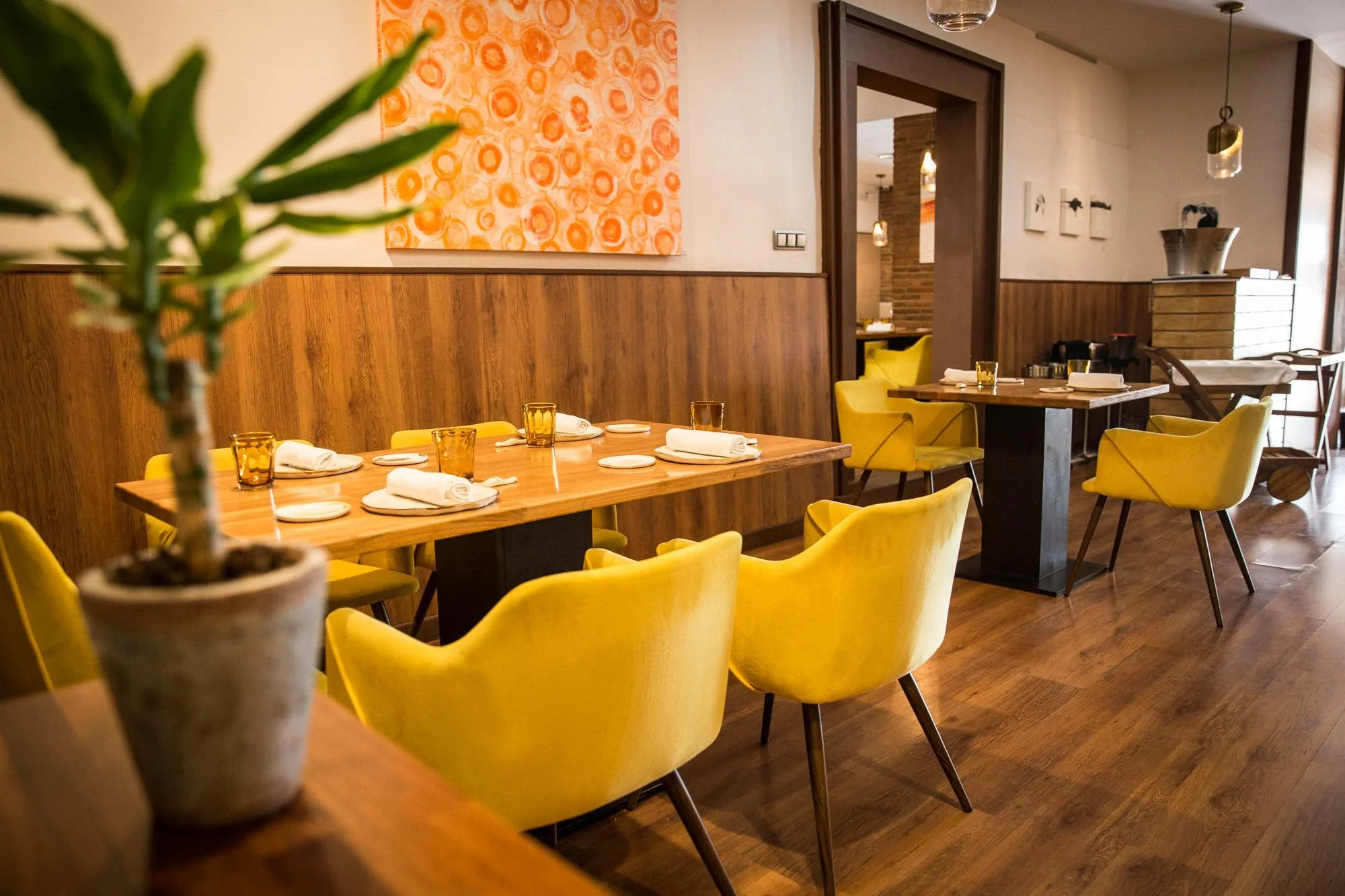
Image courtesy of El Terrat.
Carrer de Pons d'Icart, 19 | Tarragona
For dinner, I'd choose El Terrat if you're looking for something a little more special.
The restaurant has built a strong reputation in Tarragona and focuses on contemporary Mediterranean cooking with Catalan influences. It currently holds a 4.6 rating from more than 1,700 reviews, and the atmosphere is considerably more refined than a casual lunchtime restaurant.
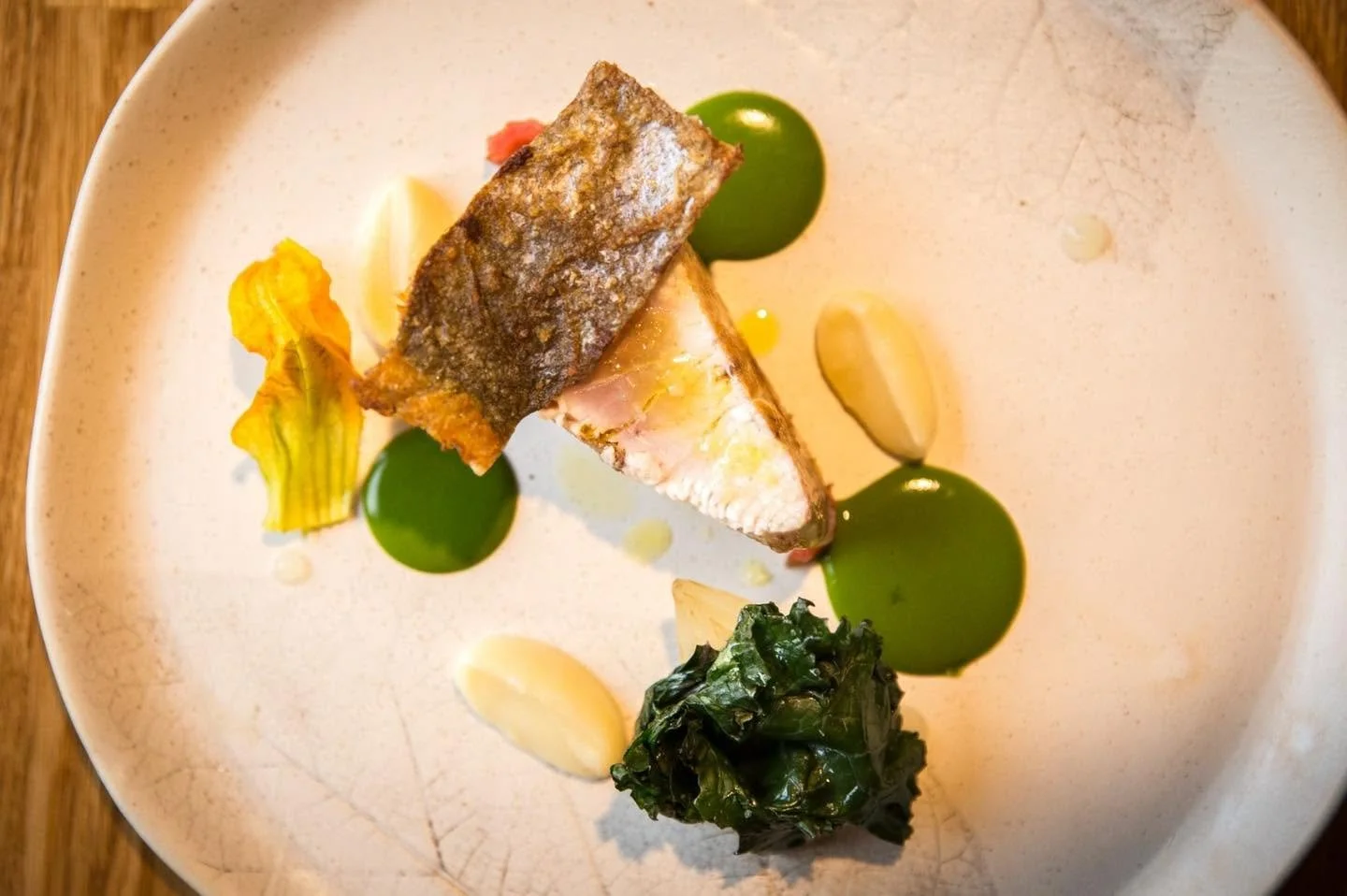
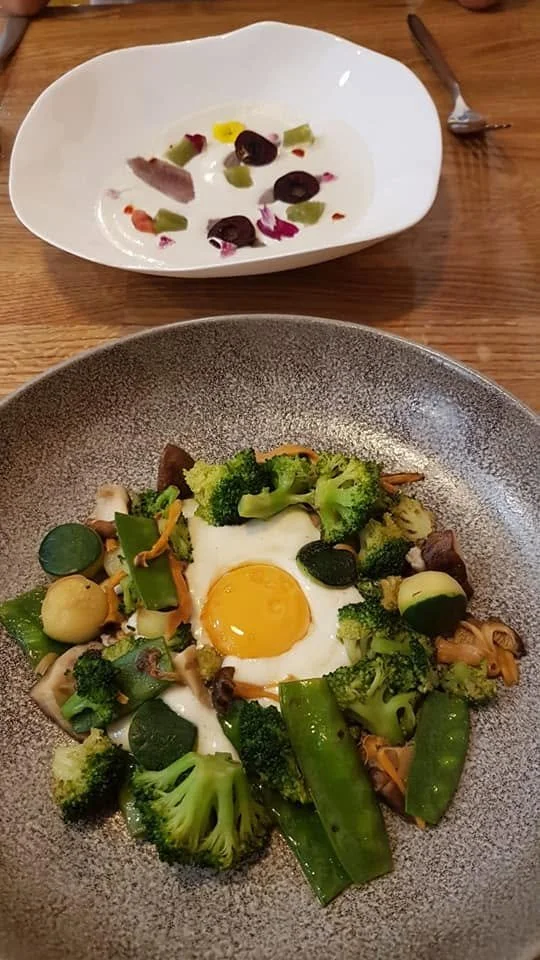
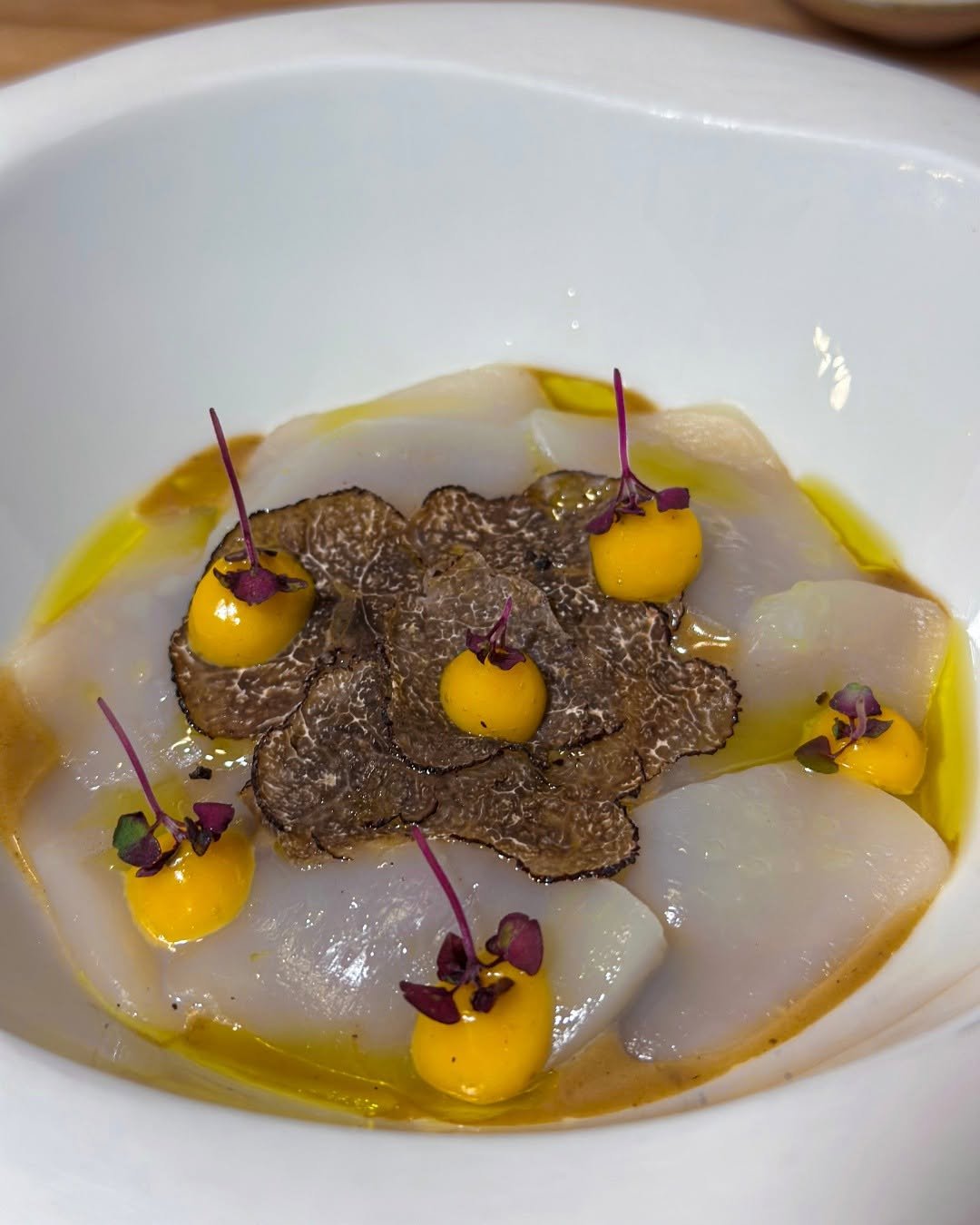
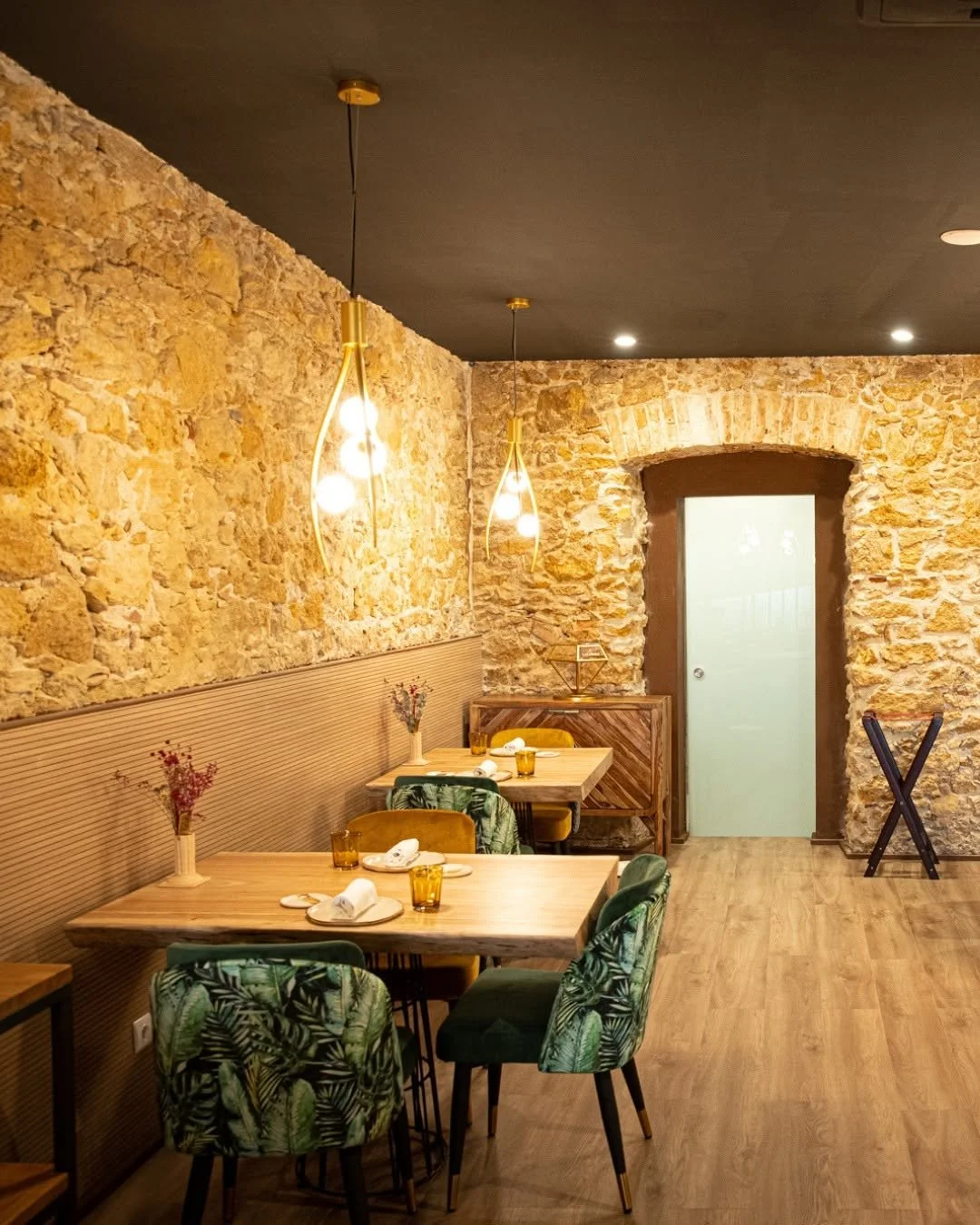
This would be my choice for the evening when you want to sit down properly, order a few courses and make dinner part of the experience rather than simply finding somewhere convenient to eat.
After spending the day walking through Tarragona's Roman history, finishing with a more polished Catalan and Mediterranean meal felt like the right way to end the day.
Best for: Contemporary Catalan cooking, Mediterranean flavours and a more refined dinner.
Tarragona Was More Than Just a Stop on the Road
What I enjoyed most about Tarragona was how easily the different sides of the city come together. You have the Mediterranean, the Roman ruins, the cathedral and old town, excellent food and a relaxed coastal atmosphere, all within a relatively compact area.
Staying at Estival Park also gave me the chance to experience the Costa Daurada from a different perspective. The resort provided the pools, spa and beach lifestyle, while Tarragona itself offered the history and culture I wanted to explore.
If you're travelling through Catalonia, I think Tarragona deserves more than a quick stop. The Roman heritage alone makes it worth visiting, but once you add the old town, Mediterranean coastline and excellent food, it becomes a much more complete destination.
For me, it was another reminder that some of the best stops on a road trip are the places that offer a little bit of everything. Tarragona has history, beaches, food and plenty of reasons to slow down and explore.
