Stayed in Saint-Jean-de-Luz, France | July 26–29
After spending a few days in Biarritz, I continued along the French Basque Coast to Saint-Jean-de-Luz, a town that feels noticeably smaller and more relaxed than its better-known neighbour. Set around a beautiful sheltered bay, Saint-Jean-de-Luz combines colourful fishing boats, historic Basque architecture, sandy beaches and an excellent food scene, making it the kind of place that is very easy to settle into.
What I liked most was that the town never felt as though it was trying too hard to impress. You can spend the morning walking along the waterfront, wander through the historic centre, stop for a coffee and then find yourself sitting down to a long lunch without ever feeling like you're missing something. There is a wonderfully relaxed rhythm to life here, and after several weeks of travelling through northern Spain and southwestern France, I appreciated having somewhere that encouraged me to slow down.
I spent three days exploring Saint-Jean-de-Luz, and although it's relatively compact, there was plenty to keep me occupied. The town also made a great base for enjoying the French Basque Coast, with its combination of history, beaches, traditional food and beautiful scenery.
If you'd like to see where I stayed during my visit, I've also written about the Thalazur Saint-Jean-de-Luz, the four-star hotel I chose for this part of my trip.
A Little History of Saint-Jean-de-Luz
Saint-Jean-de-Luz has a fascinating history that is closely connected to the sea. Long before it became the elegant seaside destination you see today, it was an important fishing port whose sailors ventured into the Atlantic in search of whales, cod and other fish. The town also became associated with Basque privateers, who operated from the port and helped bring considerable wealth to local shipowners.
Some of the grand houses in the historic centre date from this prosperous period, particularly the seventeenth century, when successful shipowners built impressive homes close to the port. You can still see these buildings today, and they give Saint-Jean-de-Luz a much stronger sense of history than you might expect from a small seaside town. The colourful fishing boats in the harbour are also a reminder that the town's connection with the ocean hasn't disappeared, with local fishermen still bringing in catches including tuna, sardines, anchovies and hake.
The most famous chapter in the town's history came in 1660 when Louis XIV married Maria Theresa, Infanta of Spain, in the Church of Saint-Jean-Baptiste. The royal wedding brought considerable attention to Saint-Jean-de-Luz, and the Maison Louis XIV and Maison de l'Infante still stand as reminders of the occasion. Louis XIV stayed at the Maison Louis XIV for more than a month, while Maria Theresa stayed at the Maison de l'Infante before the wedding.
Today, Saint-Jean-de-Luz has successfully retained that historical character while developing into a popular seaside and wellness destination. The result is a town where you can walk past centuries-old buildings on your way to the beach, which is one of the things I enjoyed most about spending time here.
1. Wander Around the Historic Centre and Fishing Port
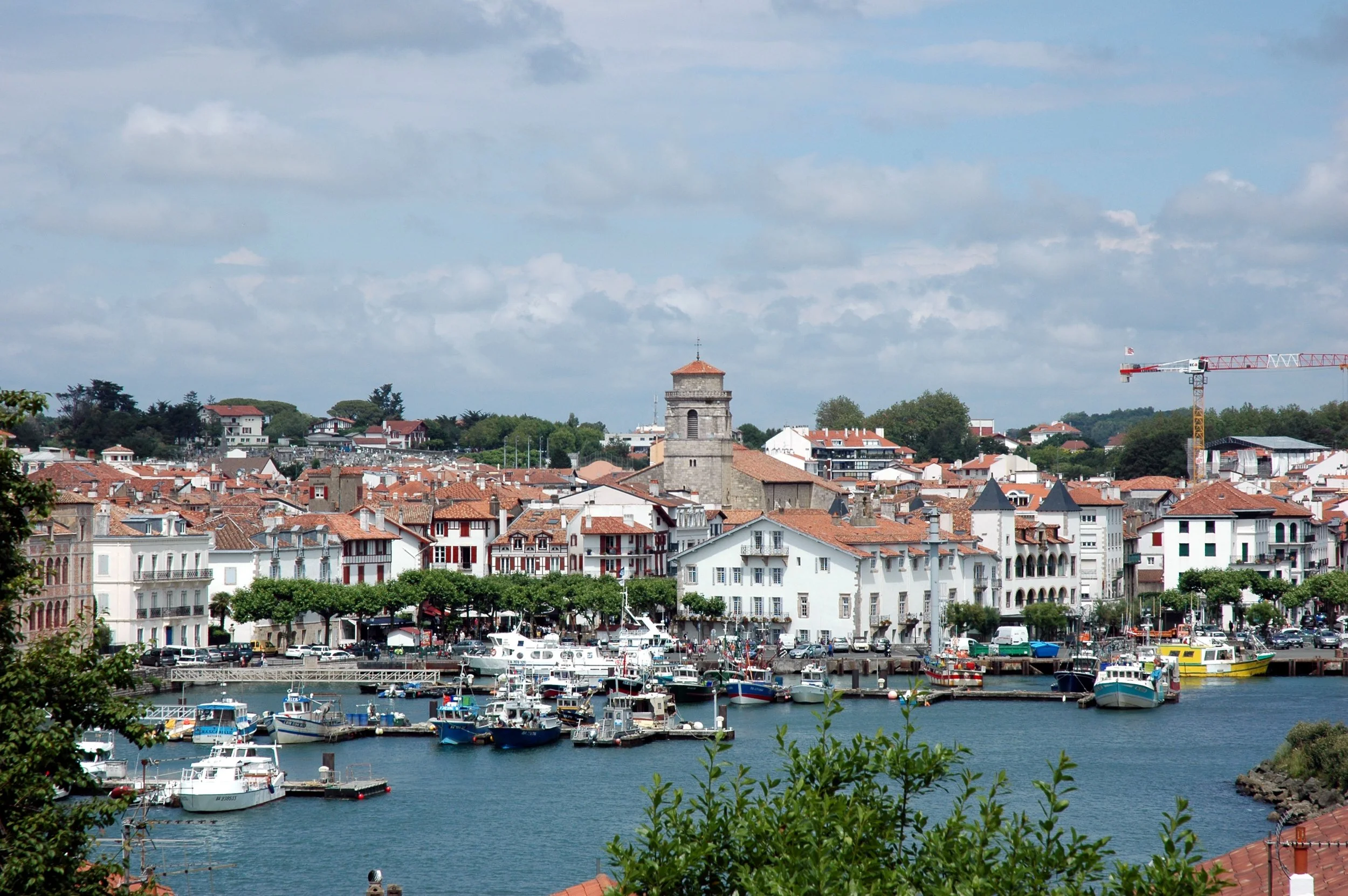
Image courtesy of Saint-Jean-de-Luz Tourisme.
Historic Centre & Port | Around 10 minutes' walk from Thalazur Saint-Jean-de-Luz
The best way to get to know Saint-Jean-de-Luz is simply to walk. The historic centre is compact enough that you can explore it comfortably on foot, but there is enough to see that I found myself taking my time rather than trying to follow a strict sightseeing route.
I particularly enjoyed wandering around the area surrounding Place Louis XIV, which is effectively the heart of the old town. The square is surrounded by elegant historic buildings, cafés and restaurants, while the pedestrianised Rue Gambetta leads away towards shops and other parts of the centre. From here, it is easy to continue towards the harbour, where colourful fishing boats sit alongside the old houses that once belonged to wealthy shipowners.
The Maison Louis XIV is one of the most interesting buildings to look out for, particularly because of its connection to the royal wedding. The seventeenth-century house was built for the shipowner Joannis de Lohobiague and later became known as the Maison Louis XIV after the young king stayed there in 1660. Nearby, you'll also find the Maison de l'Infante, where Maria Theresa stayed before her marriage.
I also made time to visit the Church of Saint-Jean-Baptiste, where the royal wedding took place. Its impressive seventeenth-century retable is one of the interior highlights, but for me the historical significance made the visit particularly interesting. Walking through the same church where Louis XIV and Maria Theresa were married more than 350 years ago gives the town a connection to French history that you don't necessarily expect when arriving for a beach holiday.
Allow: 2–3 hours.
Best for: History, architecture, photography and discovering the traditional side of Saint-Jean-de-Luz.
2. Enjoy the Grande Plage and Coastal Walk
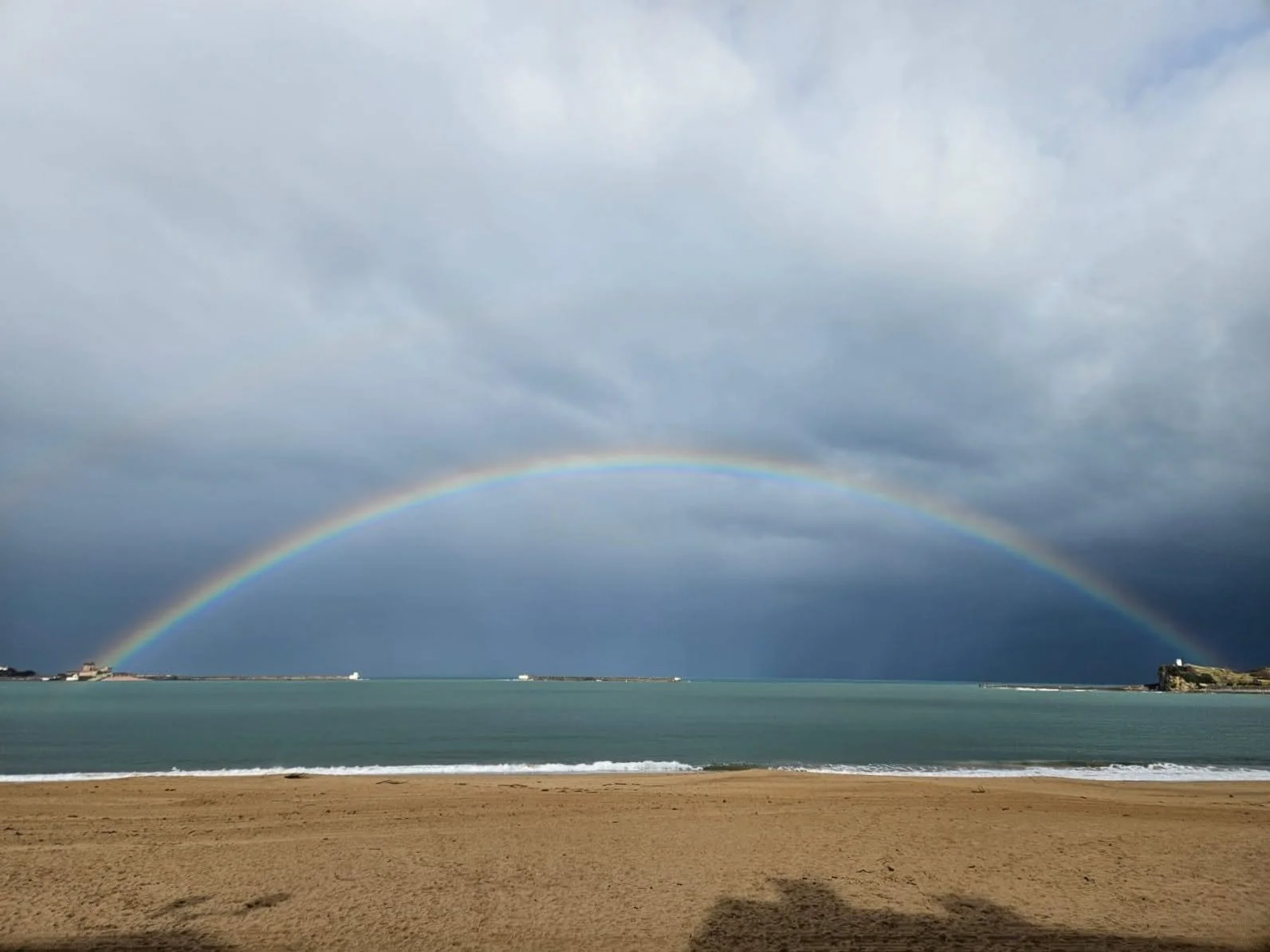
Image courtesy of Saint-Jean-de-Luz Tourisme.
Grande Plage | Around 15 minutes' walk from Thalazur Saint-Jean-de-Luz
After spending time exploring the historic centre, the obvious next stop is the Grande Plage. The beach curves gently around the sheltered bay, creating a much calmer atmosphere than some of the more exposed beaches along the Atlantic coast.
What I enjoyed was how closely the beach is connected to the town. You don't need to plan a separate beach day because you can easily combine a walk along the waterfront with sightseeing, shopping and lunch in the centre. The promenade is lined with distinctive Basque houses, cafés and restaurants, while the bay provides a beautiful backdrop throughout the day.
I took my time walking along the waterfront and simply enjoyed watching the boats moving around the bay and the changing light over the water. After spending so much time travelling from one destination to another, it was nice to have somewhere where I could put the itinerary aside for a while and just enjoy the surroundings.
The beach is also a reminder of how Saint-Jean-de-Luz developed into a seaside resort during the Belle Époque, when the town became increasingly popular with visitors looking for the combination of Atlantic scenery, elegant architecture and a more relaxed coastal lifestyle.
Allow: 1–2 hours.
Best for: Beach walks, swimming, photography and enjoying the relaxed side of Saint-Jean-de-Luz.
Best Breakfast: Horizon Brunch
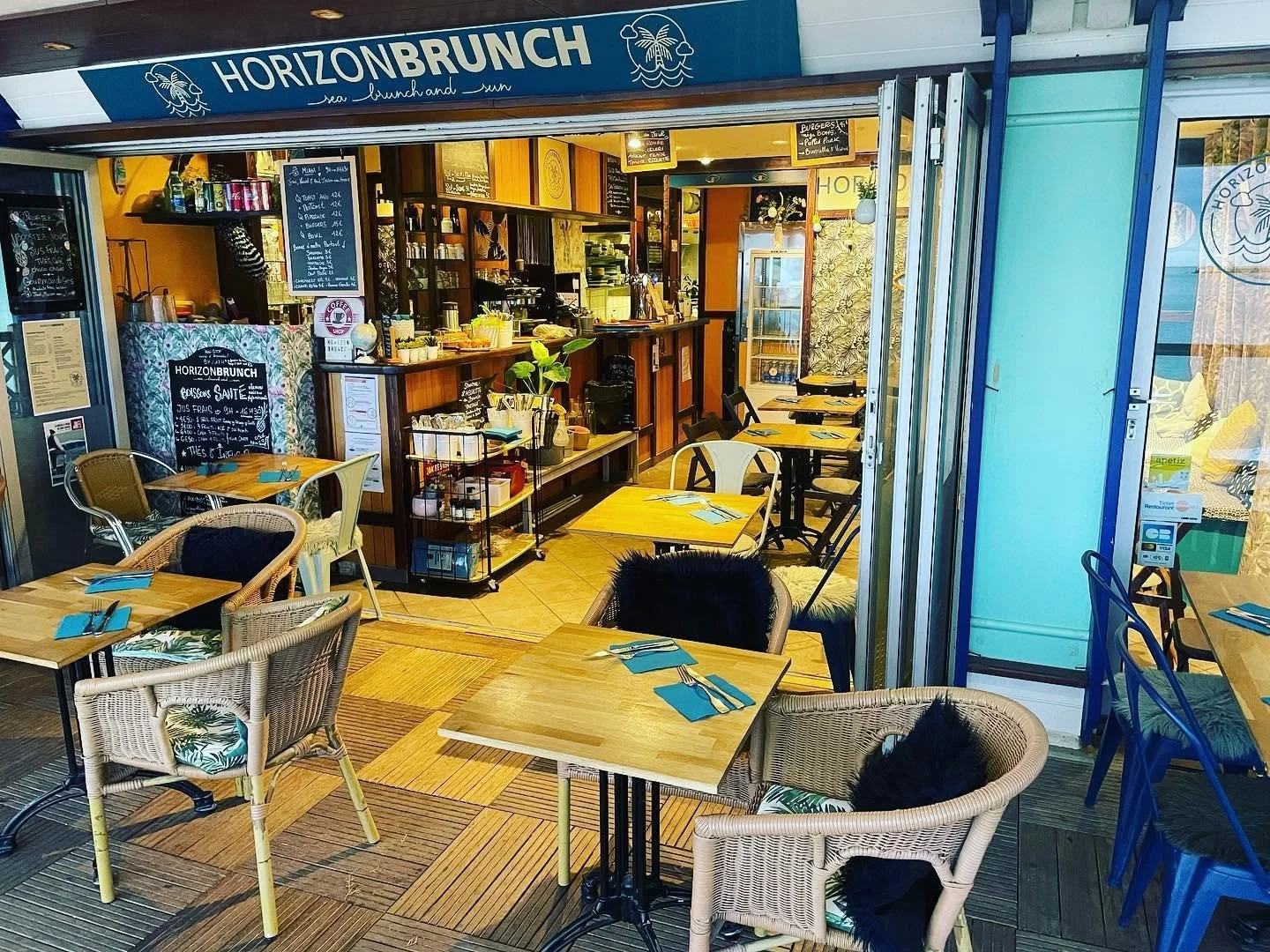
Image courtesy of Horizon Brunch.
22 Rue Joseph Garat | Around 10 minutes' walk from Thalazur Saint-Jean-de-Luz
For breakfast, I chose Horizon Brunch, a popular spot in the centre of Saint-Jean-de-Luz that has built an excellent reputation for relaxed breakfasts and brunch-style dishes. It has the kind of casual atmosphere that works particularly well in the morning, when you're looking for somewhere comfortable to sit down with a good coffee before heading out to explore.
I ordered avocado toast with poached eggs and a flat white, which gave me exactly the kind of substantial breakfast I wanted before spending the morning walking around town. The menu has plenty of options if you're looking for something sweet instead, including pastries and other breakfast favourites, so there is enough variety to make it an easy recommendation for different tastes.
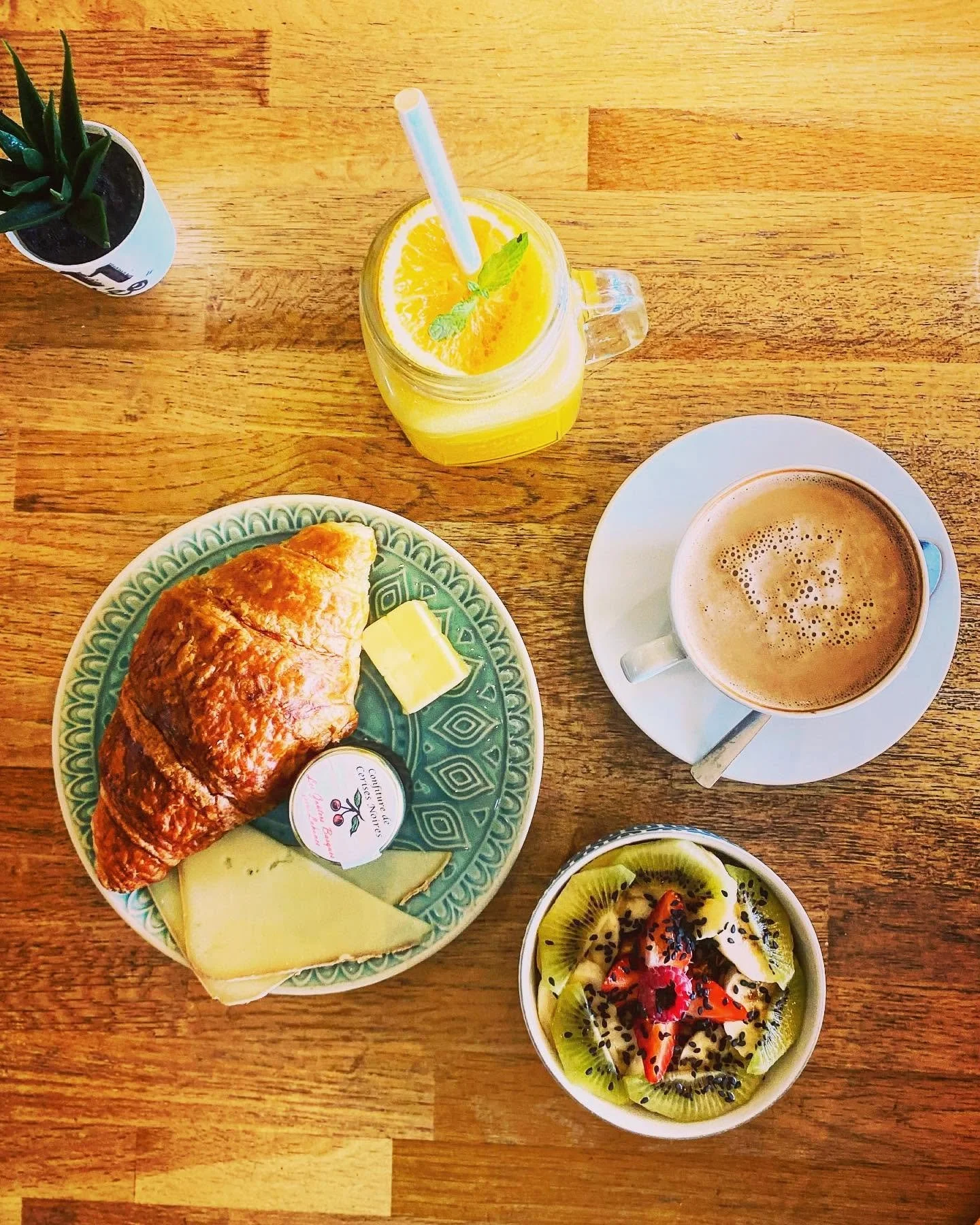
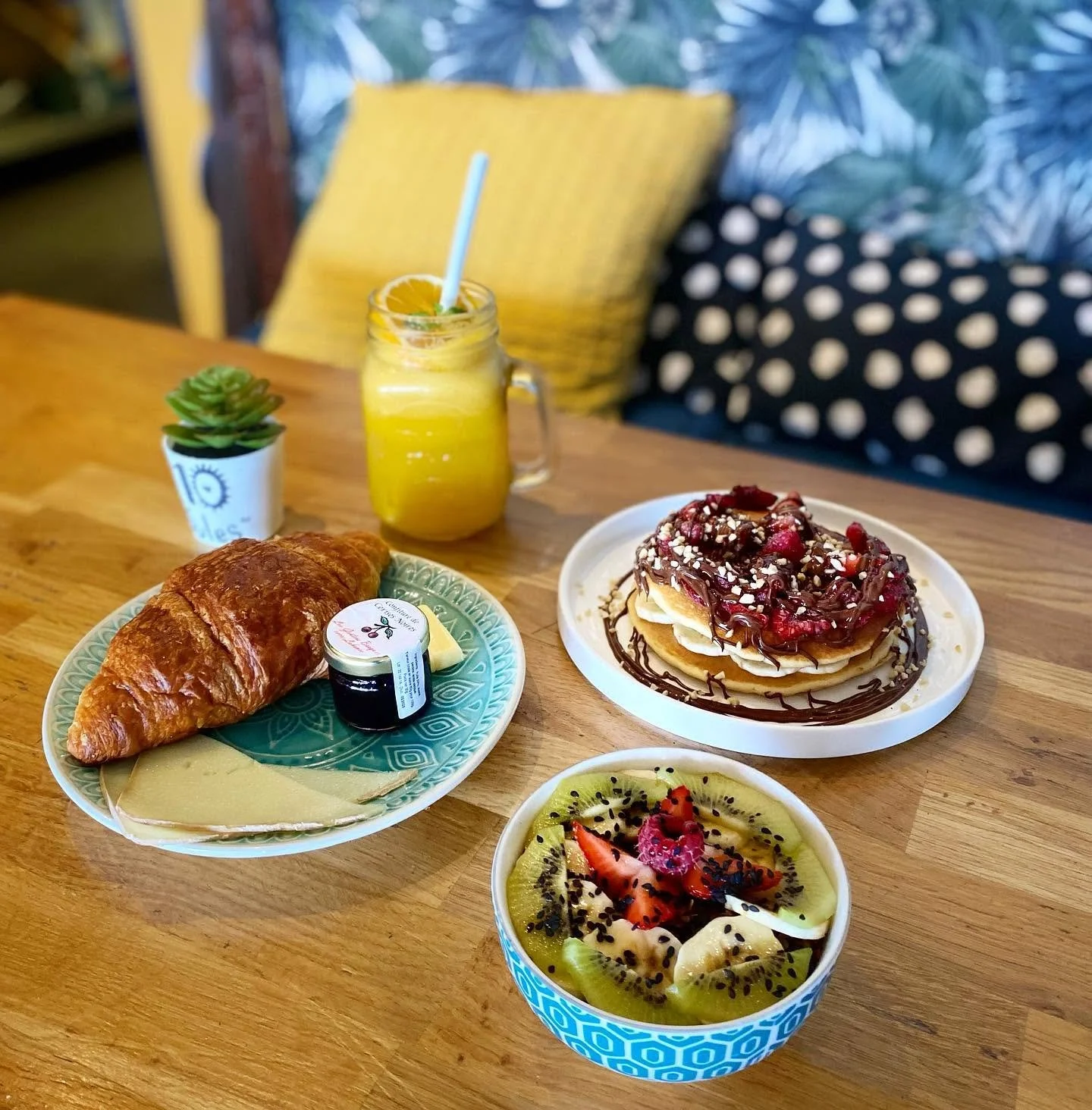
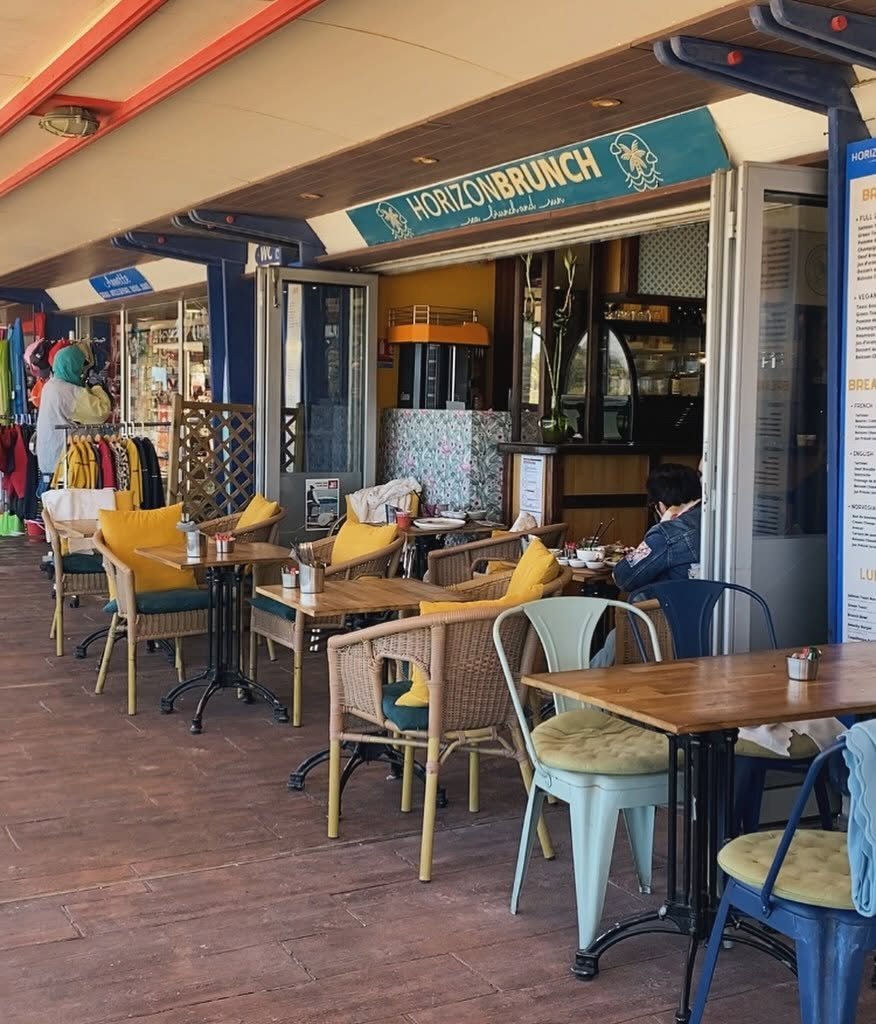
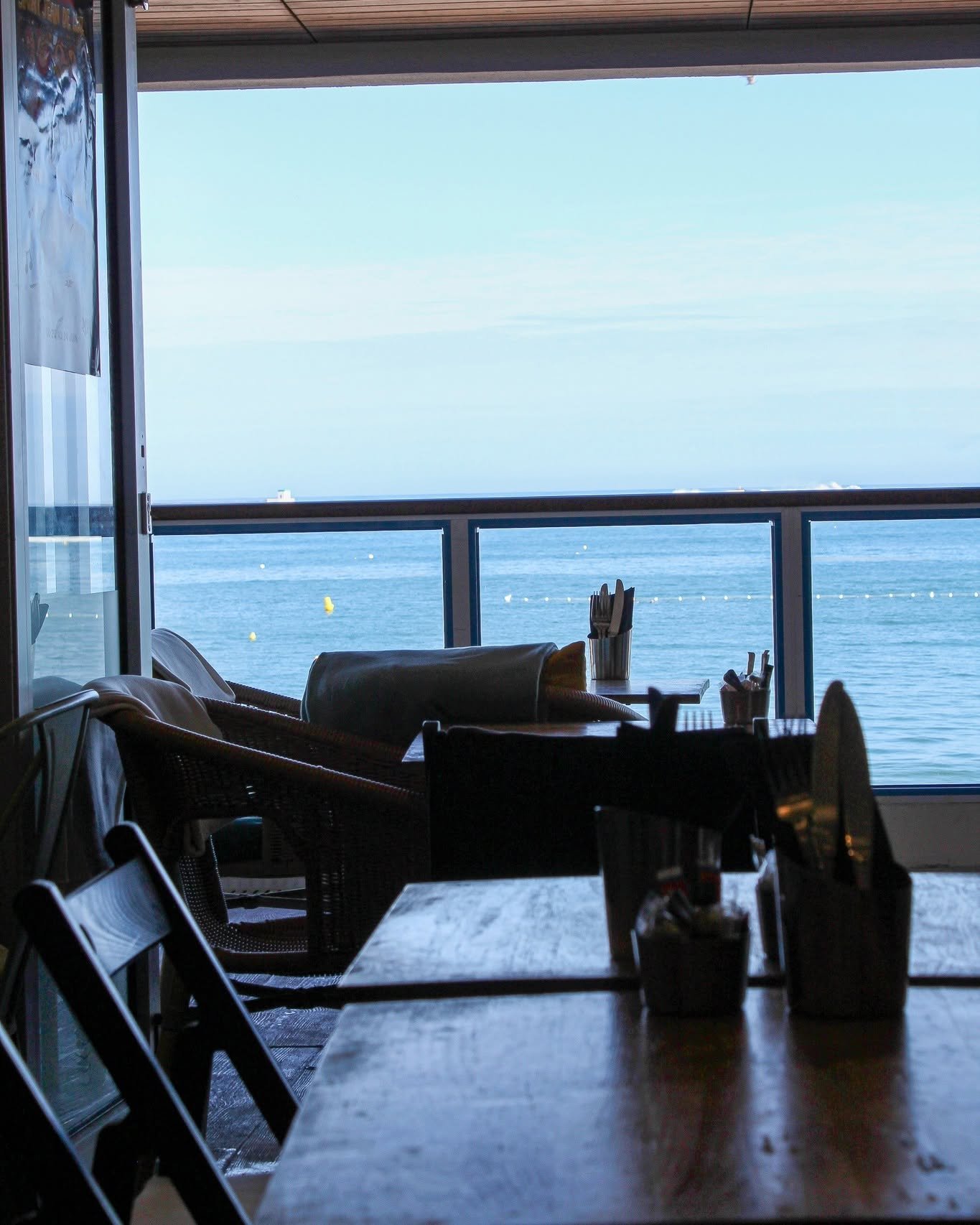
What I liked most was the relaxed feel. There was no reason to rush through breakfast, and the location made it easy to continue towards the historic centre and harbour afterwards. With its central location and extensive opening hours, it's a particularly convenient choice if you want breakfast before a full day of sightseeing.
Best for: Relaxed breakfasts, brunch dishes and good coffee.
Best Lunch: Toki Goxoa
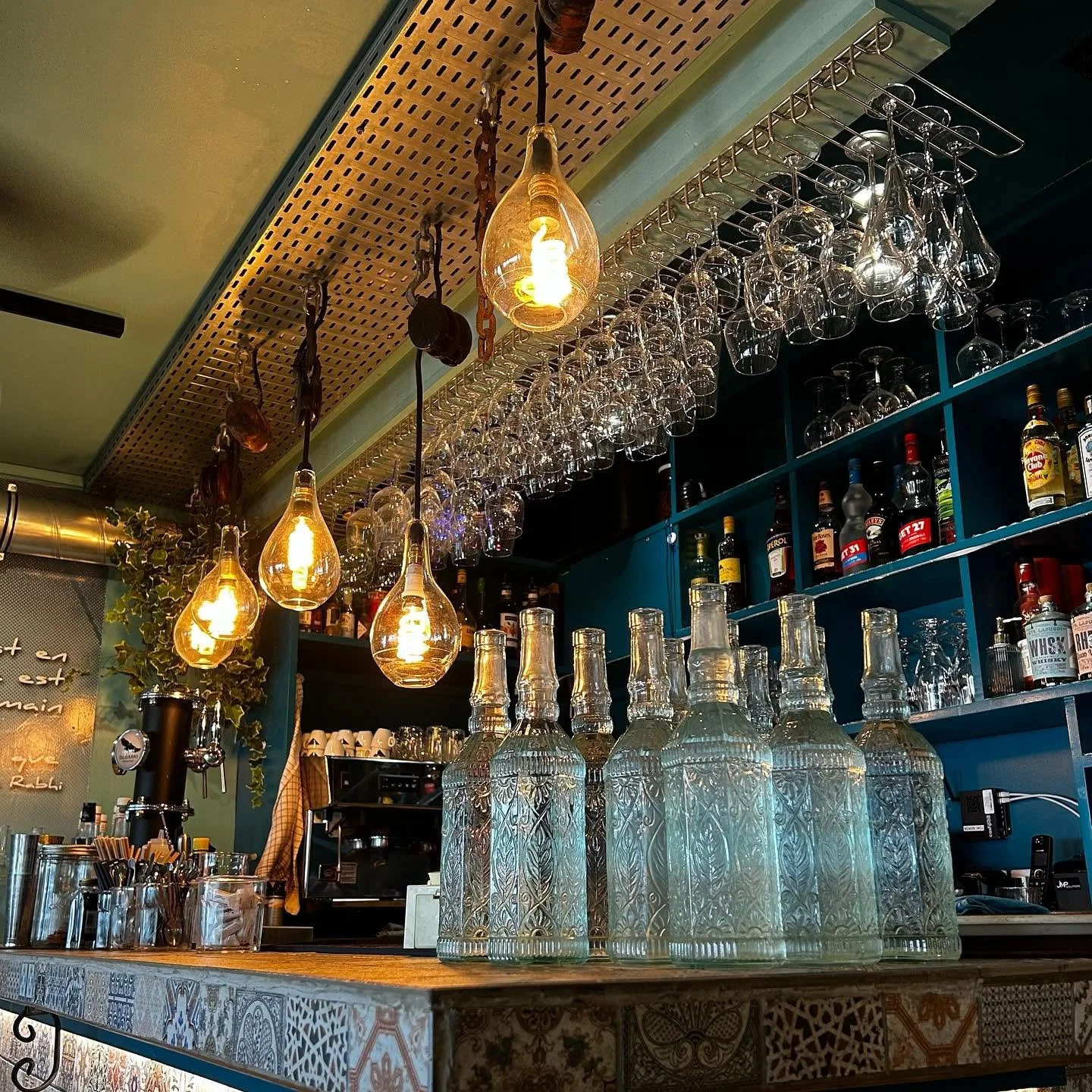
Image courtesy of Toki Goxoa.
Galerie La Pergola, Place Maurice Ravel | Around 12 minutes' walk from Thalazur Saint-Jean-de-Luz
For lunch, I wanted somewhere that captured the flavours of the Basque Country without turning the meal into a formal occasion, and Toki Goxoa was a great fit. Located close to the waterfront and historic centre, the restaurant focuses on traditional Basque flavours and offers the kind of relaxed atmosphere that makes it easy to settle in for a long lunch.
I started with a selection of local pintxos before ordering grilled fish with seasonal vegetables. The seafood was fresh and simply prepared, allowing the natural flavour of the fish to come through, while the accompanying vegetables made the dish feel light enough for an afternoon of exploring.
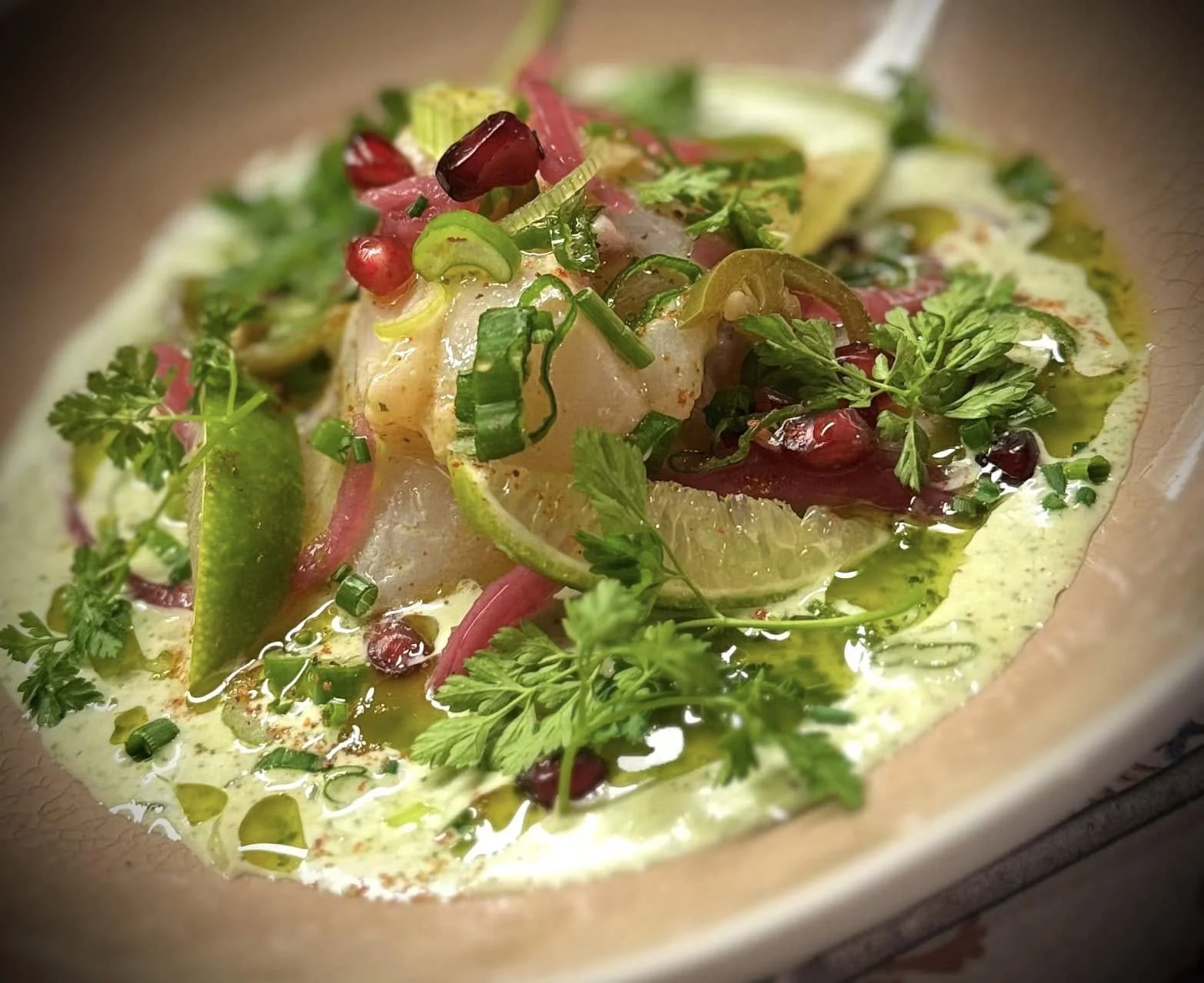

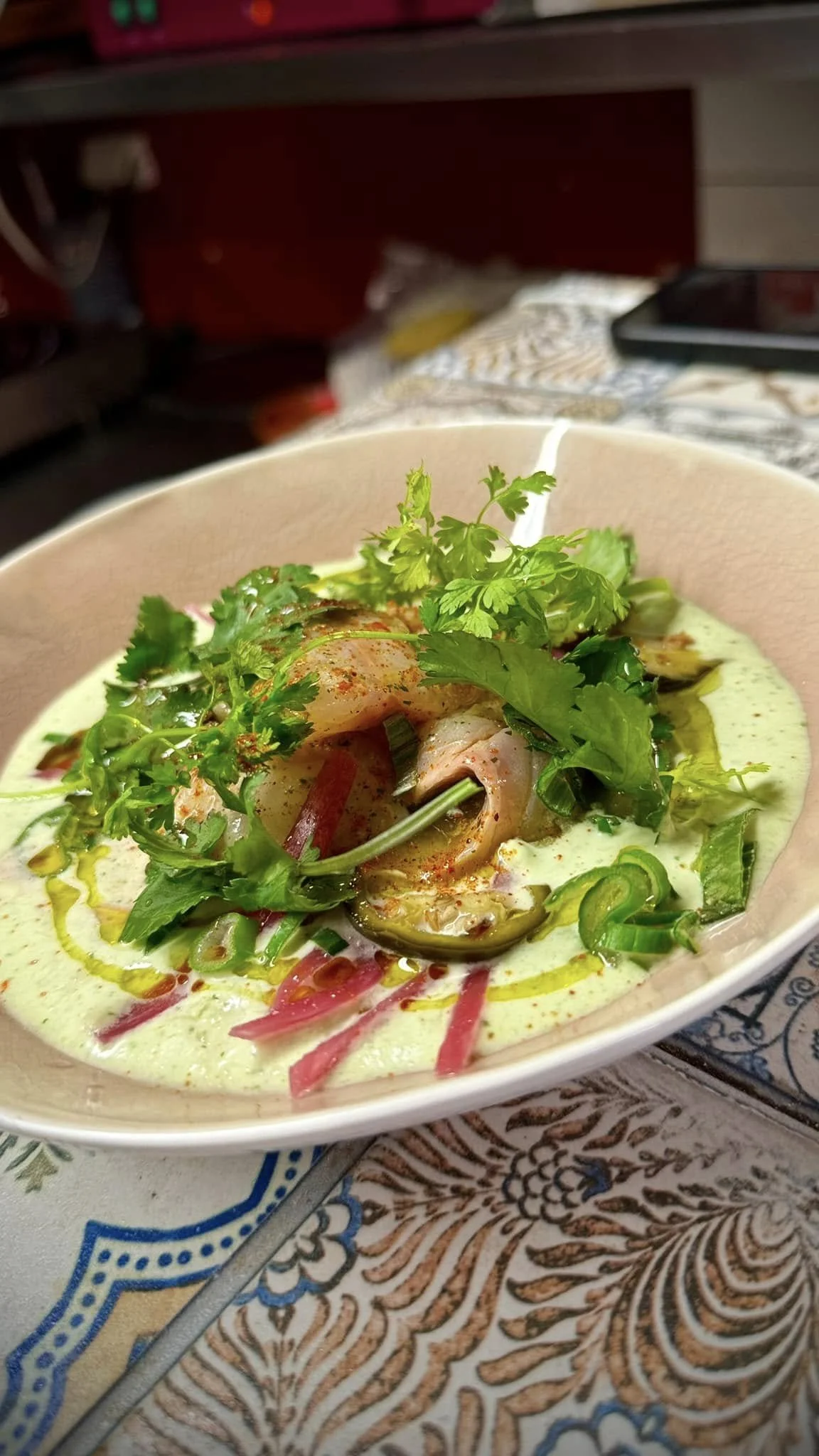
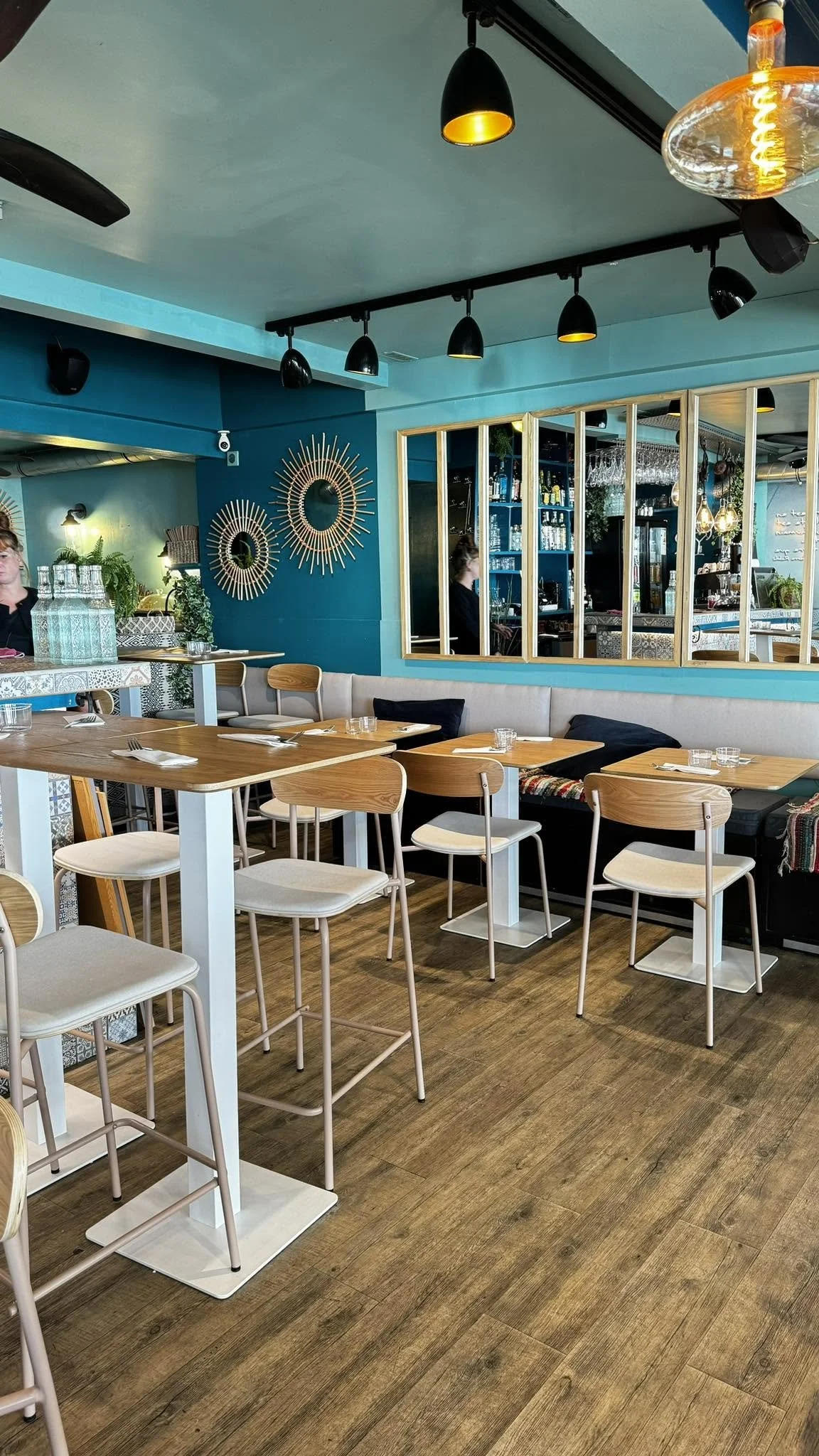
What I particularly enjoyed was the combination of location and atmosphere. After spending the morning walking around the old town, sitting down for a relaxed Basque lunch felt like the natural thing to do. It was traditional without being old-fashioned, and the menu gave me a chance to enjoy some of the regional flavours that make this part of France so distinctive.
Best for: Traditional Basque cooking, pintxos and a relaxed lunch in the centre.
Best Dinner: Zoko Moko
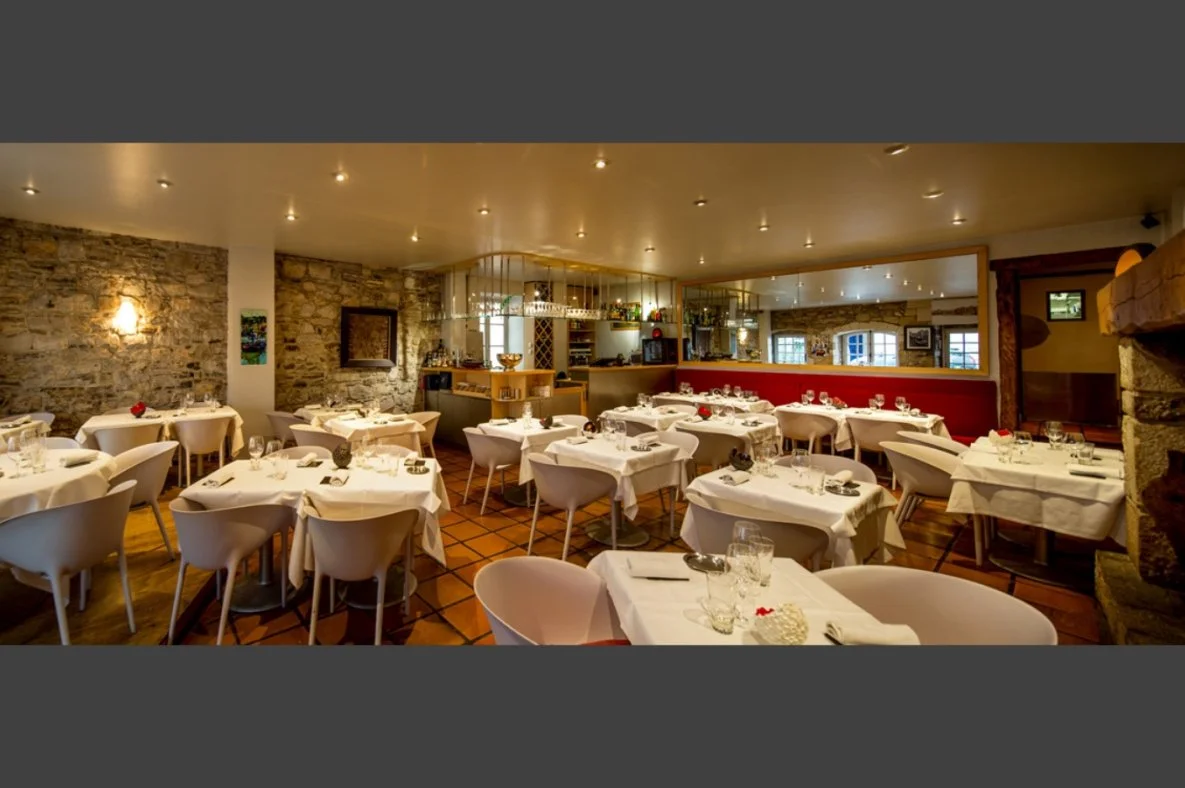
Image courtesy of Zoko Moko
6 Rue Mazarin | Around 10 minutes' walk from Thalazur Saint-Jean-de-Luz
For my final dinner in Saint-Jean-de-Luz, I chose Zoko Moko, a restaurant in the historic centre that offers a more refined take on Basque and French cooking. The restaurant has earned a strong reputation for its seasonal cuisine, and it felt like a fitting place to finish my stay.
The dining room is intimate and understated, creating an atmosphere that feels special without becoming overly formal. The menu changes according to the seasons and availability of local ingredients, which means there is a strong emphasis on freshness rather than relying on a long list of dishes.
I chose a selection of seasonal seafood to start, followed by a beautifully cooked piece of local meat, with vegetables and a carefully prepared sauce accompanying the main course. Dessert and a decaf coffee rounded off the evening, and the meal was a reminder of how well the French and Basque culinary traditions work together in this part of the country.
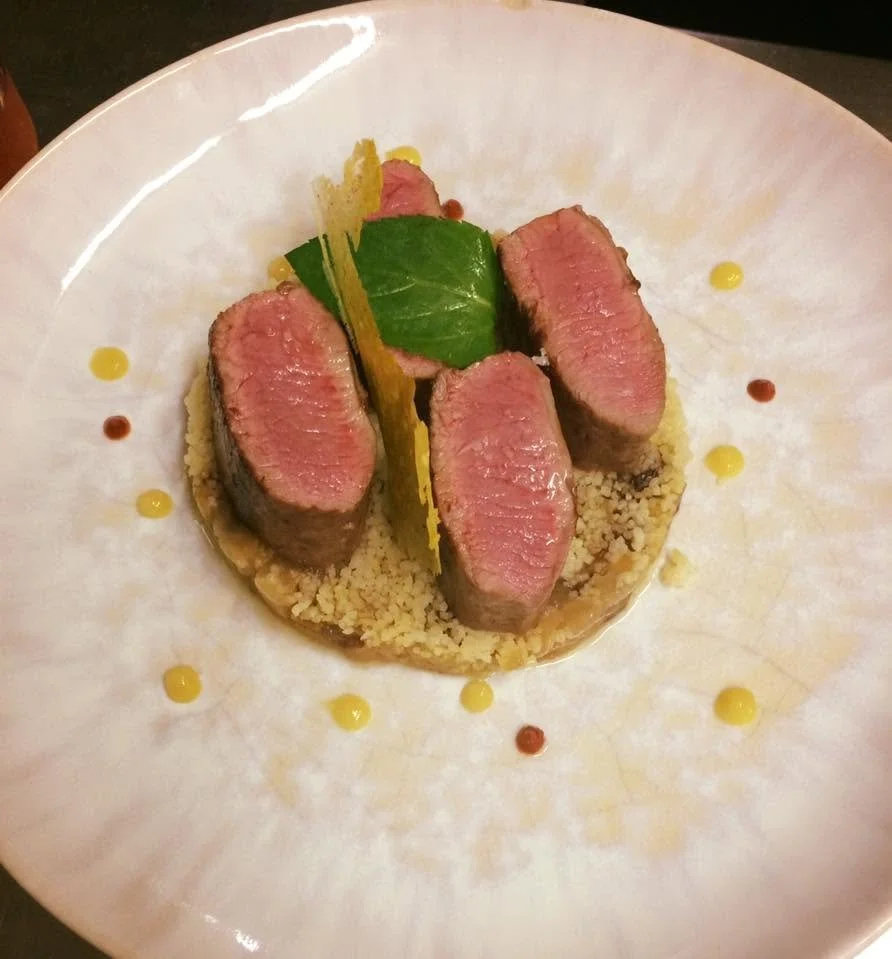
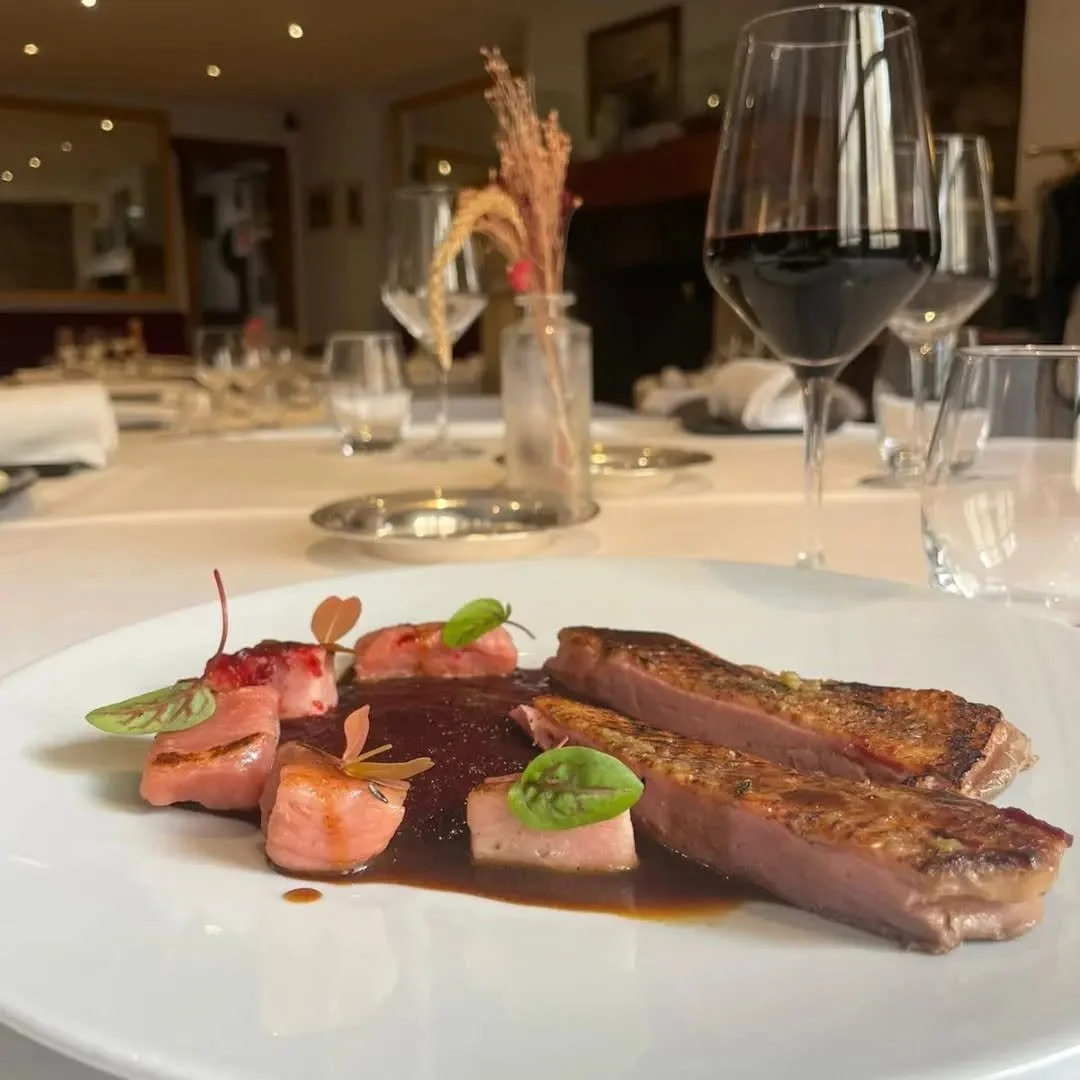
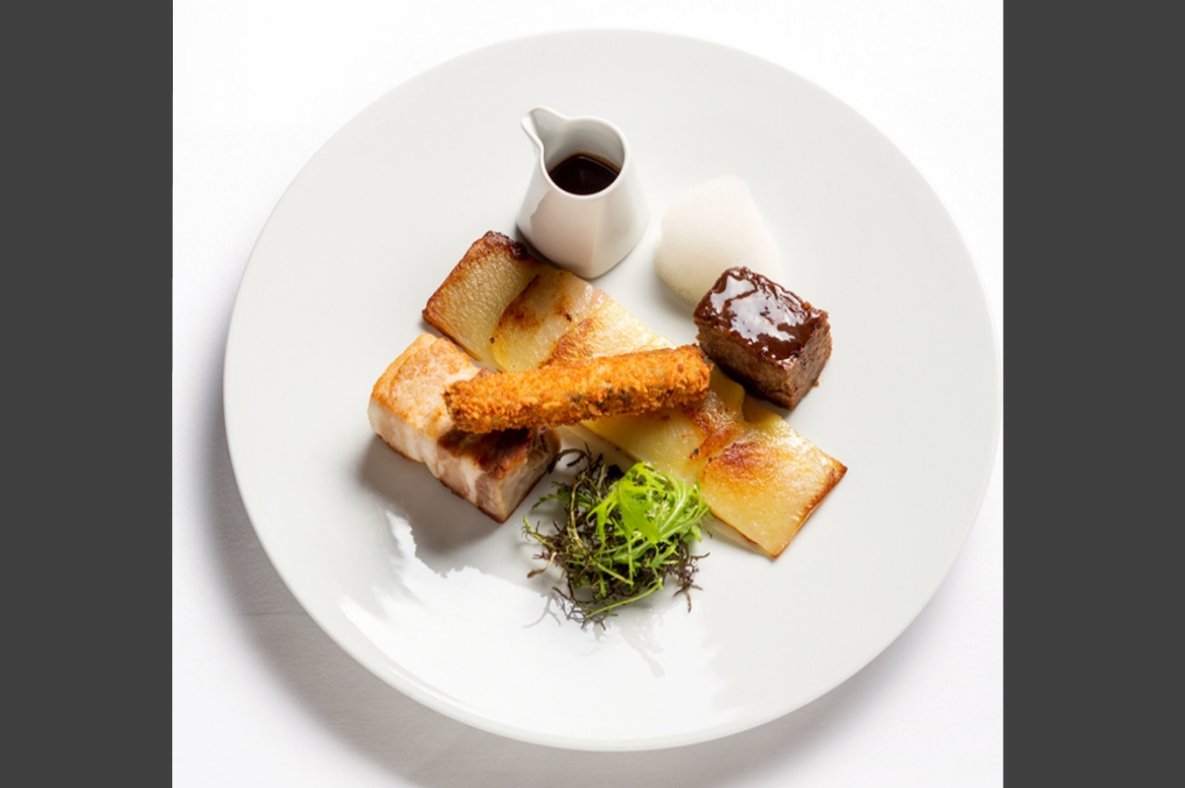
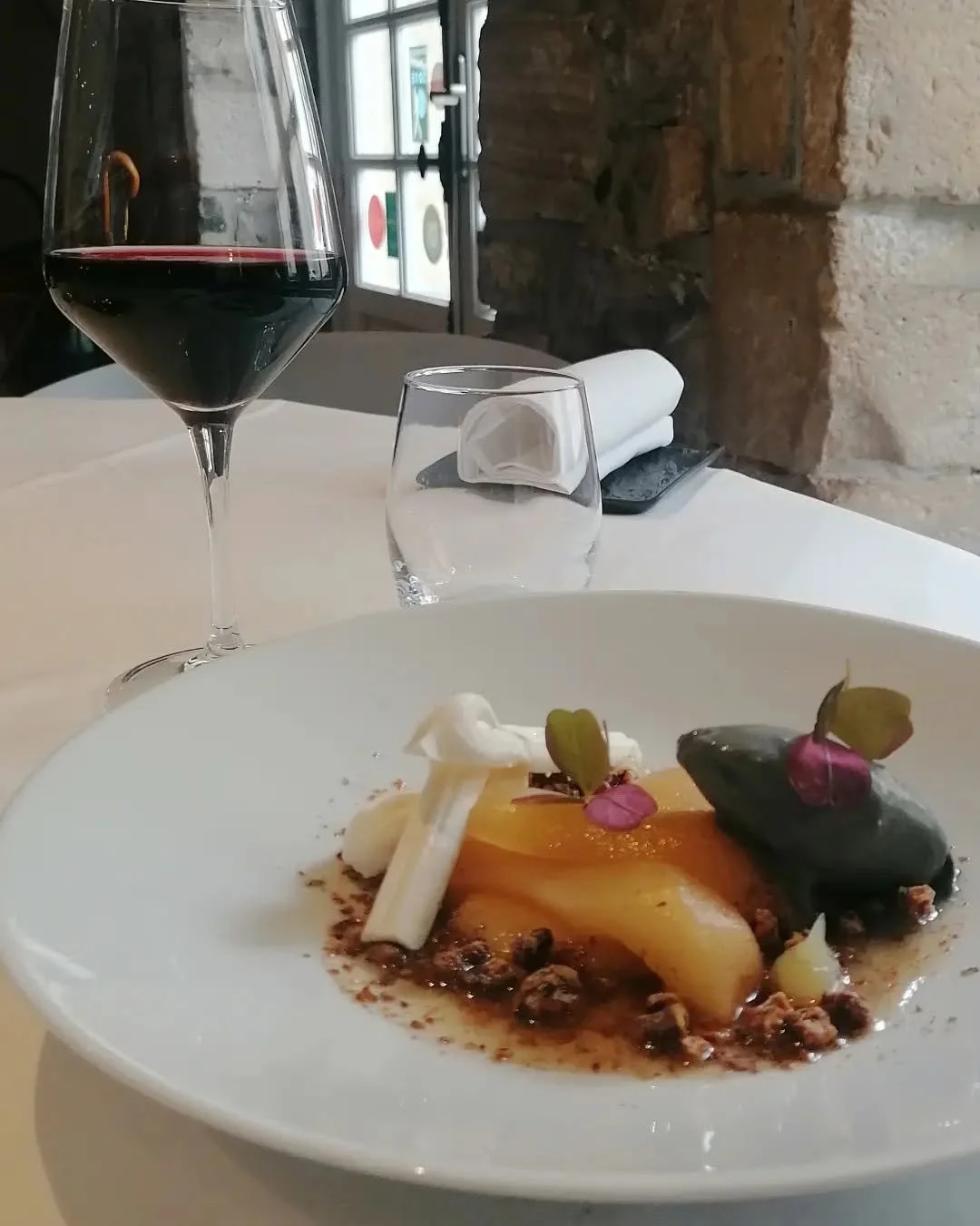
After several weeks of travelling through Spain and France, I had eaten my way through quite a few memorable restaurants, but Zoko Moko was a particularly enjoyable final dinner because it felt both sophisticated and connected to the region.
Best for: Refined Basque cuisine, seasonal ingredients and a memorable final dinner.
Why I Enjoyed Saint-Jean-de-Luz
Saint-Jean-de-Luz was one of those destinations where I quickly understood that the best way to experience it is not to over-plan your time. The town is small enough to explore comfortably on foot, but there is enough history, food and coastal scenery to keep you interested for several days. I could spend the morning exploring seventeenth-century buildings and the fishing port, have lunch in the historic centre and then finish the afternoon walking beside the bay without ever needing to get back in the car.
What makes the town particularly appealing is the way its history remains part of everyday life. The old fishing port is still active, the historic houses are still standing, and the church where Louis XIV married Maria Theresa remains one of the town's most important landmarks. At the same time, the beaches, restaurants and cafés give Saint-Jean-de-Luz a relaxed modern energy that makes it feel like a place people genuinely enjoy living in rather than simply somewhere built for tourists.
After spending three days here, I left with the feeling that Saint-Jean-de-Luz had been one of the more understated highlights of my French Basque Coast trip. Biarritz has the glamour and surfing reputation, but Saint-Jean-de-Luz has a quieter charm that I found particularly appealing. If you're travelling along this part of France, I'd definitely make time for it rather than treating it as a quick stop between destinations.