Four Ways to Own the Ocean in Tamarindo
Sponsored by Cramp Defense, the magnesium supplement that keeps me moving whether I'm paddling into waves or hauling in fish on the Pacific.
I'll be honest with you. Before this trip, my relationship with the ocean in Tamarindo was pretty casual. I'd walk down to the beach, order a coffee from one of the spots near the water, watch the surfers do their thing, and head back to my laptop feeling mildly inspired and slightly guilty.
That changed in March. Between the days I was exploring the jungle (waterfalls, ATVs, ziplines, all covered in a separate post), I kept finding myself staring at the Pacific wondering what was actually out there. So I booked four ocean adventures across the month and let the water do the rest.
Surfing, snorkelling, deep sea fishing, and a sunset catamaran cruise. Four completely different ways to experience the same stretch of ocean. And every single one of them delivered something the beach chair couldn't.
Surfing: The Humbling One
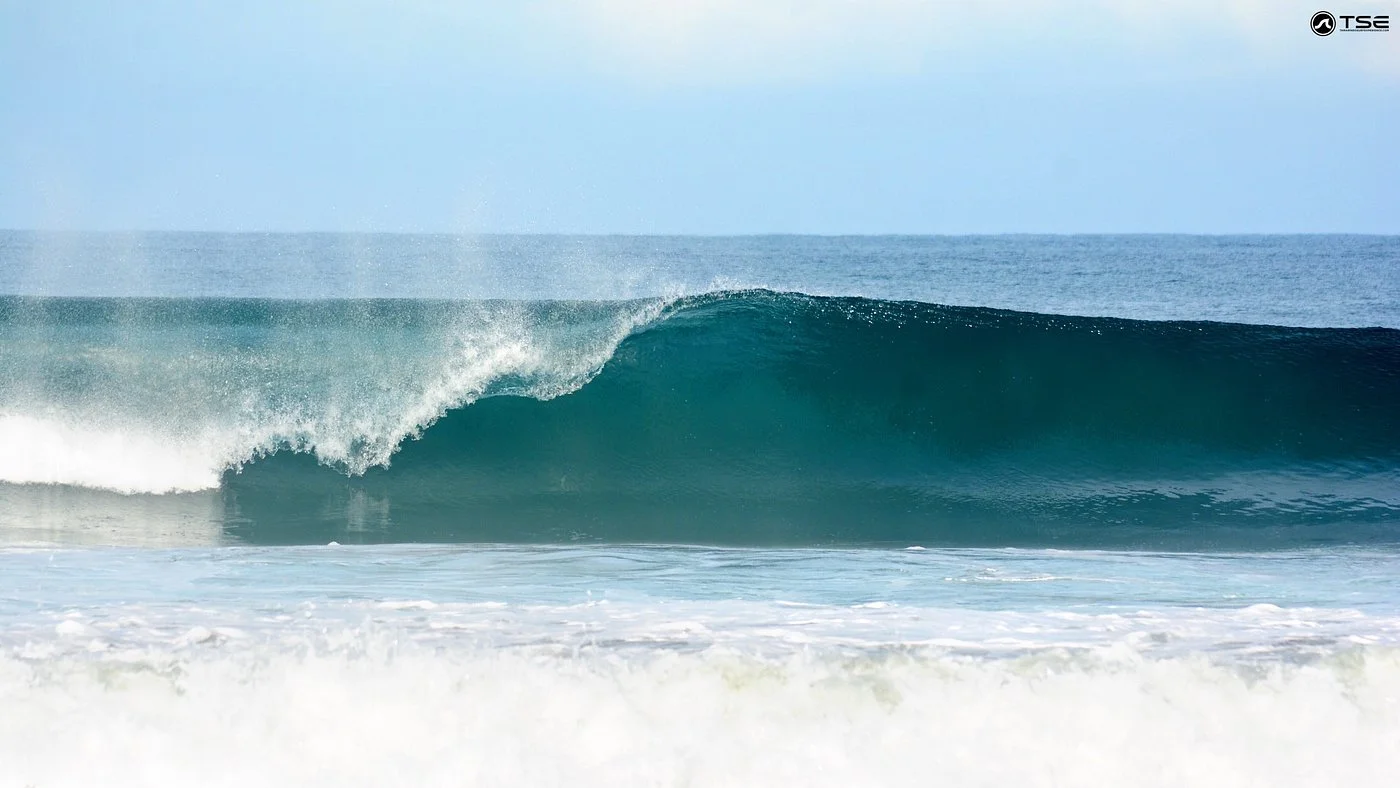
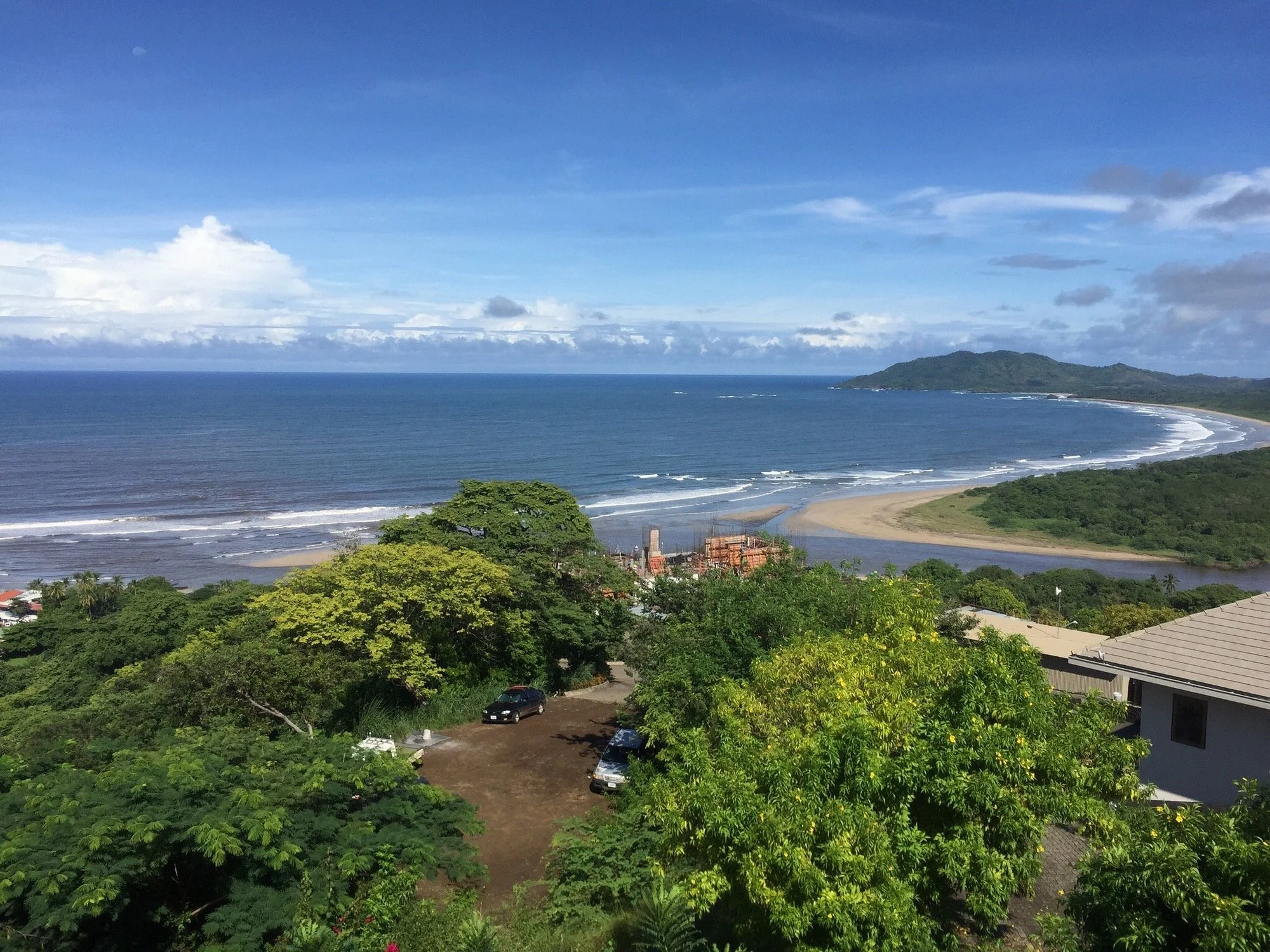
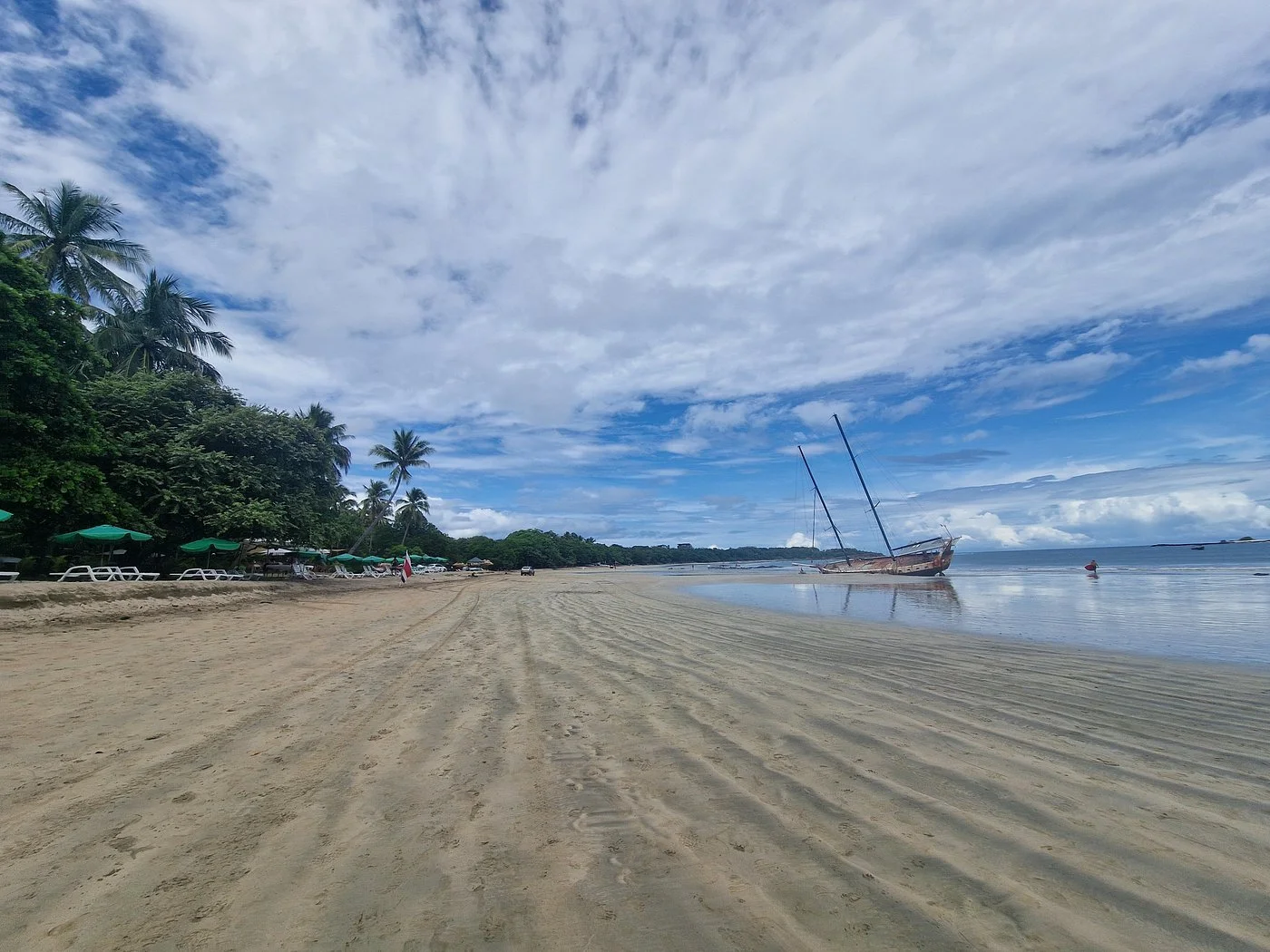
Let's get this out of the way immediately. I am not a surfer. I was not a surfer before this lesson. I am also not a surfer after this lesson. But somewhere in the middle, for about three seconds, I was standing on a board while a wave pushed me toward the shore, and I can tell you with complete honesty that it is one of the better feelings I have experienced as a 42-year-old man. Tamarindo is genuinely one of the best places in the world to learn to surf, and that's not marketing copy. The beach break here is sandy, consistent, and forgiving in a way that more famous surf spots simply are not. The water is warm (no wetsuit needed in March), the waves in the main break are manageable, and there are surf schools everywhere with instructors who have been teaching people like me to stand up on a board since before I had grey in my hair.
The Lesson
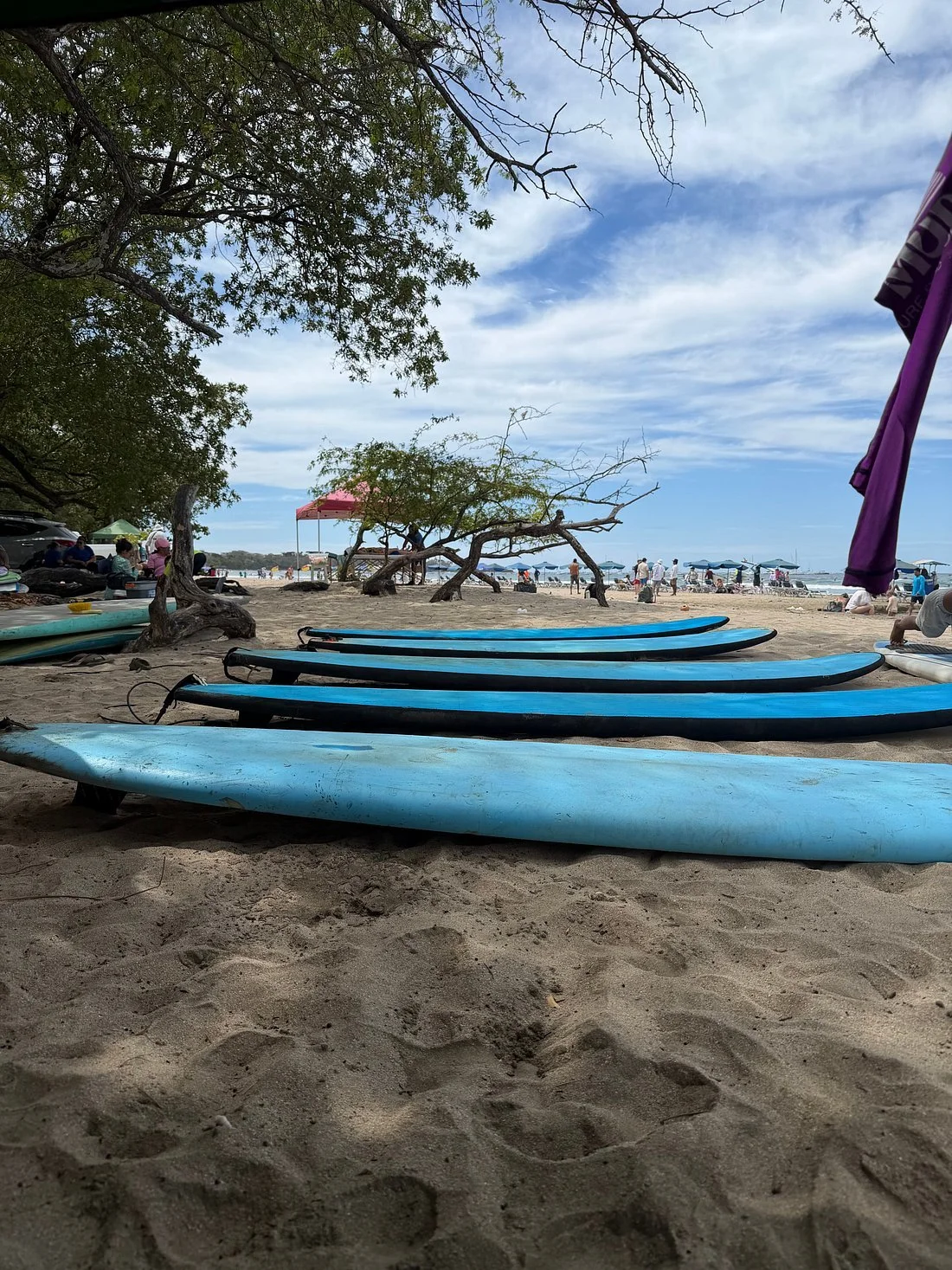
I went with a private lesson, which I'd recommend over a group class if you're a first-timer or out of practice. You get more water time, more direct feedback, and nobody watching you wipe out repeatedly except your instructor, which is a meaningful distinction. The lesson starts on the beach. About 20 minutes of drills on the sand: learning the pop-up (the move where you go from lying flat to standing), finding your stance, understanding how to read the approaching wave and time your paddle. It sounds overly simple. It isn't.
Then you go in the water. And the ocean, very quickly, reminds you that it has its own ideas about what you're doing. The first few attempts are mostly foam and confusion. You paddle, the wave hits, you either don't get up in time or you get up and immediately fall sideways in a way that feels ungraceful but is apparently completely normal. Your instructor is in the water with you, helping you into the wave, reading the sets and pointing you at the right ones. And then, somewhere around attempt six or seven, something clicks. The timing lines up. You pop up. You're standing. The wave is moving underneath you. And for a few seconds you're not thinking about your inbox, your flights, your schedule, or anything else. You're just riding it.
What to Know Before You Book
Tamarindo's main beach break is ideal for beginners, but the surf conditions in the dry season (December through April) are particularly good because the offshore winds create cleaner, more consistent waves. March is a solid time to go. Private lessons run around $65 to $80 per person for a 2-hour session. Group lessons are around $45. All boards and rash guards are included. Book in advance during high season because the good instructors fill up fast. Go early morning. The beach is quieter, the light is better, and the waves before 10am tend to be cleaner than the afternoon chop. One thing I wasn't expecting: how physical a surf lesson is. Paddling into waves repeatedly for two hours is a serious upper body workout, and the paddle-out itself after wipeouts works muscles you didn't know needed working. My arms and shoulders were done by the time we finished. Took my Cramp Defense that evening and thanked myself for it.
Snorkelling: The Peaceful One
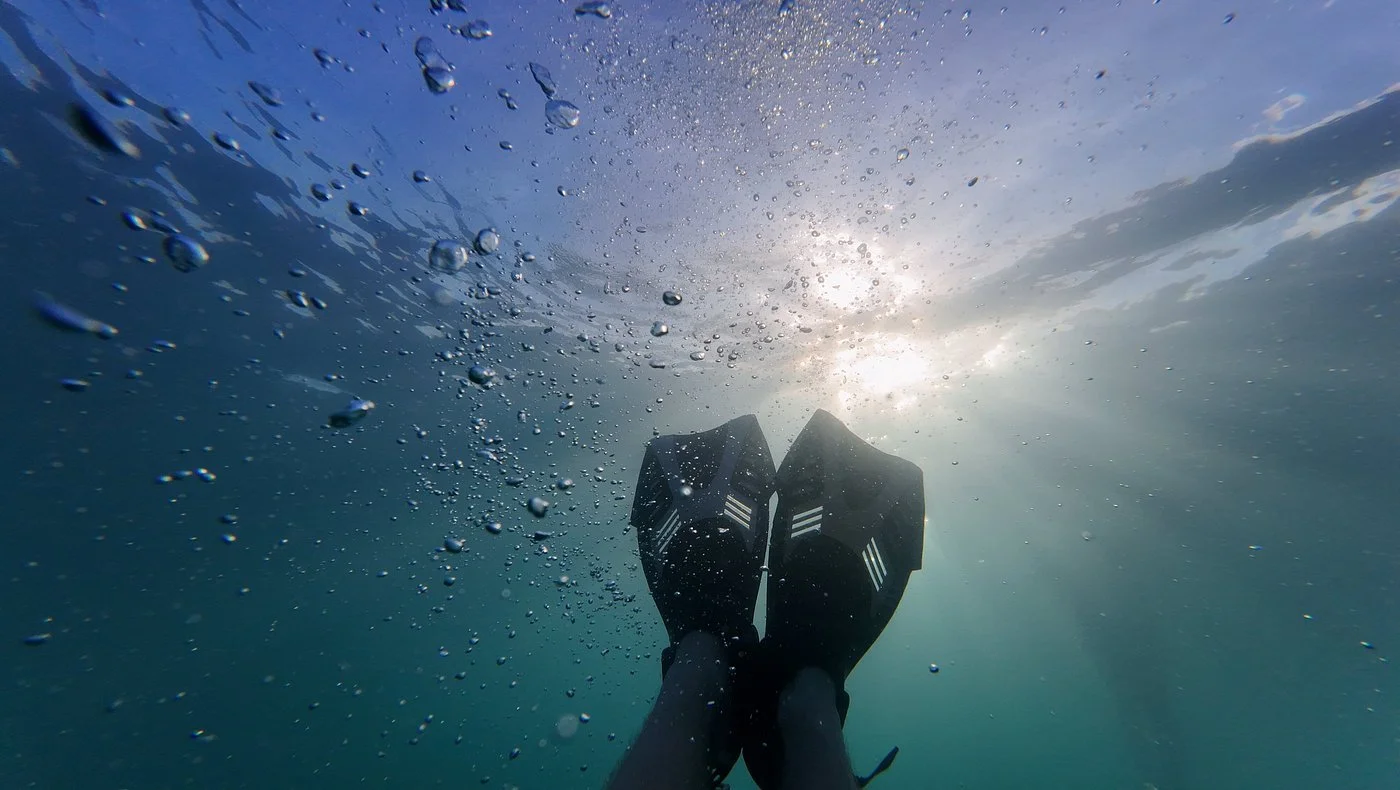
Surfing gets the attention in Tamarindo, and deservedly so. But the snorkelling, which most people don't even know exists here, is quietly excellent and completely different in character. You won't find the kaleidoscopic reef systems of the Caribbean here. The Pacific has its own thing going on, and if you go in expecting something different from what it is, you'll appreciate it properly.
Getting Out There
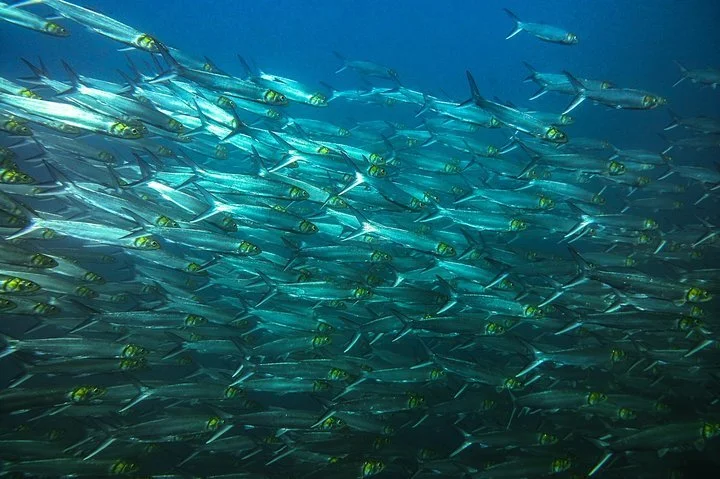
Most snorkelling in the Tamarindo area is done via boat, usually as part of a catamaran tour that heads north along the Guanacaste coast to quieter, more sheltered bays. The water clarity near the beach itself can be average depending on the surf, but get 20 minutes up the coast by boat and the conditions change significantly. The catamaran drops anchor in a protected bay, the crew hands out masks, fins and snorkels (all included), and you slip over the side into water that is, without fail, warmer than you expected and clearer than the main beach would suggest. What are you going to see? Schools of brightly coloured tropical fish moving through the water in formations that look choreographed. The occasional sea turtle, moving through at its own pace and paying you absolutely no attention. Rays gliding over the sandy bottom. Starfish in the shallows. If you're lucky and the conditions are right, dolphins following the boat on the way back.
Setting Expectations (Honestly)
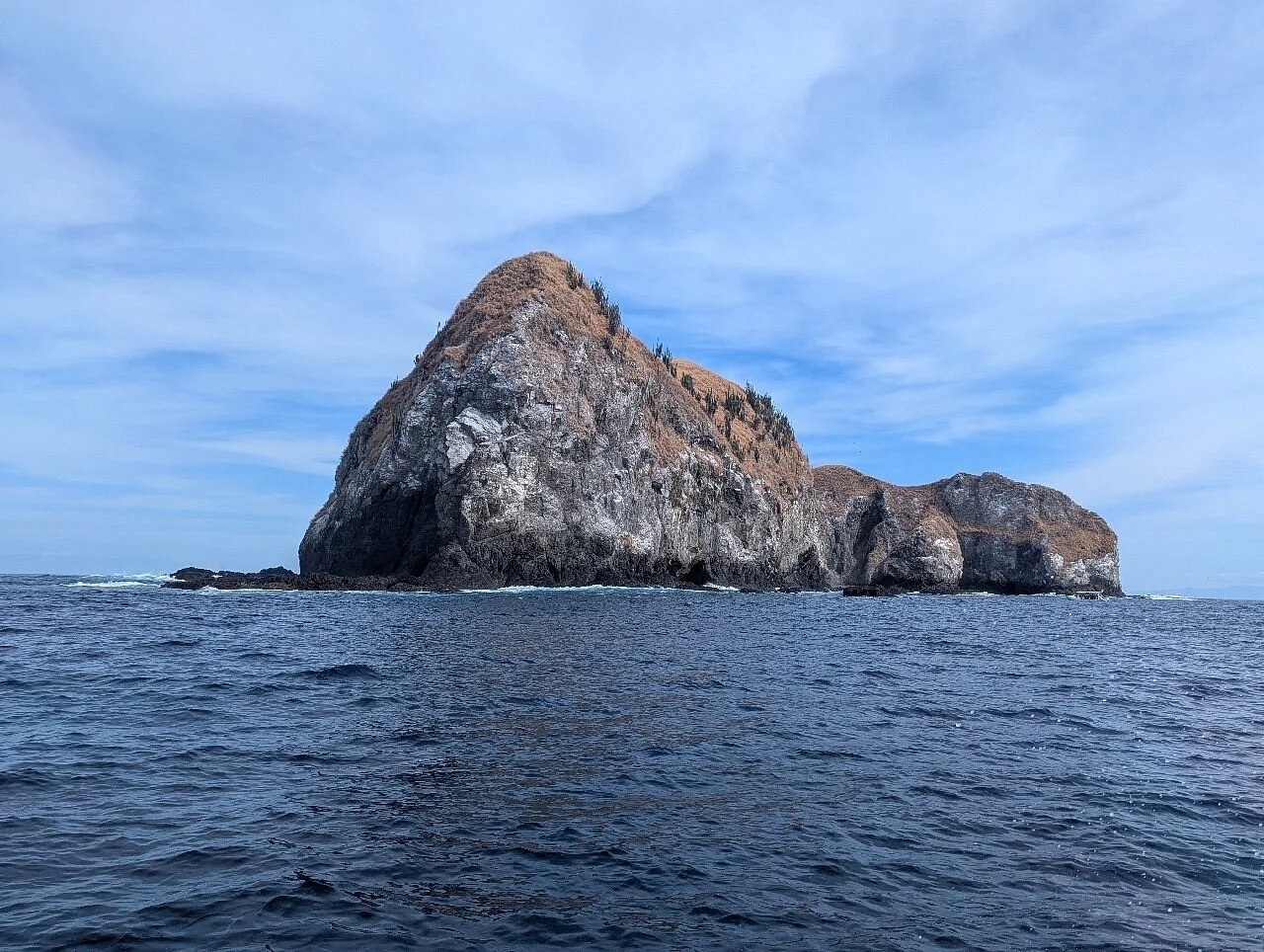
The snorkelling in Tamarindo is good, not great. If you've snorkelled in the Maldives or the Red Sea or the Great Barrier Reef, this isn't that. But if you approach it for what it is, a genuinely lovely hour floating in warm Pacific water surrounded by marine life and silence, it hits the spot perfectly. The best tip I can give: go face-down and just float. Don't splash around chasing things. Stay still, breathe slowly through the snorkel, and let the fish come to you. It takes about five minutes before you stop being a tourist and start actually watching. Cost, when bundled with a catamaran tour: roughly $95 to $115 per person including transport, equipment, food and the open bar.
Deep Sea Fishing: The Serious One
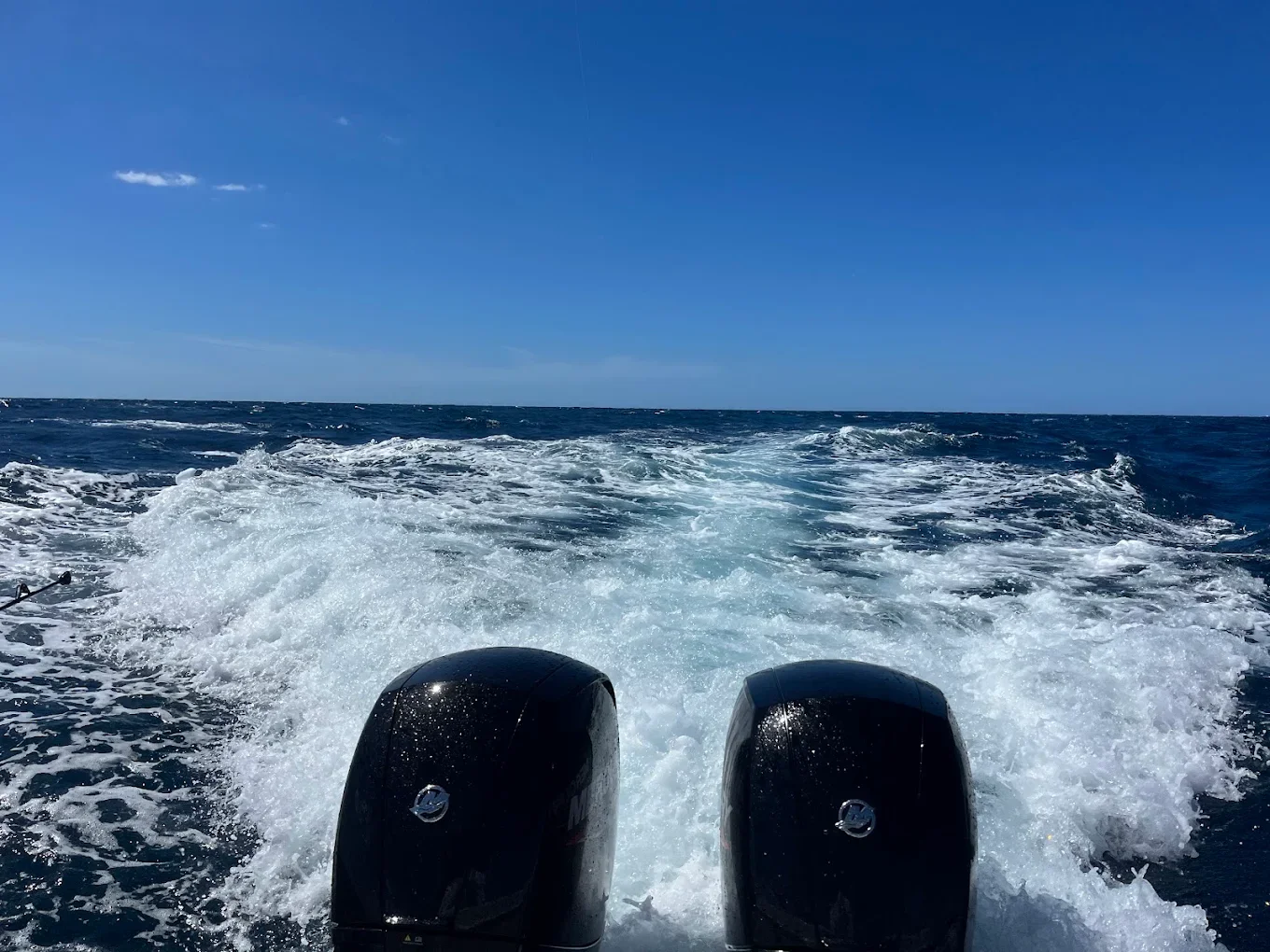
I want to be transparent here. I am not a fisherman. I have fished exactly twice in my adult life, neither time with any success or particular enthusiasm. I booked the deep sea fishing because it felt like something a man in his 40s on the Pacific coast of Costa Rica should experience at least once, and I figured even if I caught nothing, being offshore on the open Pacific would be worth the trip. It was absolutely worth the trip. And I caught fish.
The Setup
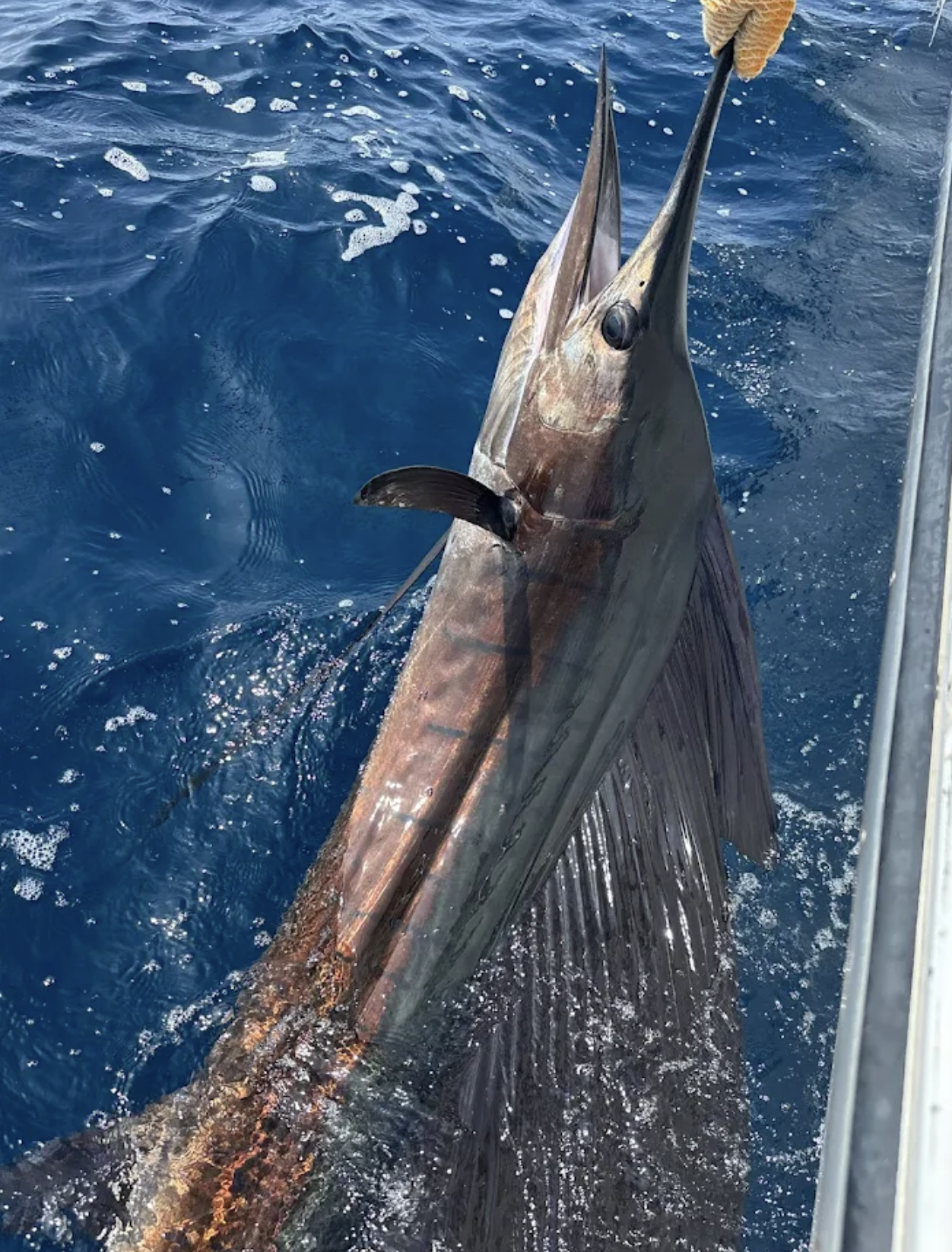
The boats depart from Tamarindo beach early, typically around 7am, which means you're watching the town wake up as you're already moving through the surf line and out into open water. The crew on these boats are local captains who have been fishing these waters for years and know exactly where to go based on the season, the conditions, and what's been running. The Pacific waters off Guanacaste are genuinely world-class for sport fishing. Sailfish, marlin, mahi-mahi (dorado), yellowfin tuna, roosterfish, wahoo. The area sits close to the continental shelf, which means less travel time and more time actually fishing.
The Experience
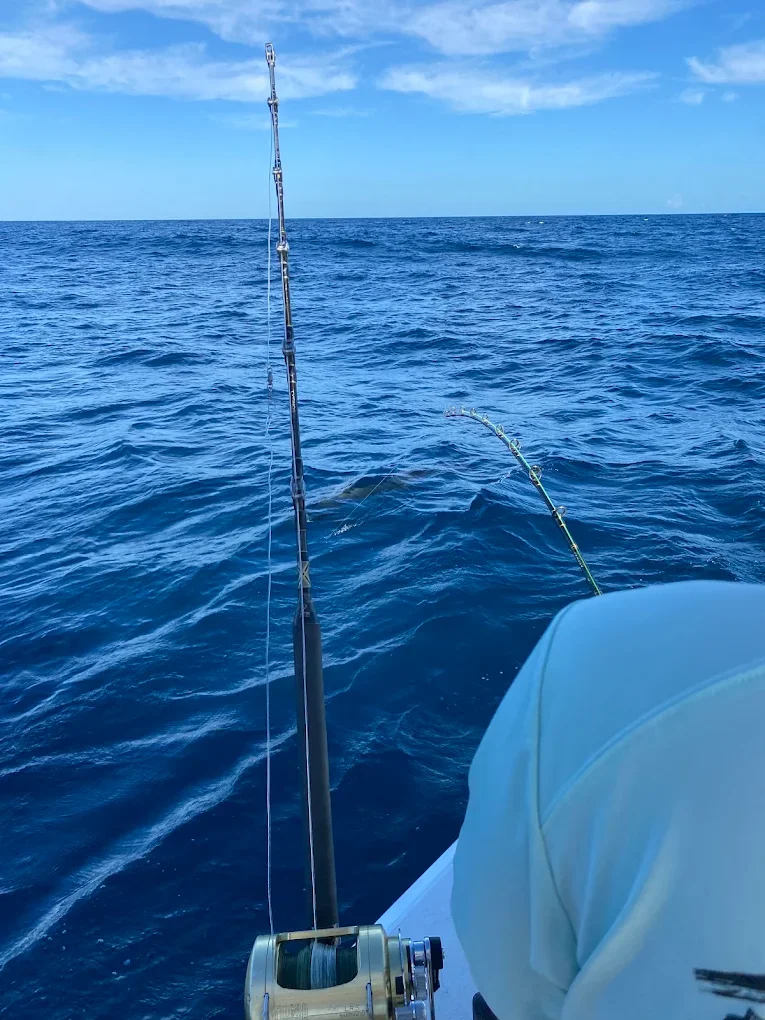
Half-day trips (around 4 hours) are good for nearshore species like roosterfish, snapper and mackerel, plus the occasional dorado that strays in close. For offshore species like sailfish and marlin, a three-quarter or full-day charter is what you want. I did a three-quarter day. The captain took us about 45 minutes offshore, into deep blue water where the Pacific swell picks up and you really feel the scale of the ocean. Lines went in. Cold drinks appeared from the cooler. And then you wait.
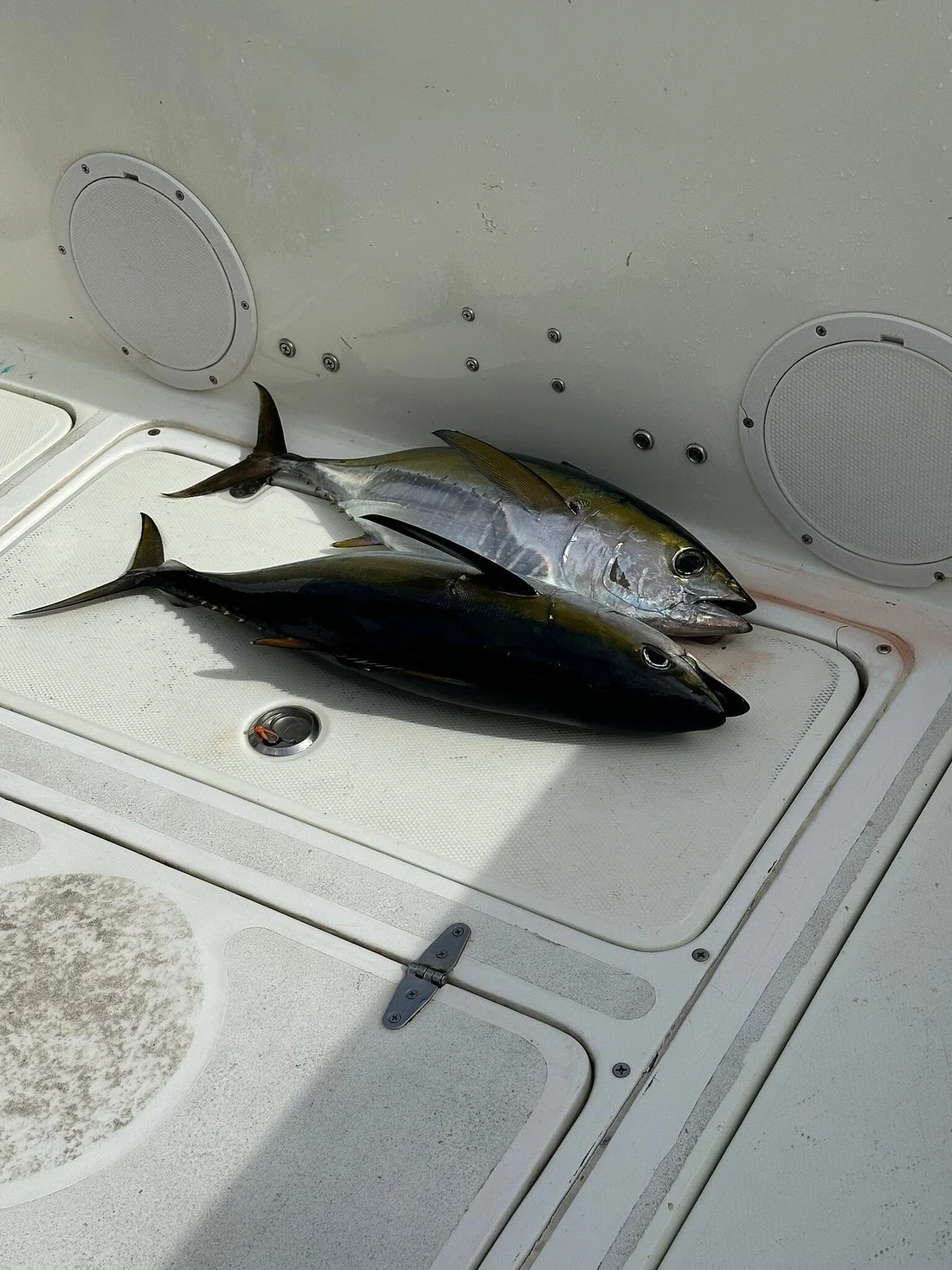
Deep sea fishing is 70 percent patience and 30 percent chaos, and that ratio is exactly what makes it compelling. You drift, you watch the lines, the mate adjusts baits and positions, the captain scans from the tower, and conversation happens naturally. Then something hits the line and the rod bends and suddenly everyone is moving at once. I landed a mahi-mahi. Not massive, but real. The fight on a sport fishing rod is something I was completely unprepared for, a fish that size pulling against you with a stubbornness that feels personal. When it came to the boat, bright green and gold in the sunlight, I understood why people do this. Some operations will clean and fillet your catch for you to take back. Check with your hotel if they can cook it, because fresh mahi-mahi the same evening is a meal you'll remember.
Practical Info
Half-day charters: $450 to $600 for up to 4 people, shared among the group.
Three-quarter day: $700 to $900 for up to 4 people.
Full day: $950 to $1,400 for a full offshore run.
Book directly with a licensed local operator rather than through a third-party reseller. The captains who have been doing this for years are the ones worth fishing with.
Sunset Catamaran Cruise: The Perfect One
After the physical ones (surfing), the meditative one (snorkelling), and the patience-testing one (fishing), the sunset catamaran cruise is the one that ties everything together. This is Tamarindo at its most effortlessly beautiful, and you don't have to do anything except show up and let it happen.
What It Actually Is
You board a 60 to 66-foot catamaran in the early afternoon, typically around 1 or 2pm, and sail north along the Guanacaste coastline for four to five hours. The open bar starts when you get on board. The crew are local, bilingual, and have the particular energy of people who genuinely enjoy their jobs.
The route takes you past the wild coastline of Guanacaste, deserted beaches backed by dry tropical forest, hidden coves you can only reach by water. The catamaran stops in a sheltered bay for a swim and optional snorkelling. Then the kitchen comes alive and the crew serves up grilled fish, pasta salad, rice, fresh fruit, homemade chocolate chip cookies (genuinely, some of the best cookies I had in Costa Rica), and whatever's coming out of the open bar.
Then you sail home as the sun goes down.
The Sunset
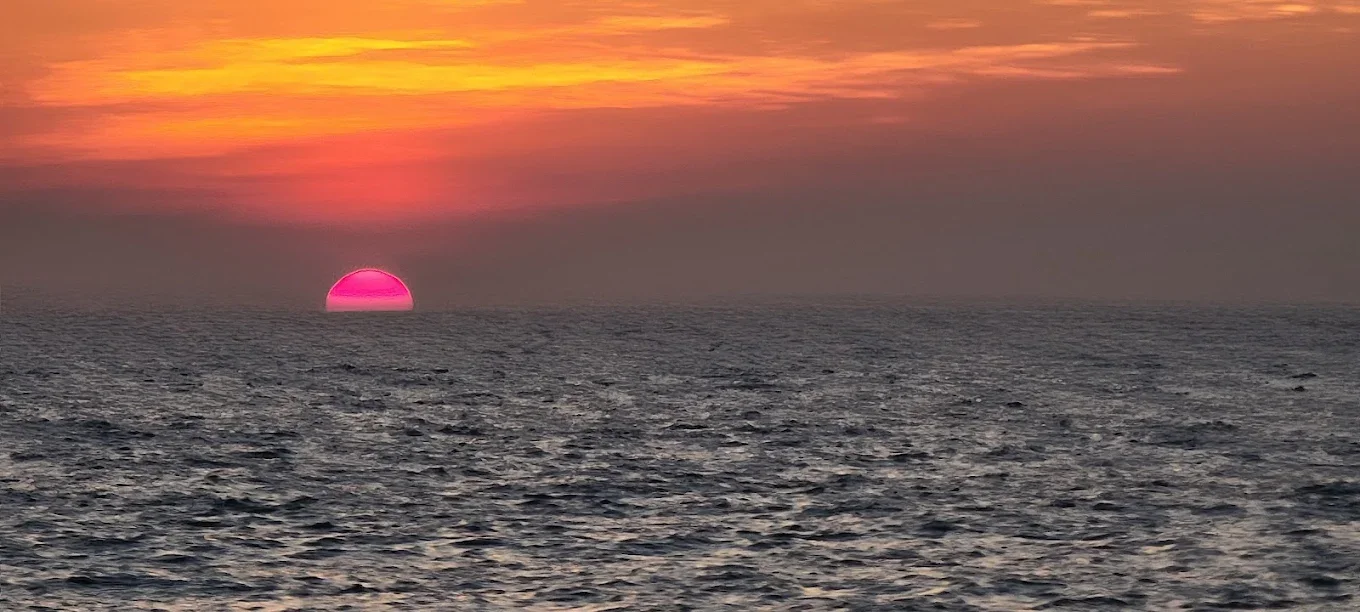
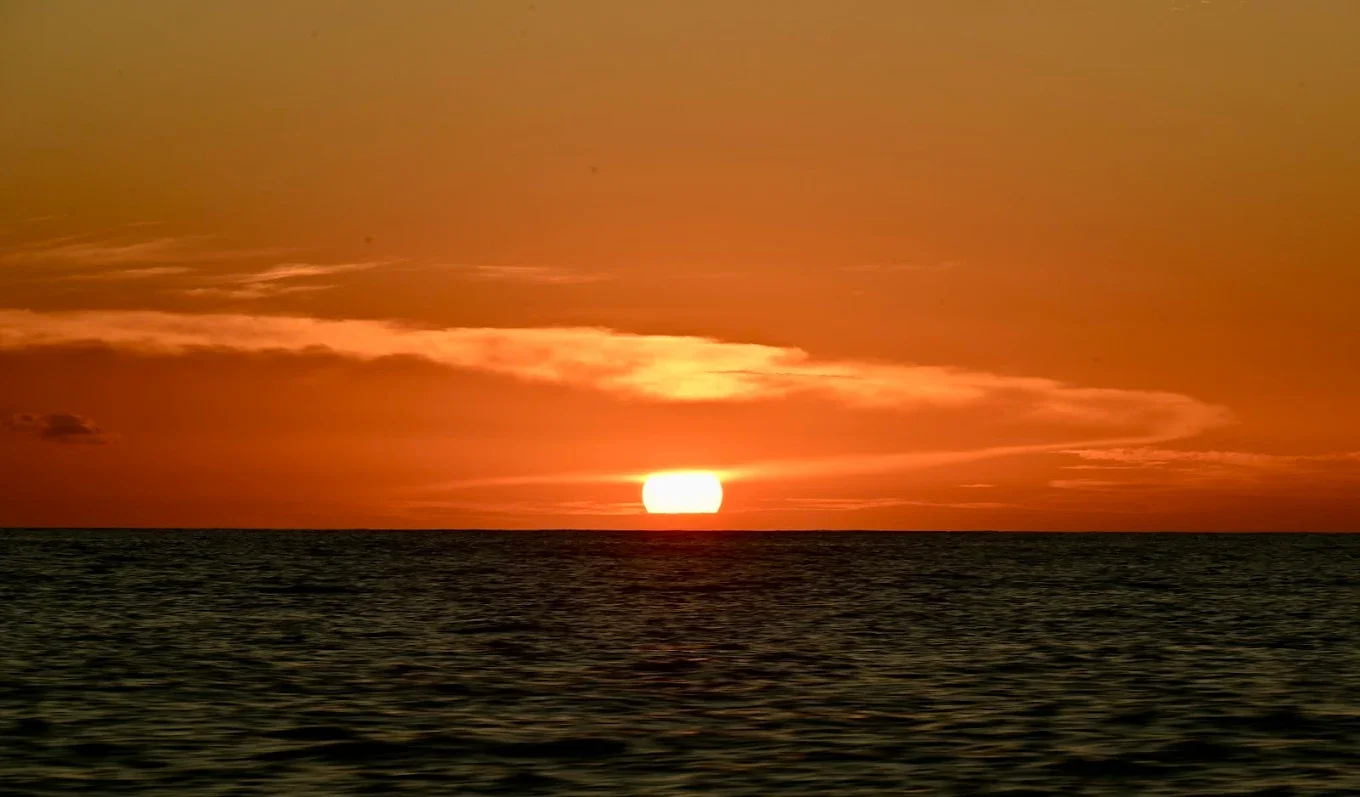
Here's the thing about Tamarindo sunsets from the water. You already know Tamarindo sunsets are good. You've watched them from the beach, from a bar terrace, from your hotel pool. But watching the same sky from a catamaran on the open Pacific, with the whole coastline laid out in front of you, the water going from blue to gold to rose-pink, a cold drink in your hand and zero responsibilities for the next few hours? That's a different experience entirely. The dolphins often show up on the way back, riding the bow wake and jumping alongside the boat with zero warning. It happened to us about 20 minutes before we reached the Tamarindo mooring, and the whole boat went quiet for a minute, just watching. Solo travellers: this is genuinely one of the better activities to do alone in Tamarindo. The shared catamaran format means you'll naturally end up talking to whoever's sitting near you, and the combination of open bar, good food, and a spectacular sunset makes conversation very easy. I met people from Canada, Germany, and Australia on mine. We watched the sun go down together and then went to separate restaurants in town. That's pura vida in its purest form.
Practical Info
Shared catamaran tours: $95 to $115 per person, including food, open bar, snorkelling and transport. Private charters: $980 to $2,000 depending on boat and group size. Book in advance during high season (December through April) because these sell out, particularly at weekends. The tour typically drops you back at Tamarindo beach around 6:30 to 7pm, perfectly timed for dinner.
The Ocean Is the Point
Four adventures, four different relationships with the same stretch of Pacific. And the thing that surprised me most wasn't any individual experience. It was how different each one felt despite all sharing the same water. Surfing is physical and slightly humbling and deeply satisfying. Snorkelling is quiet and meditative in a way that's hard to find on land. Deep sea fishing is patient and then suddenly very much not. And the sunset catamaran is the one that makes you feel like you're living a version of your life that is genuinely, measurably better than your normal one. Tamarindo gives you all four within a short drive or boat ride of where you're sleeping. If you're here for more than a few days and you haven't been on the water yet, that's the only thing I'd ask you to change.The ocean is the point.