Three Experiences in Costa Rica That Are Worth More Than Any Souvenir
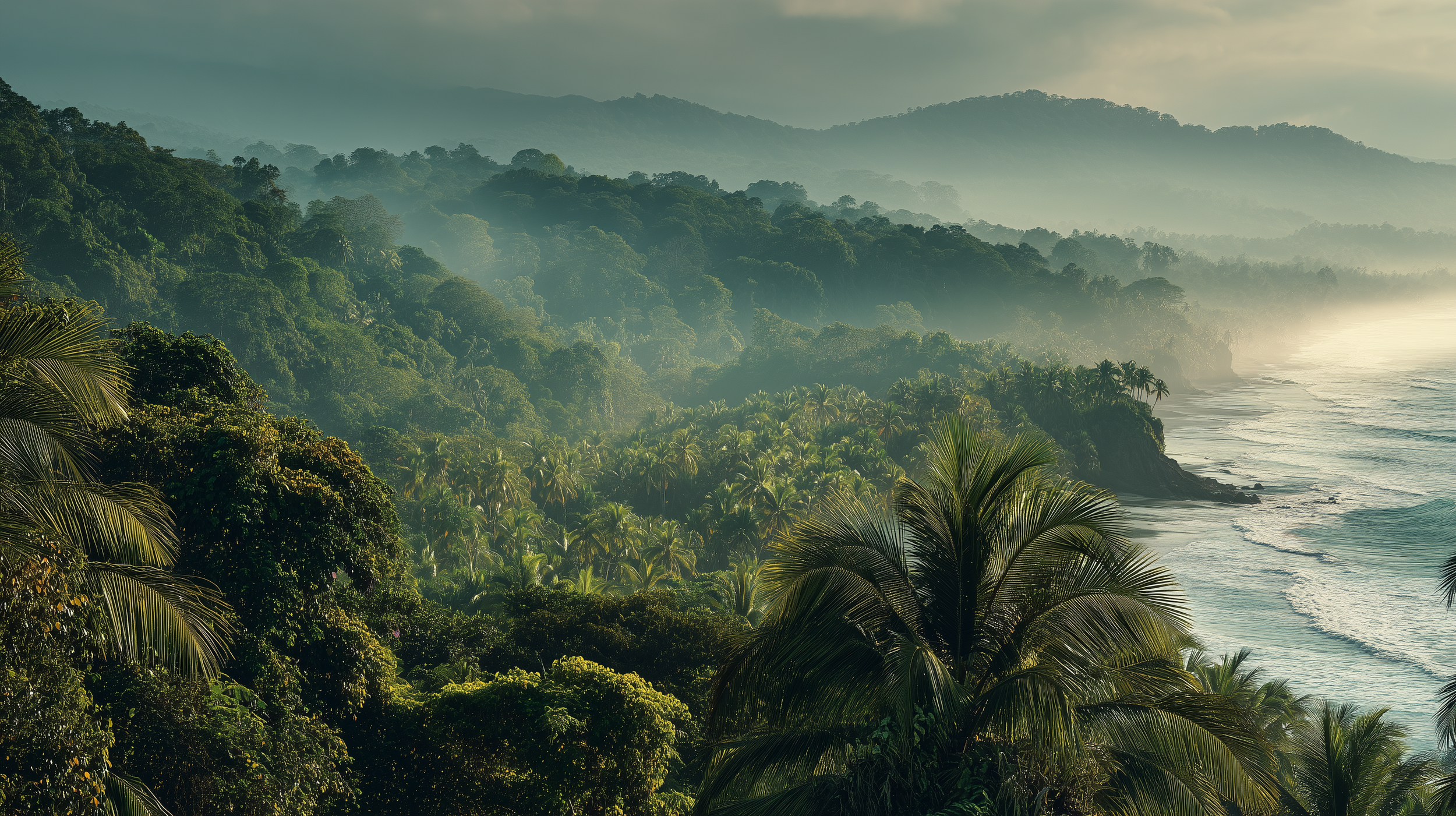
There are two types of things you can do with a day in Costa Rica. You can spend it on the beach, which is a perfectly valid and genuinely lovely choice. Or you can use it to understand this country a little more deeply, and come home with something that lasts considerably longer than a tan.
I am not talking about zip lines or ATVs or sunset catamarans, all of which I've covered separately and all of which are excellent. I'm talking about a different category of experience entirely. Slower, more intentional, more personal. The kind that the Aman Hotels of the world have built their entire brand identity around, the idea that the most memorable thing you can take from a destination is not a photograph but a real understanding of what makes a place what it is.
Costa Rica has three of the best versions of this type of experience available anywhere in Central America: a cooking class with a local, a proper chocolate tour from cacao pod to finished bar, and a coffee plantation visit in the heart of Guanacaste's Blue Zone. Each one takes half a day at most. Each one costs less than a good dinner. And each one gives you something you genuinely carry with you after leaving.
Here is my honest guide to which ones to book, why, and what to expect from each.
1. The Cooking Class: Maria's Kitchen in Villareal
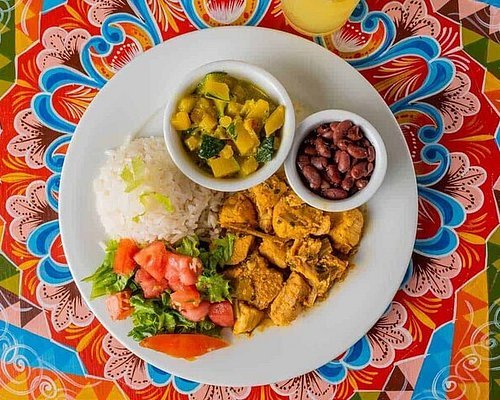
My recommendation: Maria's Costa Rican Cooking Class, Villareal
Five kilometres from Tamarindo, in the quiet village of Villareal, a local woman named Maria runs a cooking class from her home that is, based on what I found after looking at everything available in the area, the most authentic and well-regarded option in the entire region.
The concept is disarmingly simple. You drive or take a taxi five minutes out of Tamarindo, you arrive at Maria's house, and you cook a traditional Costa Rican three-course meal together. Everything from scratch. Everything with local ingredients. Everything explained with the context of how and why this food exists in Costa Rican culture rather than just the mechanics of how to make it.
The food itself spans the classics of Costa Rican home cooking: tortillas made by hand on the stone surface the way they have always been made, patacones (flattened fried green plantains, something that sounds simple and tastes extraordinary when it's done properly), arroz de maiz, gallo pinto, dishes that appear on every local table and rarely taste the same when you try to replicate them abroad because you never learned the specific sequence of decisions that makes them right.
What makes Maria's class genuinely special is the conversation. She is knowledgeable and passionate about both the food and the culture it comes from. The cooking becomes a thread through Costa Rican history, family traditions, the significance of specific ingredients, the way food and identity are connected in ways that a restaurant meal alone will never quite communicate.
Reviews consistently describe it as one of the best experiences of people's entire Costa Rica trips. The phrase "one of our best memories" appears repeatedly. Multiple guests mention coming back on return visits specifically to do the class again.
The class runs around four to five hours including eating together on the terrace looking out at the forest, which is the right pace for this kind of experience. Not rushed, not overly structured. Just a morning or afternoon of cooking with someone who genuinely loves what she does and is happy to share it with you.
Practical information:
Location: Villareal, five minutes from Tamarindo by car or taxi
Duration: Around four to five hours including the meal
Cost: Approximately $35 to $65 per person depending on the package
Group size: Small and intimate by design, usually just your group
Book in advance, especially in high season when spots fill quickly
Dietary restrictions and food allergies can be accommodated if communicated at booking
The option to visit the local produce market together before cooking is available and worth choosing if offered
Who it's for: Anyone who wants to eat really well and understand this country through its food rather than just its beaches.
2. The Chocolate Tour: Reina's Chocolate, Tamarindo
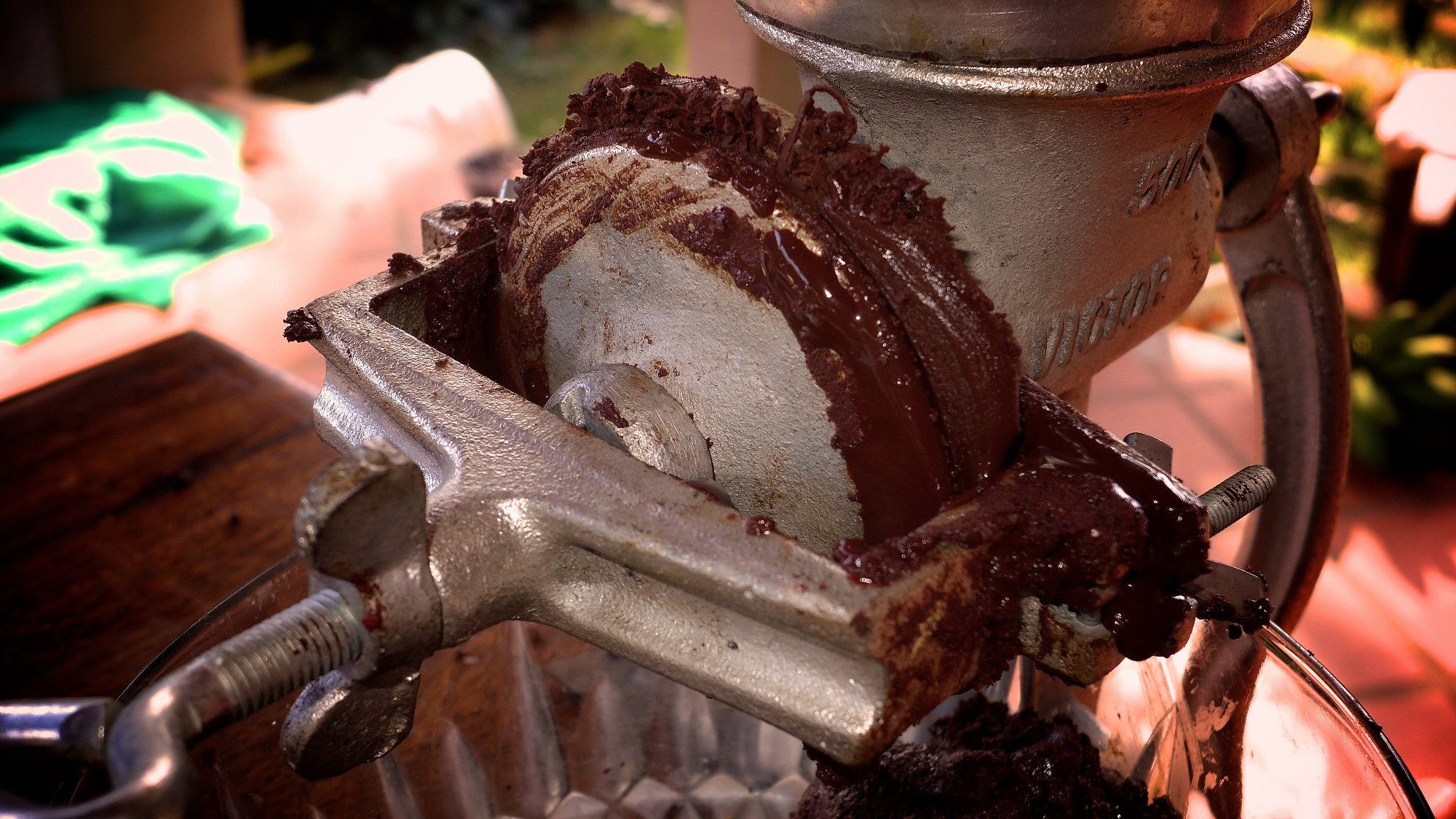
My recommendation: Reina's Chocolate, Tamarindo
Before I visited Reina's Chocolate, I had a vague understanding of how chocolate was made that involved the words "cacao beans" and not much else. Two hours later, I left with a genuine working knowledge of the entire process from pod to bar, a new and permanent appreciation for what proper chocolate actually tastes like, and a box of handmade truffles that I consumed long before getting back to the hotel.
Reina's is a family-run bean-to-bar chocolate operation based in Tamarindo, which makes it the most accessible option in the area. A cacao tree growing on the property (genuinely unusual in Guanacaste's drier climate, making this in itself worth seeing), a small passionate team producing handmade chocolate in their workshop, and an experience that takes you through every step of what happens between a cacao pod and the chocolate in your hand.
The two-hour Chocolate Experience is the recommended starting point. You walk through the garden, see the cacao pods growing on the tree, and crack one open. The fresh cacao fruit inside, white and slightly sweet and nothing like what you expect given what it eventually becomes, is your first moment of genuinely having your mind changed about something you thought you understood.
From there the experience walks you through fermentation, drying, roasting, shelling, grinding, and tempering. You do a meaningful amount of it yourself rather than just watching, which is the difference between learning something and being shown something. By the time the tasting flight begins, you have over thirty different chocolates to work through and an entirely different context for what you're tasting than you had two hours earlier.
The three-hour Master Class takes it further into actually making your own chocolate from the roasted bean, which is the one to book if you have a particular interest in the craft rather than just the story.
For a quick visit without a reservation, the Chocolate Tasting Room is open without advance booking and serves a flight of handmade chocolates alongside drinks. Worth doing even if the full experience isn't possible.
One reviewer described arriving as "a certified choco-holic" and finding it was the kind of place she'd never been on the radar despite multiple trips to Tamarindo. Several guests mention never looking at a bar of chocolate the same way again. Both of those things track with what I experienced.
Practical information:
Location: Tamarindo (walkable or short taxi from most hotels)
Duration: Two-hour Chocolate Experience (available Monday to Friday afternoons from 1pm); three-hour Master Class (available Monday, Wednesday and Friday mornings from 9am); Tasting Room open daily without reservation
Cost: Approximately $50 per person for the two-hour experience, $75 for the Master Class
Book the Experience and Master Class in advance, walk-ins welcome for the Tasting Room
The tasting room alone is worth a visit between other activities in town
Who it's for: Genuinely everyone, but especially food lovers, people with a curiosity about how things are made, and anyone who wants a memorable midday activity that doesn't require sunscreen.
3. The Coffee Tour: Diria Coffee Farm, Hojancha (In the Blue Zone)
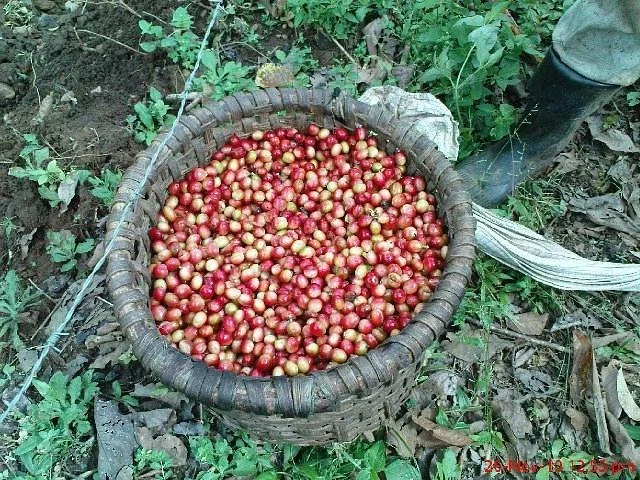
My recommendation: Diria Coffee Tour, Hojancha, Guanacaste
This is the one that requires the most commitment in terms of travel time from Tamarindo, and it is absolutely the most worth it.
The Diria Coffee Farm sits in Hojancha, Guanacaste, in the heart of the Nicoya Peninsula, which is designated one of the world's five Blue Zones: the regions where people consistently live the longest, healthiest lives on earth. The Nicoya Blue Zone is the only one in the Americas and is defined partly by its lifestyle, diet, community, and the specific mineral-rich water that comes from the volcanic geology of the area. Being here already feels different from being in a beach town, quieter, more intentional, more connected to something slower and older.
The coffee at Diria is grown at elevation in conditions that produce what Dennis and his brother Wagner will explain in detail is the specific combination of volcanic mineral soil, altitude, rainfall, and temperature variation that makes Guanacaste coffee distinctive from the better-known highland coffees of the Central Valley.
The tour covers the entire process. You walk the plantation and learn to identify the different stages of the coffee cherry, the fruit that contains the bean. You see the drying and washing processes. You watch the roasting and grinding. And then you taste, working through different varieties and roasts with the guidance of people who grow, process, and roast everything you're drinking and have an encyclopaedic knowledge of why each cup tastes the way it does.
The reviews are notably enthusiastic in a specific way: guests consistently describe Dennis and Wagner as "incredibly passionate" and say the experience "captivated" them. One family described it as the most fascinating experience of their entire Costa Rica trip after days of wildlife tours and adventure activities. That kind of comparison says something real about what the Diria tour delivers.
The additional cultural layer, visits to the colonial cities of Santa Cruz and Nicoya, including the church of San Blas built in 1644, are included in some tour packages and add historical and cultural context that makes the day feel complete rather than single-purpose.
The practical note: this tour runs as a full day from Tamarindo with pickup included. Expect to be picked up around 7:30am and returned by 4pm. Plan accordingly and you will find it genuinely one of the better-used days of the trip.
Practical information:
Location: Hojancha, Guanacaste (approximately 90 minutes from Tamarindo with pickup included in most packages)
Duration: Full day including travel, tour, lunch, and cultural stops
Cost: Approximately $65 to $95 per person depending on the operator and package, pickup from Tamarindo hotels included
Book through your hotel concierge or directly with Go Adventures Tamarindo or Papagayo Tours, who both run reliable versions of this experience
Wear comfortable shoes suitable for walking on uneven terrain
Bring sunscreen, insect repellent, and a hat for the plantation walk
Who it's for: Anyone who takes their morning coffee seriously, people interested in how Blue Zone longevity principles connect to what you eat and drink, and anyone who wants a day that feels genuinely off the tourist trail.
Why These Three, Together
The cooking class, the chocolate tour, and the coffee tour form a genuinely satisfying triptych of Costa Rica's agricultural and cultural identity, and they work well spread across different days of a longer stay.
Start the stay with Maria's cooking class. It gives you immediate cultural context and vocabulary for the food you'll be eating throughout the rest of your time in Costa Rica. Every gallo pinto you encounter after that will mean something different.
Do Reina's chocolate mid-trip when you want something engaging and social that fits easily into a half day. The Tasting Room makes it easy to drop in casually. The full experience requires the booking.
Save the Diria coffee tour for a day when you want to feel genuinely transported to a different part of Costa Rica without leaving Guanacaste. The Blue Zone context, the mountain setting, and the passion of the people running it make it one of those days that stays with you long after everything else starts to blur together.
None of these are on the standard Tamarindo tour board alongside ziplines and ATVs. All three require a small amount of deliberate seeking out. And all three deliver exactly the kind of experience that the most thoughtful travellers specifically come to Costa Rica to find.