
Things to Do in Madrid: No Rush Required
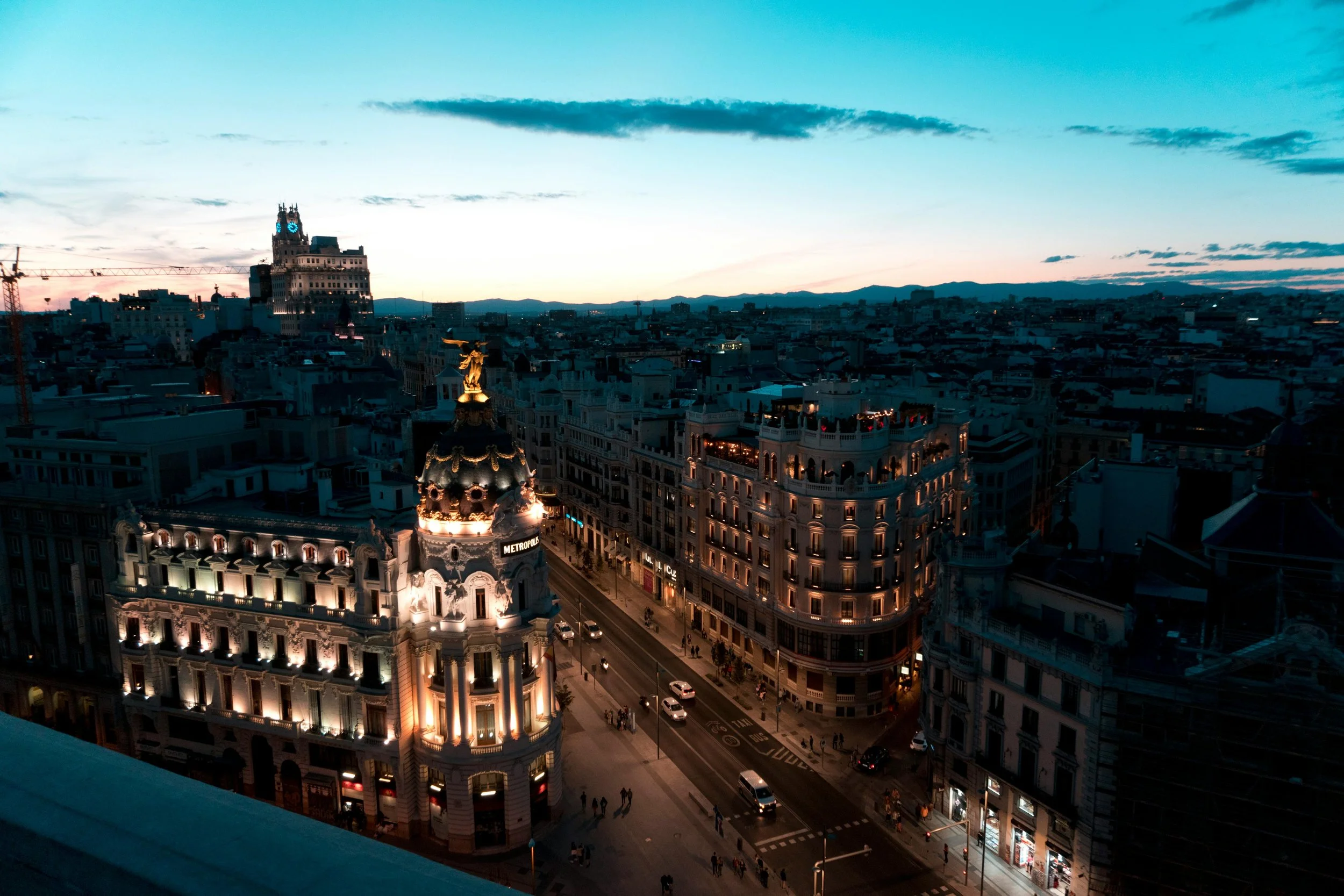
Madrid surprised me in a way I didn’t really expect. I came thinking I’d enjoy it, eat well, see a few famous spots, then move on, but the city kind of sticks with you. It has this mix of elegance and chaos that somehow works. Grand boulevards and royal buildings sit right next to loud bars, tiny bakeries, and streets that don’t seem to sleep. People come here for all sorts of reasons: long weekends full of tapas and wine, football pilgrimages to see Real Madrid, art-focused trips built around the Prado and Reina Sofía, or just sunny holidays where walking aimlessly feels like enough of a plan.
Most visitors hit the big names - Puerta del Sol, Plaza Mayor, the Royal Palace. And honestly, they’re popular for a reason. Madrid knows how to impress. But traveling alone makes you notice different things. You move slower. You sit longer. You end up remembering moments rather than landmarks - a street you wandered down for no reason, a bar you walked into because the music sounded right, a neighborhood that felt lived-in instead of staged for tourists.
There are a lot of places I could talk about, but a few experiences stayed with me long after I left. I want to share three of them - the kind of places you stumble into when you’re on your own and open to whatever the city decides to show you.
1. Wander Around Retiro Park (and Rent a Rowing Boat on the Lake)
A bit of history (without making it feel like a school lesson)
Retiro didn’t start out as the chilled public park it is today. Back in the day, this was royal territory. The Catholic Monarchs had a monastery built here, and King Philip II later decided this would be a nice spot for a royal escape from court life - hence the name El Retiro, meaning “the retreat.” For a long time, normal people weren’t exactly welcome. When the park finally opened to the public under King Charles III, visitors had rules to follow, including how they dressed and whether they looked “clean enough,” which honestly feels very on brand for the 18th century.
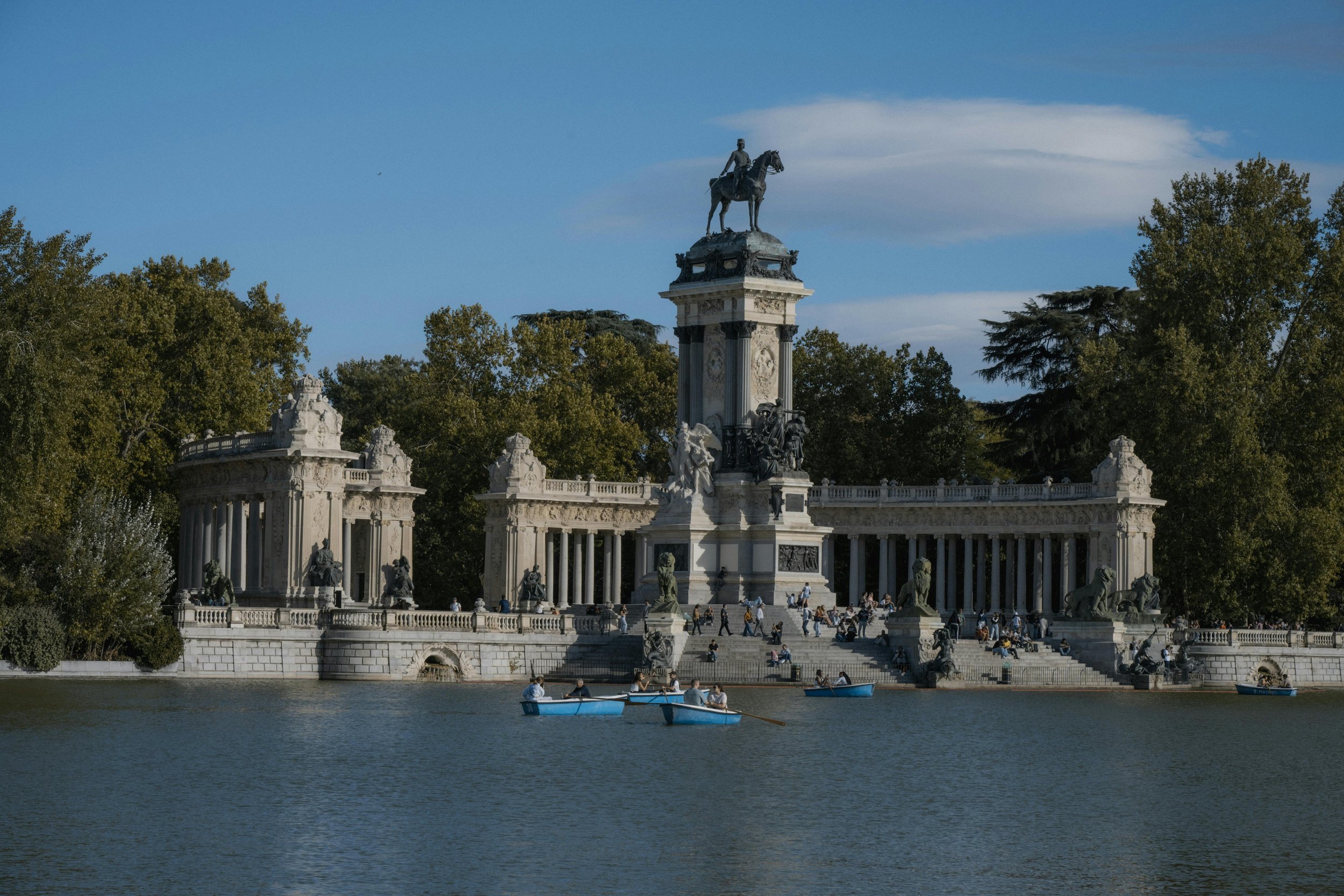
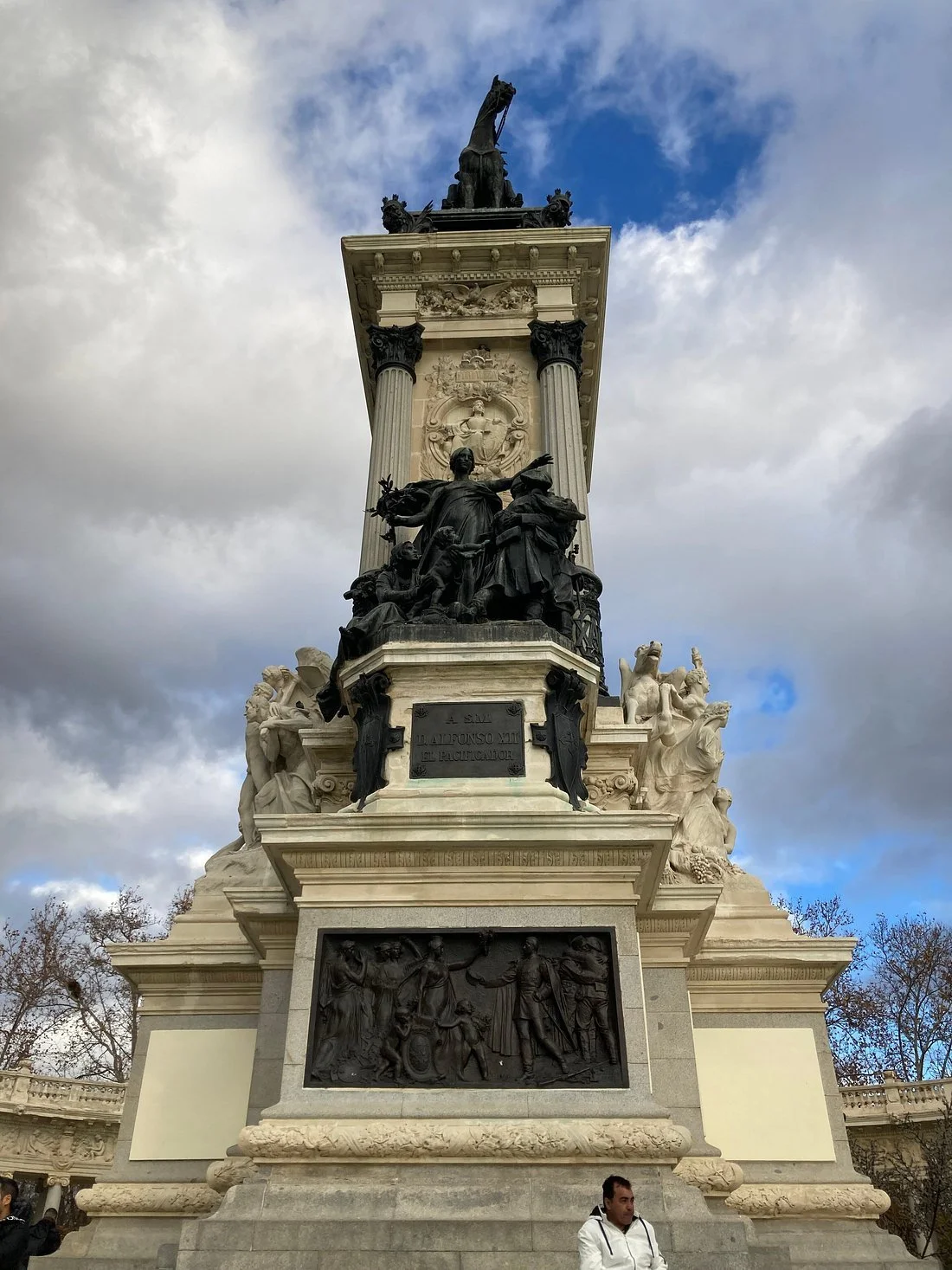
Fast forward to now, and the vibe couldn’t be more different. Retiro is Madrid’s shared backyard. Locals run here, walk their dogs, meet friends, lie in the grass, flirt, read, nap, argue, make up - all of it. Scattered around the park are reminders of its past: the massive Monument to Alfonso XII overlooking the lake, the elegant Crystal Palace from the late 1800s, the Casón del Buen Retiro (once a ballroom, now linked to the Prado), and, my personal favourite oddity, the Fallen Angel statue - one of the very few monuments in the world dedicated to Lucifer. Not something you expect to stumble upon while out for a peaceful walk, but here we are.
How long does it take?
You can see Retiro in two or three hours if you’re in a hurry, but I don’t really see the point. The park is huge - the kind of huge where you keep thinking you’ve reached the end and then realise there’s another path, another garden, another fountain. I went more than once and still felt like I hadn’t seen it all. Different light, different season, different mood - it changes every time.
If you’re visiting in autumn, even better. The colours are unreal, the air feels softer, and the whole place slows down just enough to make you want to stay longer than planned.
The main part: walking, rowing, and doing absolutely nothing
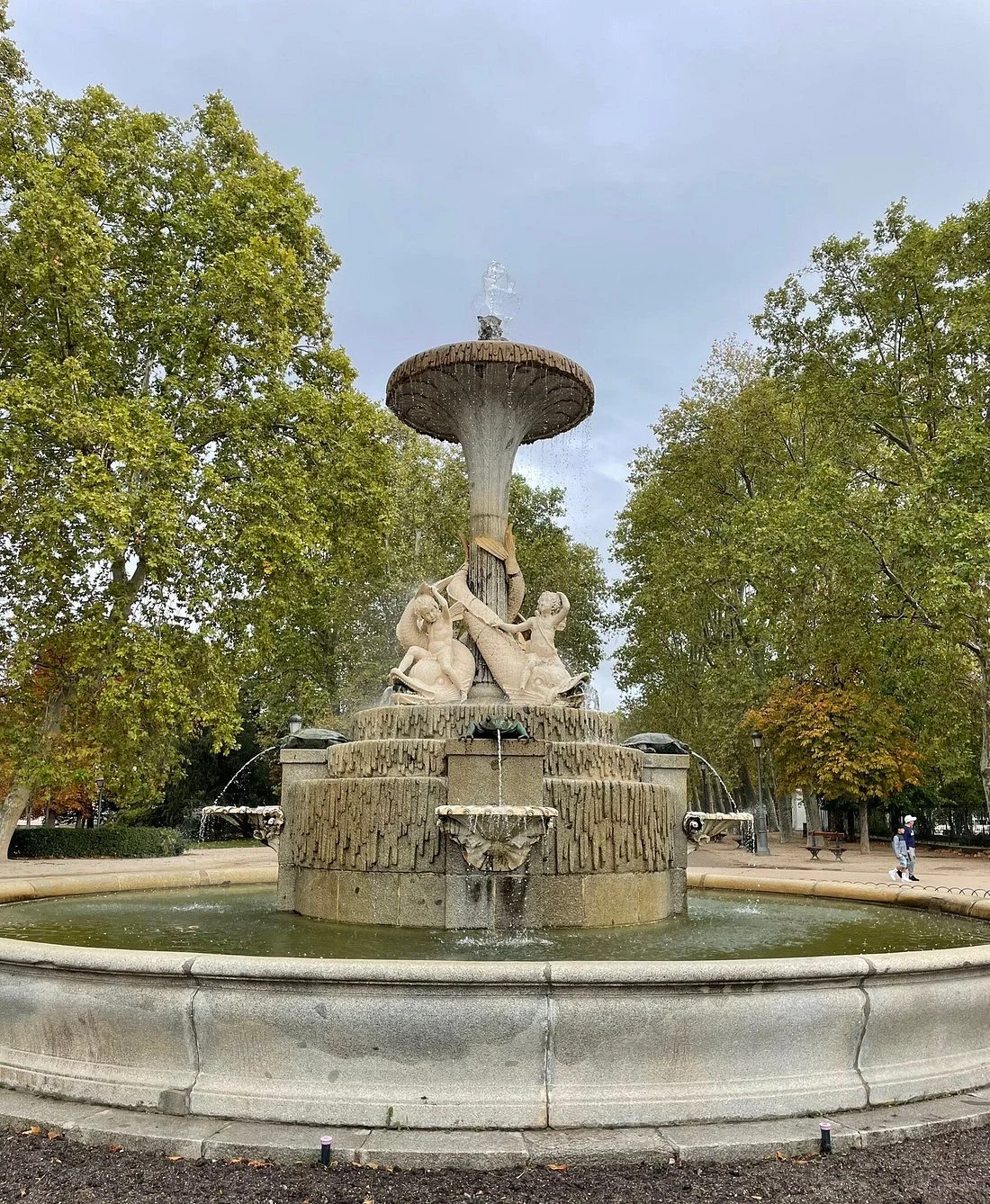
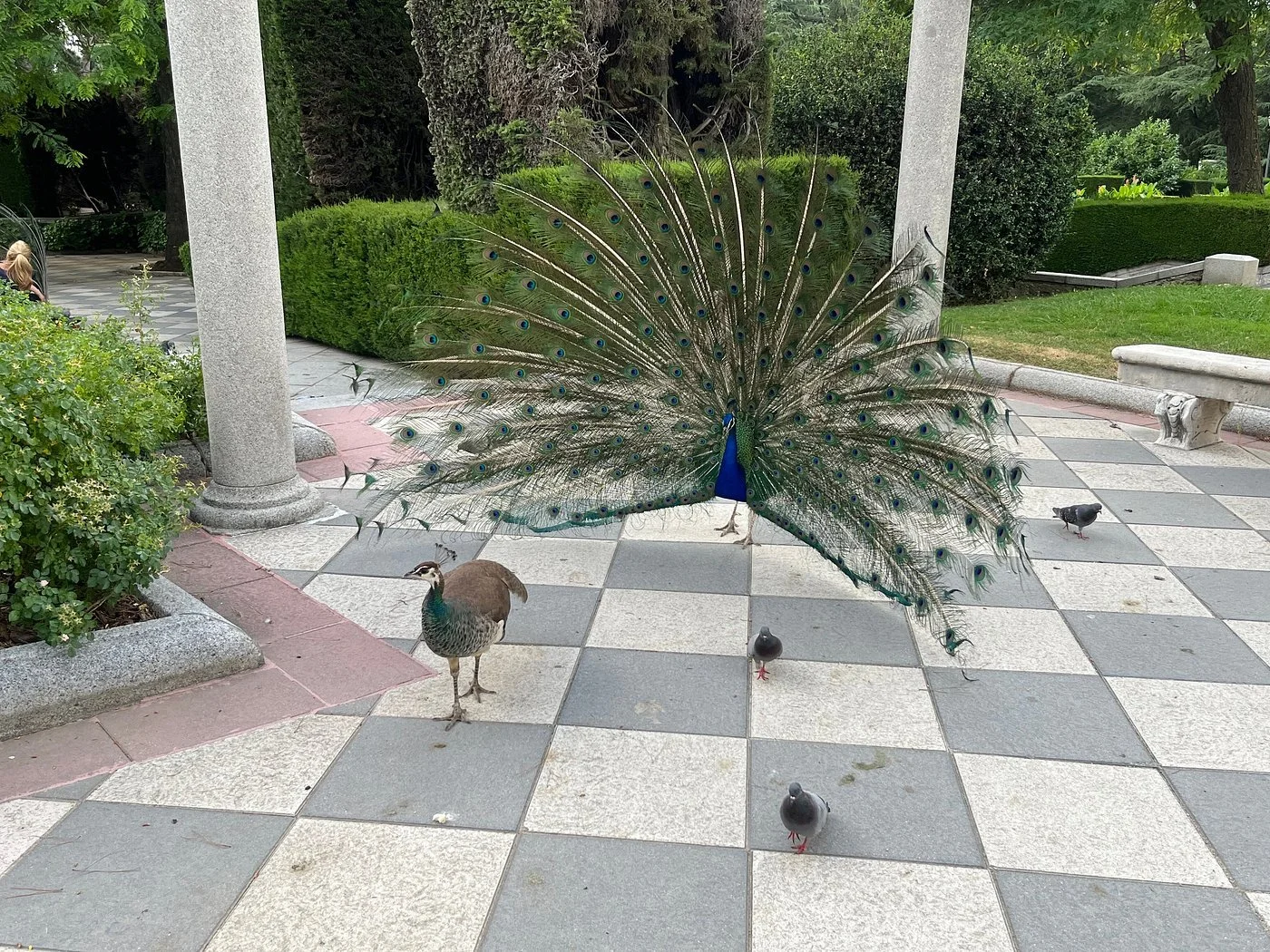
Most of my time in Retiro was spent doing what I do best when travelling alone: walking with no clear destination. Wide paths, smaller hidden ones, trees everywhere, and plenty of spots to just stop and sit when your feet give up.
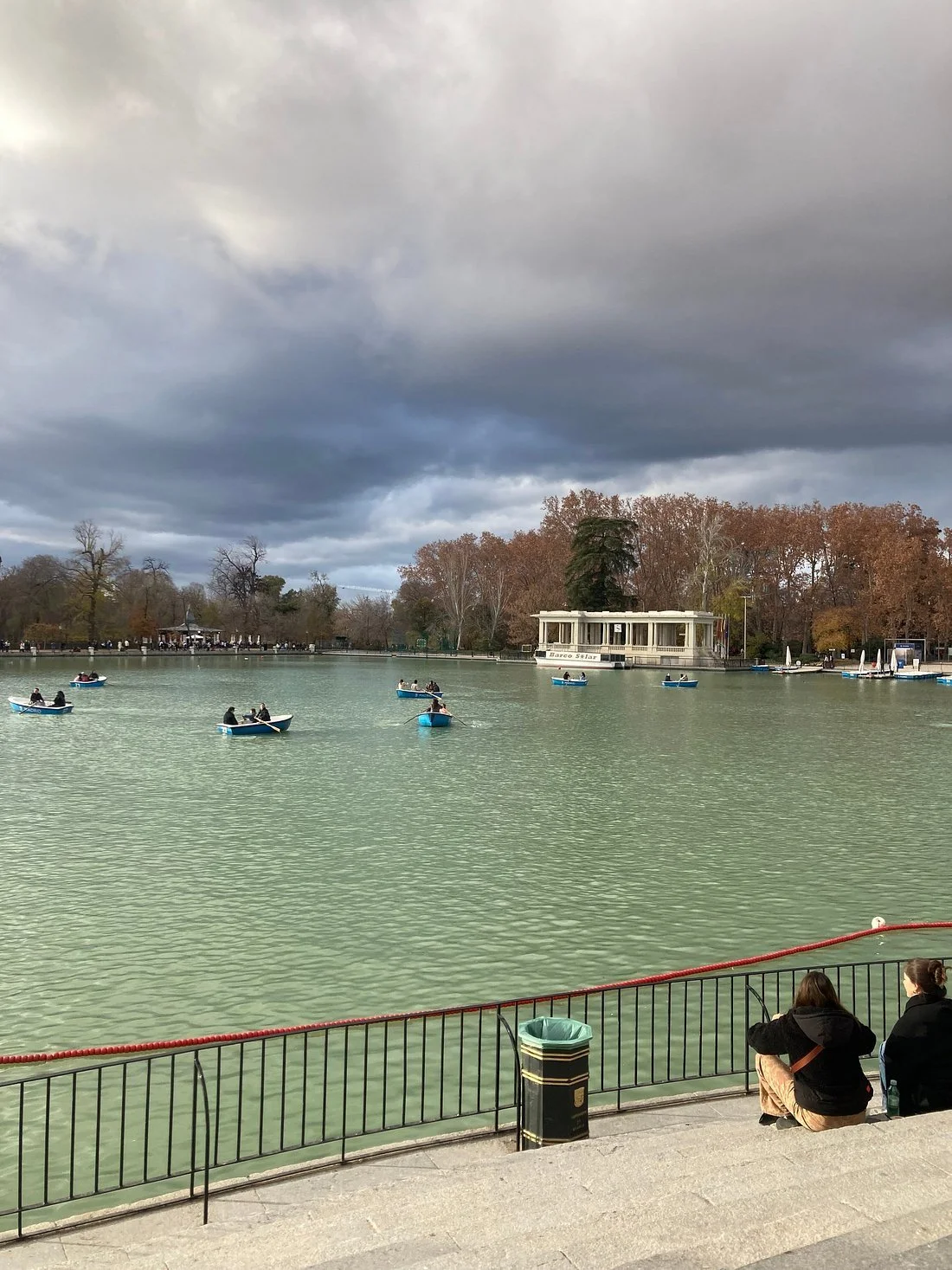
Then there’s the lake. You’ll see it before you hear it - boats gliding around, people laughing, someone clearly taking the rowing way too seriously. Renting a boat is one of those slightly touristy things that’s actually worth it. You row, you spin in accidental circles, you watch couples argue gently about directions, and for a moment you forget you’re in the middle of a capital city. It’s calm, a bit silly, and very Madrid.
If physical activity isn’t your thing, you’re still winning here. Blankets everywhere. People reading, sunbathing, listening to music, having picnics that look suspiciously well-organised. Small kiosks and cafés pop up throughout the park selling cold drinks, snacks, and churros, which feel mandatory even if you weren’t hungry five minutes earlier. There are public bathrooms, places to eat, quiet corners, and louder social areas - you choose your own pace.
What really stuck with me was the lifestyle. Hundreds of people running daily, stretching, doing yoga, or just walking slowly like they have nowhere else to be. In a big city, you don’t always expect this kind of space to exist, let alone be so loved and used properly. Retiro doesn’t feel like decoration. It feels necessary.
Final thoughts
Retiro Park is to Madrid what Central Park is to New York, but with a slightly messier, warmer personality. It’s not trying to impress you. It just exists, confidently, letting everyone use it however they want. Whether you’re rowing badly on the lake, lying on the grass questioning your life choices, or just wandering with no plan, it gives you room to breathe.
If you only have time for one slow, unstructured moment in Madrid, make it this. And don’t rush it - Retiro definitely won’t.
2. Sky Bar Cocktails and a Night View of Madrid
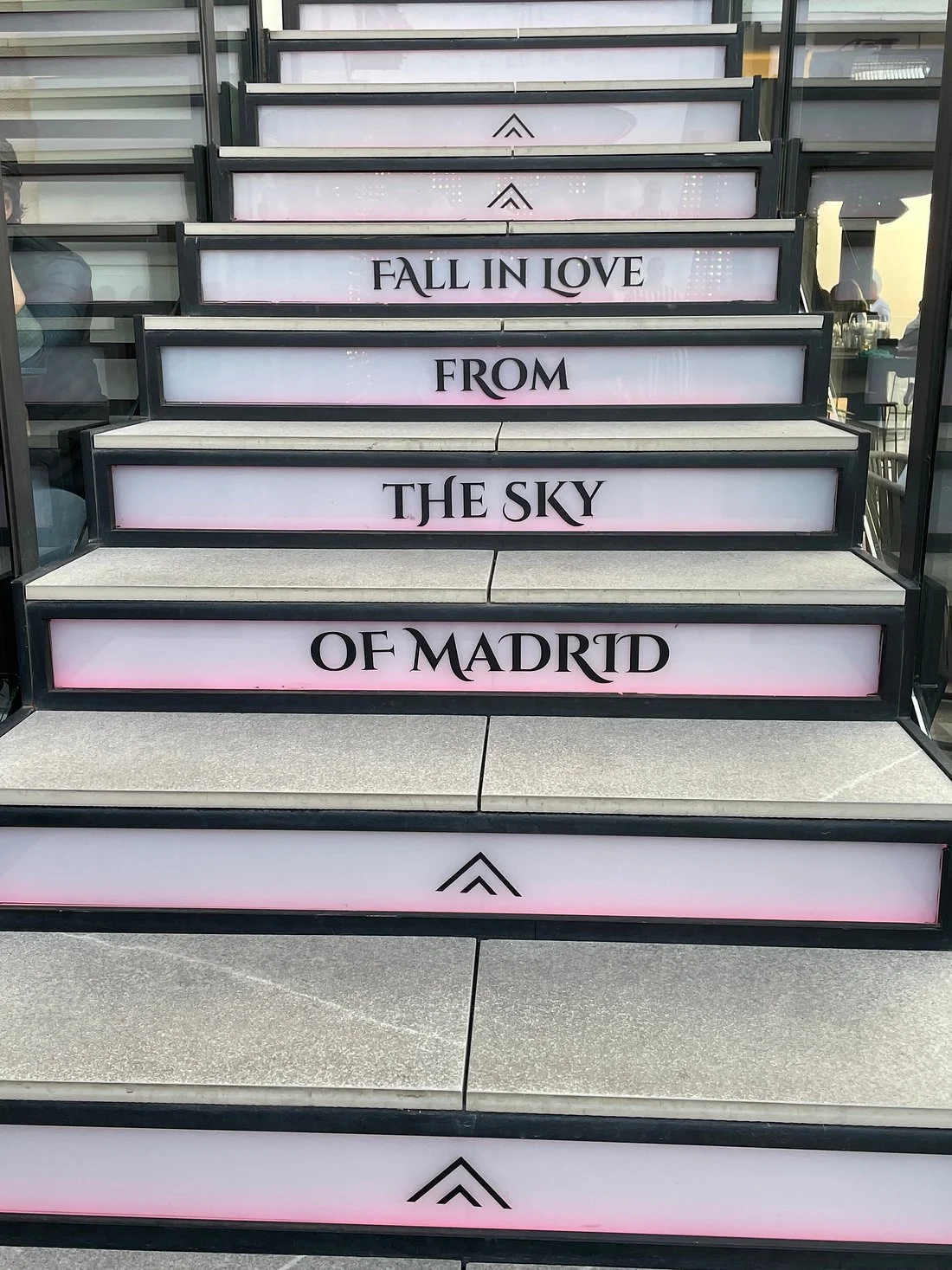
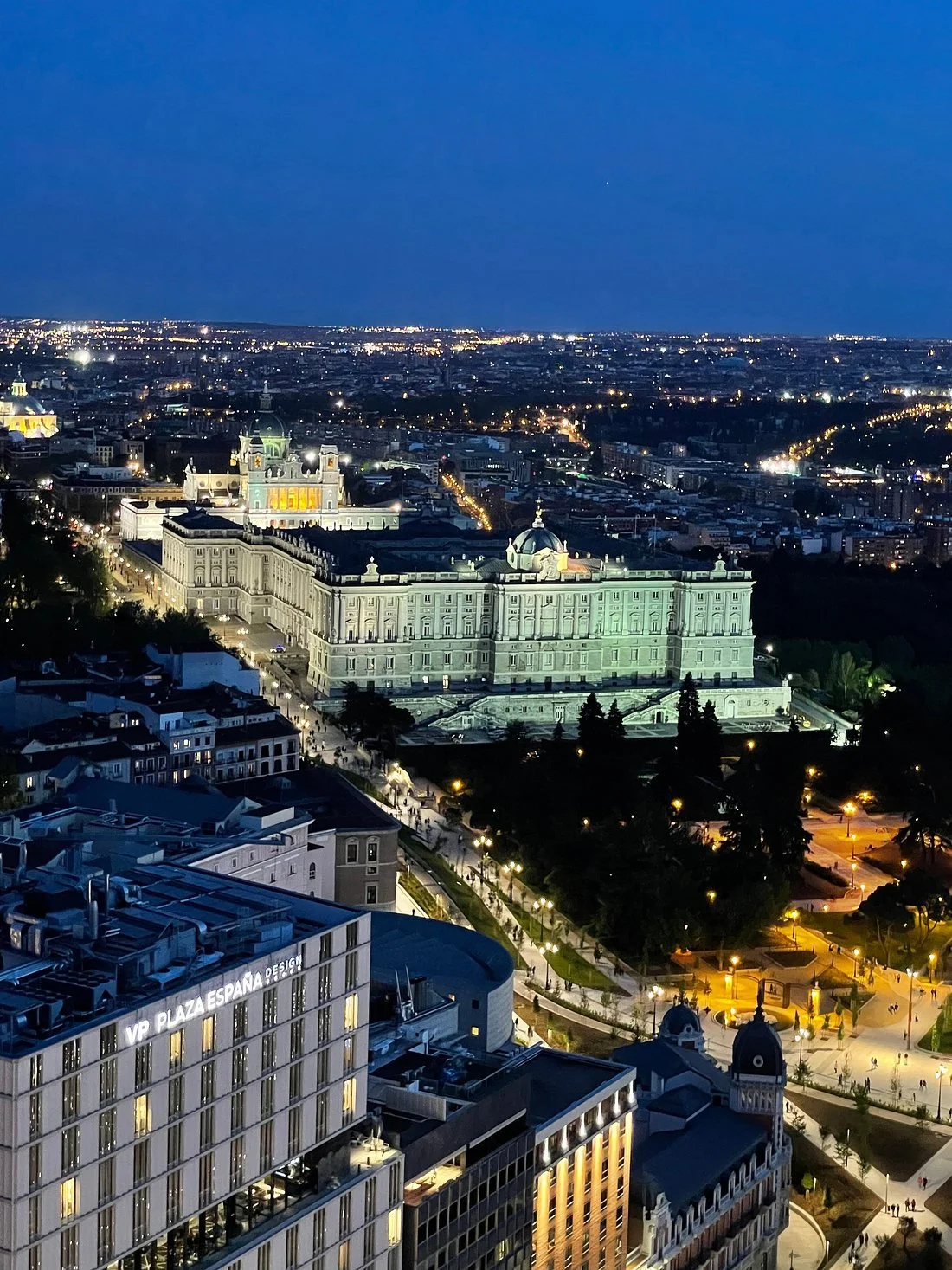
A little background before the drinks arrive
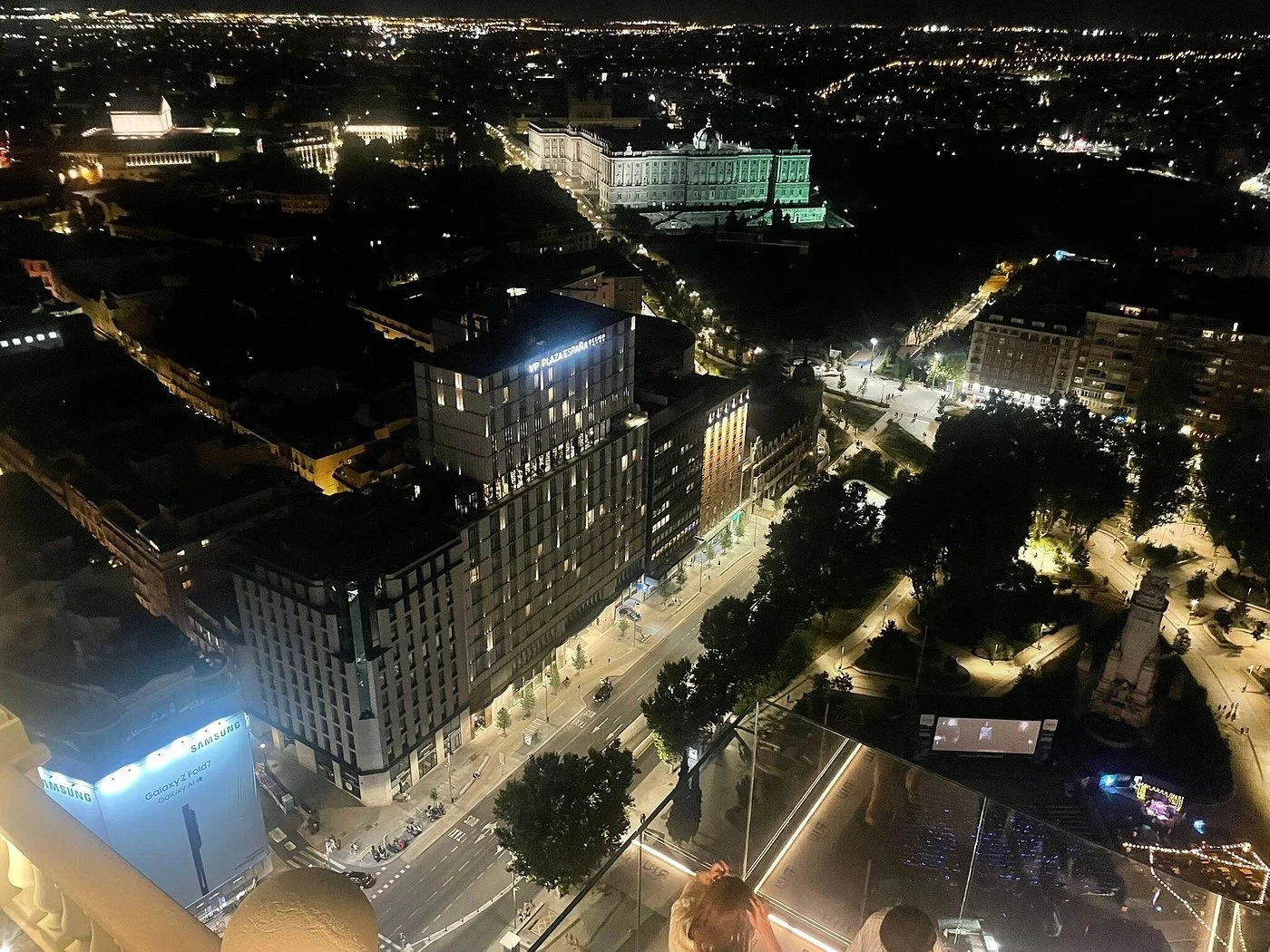
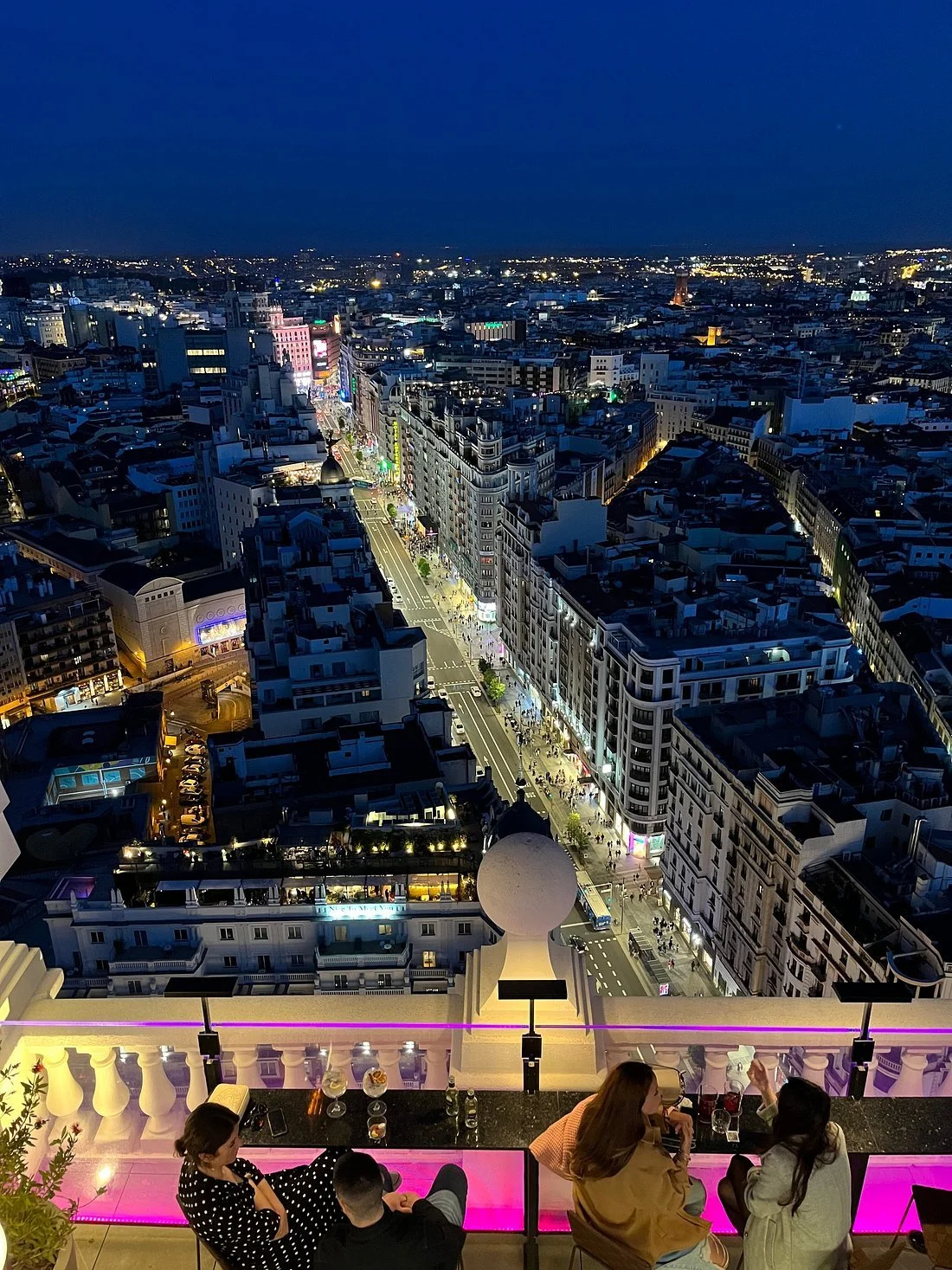
Madrid looks great from the ground, but it really shows off when you see it from above. The 360° Sky Bar at Hotel Riu Plaza España sits high up - around the 27th–28th floor and it’s one of those places that turns the city into a glowing map once the sun goes down. What used to be just another hotel rooftop has become a proper evening destination, with music, cocktails, and people slowly circling the terrace pretending they’re not constantly stopping for photos.
It’s not a hidden secret, and it doesn’t try to be. This place knows exactly why people come here, and it delivers without overcomplicating things.
This isn’t a “stay all night” kind of spot, unless you really fall in love with the view. I’d say plan for one to two hours. Enough time for a drink or two, a slow walk around the terrace, watching the sky change colour, and taking photos you’ll swear you’re only posting once but somehow end up sharing everywhere.
Entry costs around 10 euros, which honestly feels fair for what you get - especially in a city where rooftop views like this aren’t exactly free.
The main experience: cocktails, heights, and testing your bravery
I went in the evening, which I highly recommend. Madrid at night feels alive but calm at the same time, and from up here you really feel it. The city lights stretch out in every direction, traffic turns into glowing lines, and suddenly you understand why rooftops are such a big deal here.
The drinks menu is solid - cocktails, wine, classic options - nothing overly experimental, but that’s not why you’re here anyway. You grab a drink, lean against the glass, and just take it all in. There’s often live music or a DJ, which adds to the atmosphere without being too much.
And then there’s that glass platform. The one where you step out and realise there’s absolutely nothing solid between you and the city below. People hesitate, laugh nervously, take three steps back, then eventually go for it. Be brave. Or don’t. Either way, watching others psych themselves up is entertainment on its own. If you do step onto it, the view straight down is wild and slightly unsettling - in a good way.
The Sky Bar isn’t about deep conversations or discovering underground culture. It’s about a moment. A good drink, a high view, the city glowing below, and that feeling of being somewhere special for a couple of hours. As a solo traveler, it felt surprisingly comfortable - you don’t need company when the view is doing most of the talking.
If you’re deciding where to spend one evening in Madrid, this is an easy yes. Go around sunset, stay until it’s fully dark, and let the city show off a little.
3. Museo Cerralbo - Worth the Wait (Even If the Queue Tests You)
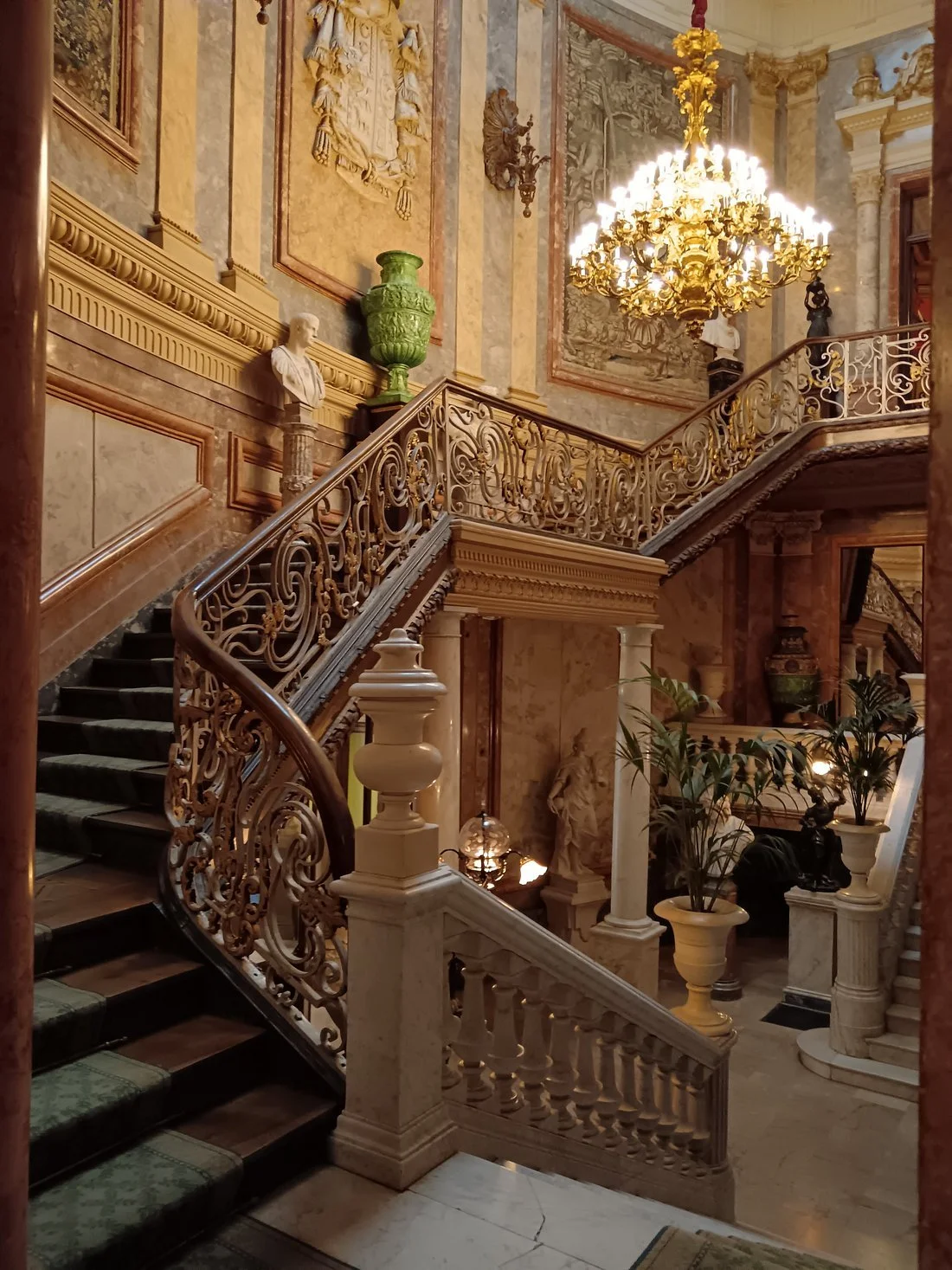
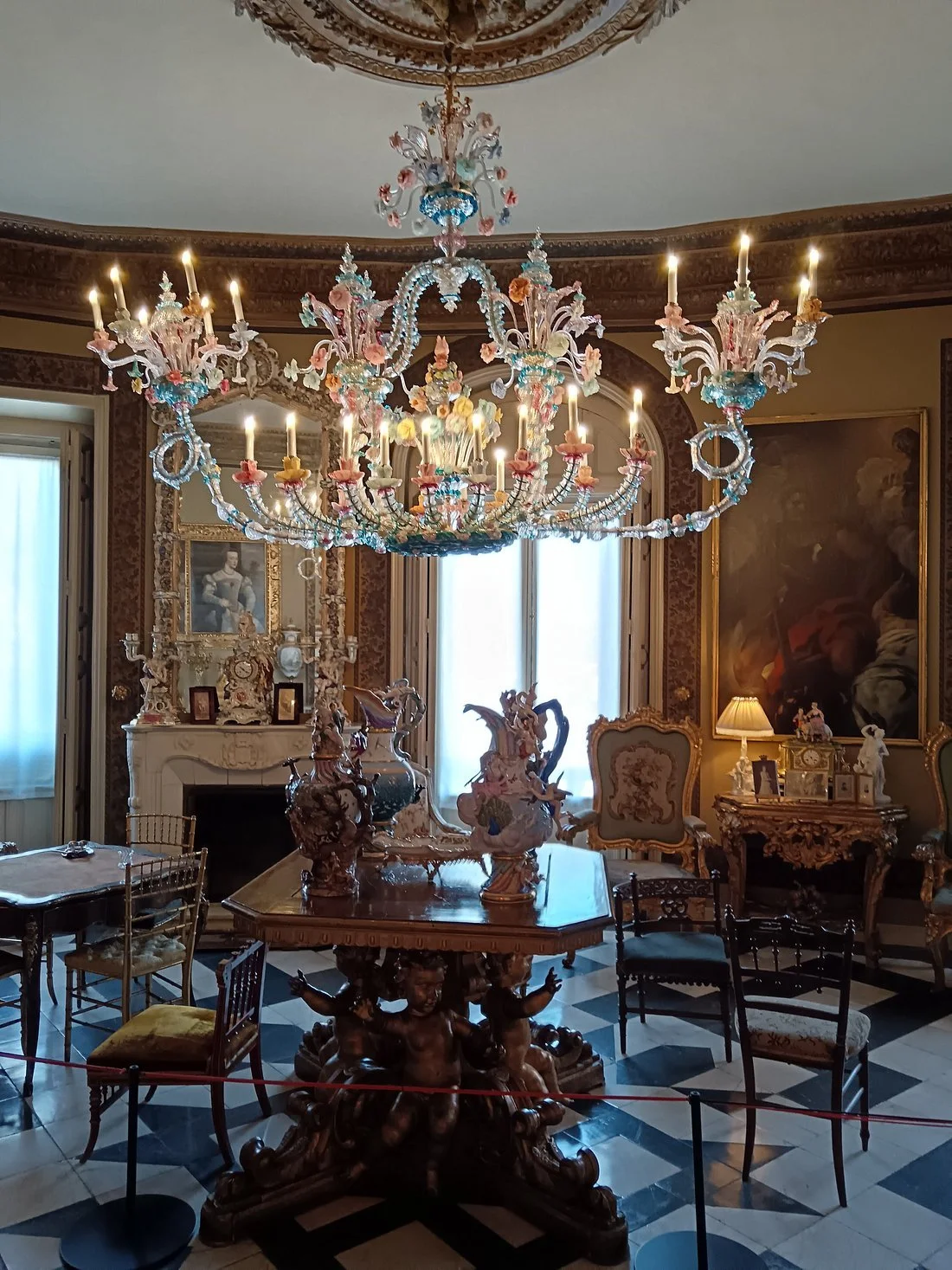
A bit of history, because this place has stories
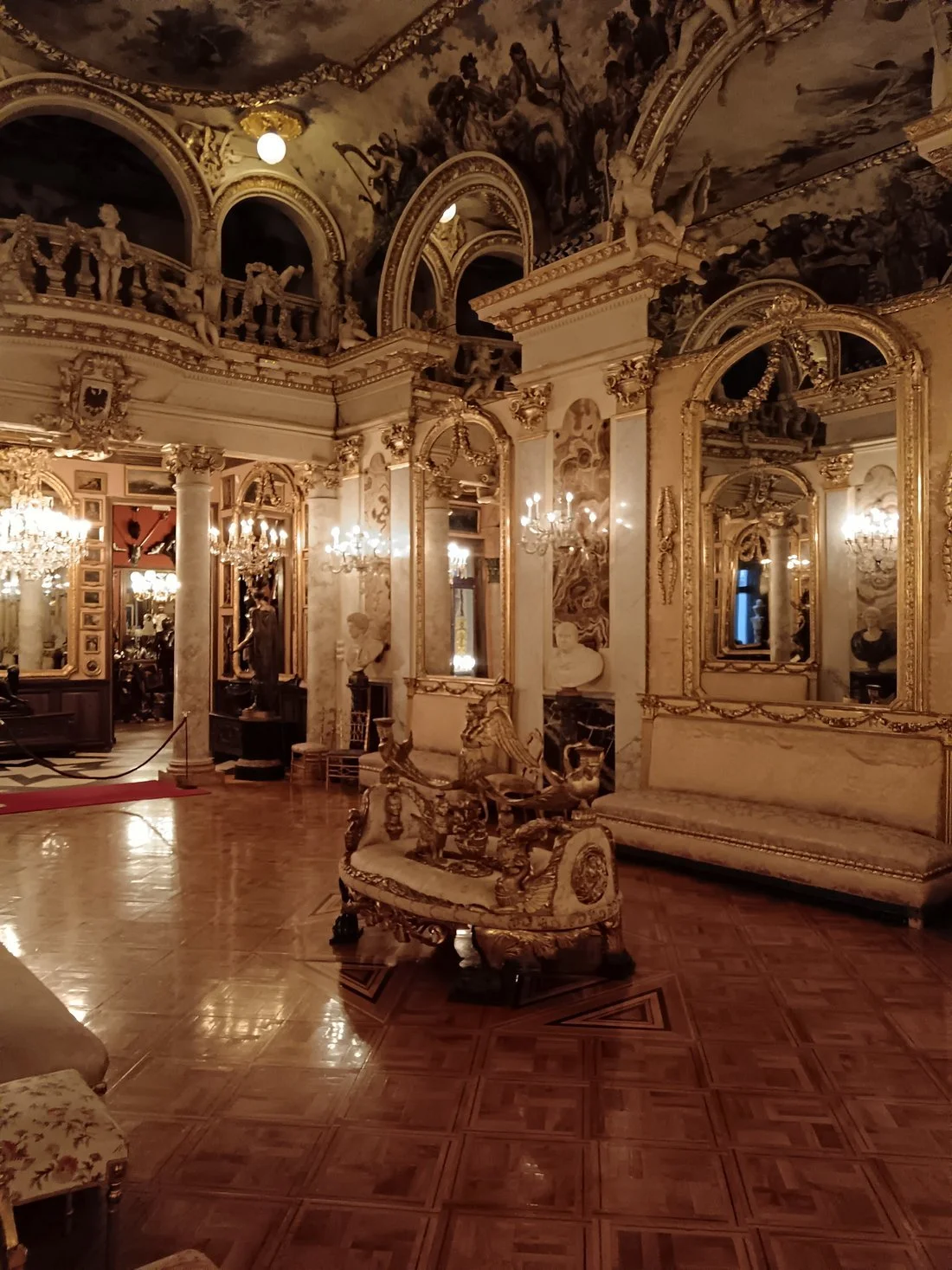
Museo Cerralbo doesn’t feel like a typical museum, and that’s exactly why it’s so special. This was once the private home of Enrique de Aguilera y Gamboa, the Marquis of Cerralbo - a 19th-century aristocrat with a serious love for art, archaeology, and collecting basically everything beautiful he could get his hands on. Instead of donating pieces to different institutions, he designed his home to be a living showcase of his collection. After his death, the house and everything inside it were preserved and turned into a museum, almost exactly as it was.
Walking through it now feels less like visiting a museum and more like being let into someone’s incredibly elegant, slightly overwhelming home. Nothing is minimalist here. Every room is full - paintings, furniture, tapestries, clocks, porcelain, weapons, books. It’s rich, dramatic, and unapologetically detailed.
How long does it take?
You don’t need a whole day, but you do need patience. Inside, I spent about an hour to an hour and a half, moving slowly and soaking it all in. The bigger challenge is the queue outside. I got lucky and waited around 15 minutes, which felt like winning a small travel lottery. Other days, people wait up to two hours - Vatican-level patience is sometimes required.
If you can, go earlier in the day or check quieter times. And if you do end up waiting, just accept it as part of the experience. This place earns its queue.
The main experience: walking through a frozen moment in time
The moment you step inside, Madrid fades away. The noise, the traffic, the heat - all gone. You move through grand staircases, lavish salons, and dining rooms that look like the hosts might return any second. Light comes through tall windows, reflecting off mirrors and gold details, and suddenly you’re moving through the 1800s instead of a modern city.
What struck me most was how intact everything feels. This isn’t art placed neatly on white walls. This is art living where it was meant to live. It feels intimate, almost personal, like you’re walking through someone else’s memories. As a solo traveler, it hit especially hard - quiet, reflective, and oddly emotional.
And yes, it is genuinely one of the most beautiful museums I’ve ever been to. Not because it’s huge or famous, but because it feels real.
Final thoughts
Museo Cerralbo is not a quick stop, and it’s definitely not a place you rush. You wait, you wander, you slow down. And once you’re inside, you understand why people line up for it. If you’re looking for something different from the big, obvious museums in Madrid - something that feels personal and timeless - this is it.
Just go in knowing one thing: the queue might test your patience, but the reward on the other side is absolutely worth it.
