Sleeping Inside Spanish and Portuguese History: Four 5-Star Hotels Across the Iberian Peninsula
May 2025 - A solo road trip through Ávila, Segovia, León, and Monção
There's a version of Spain and Portugal where every hotel is a glass box with a rooftop bar and a menu of detox juices. And then there's the version where you pull up to a property and realise that the building you're sleeping in watched the Spanish Transition happen from the inside, or housed knights on their way to Santiago, or sat on an 18th-century vineyard estate that's been quietly making Alvarinho for the better part of three centuries.
I was on the road for just over a week through Castile and León and into northern Portugal, driving myself and staying exclusively at 5-star properties. This post is about the four that earned the asterisks.
One thing before we start: I always take the lowest category room available. Not because I'm being frugal, but because I believe a hotel's entry-level room tells you everything you need to know about the property's standards. If the base room is excellent, you know the whole operation is serious. If it's a disappointment, no upgrade is going to fix how a place fundamentally runs. Keep that in mind as you read. None of these were disappointments.
Hotel 1: La Casa del Presidente
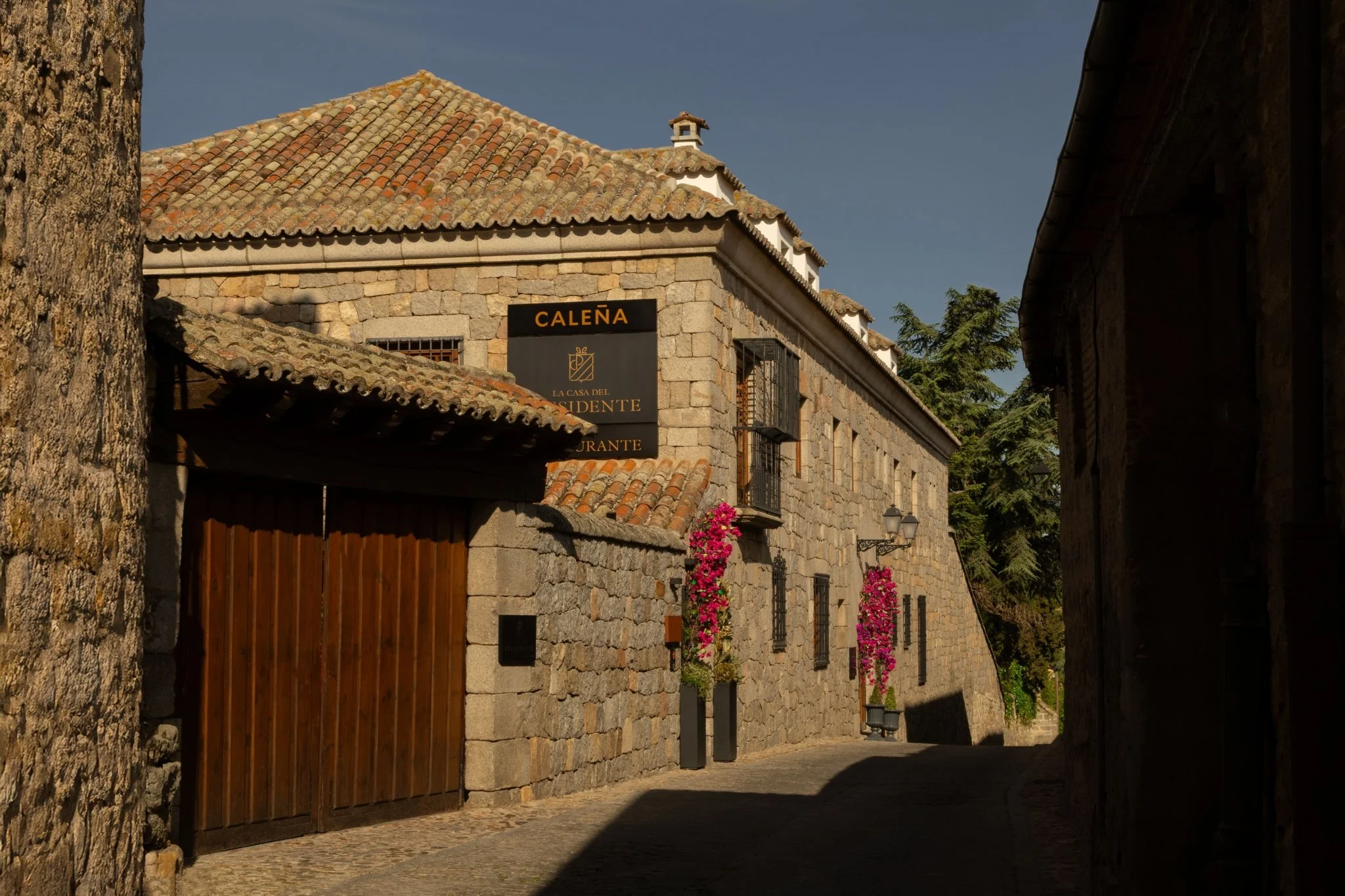
Image courtesy of La Casa del Presidente Small Luxury Hotels
Calle de los Telares, 1 - Ávila | Check-in: 24 May, 1 night
Part of Small Luxury Hotels of the World | Only 5-star hotel inside the walls of Ávila
The history
There are hotels with history, and then there is La Casa del Presidente. This is the house that Adolfo Suárez, Spain's first democratically elected Prime Minister after Franco, commissioned to be built in the 1970s in the heart of Ávila, the city where he grew up. He lived here for over a decade. During his four-and-a-half year tenure, Suárez often used this country retreat to negotiate deals with ideologically opposed factions, from Francoist conservatives to the leader of the newly legalised Communist Party. The conversations that shaped modern Spain happened within these walls. The Spanish Constitution was being drafted during the years this house was most active, and some of those negotiations happened right here.
By the mid-1990s, after Suárez's fortune was devastated by attempts to fund medical treatments abroad for first his wife and then his daughter, the property was repossessed by the bank. It sat, changed hands, and eventually was carefully converted into what it is now: the only five-star boutique hotel within the walls of Ávila, forming part of the Authentic Heritage Collection - a private-sector alternative to the state-owned Paradors group.
The most recent renovation completed in November 2024, which included the new Caleña restaurant, new bathrooms for the restaurant area, and a new independent restaurant entrance.
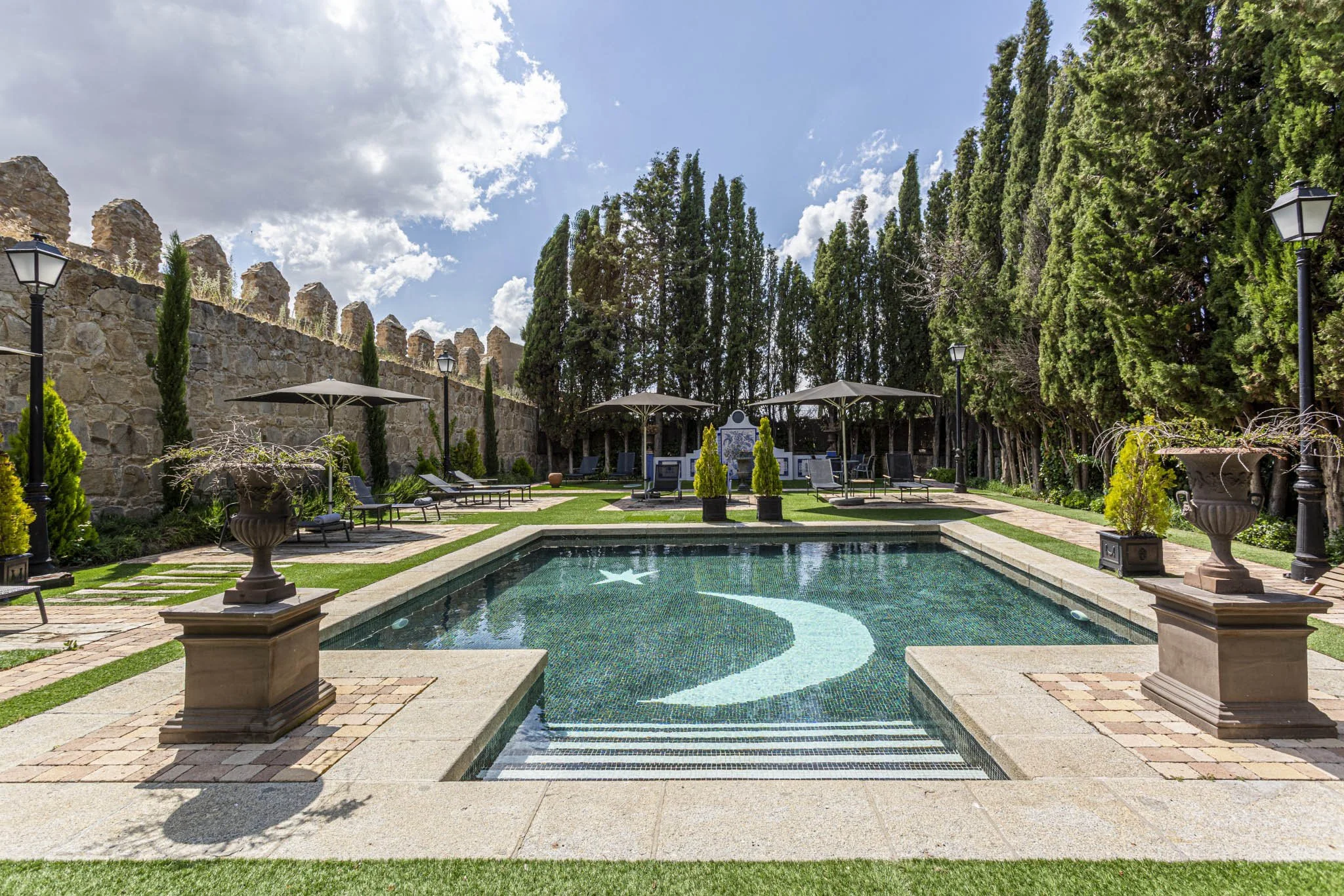
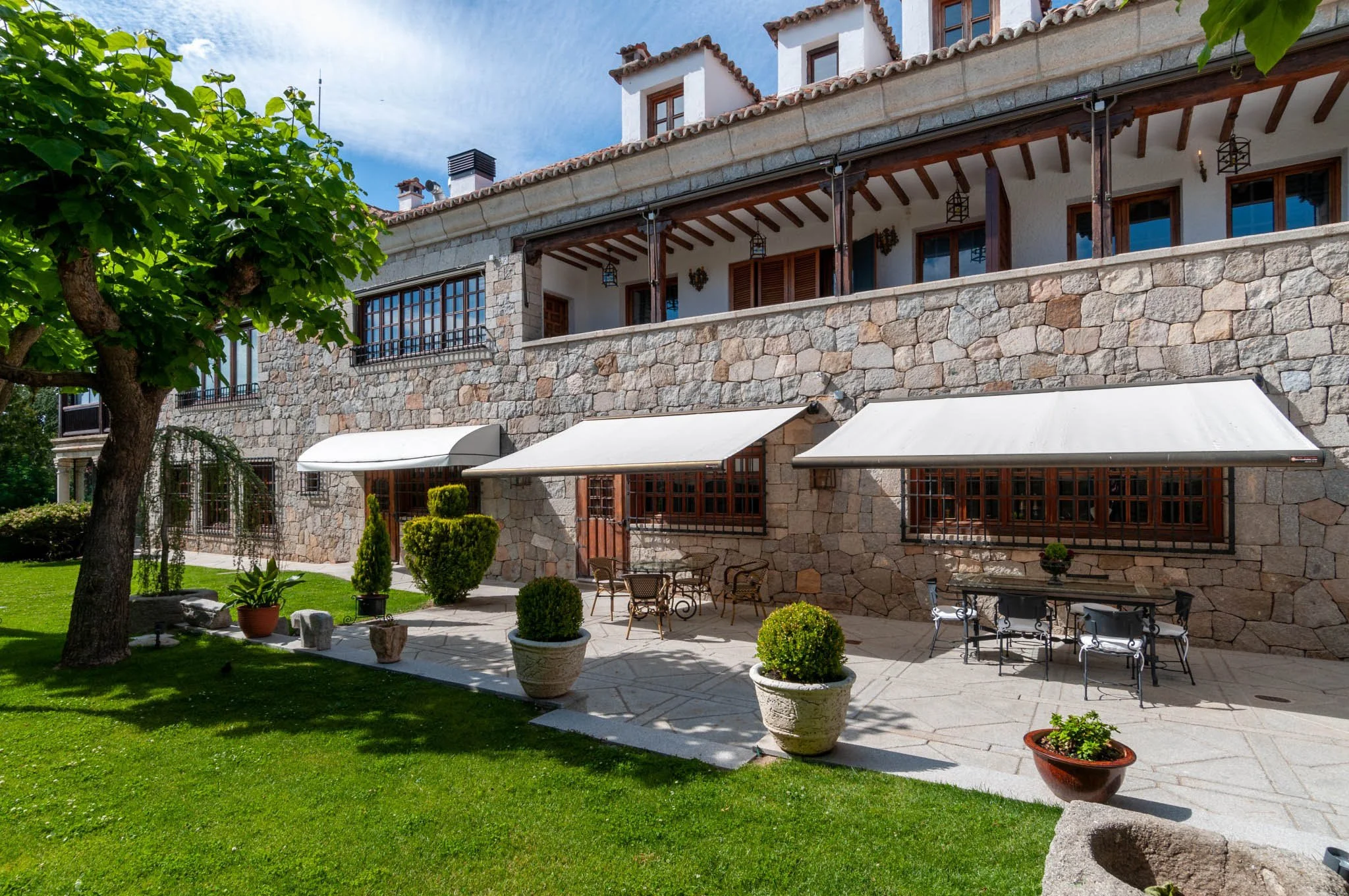
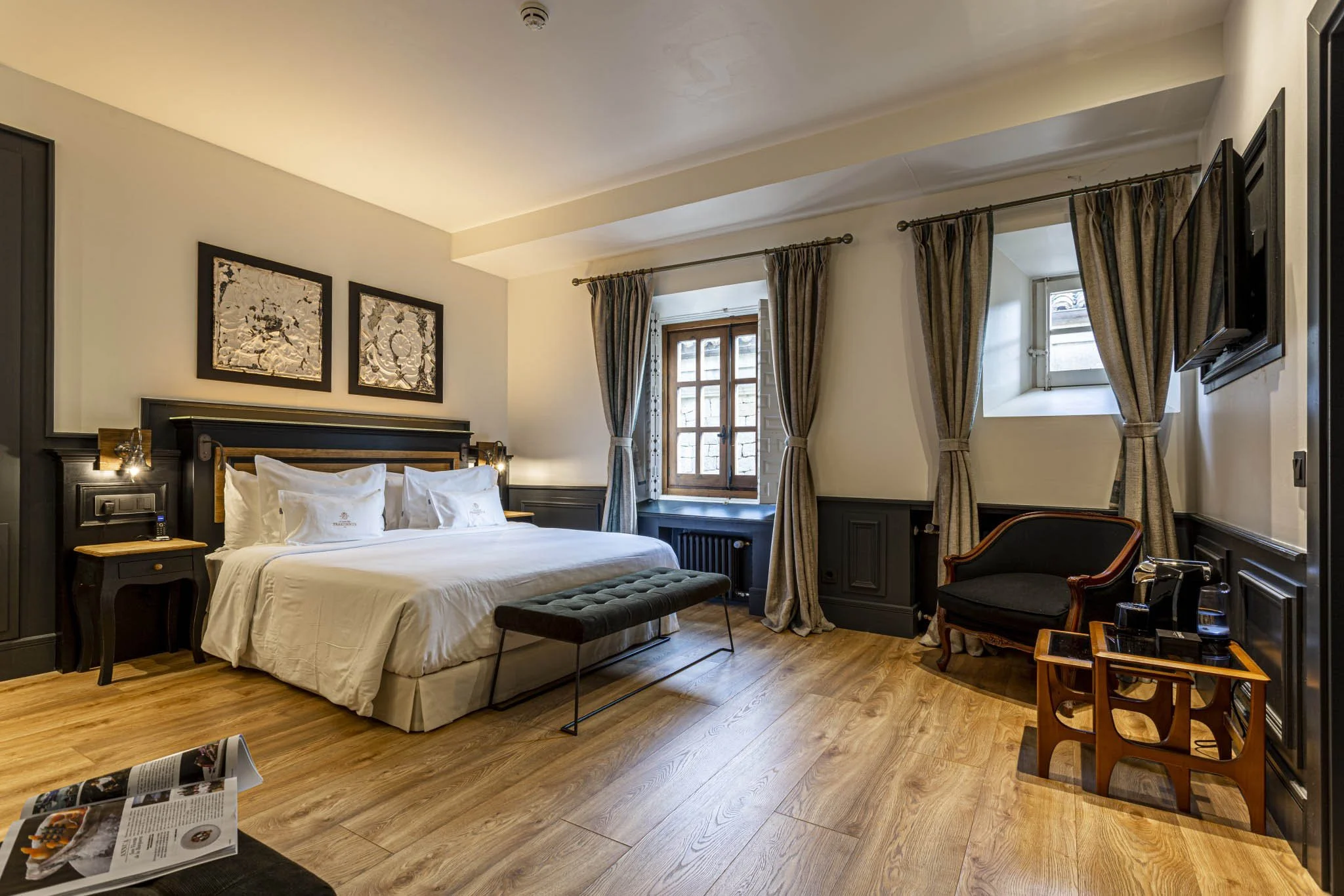
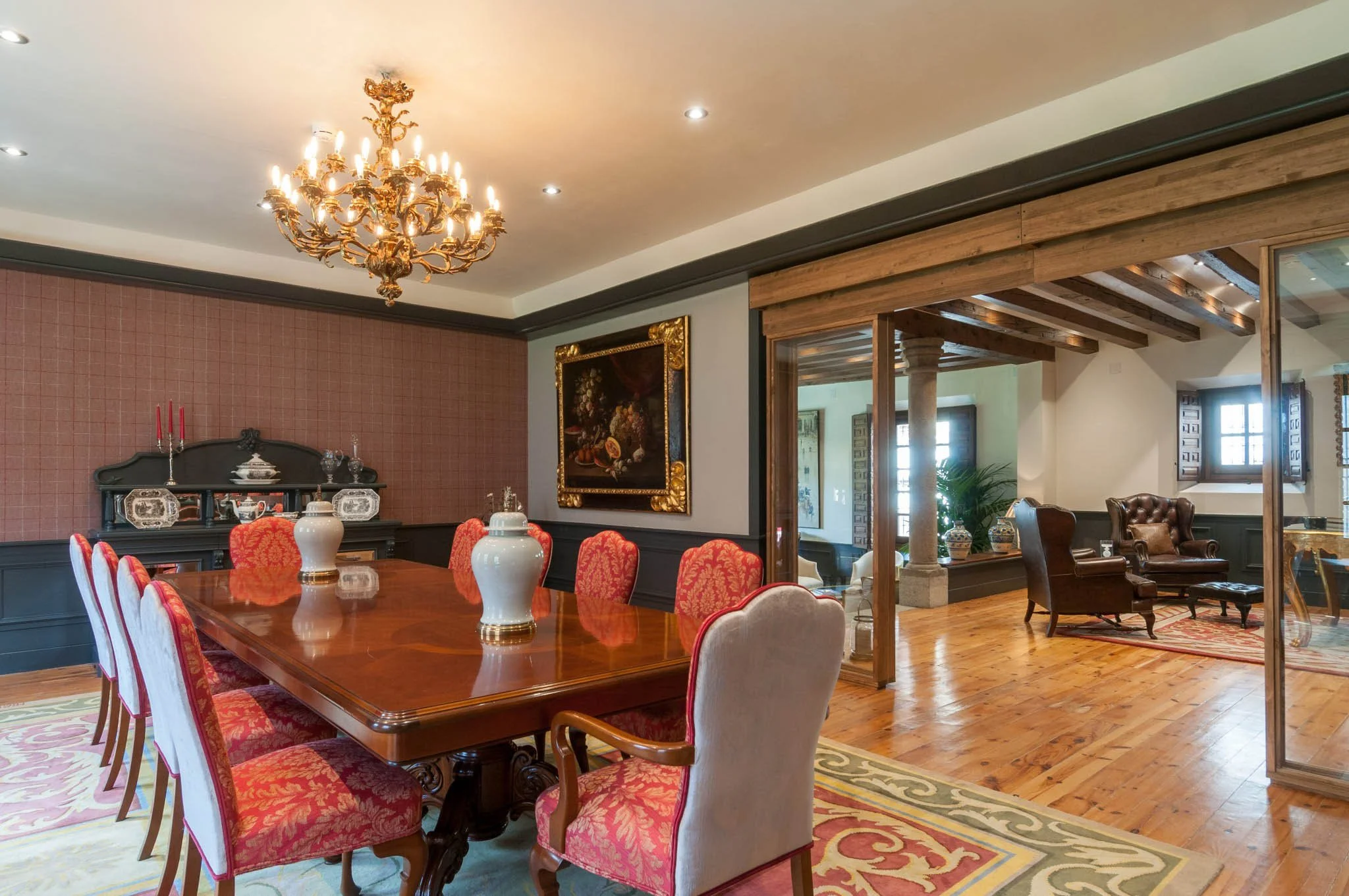
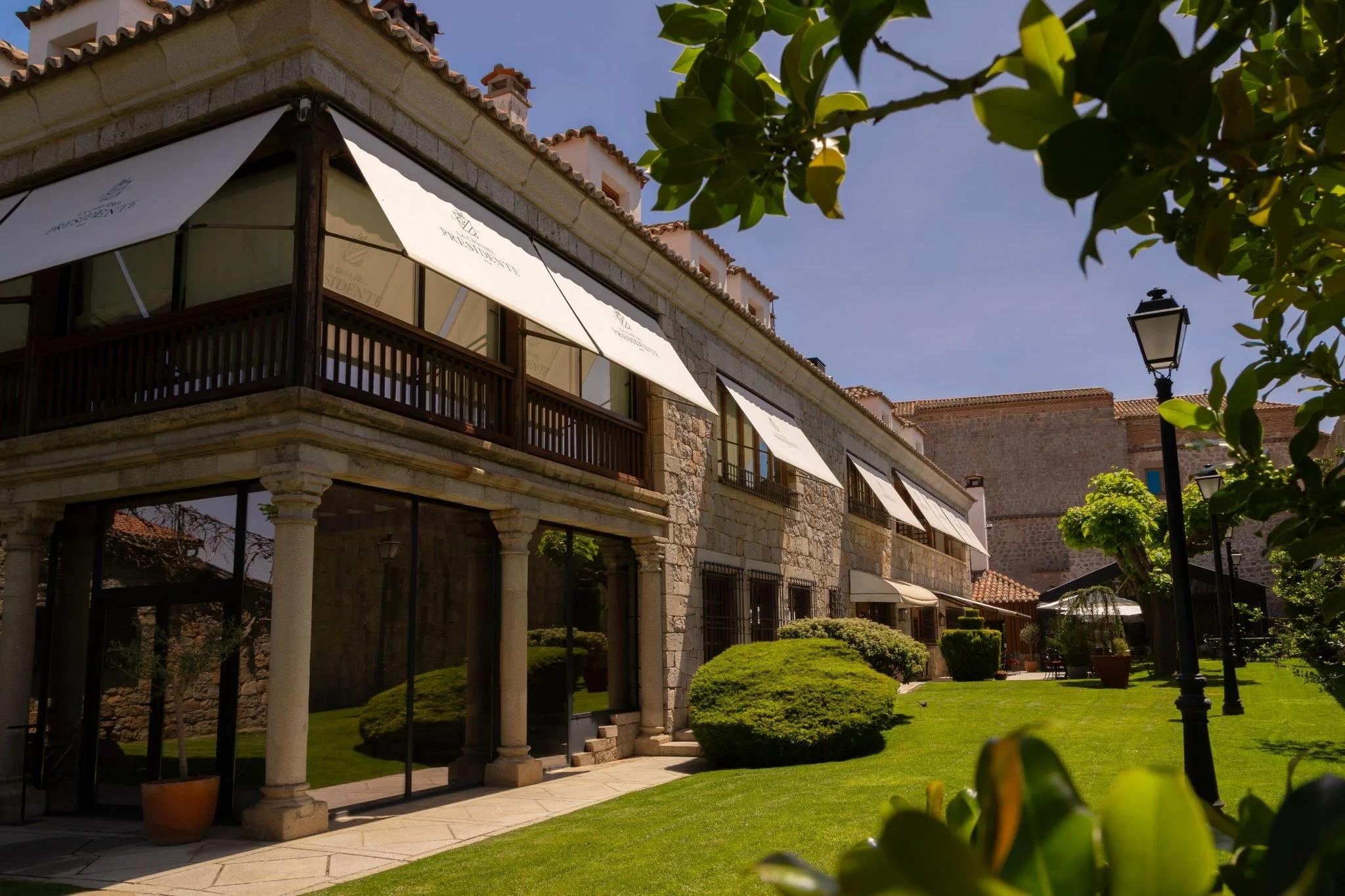
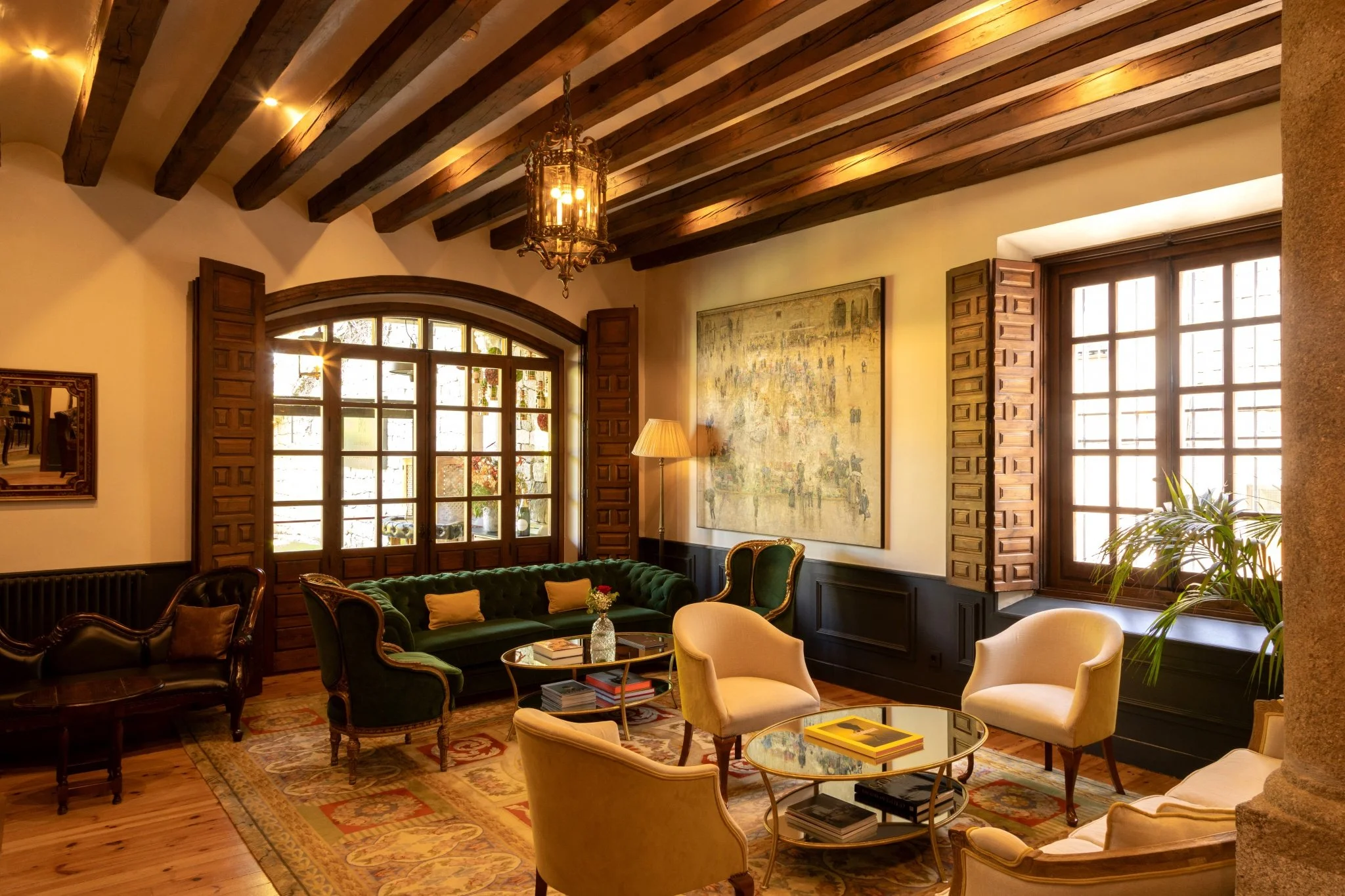
Images courtesy of La Casa del Presidente Small Luxury Hotels
The size
Just ten rooms in total, each named after one of Suárez's core values. You are not staying in a hotel, you are staying in someone's house. A historically significant, beautifully maintained, exceptionally staffed someone's house. All ten rooms have king-size beds and en-suite bathrooms. The hotel can also be rented as a complete property for exclusive buyouts, which says everything about how private and contained this experience is.
The room
I stayed in the lowest category, an Executive room. Rooms are spacious with large bathrooms and a view from the bathtub, and the décor carries a very deliberate 1970s residential tone - warm woods, quality textiles, black-and-white photography of political life, and personal objects that make the room feel less like a hotel room and more like a very well-appointed spare bedroom in a statesman's home. The bed is large and proper. The WiFi is solid. Fine bathrobes are provided as standard. The overall feeling is quiet luxury without performance no ostentatious marble, no effort to impress, just genuine quality and considered detail.
The lobby
You check in inside what was Suárez's former private office. The room is filled with a large desk, wall-to-wall bookshelves, and black-and-white photographs of the man himself. One of him in parliament. One with a young King Juan Carlos, both laughing. One mid-speech. There is also, if you look for it, a small secret door built into one of the walls - Suárez's planned escape route in case of emergency. The team don't need it anymore. But it's still there.
Breakfast
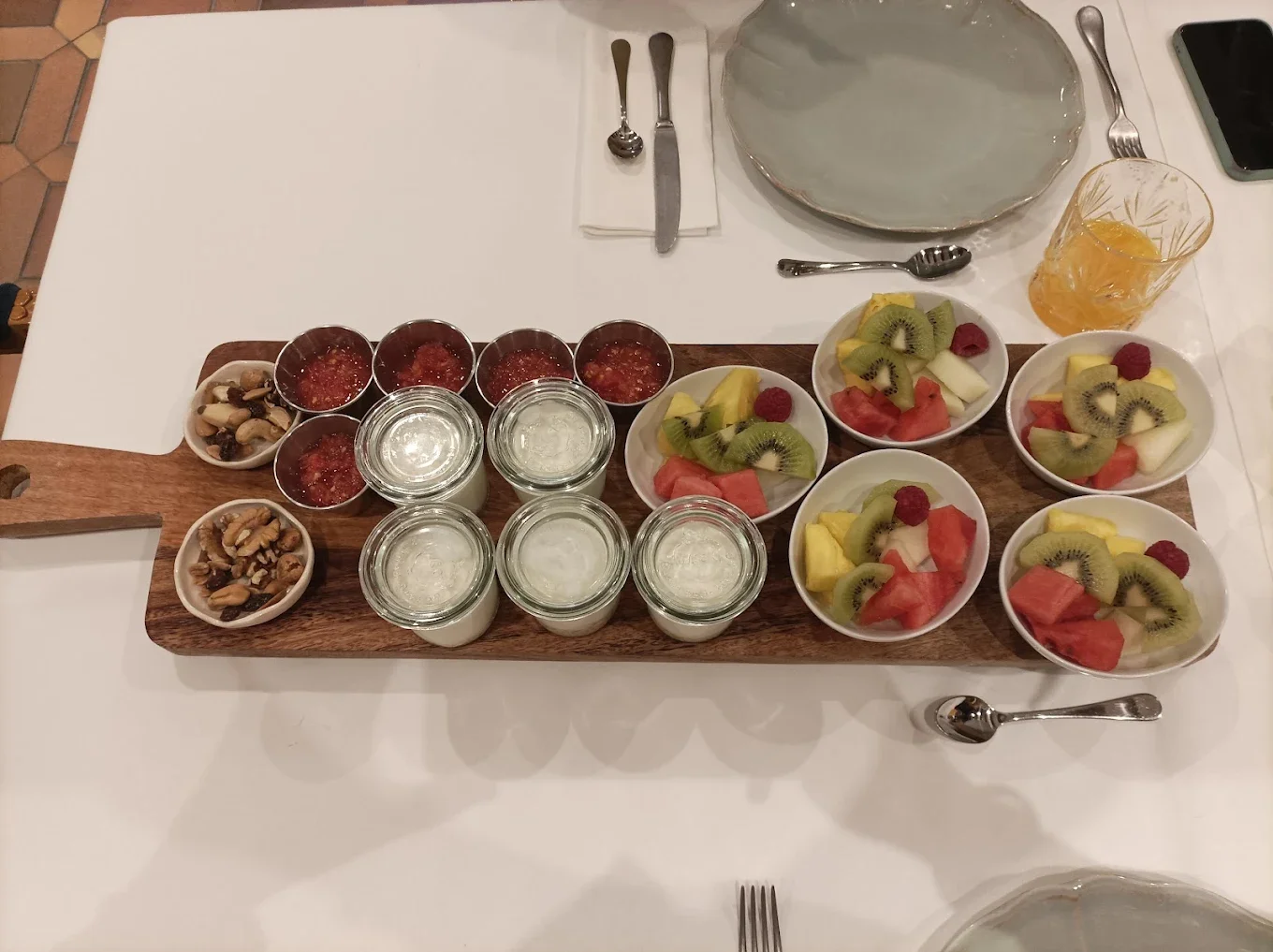
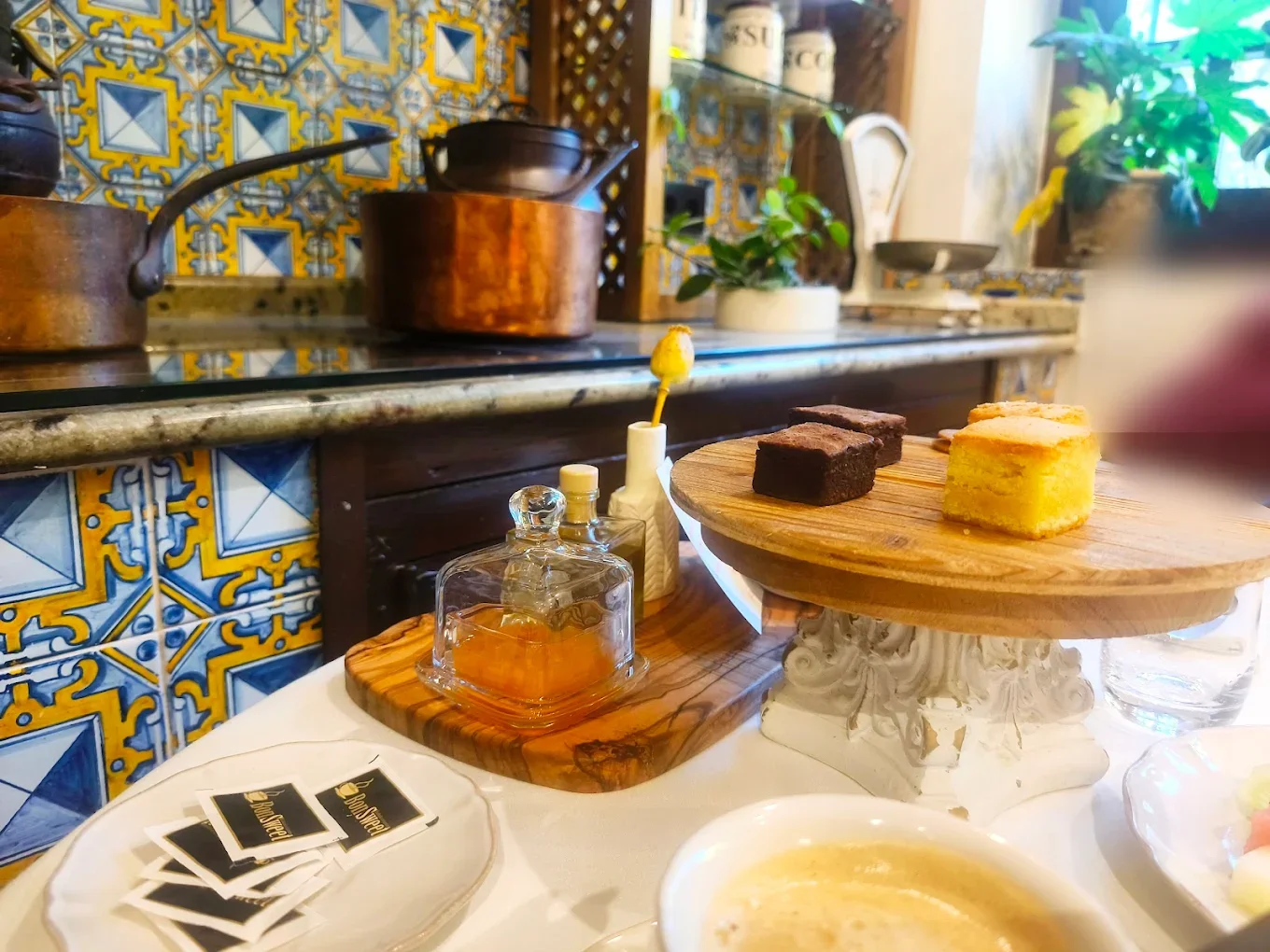
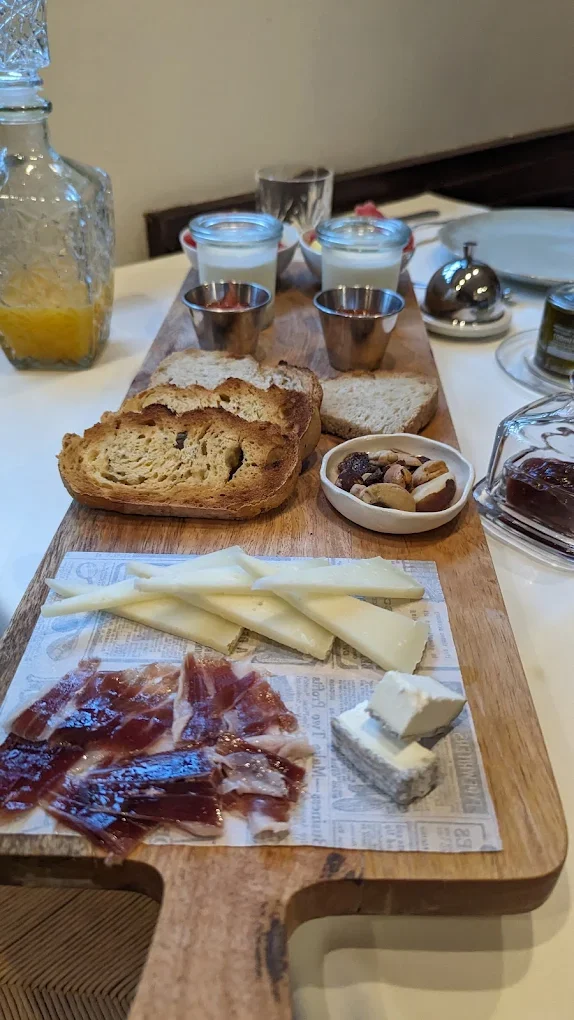
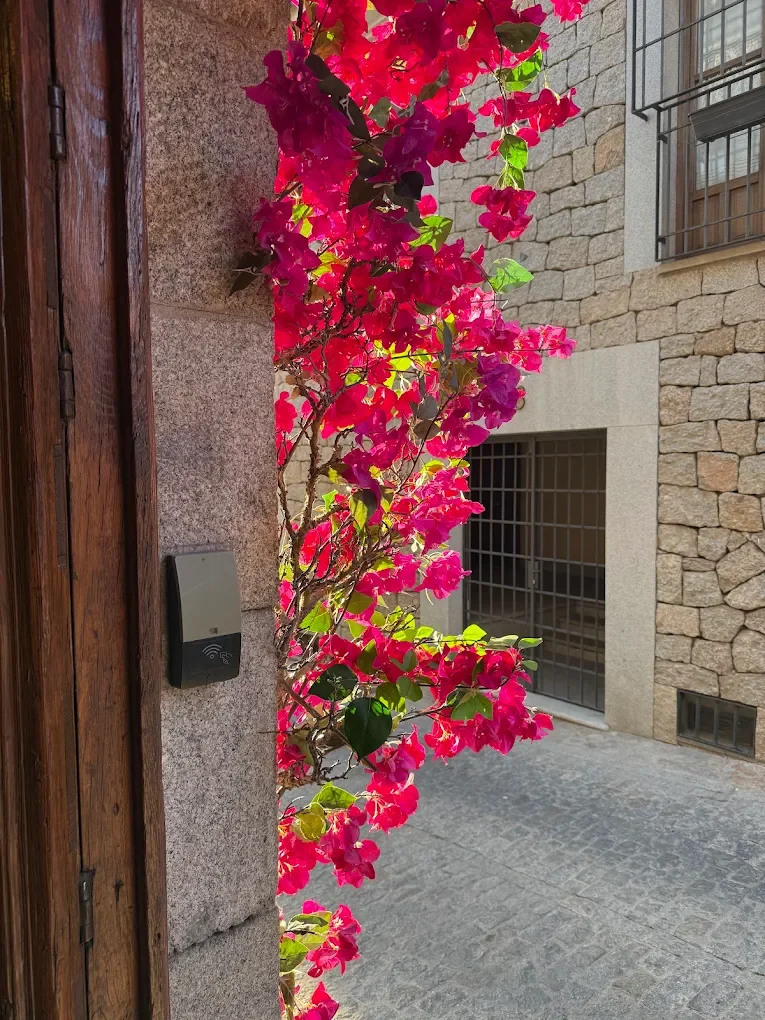
Breakfast is served in the original kitchen of the house, every morning between 8:30 and 10:30am. The spread includes local, natural products: bread from La Tahona del Sotillo - a workshop over 100 years old using stone-milled flour and stone-baked slow-fermented loaves - alongside cheeses and yoghurts made in the region. It's not a buffet spread for 200 people. It's thoughtful, intimate, and genuinely regional. Exactly right for this kind of property.
The restaurant Caleña is also here, recently awarded a Repsol Sol - the Spanish equivalent of a Michelin recognition, in record time after opening. Worth booking for dinner if your evening is free.
Parking
Paid on-site private parking is available. Not valet, self-park, but secure and on the property. For a hotel this size inside a medieval walled city, that's genuinely impressive.
The overall feeling
Ten rooms. A building that helped shape a democracy. Staff who offer you a guided historical tour of the house when you check in. A breakfast served in the original presidential kitchen. Caleña for dinner. A garden with direct access to the Wall of Ávila and the original pool just beyond it. I've stayed in 5-star hotels on four continents and very few of them have had this kind of weight to them - the sense that you're not just occupying a room, but temporarily inhabiting a piece of history.
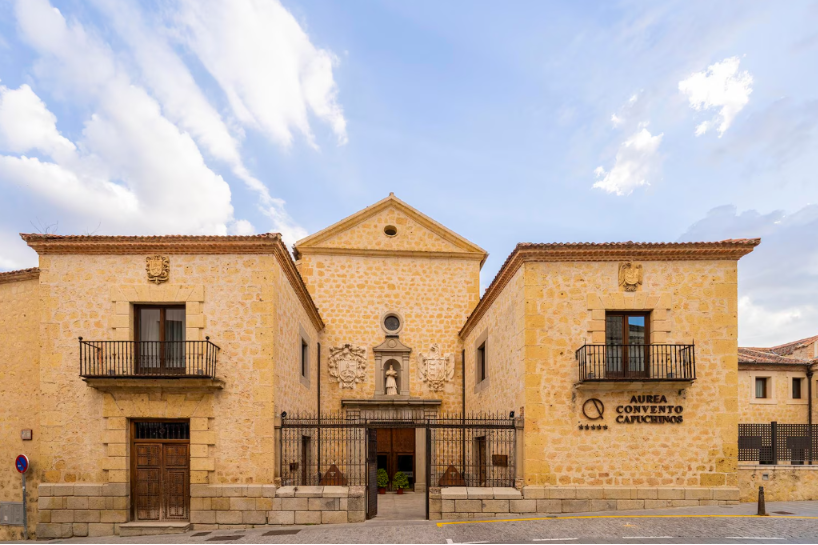
Image courtesy of Áurea Convento Capuchinos by Eurostars
Plaza de los Capuchinos, 2 - Segovia | Check-in: 25 May, 1 night
The history
Staying in a thoughtfully restored convent is an experience unto itself. The Áurea Convento Capuchinos occupies a former Capuchin monastery in the heart of Segovia's old town, a building that is close to 400 years old. From the smart, corporate furnishings, tufted black leather headboards, beamed ceilings, walls hung with photographs of local sights - you'd never guess the building is nearly four centuries old. That tension between ancient structure and contemporary interior is exactly what makes this place interesting.
The property sits directly beside Segovia's Plaza Mayor, next to the cathedral, and within walking distance of the Alcázar and the Roman aqueduct. The location is about as central as you can get in Segovia.
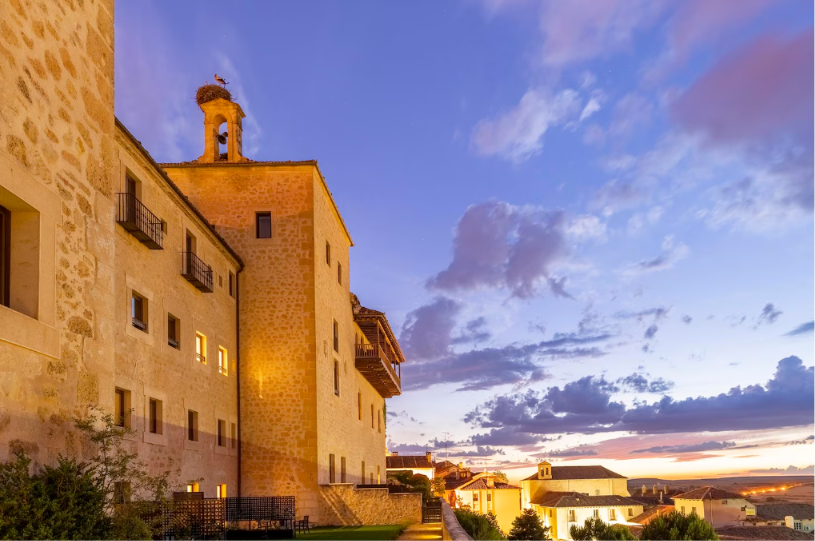
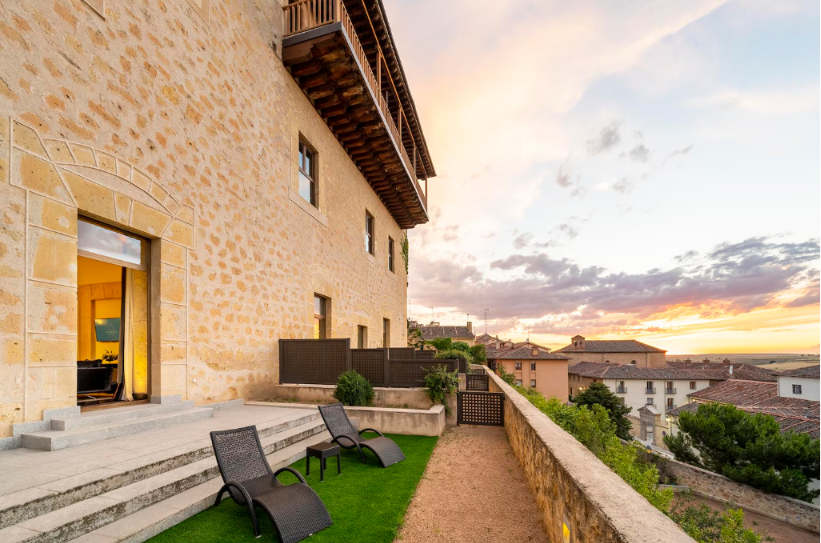
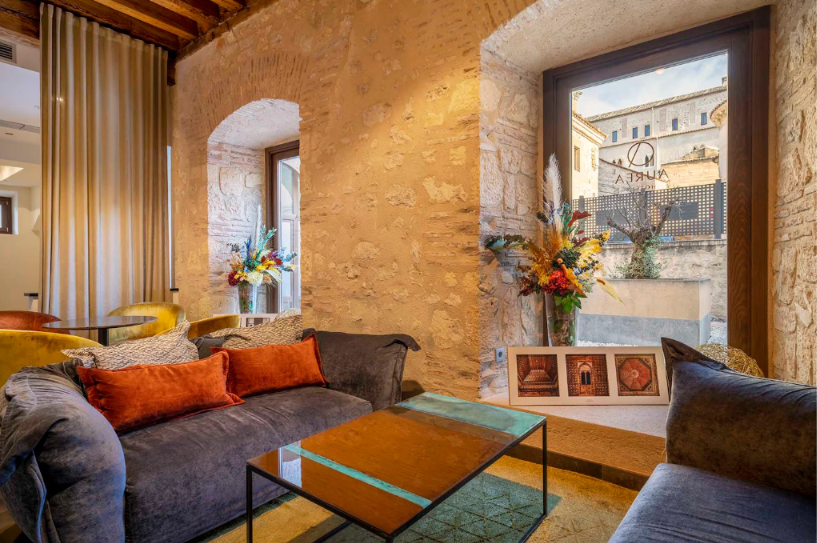
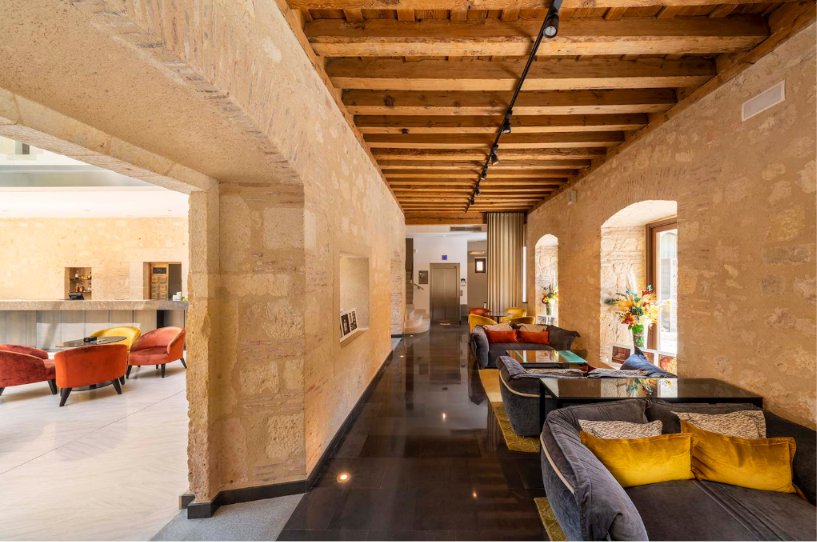
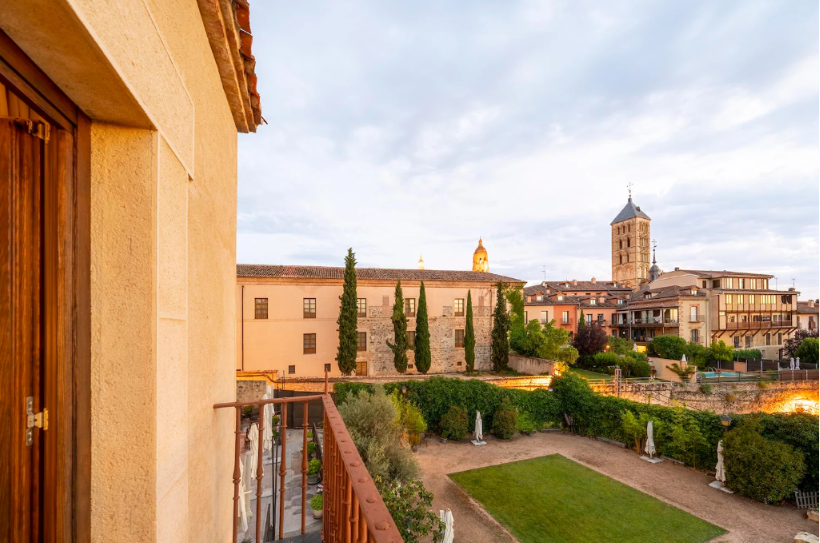
Images courtesy of Áurea Convento Capuchinos by Eurostars
The size and renovation
The former monastery has two large cloisters, gardens with a terrace, a breakfast lounge, and meeting rooms. The renovation was handled with genuine care: it was done exceptionally well, you feel part of the history rather than separated from it, while every aspect of the facility is spotless.
The room
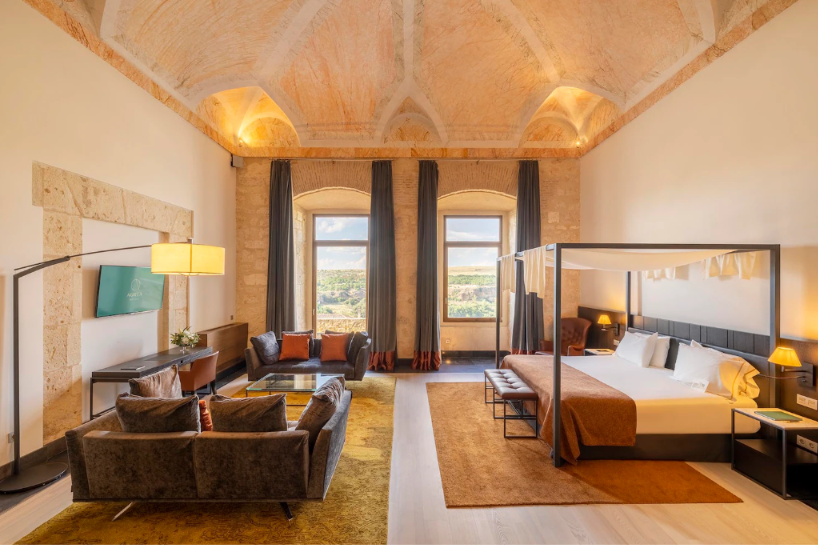
My room had a king-sized bed, lots of storage, a beautiful large bathroom with modern features including a bathtub, and a view out the window showing a terrace and a beautiful view of Segovia's surroundings. The blackout curtains are there and they work, which as a solo traveller who operates on his own schedule, I always appreciate. Minibar stocked, in-room safe, desk, good WiFi. The bathroom toiletries are the standard luxury hotel fare, clean and well-presented.
The rooms carry that monastic stone and timber DNA in the ceilings and walls, then layer contemporary furniture on top. Tufted black leather headboards and beamed ceilings are not a combination you expect to work, and they absolutely do.
Breakfast
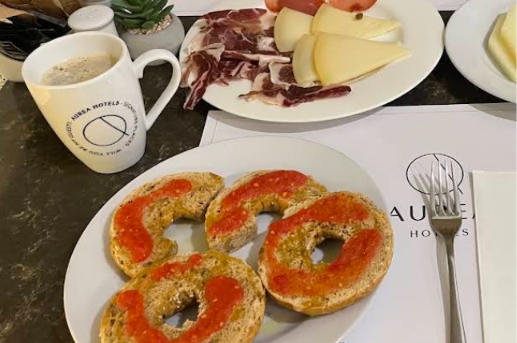
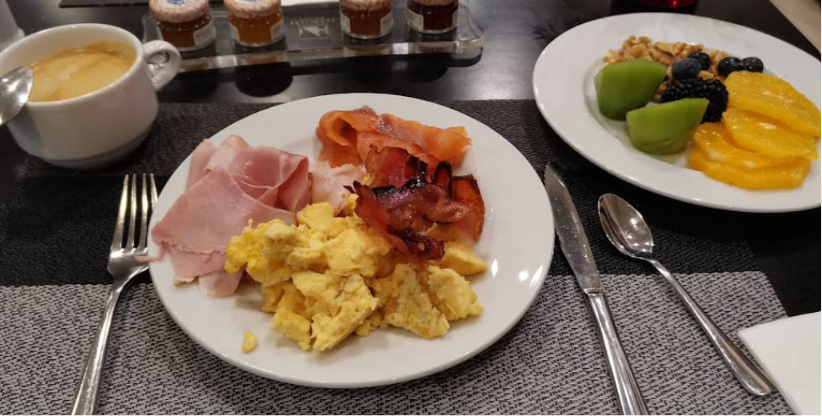
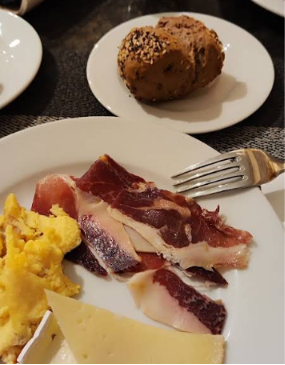
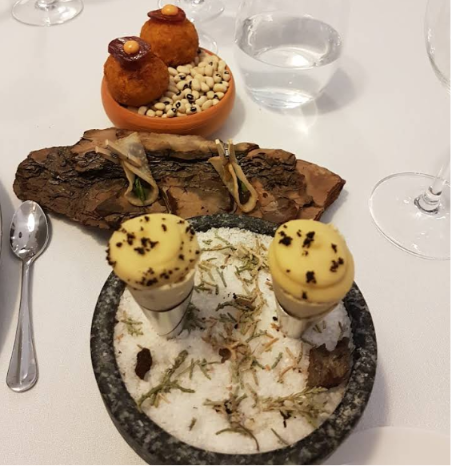
Breakfast received consistent praise from reviewers as exceptional. One honest reviewer noted that for egg options specifically, the selection could be limited - useful to know if eggs aren't your thing. The setting for breakfast, inside the old monastery building, is worth experiencing regardless of what you eat.
Parking
The hotel is connected directly to the old town parking, which multiple guests flag as a significant practical advantage. Not valet. You park yourself in the adjacent multi-storey and walk in. For a hotel in the middle of a UNESCO World Heritage old town, having any parking solution at all is a win.
Spa
For an extra cost, there is a spa offering an indoor swimming pool, Turkish baths, contrast showers, and a relaxation zone. Worth it. The spa is well-kept and the indoor pool is a solid option if you want to move after a day of walking Segovia's cobbled streets.
The overall feeling
Segovia is one of those cities that hits harder than expected. The aqueduct alone, two storeys of Roman stonework standing in the middle of the city without a drop of mortar, still structurally sound after 2,000 years - is worth the drive. And then you come back to a hotel that's been here for 400 of those years. The Áurea isn't the most intimate property on this list, it's part of the Eurostars group and runs with that kind of corporate efficiency, but the building it occupies is extraordinary and the renovation respects it fully.
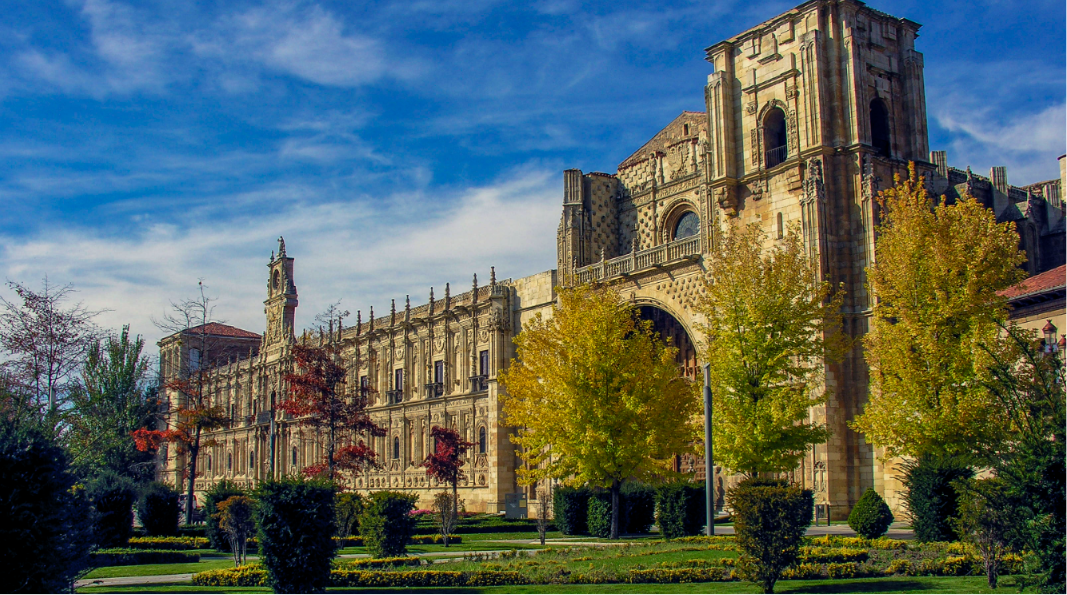
Image courtesy of Parador de León (Hostal de San Marcos)
Plaza de San Marcos, 7 - León | Check-in: 26 May, 1 night
The Paradores national hotel chain | Spain's most important Renaissance building
The history
This one. This one is something else.
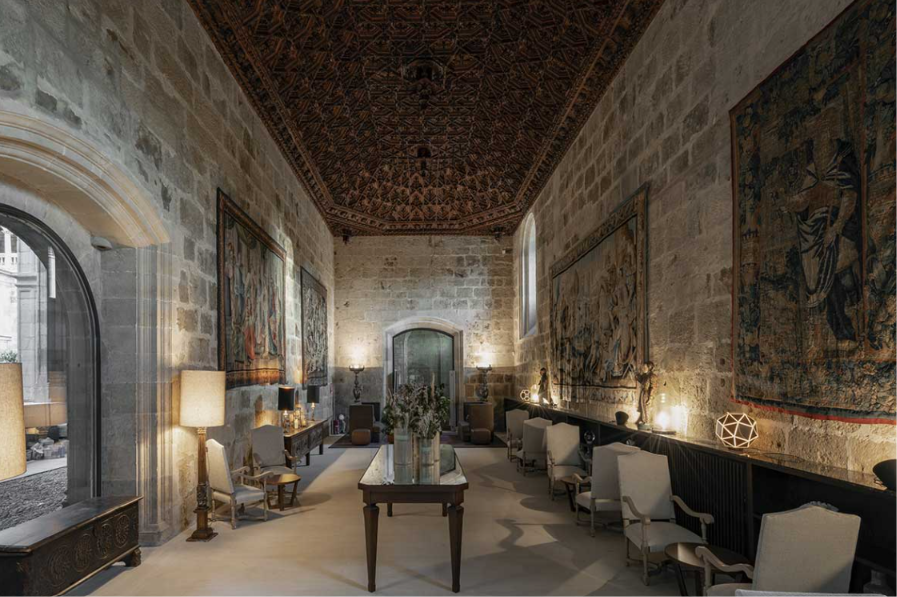
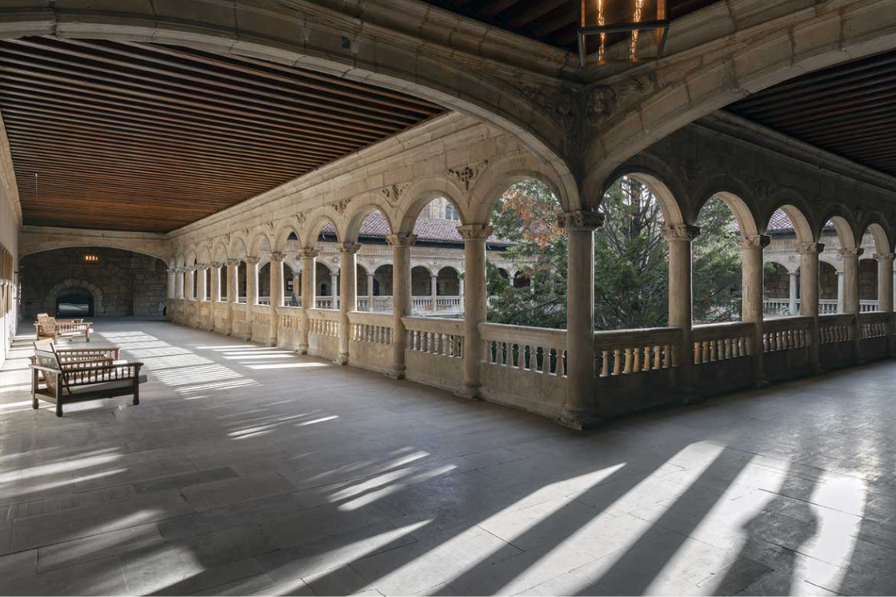
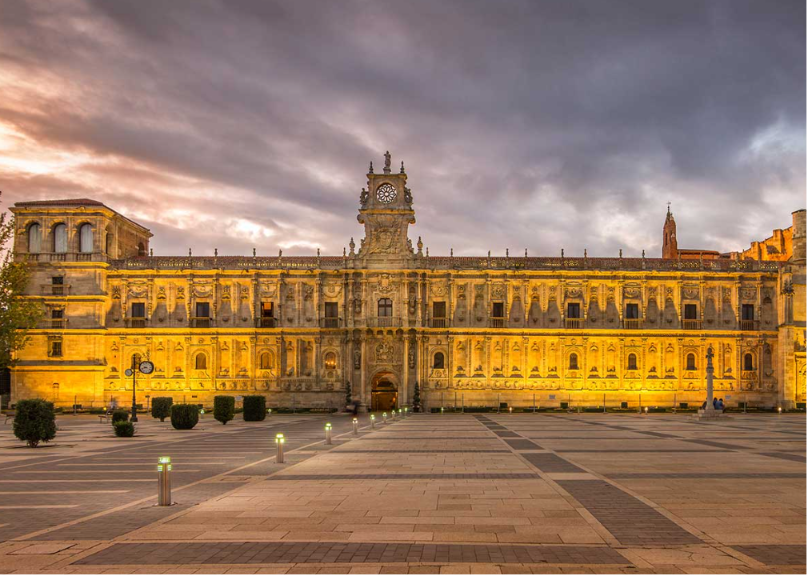
The Parador de León is housed in the former 16th-century headquarters of the Military Order of Saint James, financed by King Ferdinand after the Reconquest and containing a cloister, chapter house, and some of the most astonishing carved stone façadework in Europe. Over the centuries, the building has served as a military barracks, a military prison, a veterinary college, and even as stables. Francisco de Quevedo, one of Spain's greatest writers, was imprisoned here. Pilgrims on the Camino de Santiago slept here before setting off on the last stretch of their journey.
This is your chance to sleep in one of Spain's finest Renaissance buildings, famous for its lavishly sculpted Plateresque façade. That façade, 328 feet long, two storeys high, covered in friezes, columns, pilasters, and medallions in relief depicting personalities from the Bible and Roman and Spanish history, is the first thing you see when you pull up, and it stops you in your tracks every time.
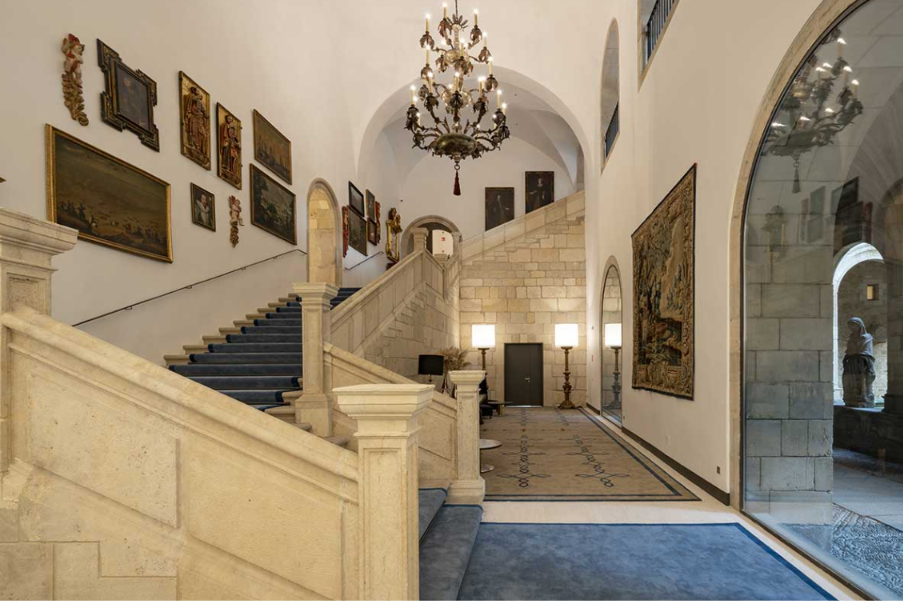
Images courtesy of Parador de León (Hostal de San Marcos)
The renovation
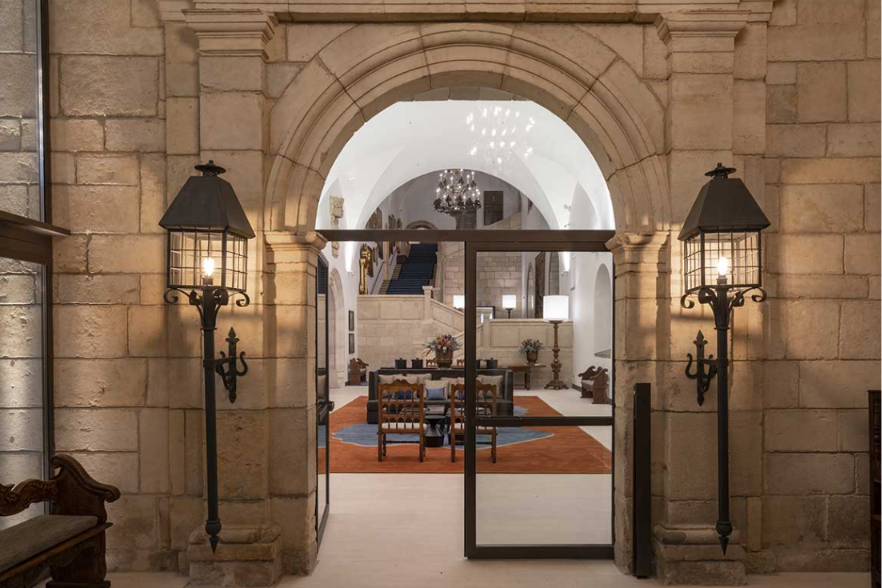
The Parador closed in December 2017 for a complete three-year refurbishment, funded with a €15 million investment, and reopened on 3 December 2020. The renovation recovered the original volumetry of the building around a central courtyard atrium, referencing the Roman domus from which all other uses extended. The result is a building that feels entirely contemporary in its comforts while preserving every inch of its historic bones. Not everyone loved the modernisation of the interior, some felt it stripped warmth from a 16th-century building, but the facilities are now fully 5-star and the rooms are genuinely excellent.
The size
226 rooms. This is by far the largest hotel on this list. You are not staying somewhere intimate. But the scale of the building is so vast that it absorbs the guest count without feeling crowded, and the cloister, garden, and river terrace give you space to be entirely alone even at full occupancy.
The room
I stayed in the Standard Double, the entry-level room at 25 square metres, renovated in 2020 with premium bedding, heated bathroom floors, soundproofing, and air conditioning. The room is modest in footprint but immaculate in finish. Heated bathroom floors are not something you expect at the base category, and they're one of those details that communicate genuine care. The bed is excellent. The bathroom is clean and well-equipped.
Art collection
The Parador houses an exceptional antique collection including figures by Juan de Juni and the 16th-century choir stalls, alongside a contemporary art exhibition featuring works by Fernando Zóbel, Eduardo Chillida, and José Caballero, as well as an exclusive collection of 32 oil paintings by the painter José Vela Zanetti. Walking the corridors is genuinely like moving through a museum. You do not need to leave the hotel to have a cultural experience. Tripadvisor
Breakfast and restaurant
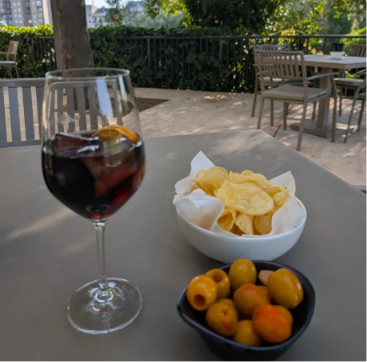
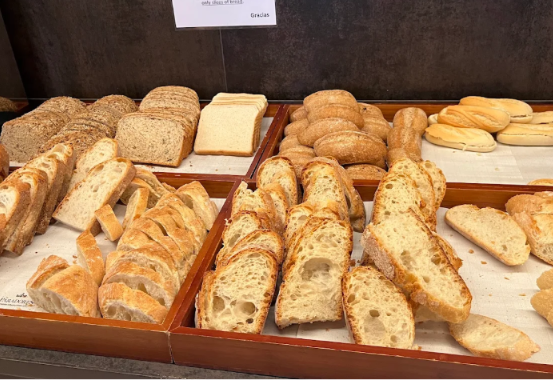
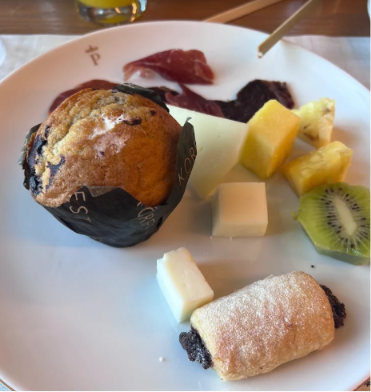
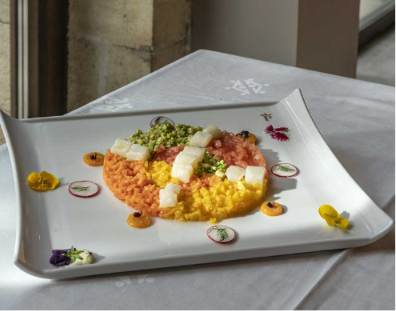
The breakfast is widely described as excellent, varied, generous, and worth staying in for. The restaurant, Rey Don Sancho, serves regional Leonese cuisine and the dinner is worth experiencing. Multiple reviewers mention the staff across every department, reception, breakfast, bar, restaurant, as among the warmest and most professional they've encountered in any Parador.
Parking
Complimentary parking is included. And yes, they drive your car in for you. That's valet-adjacent service at no extra cost, which at a hotel of this scale and price point is genuinely generous.
The overall feeling
The Parador de León is the most monumental hotel experience on this entire trip. Walking through the cloister at night, sitting on the terrace by the Bernesga River, standing in front of that Plateresque façade and trying to process that you slept inside it, there are very few hotel experiences anywhere in the world that match this for sheer historical weight and architectural drama. The 2020 renovation divides opinion but the building doesn't. It is, without exaggeration, one of the finest places to sleep in Europe.
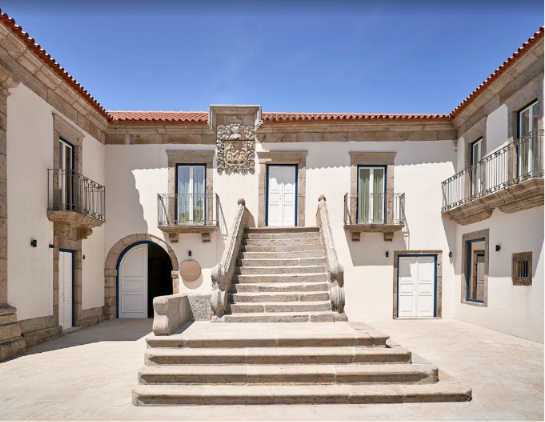
Image courtesy of The Vinea Collection Hotel by Piamonte Hotels
Quinta da Porteleira, Badim - Monção, Portugal | Check-in: 28 May, 1 night
Piamonte Hotels | Opened January 2026 - The first 5-star hotel in Monção
The history
The Vinea Collection Hotel is set within the historic Quinta da Porteleira, an 18th-century baroque manor house in the Alto Minho wine region of northern Portugal, right at the edge of the Peneda-Gerês National Park. The interiors honour the history of Quinta da Porteleira, which once belonged to the Soares de Tagilde family. The estate has been a wine-producing property for generations, and the Alvarinho grape, the region's signature variety, is still grown here across around 20 hectares.
The hotel opened on 30 January 2026, making it the first five-star property in Monção, and it arrived with serious credentials behind it. The winemaking is overseen by Anselmo Mendes, one of Portugal's most respected enologists, working with old-vine Alvarinho from altitude plantings on the estate.
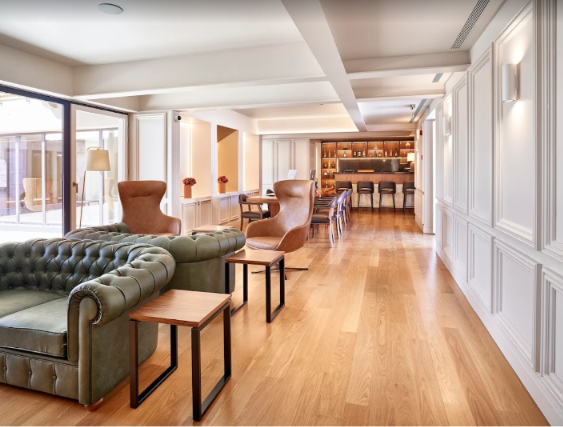
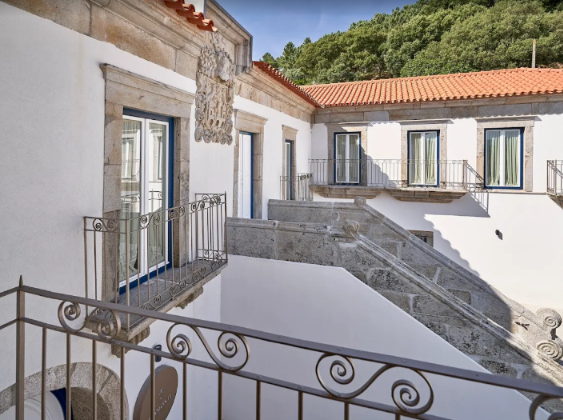
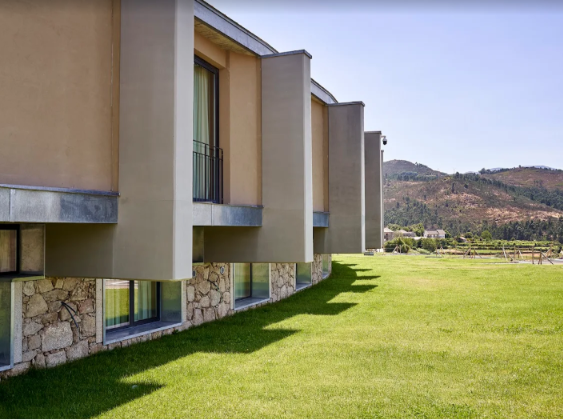
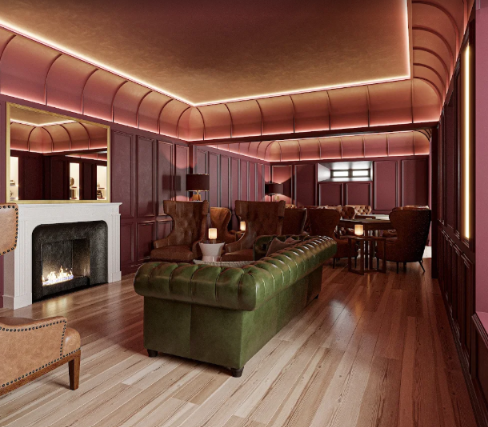
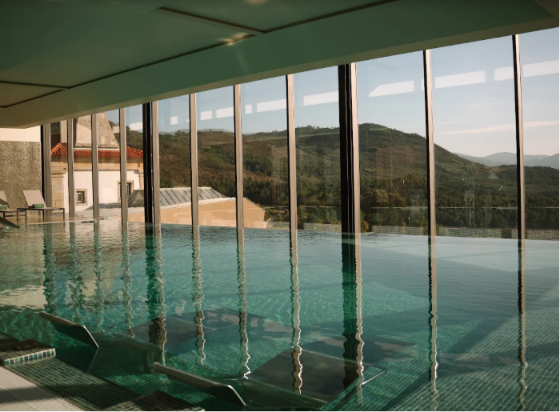
Images courtesy of The Vinea Collection Hotel by Piamonte Hotels
The size
67 rooms in total, spread across the manor and newer accommodation wings. Room categories run from Classic Double to suites. The property also includes meeting rooms, event spaces, and a business centre, giving it a dual identity as both a leisure retreat and a corporate venue.
The room
I stayed in the Classic Double, the entry-level category at 323 square feet. Rooms come with memory foam beds, down comforters, premium bedding, minibars, espresso makers, and bathrooms with hairdryers and bathrobes. The design carries that 18th-century baroque manor DNA, warm tones, quality textiles, stone accents, without feeling stuffy or frozen in time. Some rooms have mountain views, some have balconies. The base category gives you the comfort and quality without the panorama, which honestly is fine when the rest of the property is this good.
Breakfast
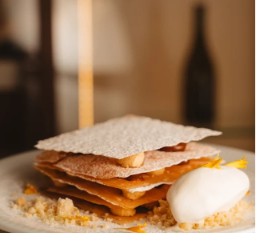
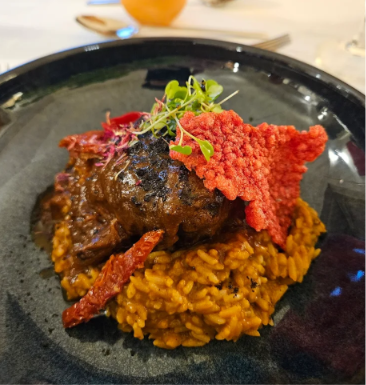
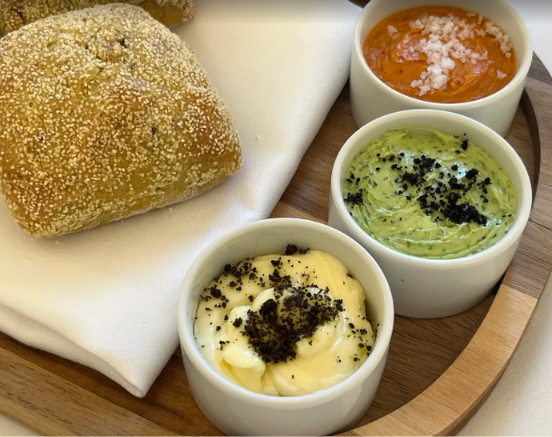
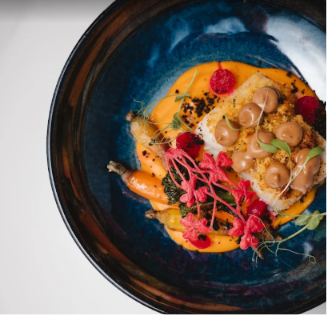
Breakfast is included in the room rate and is served as a full buffet at the Mosto Food & Wine restaurant. The kitchen draws on the estate's own produce, free-range eggs, cured meats, herbs from the kitchen garden, honeys, fruits from the orchards, and aromatic infusions, alongside local producers from the surrounding Minho region. This is farm-to-table done properly, not as a concept but as a literal description of where the food comes from.
Spa and pool
The Vinea Panoramic Spa has a panoramic view over the mountains, which is the right view to have when you're trying to decompress. The indoor pool, sauna, steam room, hammam, and treatment rooms are all available. One reviewer in late 2025 noted the pool temperature ran slightly cooler than advertised, the hotel management responded promptly and confirmed the issue was resolved. Good sign for a property that's been open less than a year.
Parking
Free private parking is available on-site. Self-park, no valet, but the estate is spread out and the parking is right there. Completely frictionless.
The winery
This is the thing that makes The Vinea Collection genuinely unusual. Most hotels add a spa or a restaurant. This one has its own working Alvarinho estate with 20 hectares of vines, a winery overseen by a celebrity enologist, and a full programme of vineyard walks, private tastings, wine workshops, and wine-pairing dinners. For someone who doesn't drink, as I don't, I still found the agricultural setting beautiful and the restaurant's food exceptional precisely because the kitchen takes its ingredients from the same estate philosophy the winemaking does. The quality of the produce on the plate reflects the care going into everything grown here.
The overall feeling
The Vinea Collection is the newest property on this list by a wide margin, and it carries that new-hotel energy, everything freshly done, staff who want to impress, systems that haven't had time to develop bad habits. The setting is genuinely beautiful: countryside, vines, mountains on the horizon, total quiet. After three days driving through Spanish cities and sleeping inside Renaissance monuments, arriving at a Portuguese manor house surrounded by 20 hectares of vineyard and complete silence felt like a proper reset.
The road trip summary
Four nights. Four 5-star properties. Each one completely different from the others.
La Casa del Presidente for the intimacy and the weight of Spanish political history. Áurea Convento Capuchinos for the centuries of monastery life beneath contemporary comfort. Parador de León for the most architecturally extraordinary hotel experience in the peninsula. The Vinea Collection for the newest, quietest, most beautifully situated of the four, tucked into the Alto Minho with mountains behind it and vines at the door.
All four took the lowest category room seriously. All four had parking. All four had breakfast worth staying in for. None of them disappointed.
That's the baseline test. These passed it.