Where the Desert Meets Culture: Three Museums That Shaped My Phoenix Trip
January in Phoenix has a particular kind of clarity to it. The air feels lighter, the sun softer, and the desert seems awake in a quiet, confident way. It is the perfect time to move slowly, wander intentionally, and let art do what it does best: shift your perspective without demanding too much of you.
This trip turned into an accidental art crawl. From the radical reimagining of ceramics at the Phoenix Art Museum, to the immersive Indigenous cosmologies at the Heard Museum, to the global rhythms and unexpected joy of the Musical Instrument Museum, each stop offered something entirely different yet deeply connected. Add a well timed lunch, a calm café courtyard, and moments of genuine pause, and it became one of those days that stays with you longer than expected.
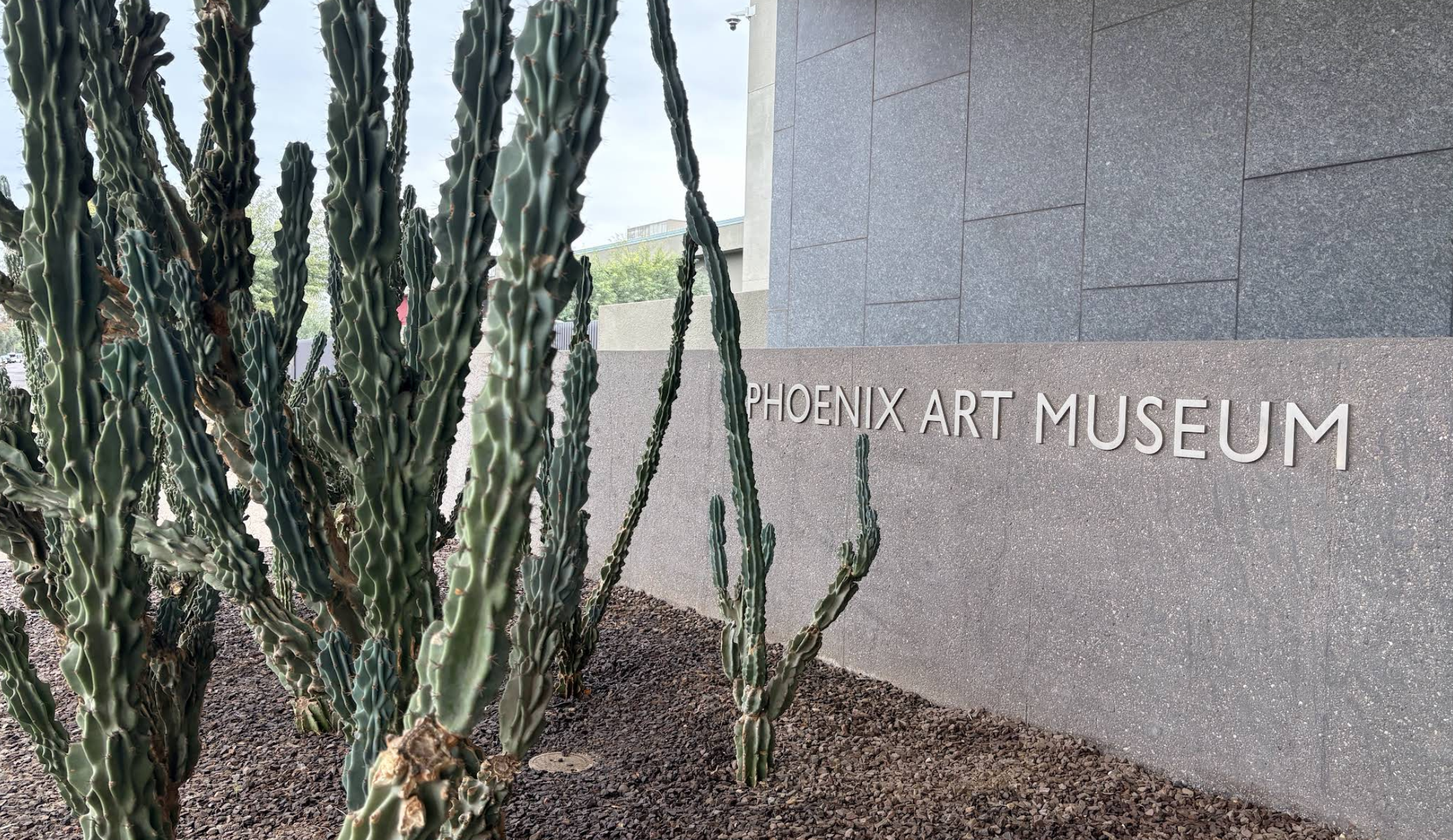
There is a specific kind of magic in Phoenix during January. The air is crisp, the light is golden, and the desert landscape feels rejuvenated. This week, I took advantage of the perfect weather to visit the Phoenix Art Museum, and it was the ultimate "slow Saturday" experience.
The Radical Clay exhibition at Phoenix Art Museum is one of those shows that quietly resets how you think about a medium. On view through August 2026, it spotlights postwar Japanese women ceramic artists who pushed clay far beyond its traditional boundaries. Drawn from the Horvitz Collection, the exhibition brings together works by 36 artists, around 40 pieces in total, that transform ceramics into something sculptural, conceptual, and at times almost confrontational.
Rather than functional vessels, you’ll see forms inspired by the human body, geology, plant life, and imagined worlds. What makes the show especially compelling is its historical context. These artists were working in a field dominated by men, yet they redefined it entirely, using clay as a serious, experimental material rather than a decorative craft.
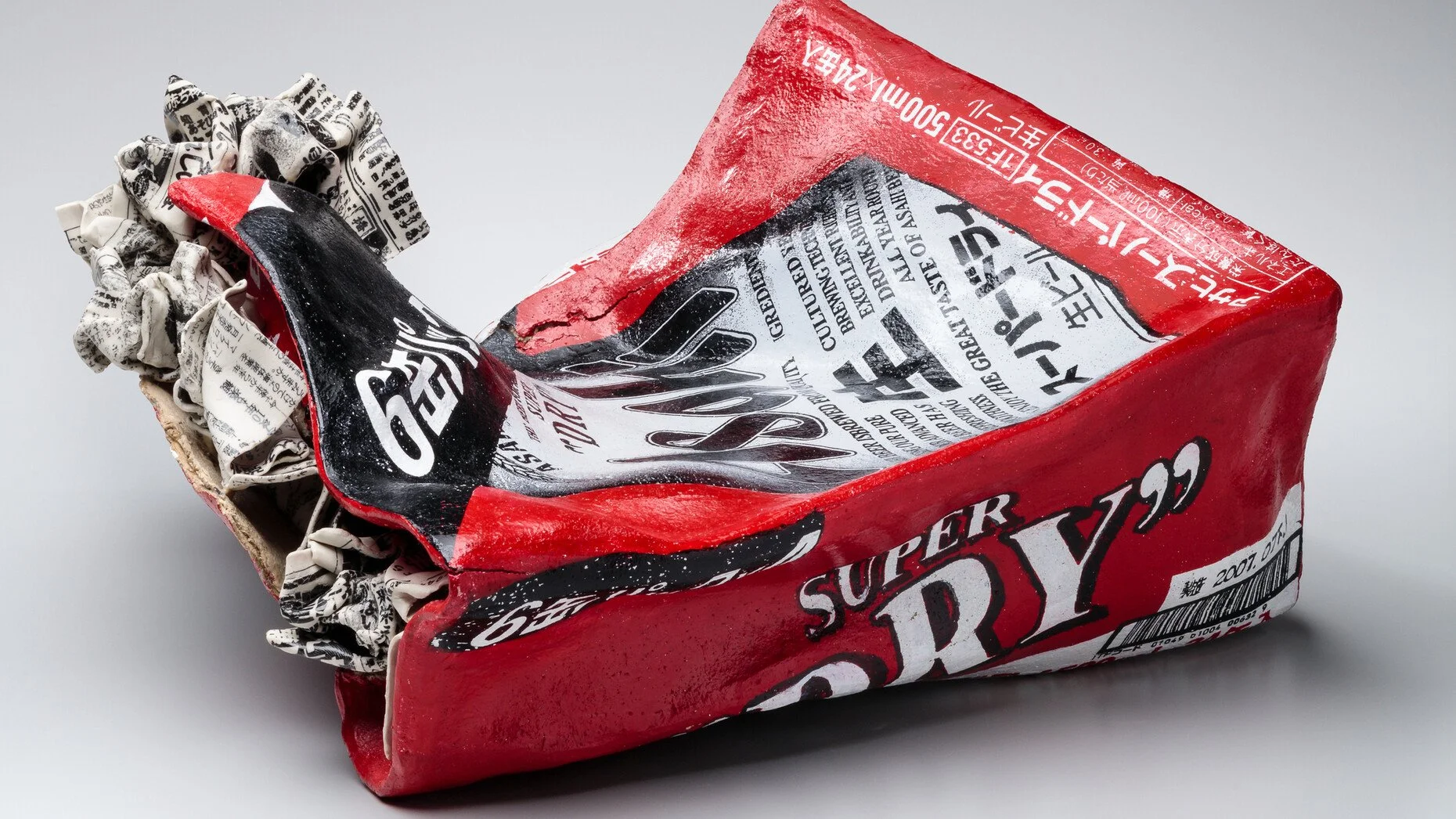
Mishima Kimiyo 三島喜美代, Untitled (crushed Asahi beer box), 2007. Courtesy of The John and Mable Ringling Museum
One standout is Mishima Kimiyo. Her Untitled (Crushed Asahi Beer Box) (2007) is deceptively simple at first glance, a flattened beer crate rendered with uncanny realism. Only on closer inspection do you realize it’s ceramic. The piece operates as a sharp commentary on consumer culture and disposability, while also showing extraordinary technical control. It’s clever without being smug, and quietly unsettling in how convincingly it mimics trash.
Equally striking is Shingu Sayaka’s Erosion N. 4 Shakka (Eroding Flower). Combining glazed and unglazed stoneware, the sculpture feels like a flower caught mid-disintegration. There’s a sense of fragility and impermanence to it. The work is organic, restrained, and deeply poetic, without tipping into sentimentality.
What makes Radical Clay feel so significant is how overdue it is. Many of these women were under-recognized for decades, despite their innovation and influence. Seeing the work in person underscores just how ambitious and technically sophisticated it is. This isn’t ceramics as an afterthought. It’s ceramics as a radical, expressive force.
If you’re interested in contemporary art, sculpture, or simply want to see how far clay can be pushed, this exhibition is worth your time. It’s included with general admission at Phoenix Art Museum, with pay-what-you-wish Wednesdays and First Fridays offering easier access. You’ll likely leave with a recalibrated sense of what ceramics can do, and why these artists matter.
Beyond the Galleries
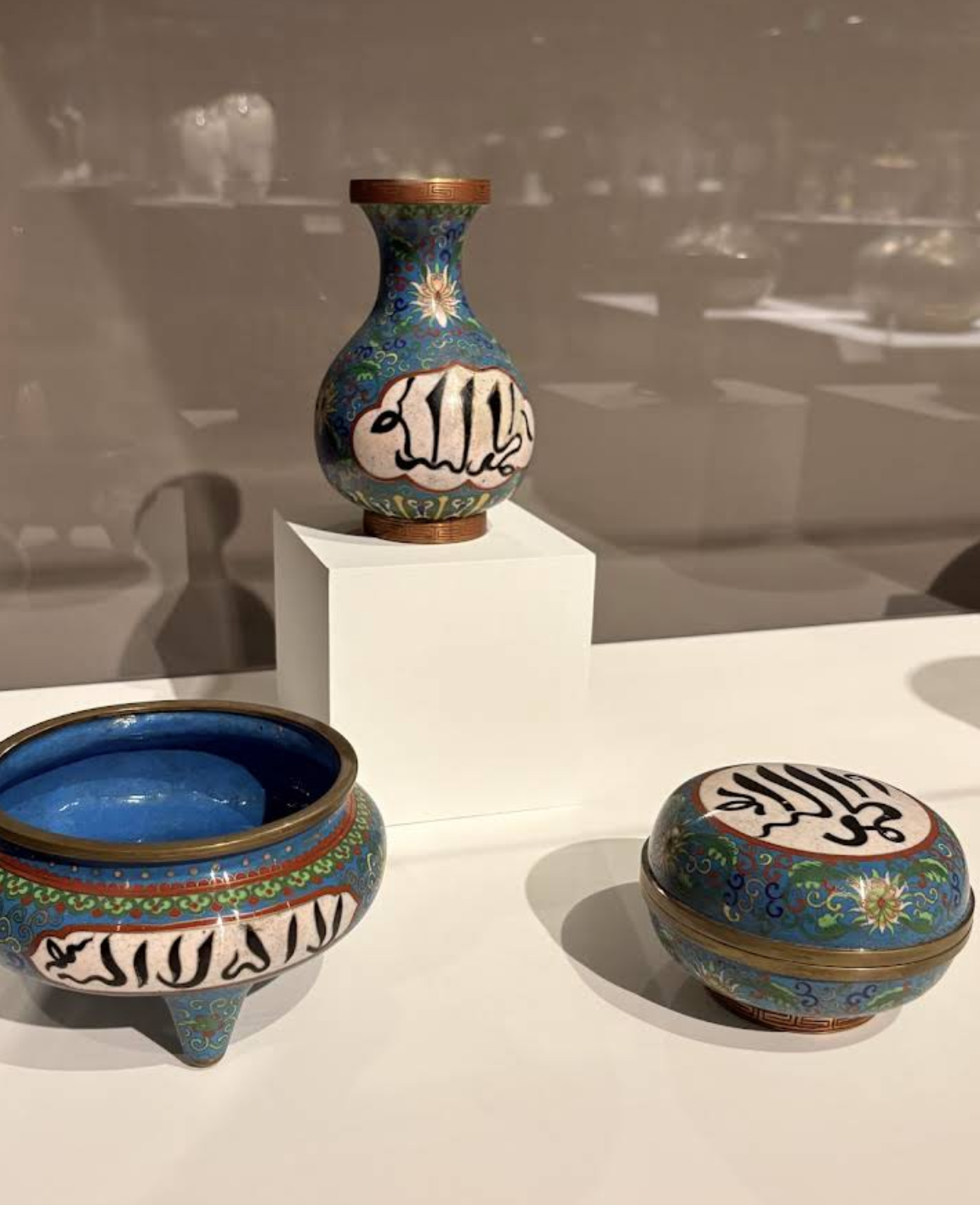
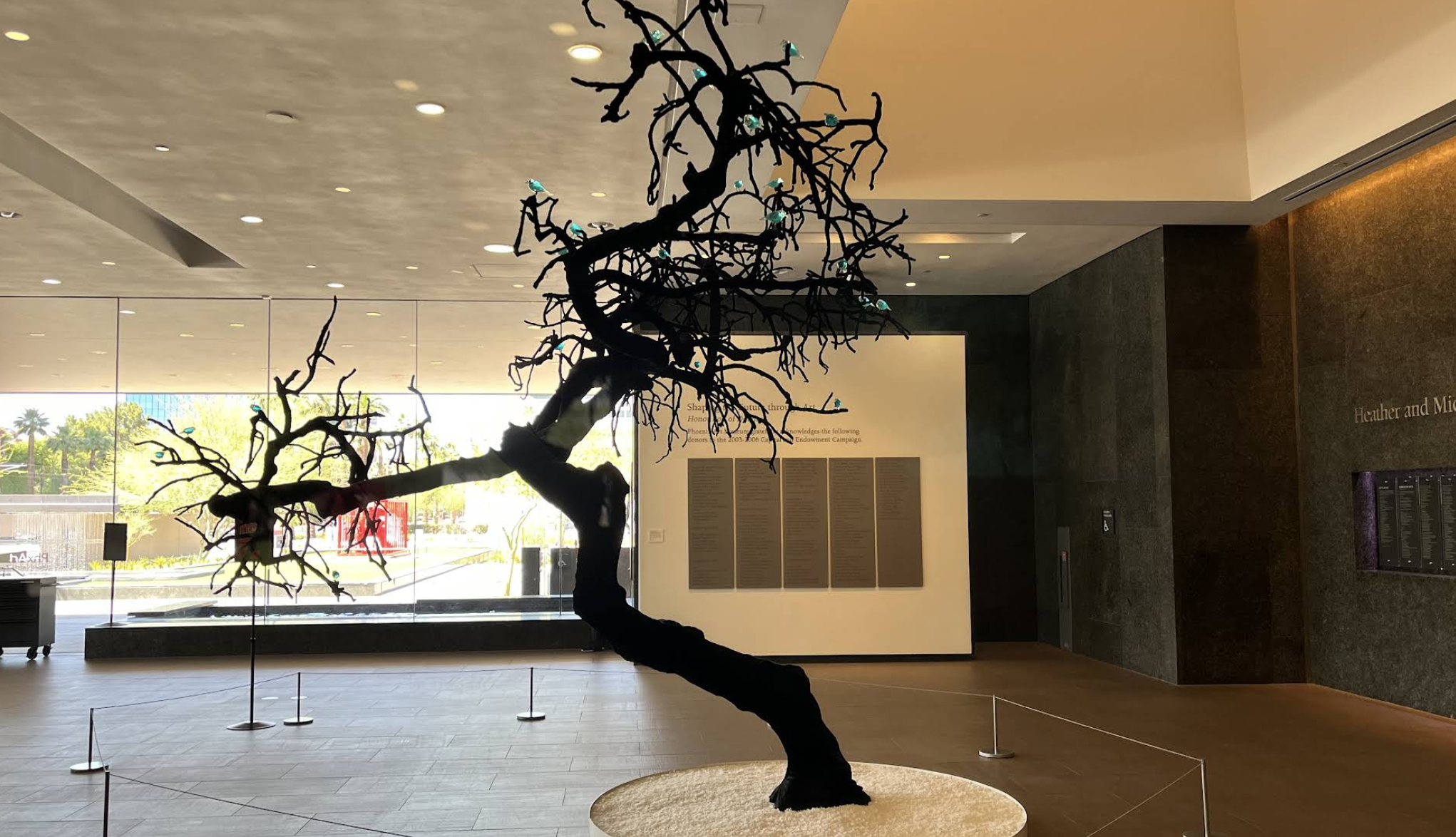
Walking through the museum, you really feel the connection between the art and the environment. Outside the entrance, the massive cacti standing against the grey stone walls remind you exactly where you are. Inside, I was particularly moved by the collection of vibrant blue cloisonné pieces featuring intricate Arabic calligraphy, a stunning reminder of the museum’s global reach.
Okay, so if you’re going to the Phoenix Art Museum, you have to stop at Alden @ PhxArt. It’s not one of those sad museum cafés. It actually feels like a proper restaurant that just happens to be inside a museum, which is honestly ideal. Alden was recently renovated and sits right next to the Dorrance Sculpture Garden, so the setting already does half the work. You walk in and it immediately feels calm and well-designed. Lots of light wood, soft green banquettes, clean lines, and just enough mid-century energy without screaming about it. It’s chic but relaxed. You could come straight from an exhibition, or meet someone for dinner, or even eat alone and feel completely comfortable.
I sat at the bar, which I really recommend. From there you get a great view of the whole space, the backlit shelves of bottles, and the dining room slowly filling up. It’s lively without being loud, and there’s something nice about watching the room while having a proper meal. Very easy, very unfussy.
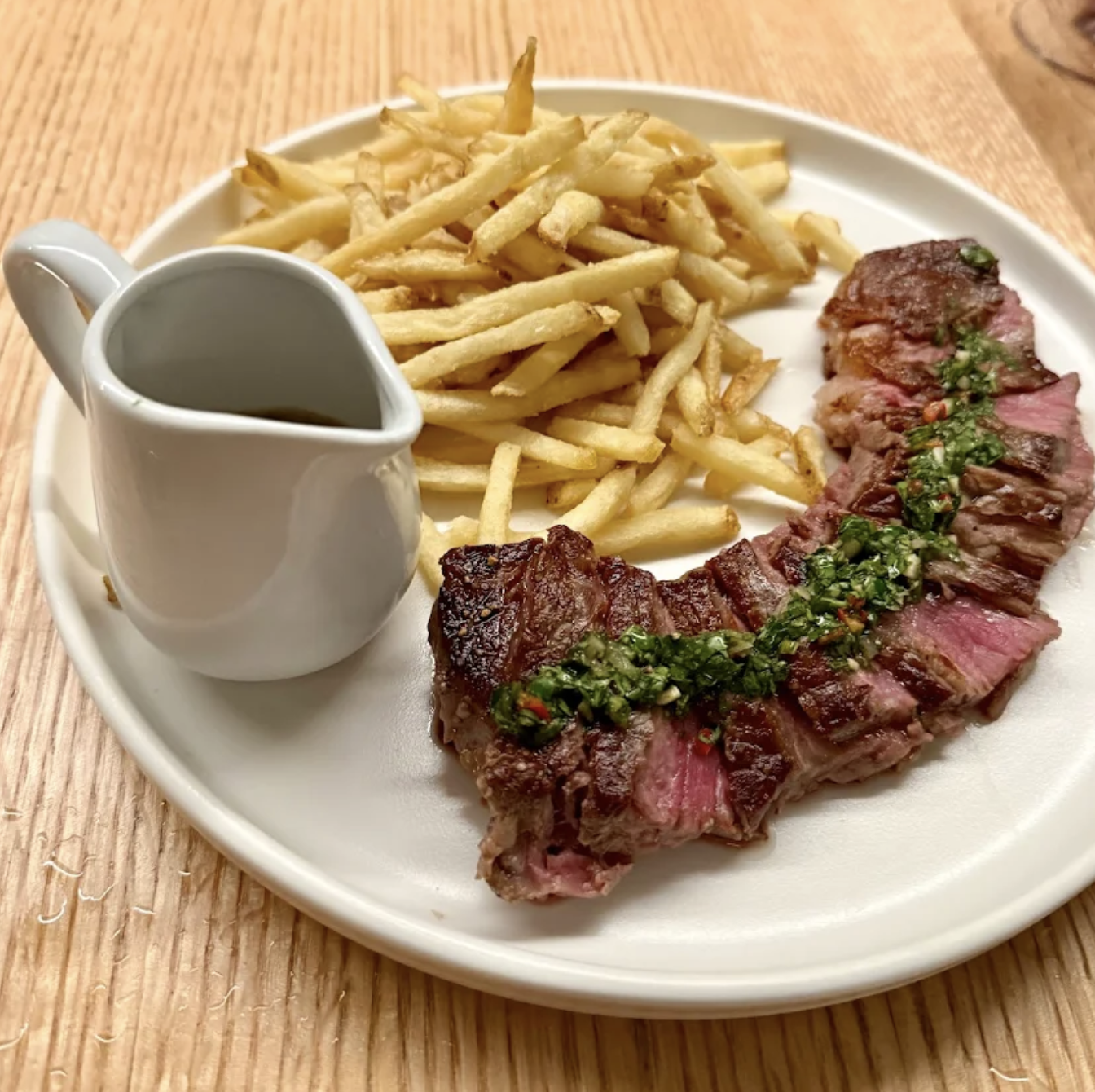
The menu leans new American, seasonal, and crowd-pleasing in a smart way. Nothing feels try-hard. I ordered the NY + Frites, an 8oz prime New York strip with au poivre, chimichurri, and fries, which was $44. Honestly, it was exactly what I wanted. The steak was cooked perfectly, great crust, juicy inside, and the chimichurri added that fresh, herby contrast that keeps it from feeling heavy. The fries were crisp and classic. No notes.
One detail I loved is the name. Alden is named after Alden B. Dow, who designed the original museum building when it opened in 1959. He trained at Columbia, spent time with Frank Lloyd Wright at Taliesin, and went on to design hundreds of projects across the U.S. The restaurant doesn’t hit you over the head with that history, but it feels aligned. Thoughtful, architectural, and quietly confident.
Overall, Alden just feels like one of those places that gets it right. It works whether you’re making a museum day out of it or just popping in for lunch or dinner. You leave well-fed, slightly calmer, and a little impressed, which feels very on brand for a restaurant inside an art museum. If you go, sit at the bar and order the steak. Trust me.
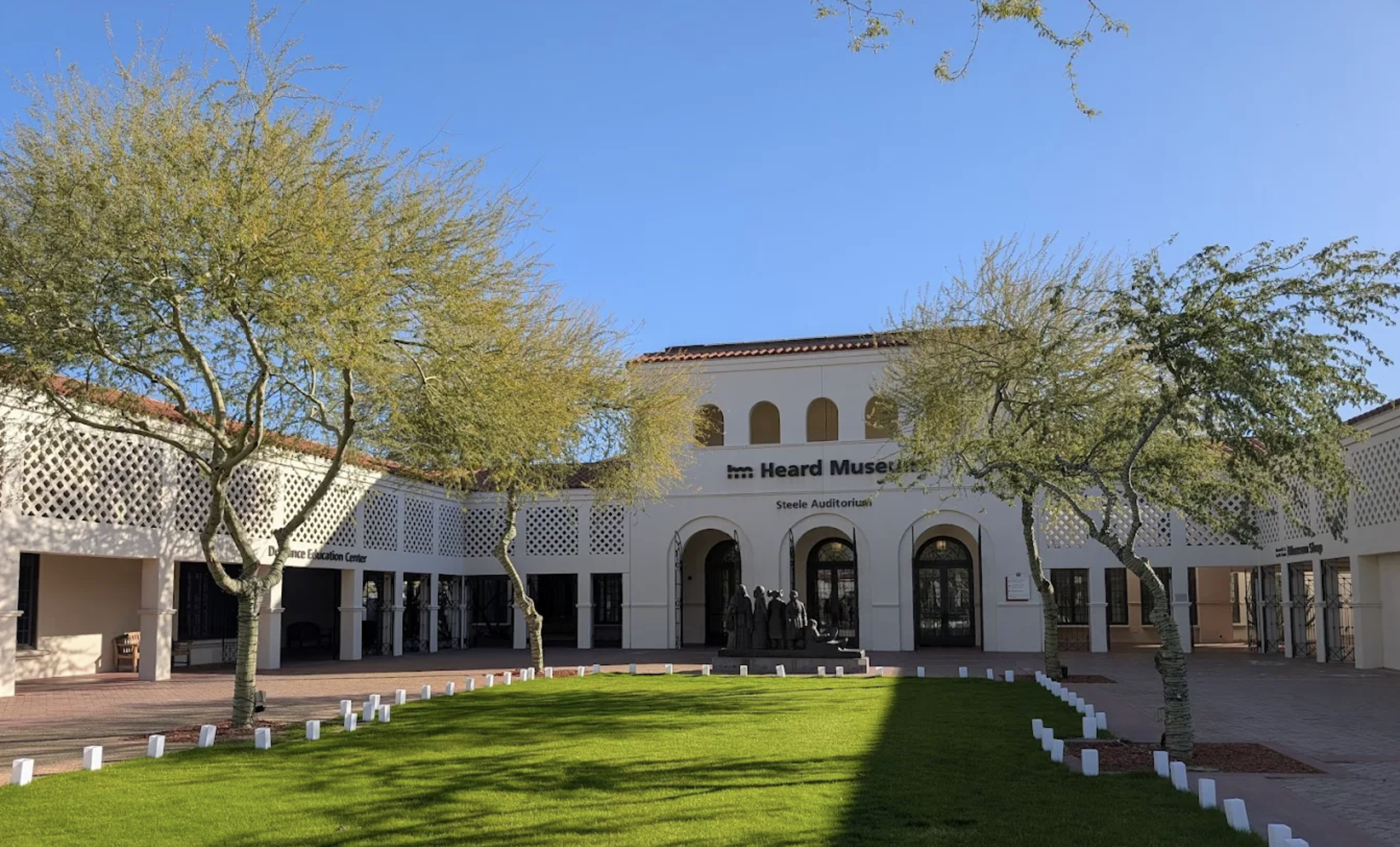
I just got back from the exhibition at Heard Museum called Substance of Stars. It was one of those experiences that hits you on a deeper level. I felt like I was walking through stories that have been told for thousands of years, but in this super immersive, modern way. Let me walk you through how it went down.
I got there mid-morning (museum opens at 10), parked easy in their lot, and headed in. The Heard is this beautiful spot right in central Phoenix: courtyards, sculptures, all that good vibe. I grabbed my ticket (Substance of Stars is included in regular admission) and went upstairs to the Jacobson and Jack Steele Parker Galleries, where it’s housed.
You step into this big, darkened space, and right away, the Sky-Dome grabs you. It’s this massive, 360-degree immersive installation, like a planetarium but way more personal and tied to Indigenous worlds. Lights dim, sounds of wind, water, birds kick in, and projections wrap all around you: desert skies for the O’odham (since Phoenix is on their traditional lands), icy Arctic seascapes for the Central Yup’ik, wooded hills for the Haudenosaunee (especially Seneca), and rugged mountains for the Diné (Navajo). It cycles through day to night, stars blooming across the dome, animals from origin stories appearing, and mountains sacred to ancestors glowing. It’s got commissioned video from Indigenous photographers and videographers, so it feels authentic, not touristy. I just stood there for 15 minutes, spinning slowly, feeling tiny under those skies but connected. The whole thing is about how we’re all “substance of stars”- made from the same cosmic stuff, but these communities have known and lived that knowledge forever through their creation stories.
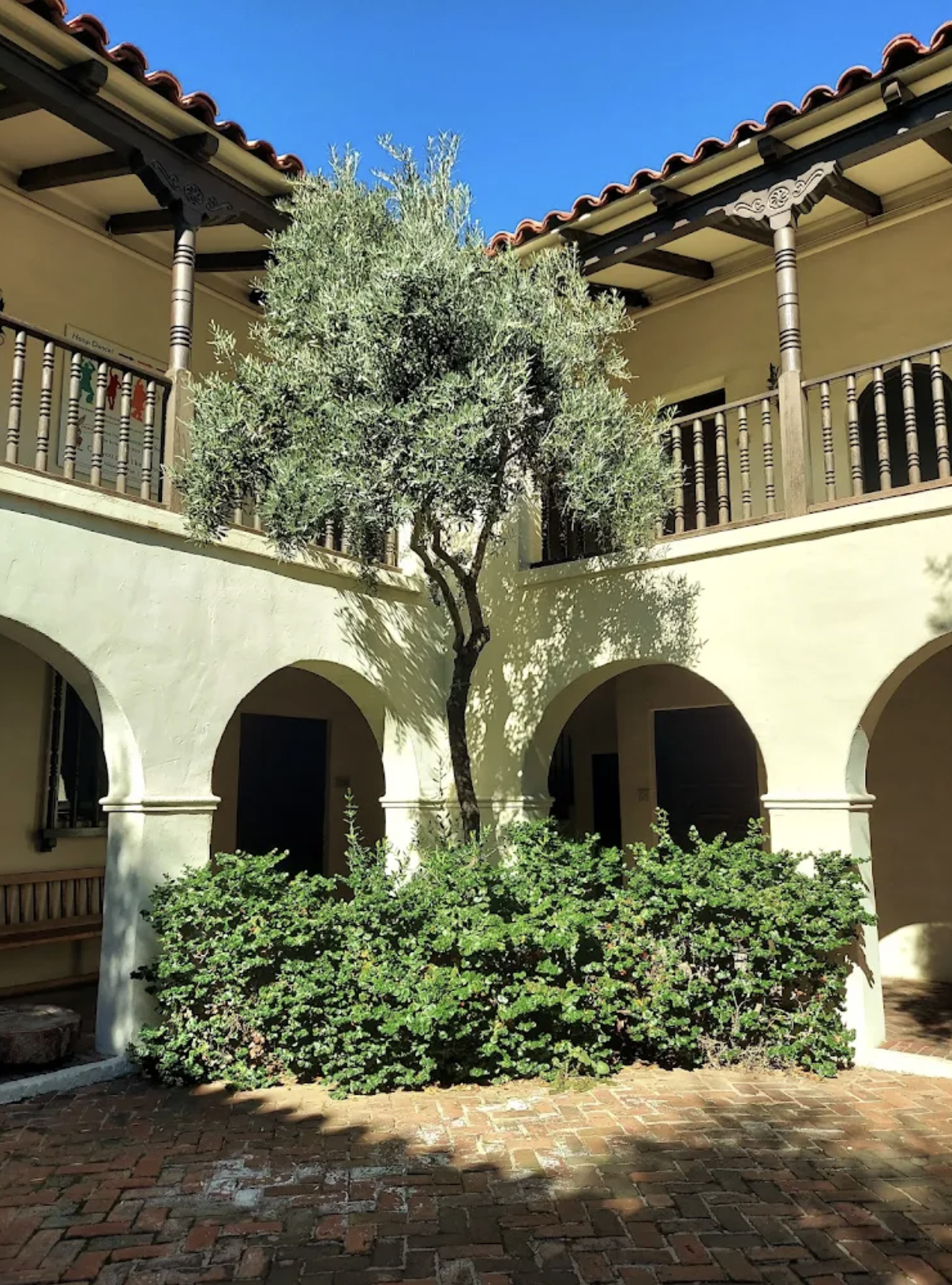
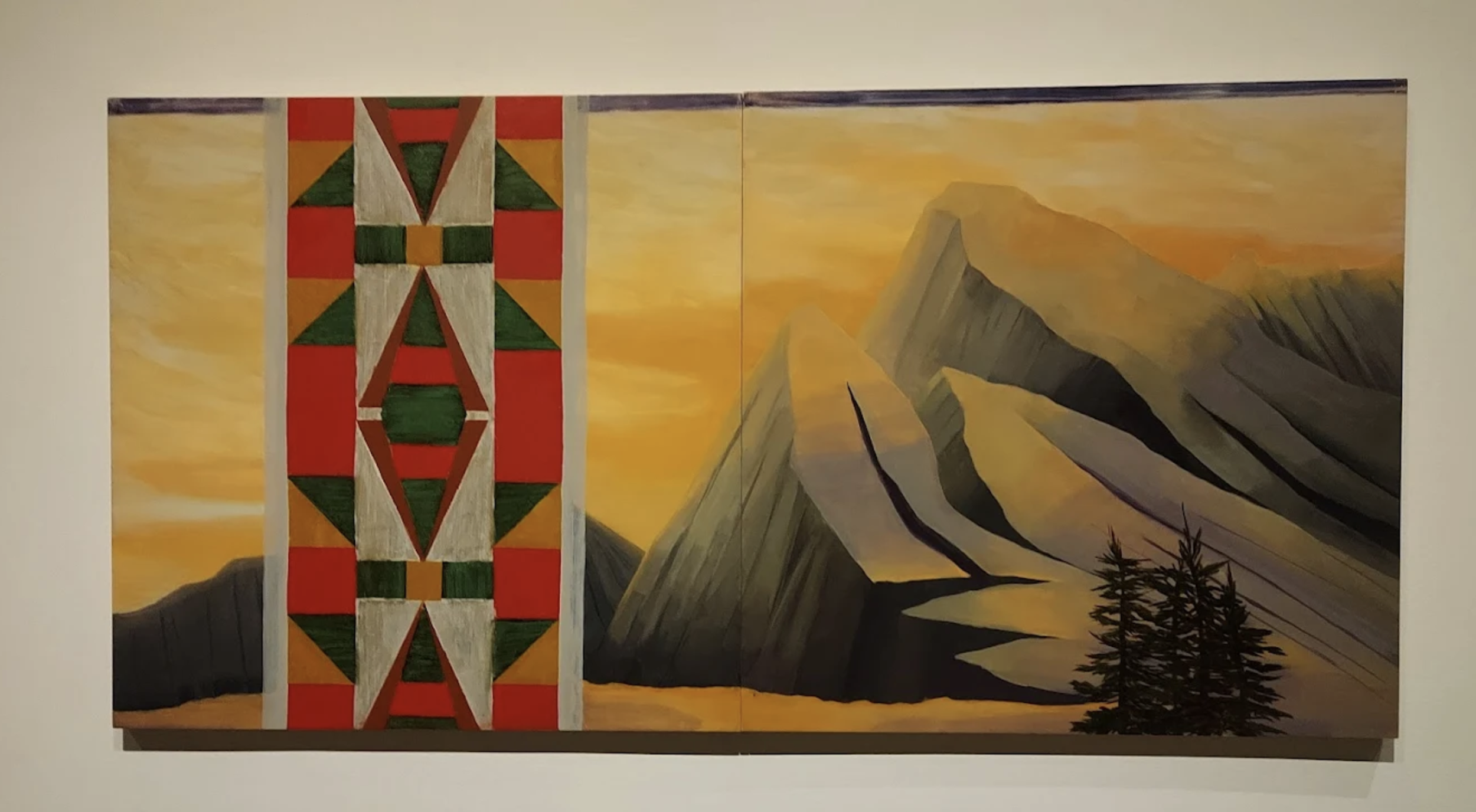

Then you move through the galleries, and it’s this mix of historic pieces from the Heard’s collection and newer commissioned works. Everything is presented from the perspectives of the four communities: O’odham, Diné, Yup’ik, and Haudenosaunee. There are labels with Indigenous languages, explanations of spiritual meanings, sky knowledge, and how these objects tie back to origin stories.
What really stood out:
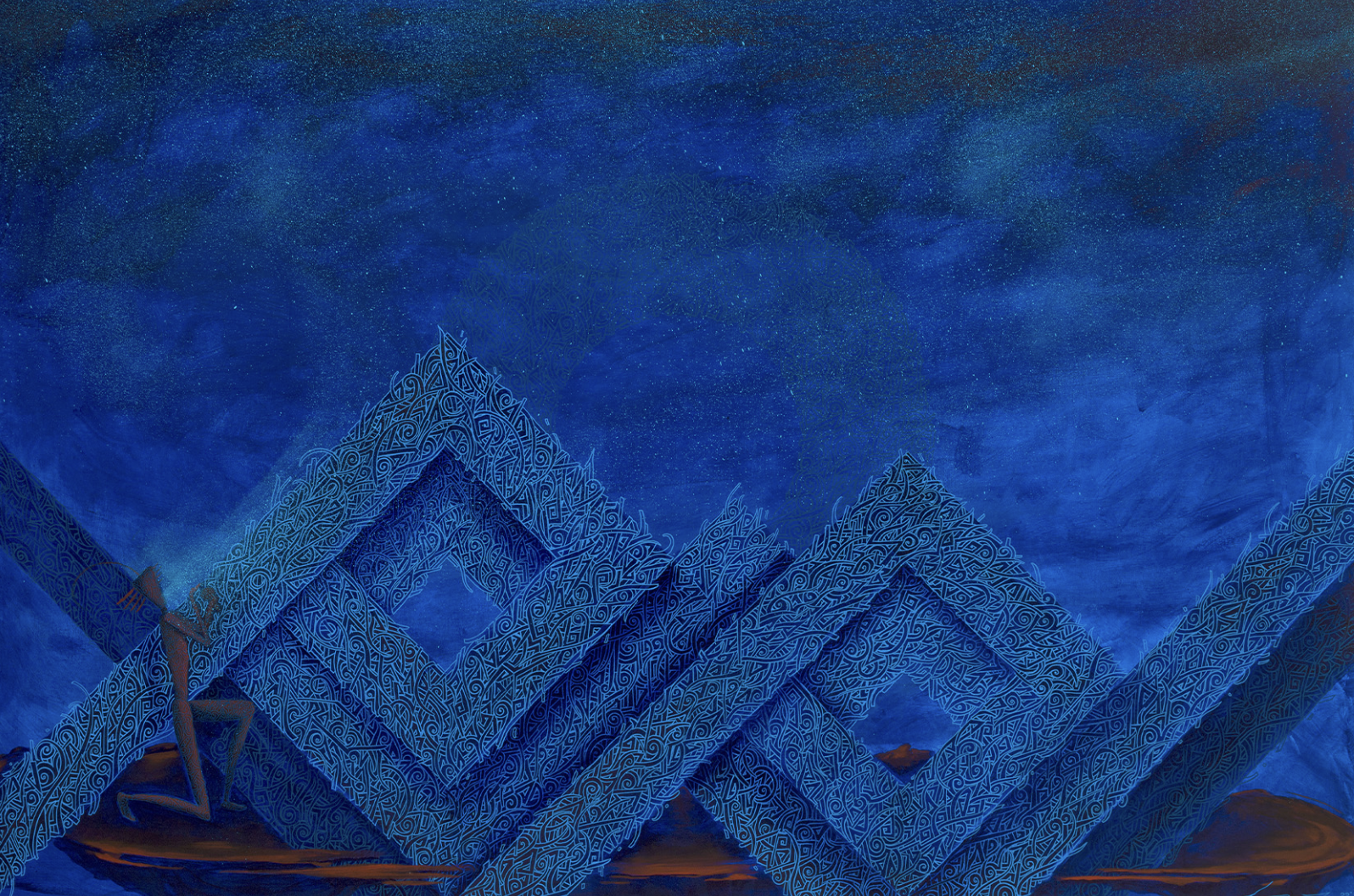
Thomas “Breeze” Marcus (Tohono O’odham), Stars over Ce:dagi Wahia, 2022, oil on canvas, 48 x 72 in. Collection of Heard Museum, Phoenix.
This huge, vibrant painting by Thomas “Breeze” Marcus (Tohono O’odham) called Stars Over Ce:dagi Wahia (2022). It’s a big canvas of a night sky exploding with stars over the desert, layers of acrylic, spray paint, oil pen, feels alive and cosmic. It references the O’odham story of Jewed Ma:kai creating the stars. I kept going back to it.
The whole exhibition is multi-sensory - soft lighting, ambient sounds, even some language audio. It’s respectful, not flashy, and really lets the Indigenous voices lead. No heavy-handed plaques; it’s more about feeling the wonder and the continuity of knowledge. I left feeling kinda humbled and inspired, like these stories aren’t just “past,” they’re living knowledge systems. Spent almost two hours in there, and I could’ve stayed longer. If you’re ever in the States, it’s worth the trip to Phoenix alone.
The Musical Instrument Museum in Phoenix ended up being one of those places I did not expect to love as much as I did. I went in thinking it would be interesting for an hour or two and easily could have stayed double the time. It is the kind of museum that pulls you in without ever feeling heavy or academic.
Right when you walk in, they hand you wireless headphones. As you move through the galleries, the music starts automatically when you approach a display. No buttons, no instructions, no interruptions. You are suddenly hearing the exact instrument you are looking at, played by musicians from that region. Short videos show the instruments in use, which makes everything feel alive instead of frozen behind glass.
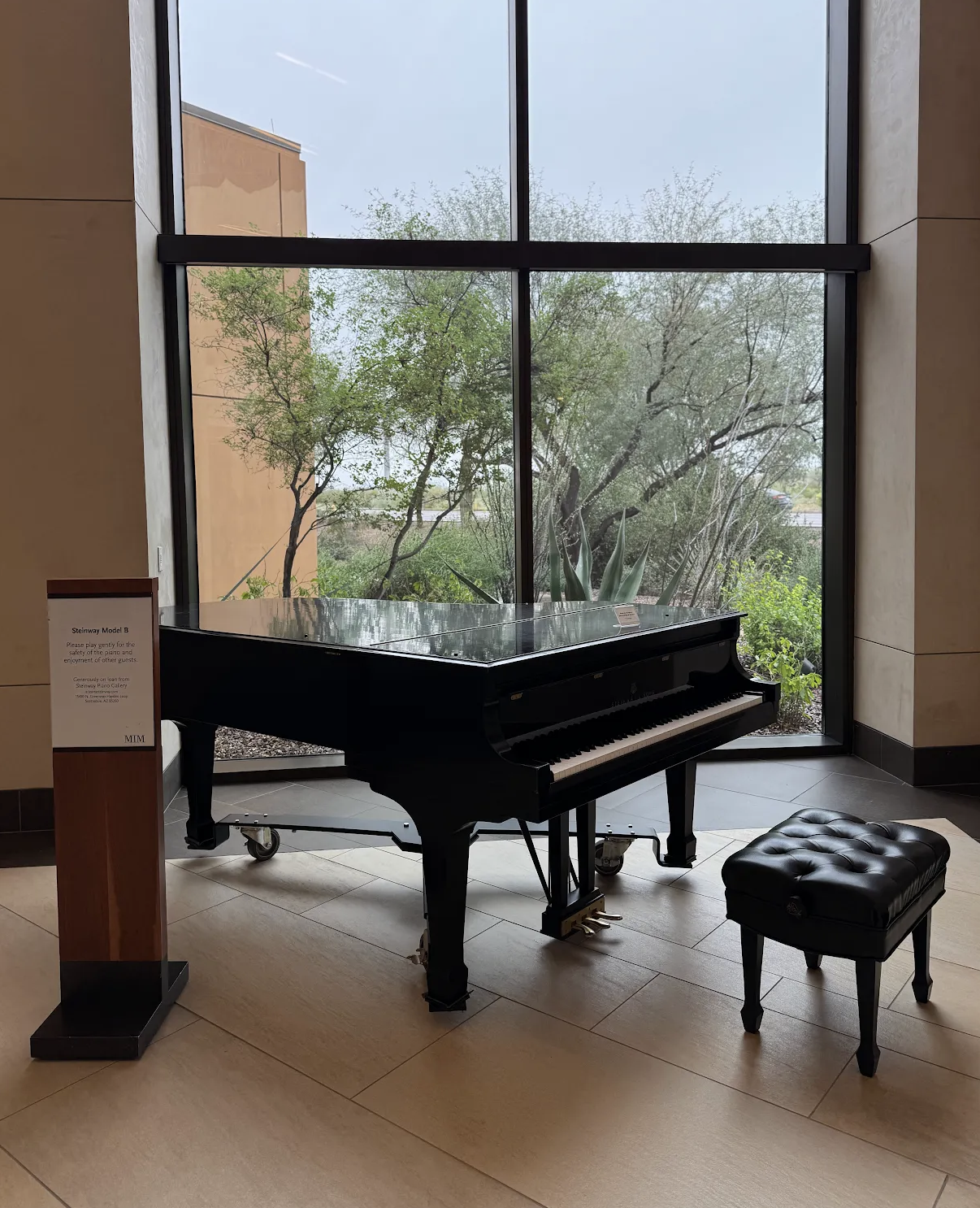
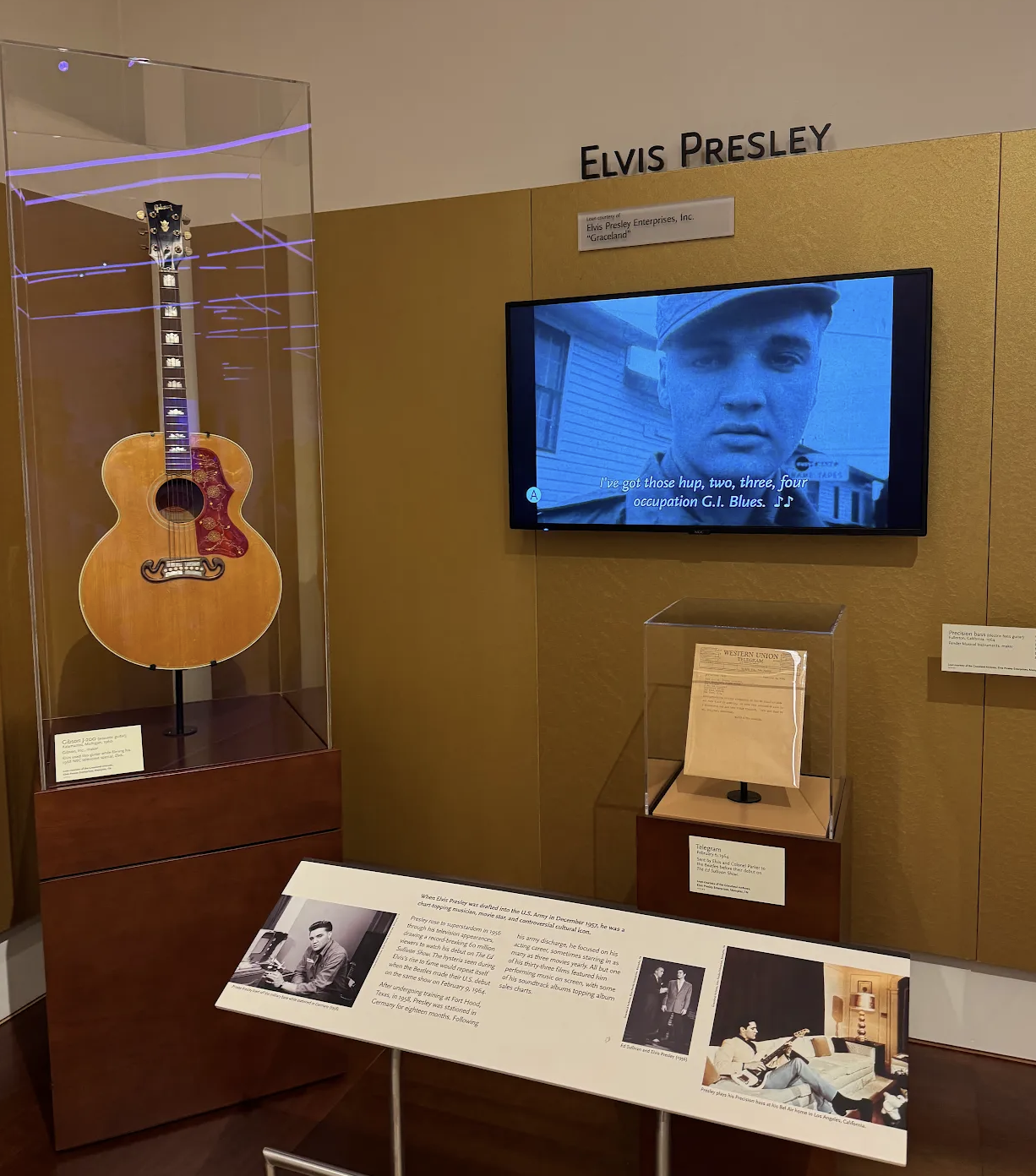
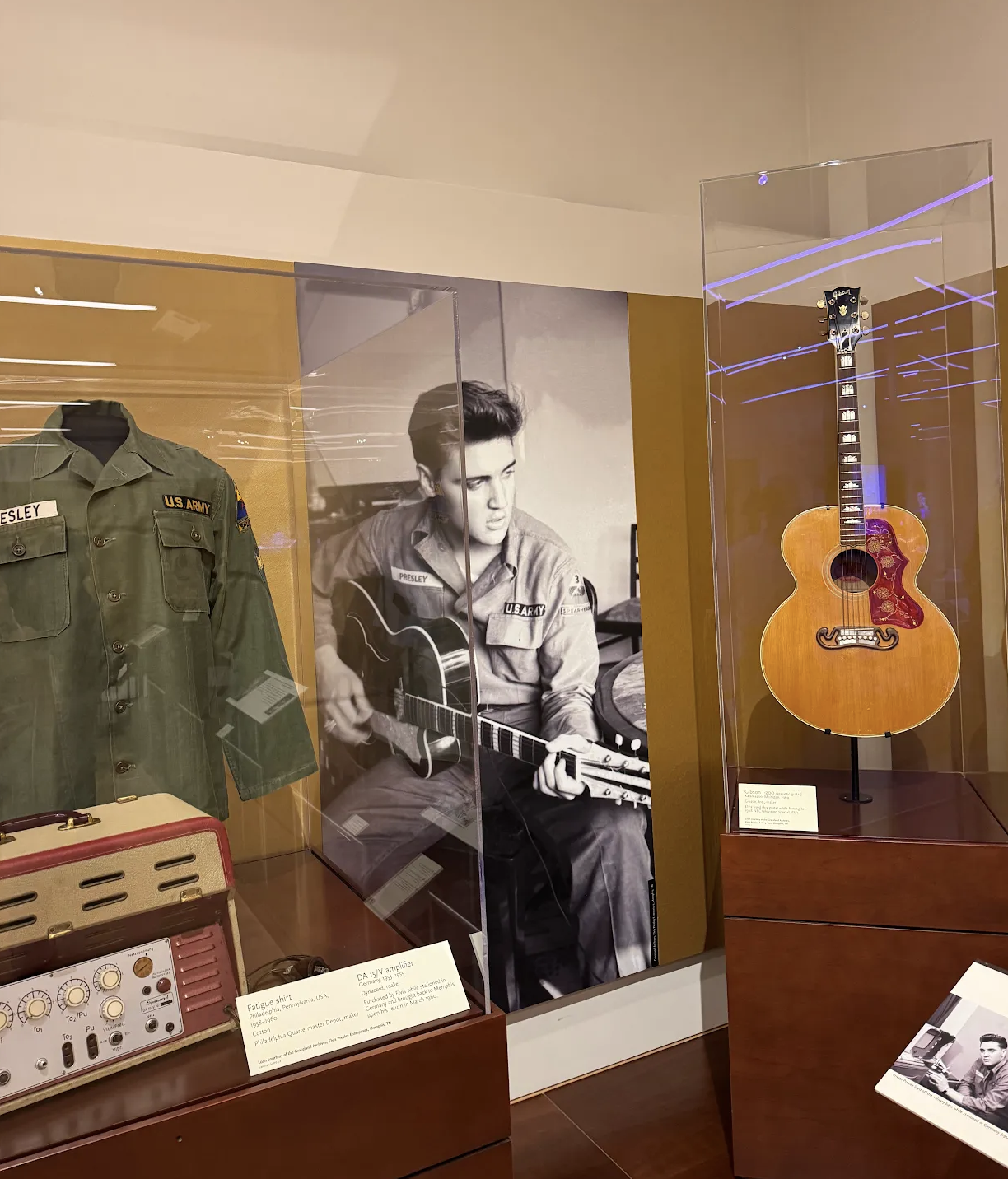
The galleries are massive and organized by region, covering almost every country you can think of. Africa, Asia, Europe, the Middle East, the Americas. Thousands of instruments, each tied to culture, history, and sound. You can drift at your own pace, stopping where something catches your ear, then moving on when curiosity pulls you elsewhere. It never feels rushed and never feels boring.
One of my favorite rooms was the mechanical music gallery. Player pianos, orchestrions, and all kinds of automaton instruments that feel part musical history and part engineering marvel. They even do live orchestrion demonstrations at 12 and 3, which is genuinely cool to watch. Seeing these huge machines come to life in real time is oddly mesmerizing.
Downstairs, the Experience Gallery is a nice change of rhythm. You can actually play some of the instruments yourself, which makes the whole museum feel welcoming for all ages. Kids, adults, musicians, non musicians. It really works for everyone.
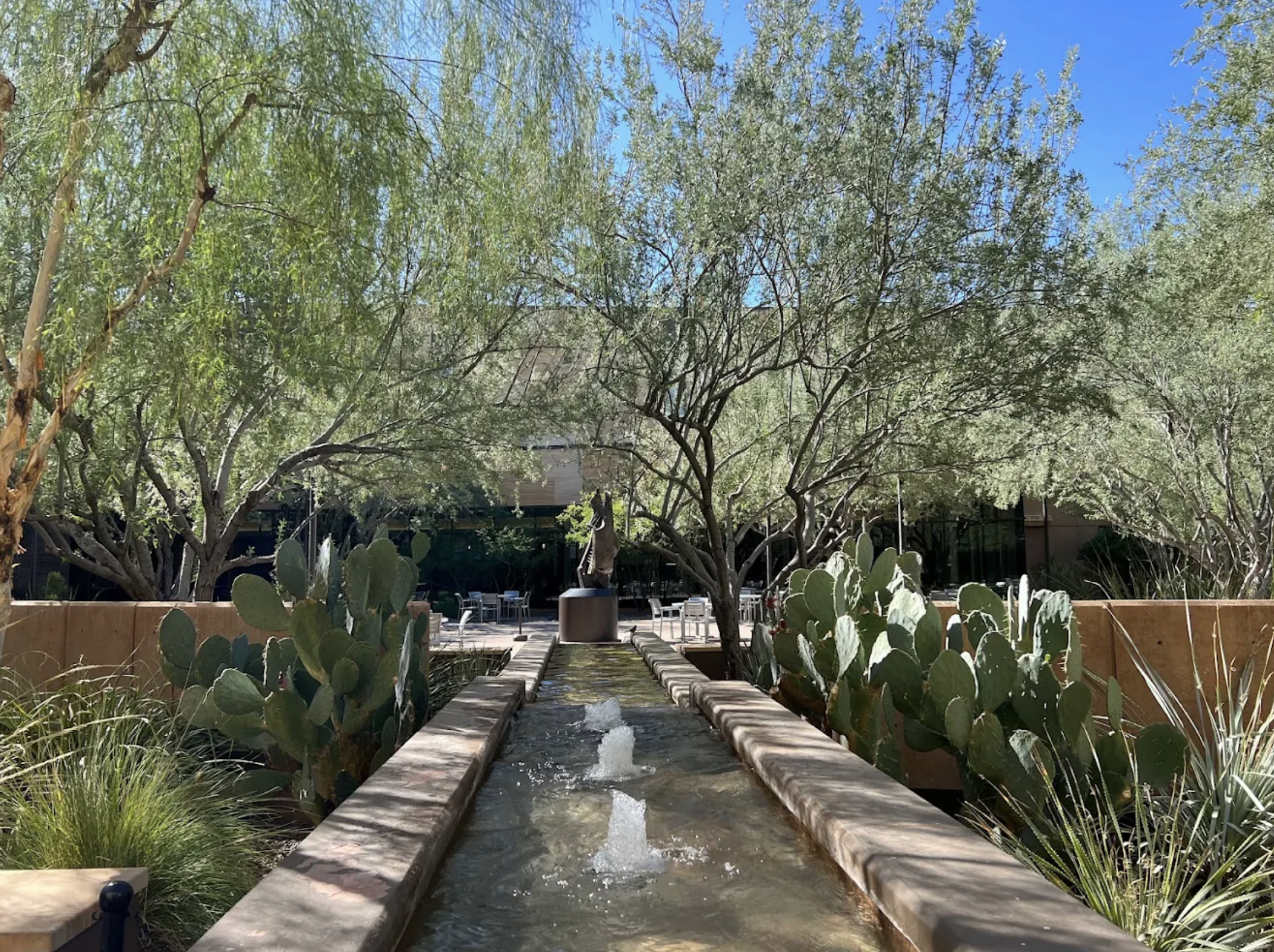
Café Allegro
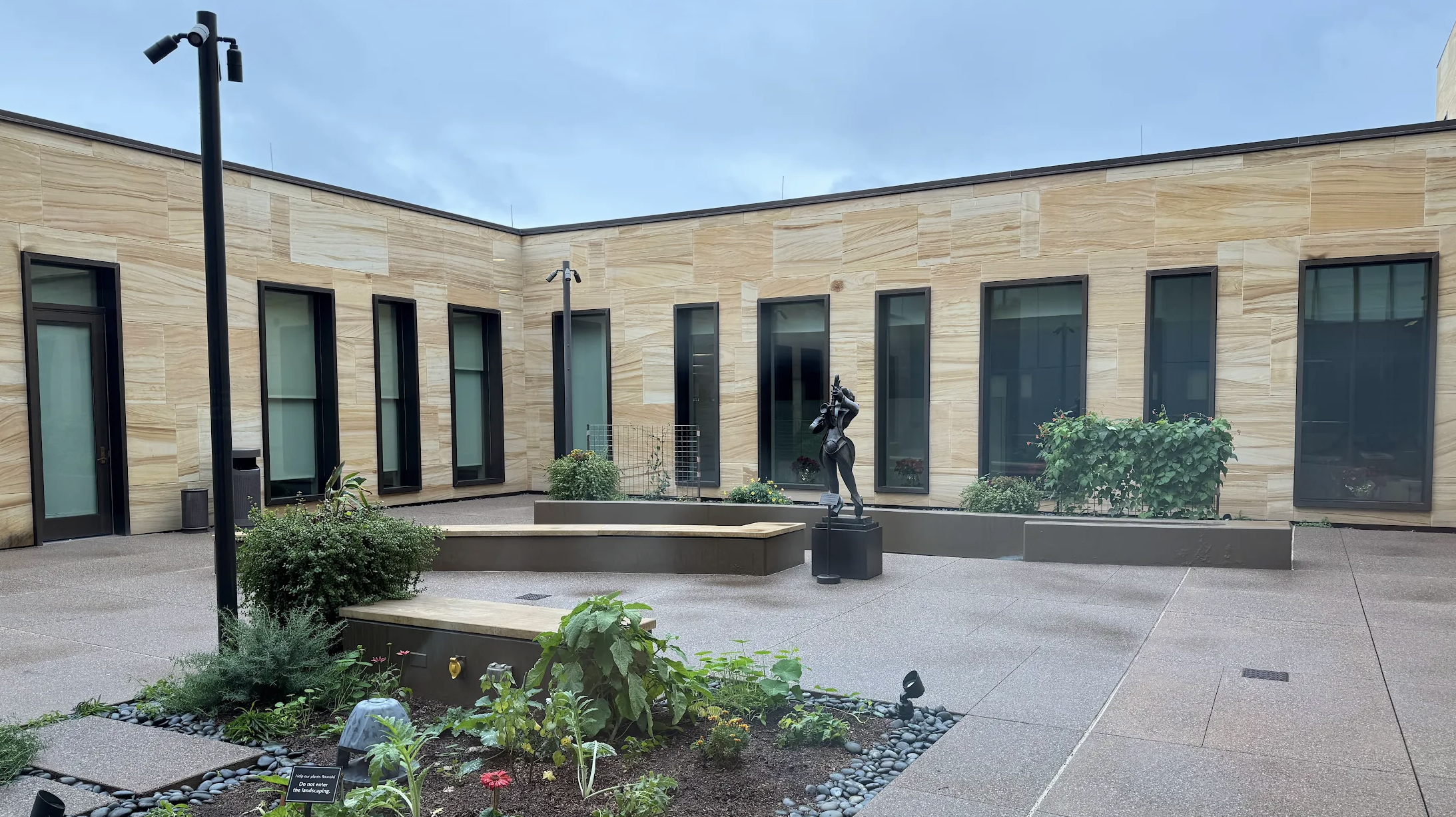
After hours of wandering, I stopped at Café Allegro, which is located inside the museum. The vibe is calm and very Phoenix. Open air, lots of natural light, desert landscaping with olive trees and cacti, warm stone tones, and a quiet water feature running through the courtyard seating. It feels relaxed and peaceful, not like a typical museum café at all. More like a place you actually want to sit and take a breather.
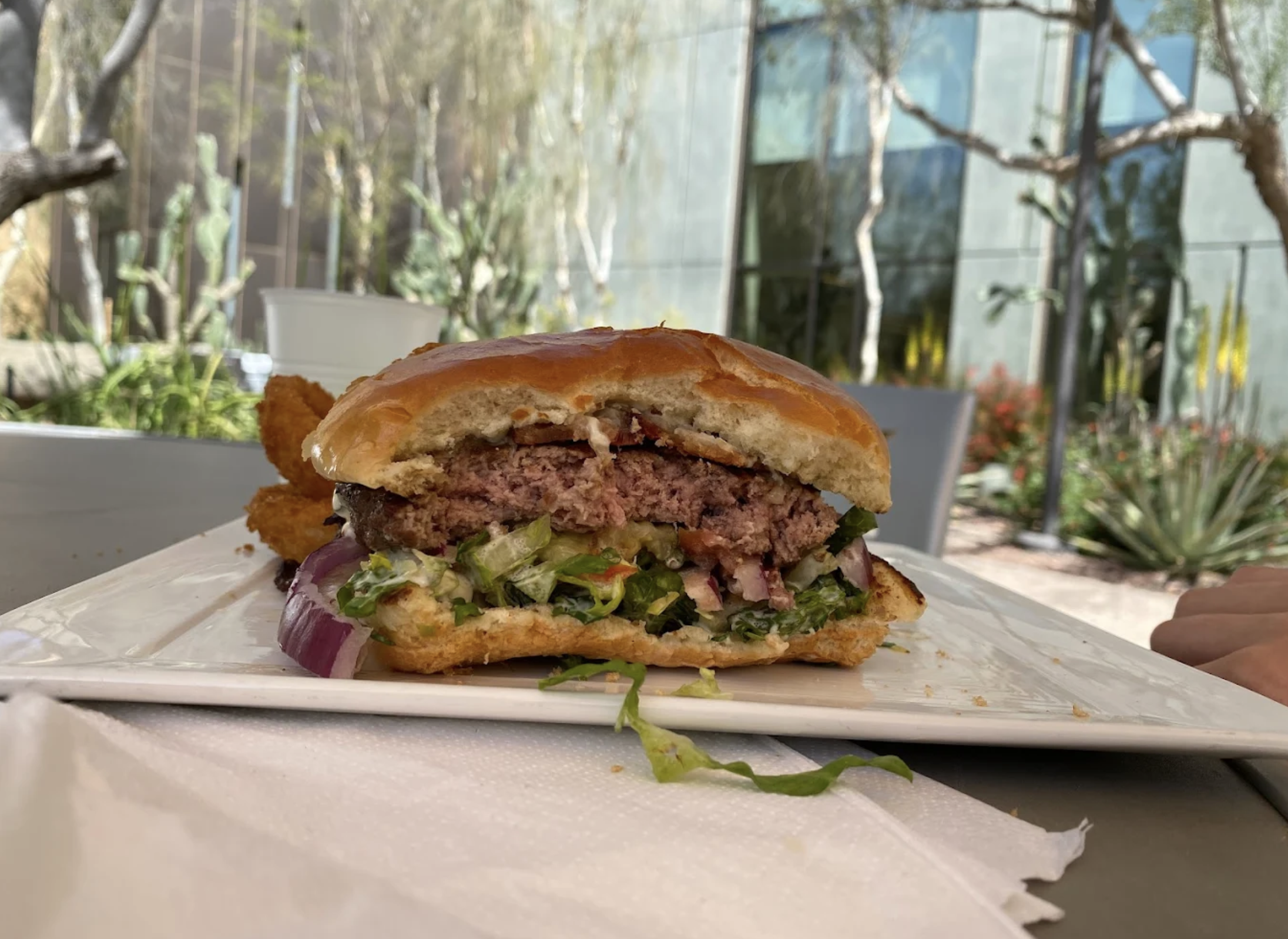
I ordered the MIM Deluxe Burger, made with Vera Earl Ranch ground beef, white cheddar, bacon, lettuce, tomato, brioche bun, and pickles, served with house made beef tallow potato chips. It was filling, simple, and hit the spot after walking for hours. Coffee and pastries looked great too if you are just looking for something light.
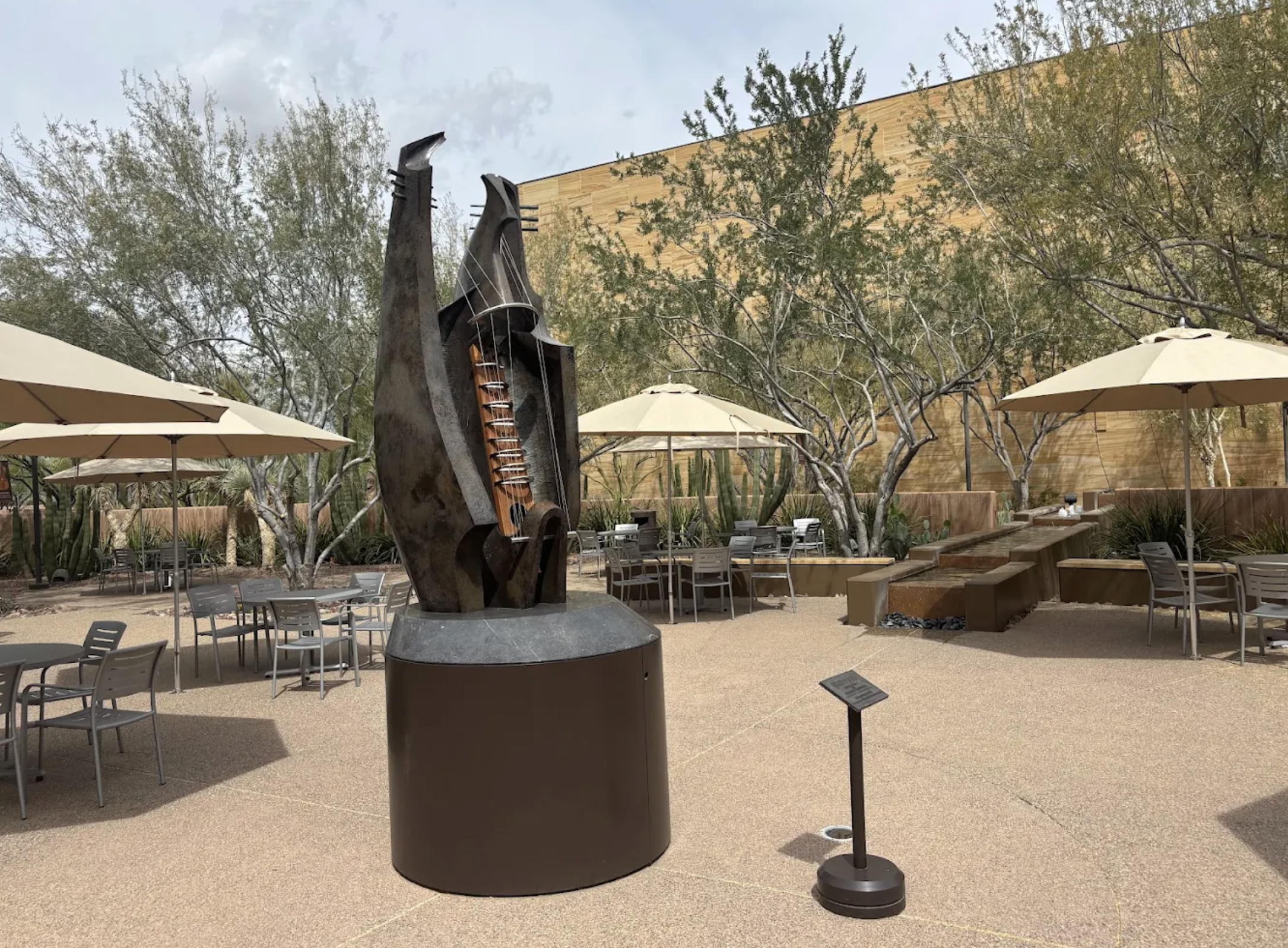
Overall, this is one of those museums that surprises you. Huge, immersive, and thoughtfully done. The automatic listening devices, the global scope, the mechanical room, the live demonstrations, and the calm café break all come together perfectly. You could easily spend half a day here and still leave feeling like there is more to see.