
Stayed in Mojácar, Almería, Spain | August
After travelling along so much of Spain's Mediterranean coastline, Mojácar felt like a particularly memorable stop. Sitting on a hillside above the coast in Almería, the town combines the whitewashed architecture of an Andalusian mountain village with the beaches and relaxed atmosphere of the Mediterranean below. It is the sort of place where you can spend the morning wandering through historic streets, stop for lunch with a sea view and then head back towards the coast as the temperature starts to drop.
For this part of my trip, I stayed at Hotel The Place Palacio Mojácar, a four-star hotel that gave me a comfortable base for exploring the area. The location also made it easy to experience both sides of Mojácar, from the historic village high on the hillside to the more modern coastal area known as Mojácar Playa.
A Little About Mojácar
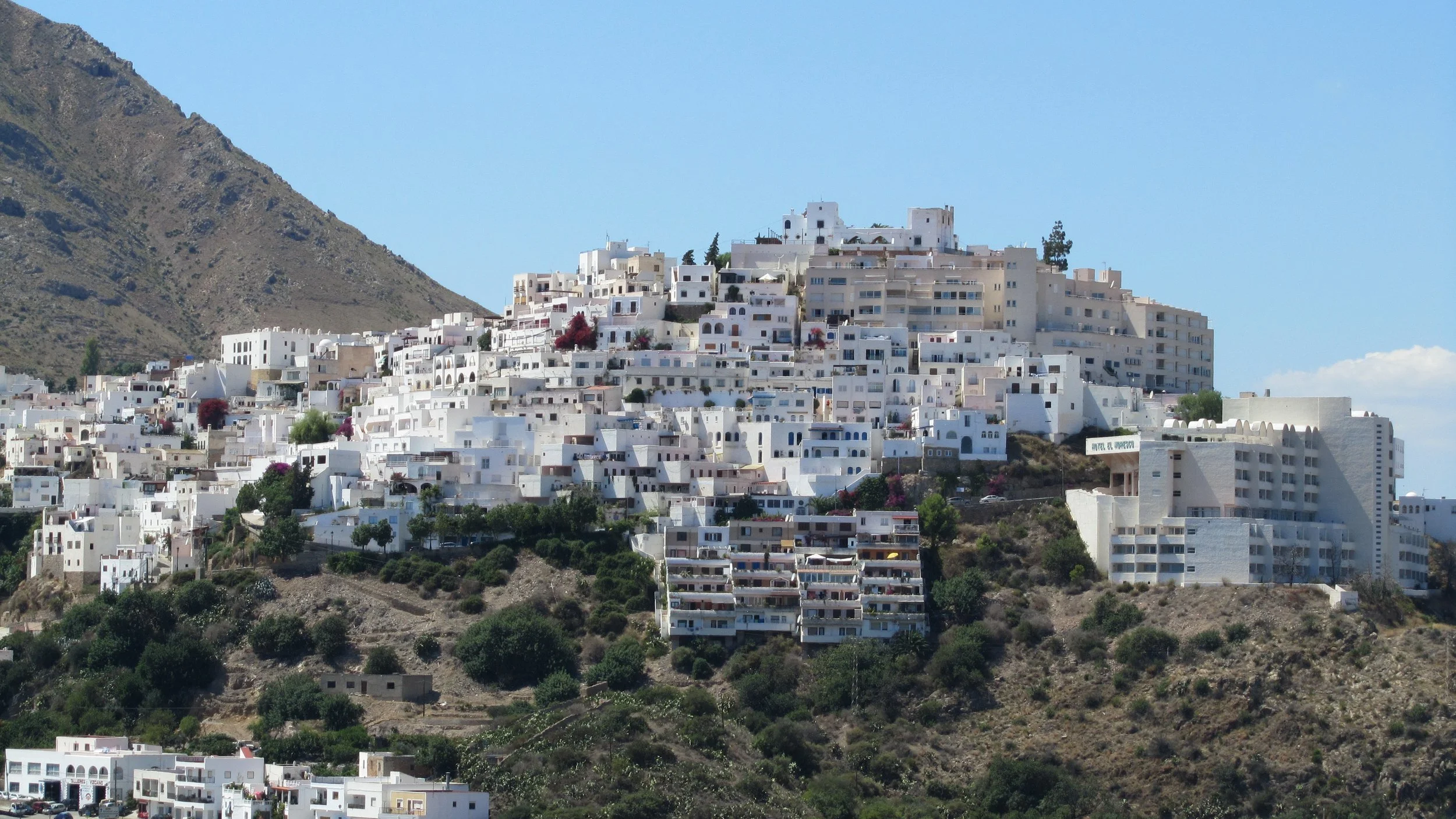
Mojácar has a history that stretches back thousands of years, with archaeological evidence of human settlement dating back to prehistoric times. Phoenician and Greek settlers were attracted to the area's mineral wealth, while the Romans later established themselves in the region. The most important period in the town's history, however, came with the arrival of Muslim rule in the eighth century.
The original settlement was located at what is now known as Mojácar la Vieja, close to the River Aguas, before the town eventually developed in its current hilltop position. The elevated location offered protection and an excellent view across the surrounding landscape and coastline, which helps explain the distinctive layout of the old town today.
Walking through Mojácar now, that history is still very obvious. The houses appear to cling to the hillside, with whitewashed walls, flat roofs and narrow, winding streets creating a very different feel from the larger coastal resorts further down the coast. The combination of white buildings, brown mountains and deep blue Mediterranean water is what makes Mojácar so photogenic.
The town also became associated with the Indaliano artistic movement during the 1950s, when Almerian artist Jesús de Perceval helped establish Mojácar as an important centre for this distinctive regional artistic style.
Wander Through the Historic Old Town
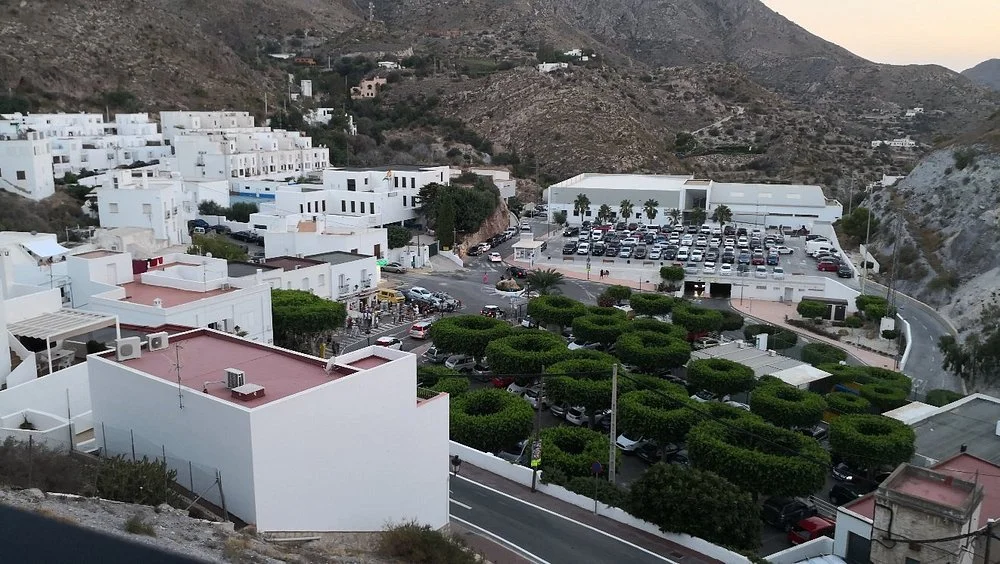
If there is one thing I would make time for in Mojácar, it is simply walking through the historic centre.
The best way to experience it is without trying to follow a strict route. Start around Plaza Nueva, where you'll find one of the town's best viewpoints, and then continue through the narrow streets towards the higher part of the village. The official tourist route takes visitors through several important landmarks, including the Church of Santa María, the Town Hall Square, the old city gate and the Castle viewpoint.
What I enjoyed most was the atmosphere between the main sights. The streets are steep and winding, with white houses decorated with colourful flowers, small balconies and traditional details. Every few minutes there seems to be another little viewpoint opening towards the mountains or the Mediterranean.
The Church of Santa María, dating from the sixteenth century, is particularly interesting because it was originally built as a fortress and later became a church. Nearby, the old city gate and Torreón are reminders of Mojácar's fortified past.
I'd allow a couple of hours to explore properly, especially if you're stopping for coffee or lunch along the way.
Best for: Historic architecture, photography, views and getting a feel for traditional Andalusian village life.
My Stay at Hotel The Place Palacio Mojácar
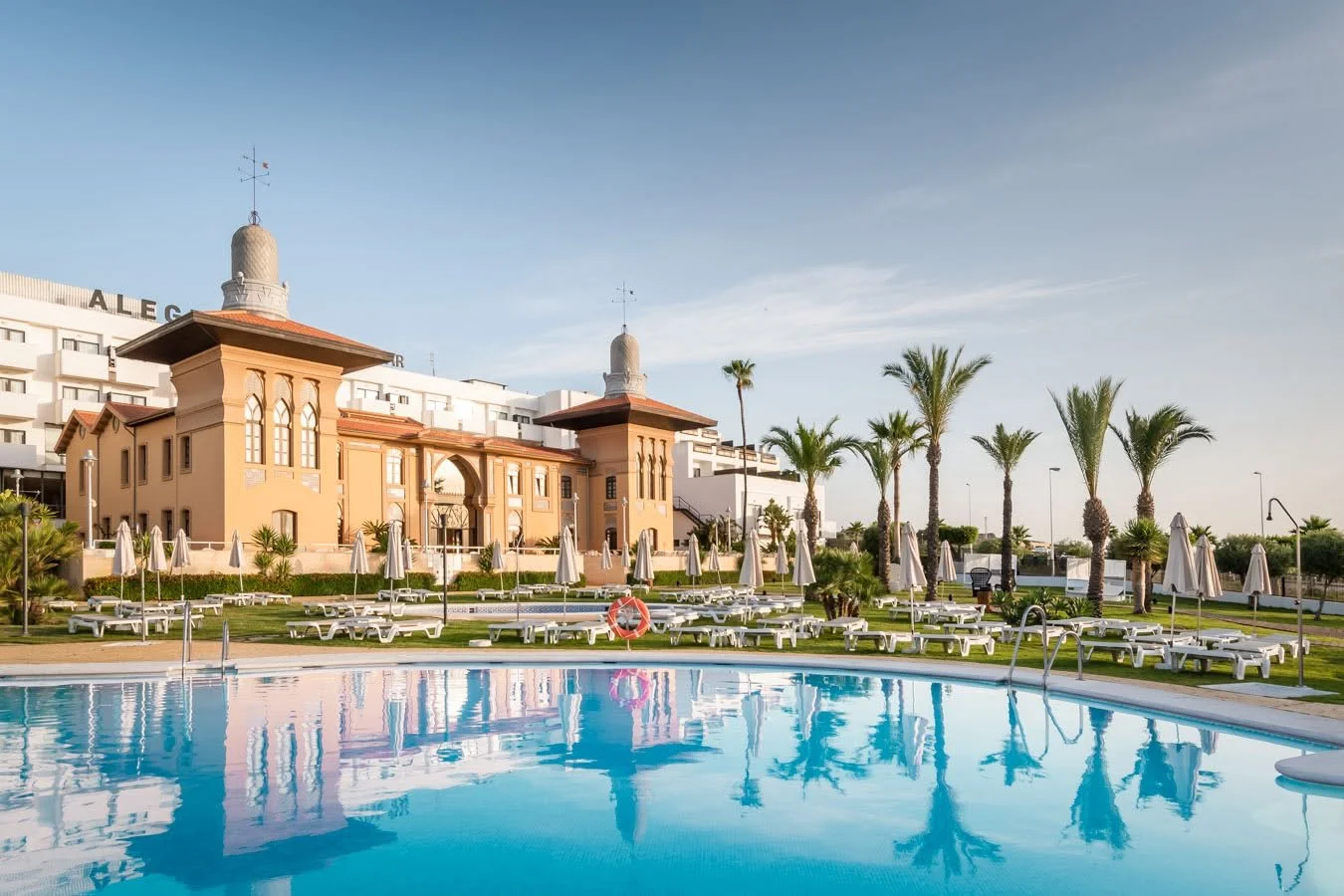
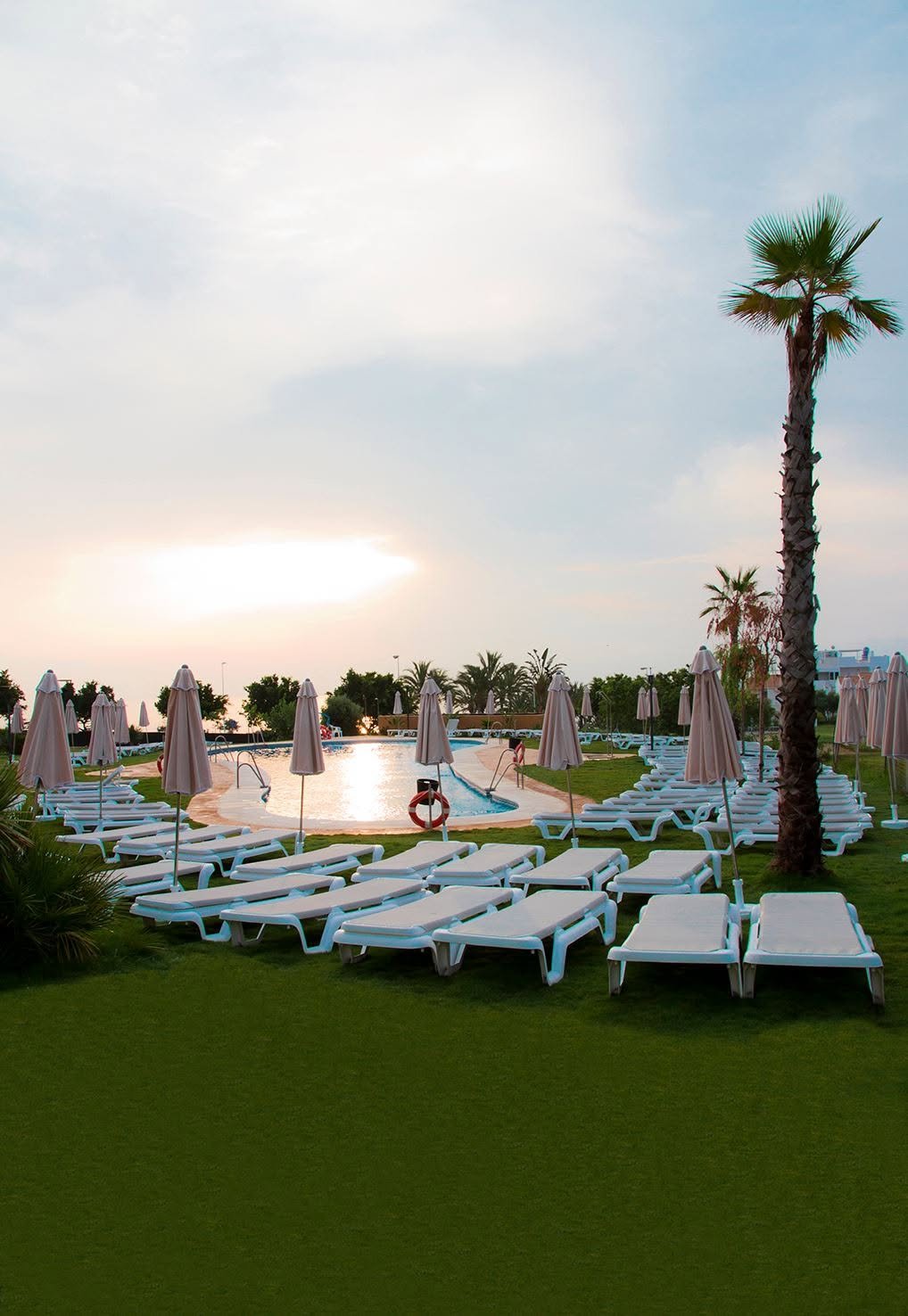
Image courtesy of Hotel The Place Palacio Mojácar.
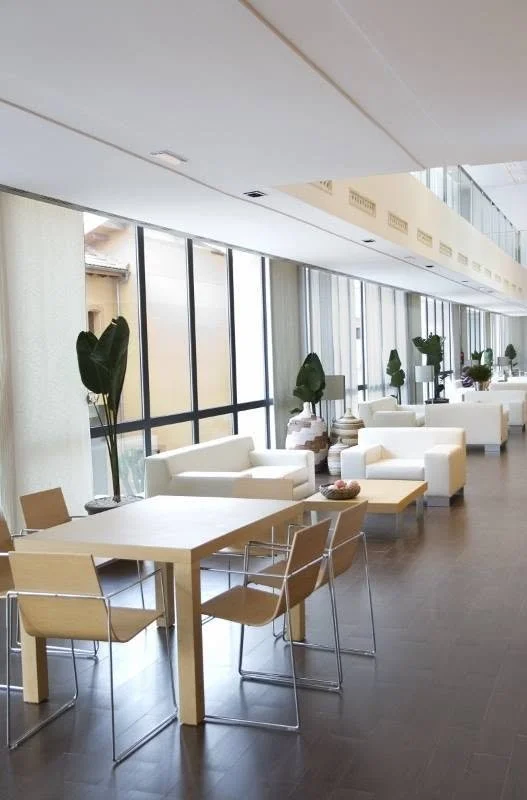
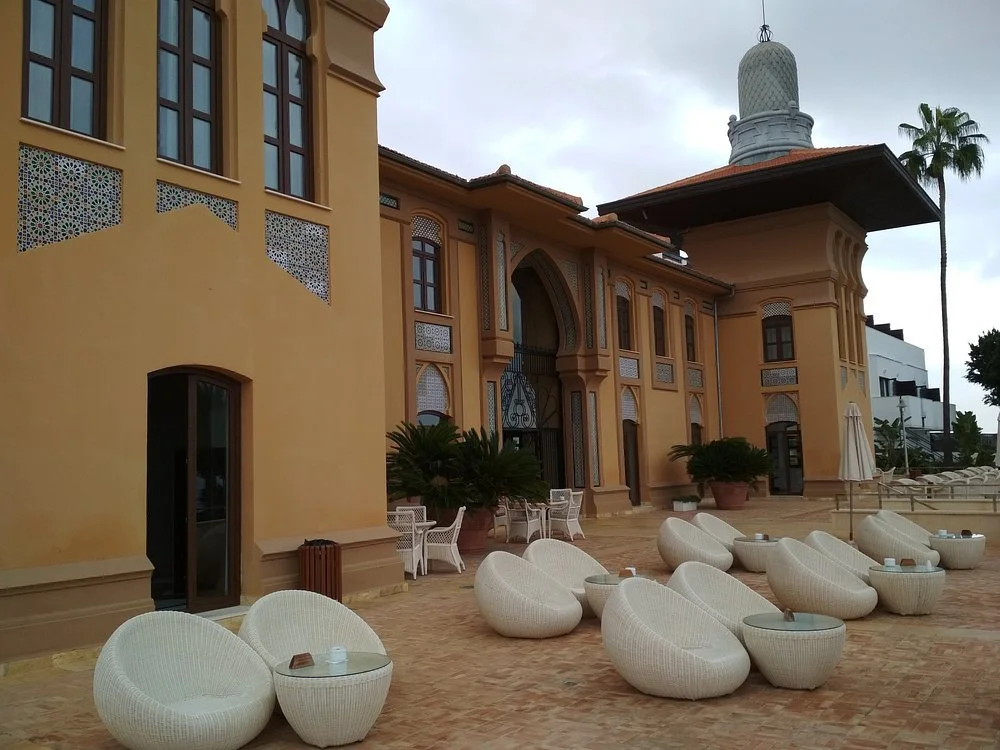
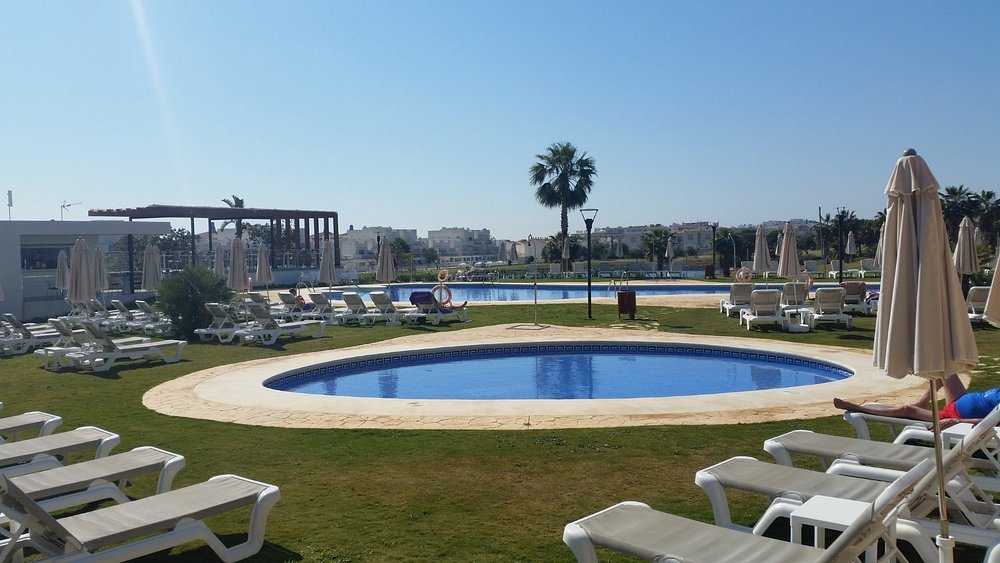
Hotel The Place Palacio Mojácar gave me a comfortable base for exploring this part of Almería, and I liked having somewhere that felt removed from the busier parts of the coast while still being close enough to enjoy everything Mojácar has to offer. After spending time sightseeing and walking around the area, it was nice to be able to return to the hotel, slow down for a while and enjoy the Mediterranean setting rather than feeling like I was constantly on the move.
What I particularly enjoyed about staying here was the contrast between the different sides of Mojácar. The famous whitewashed village sits high on the hillside, with its narrow streets, traditional houses and views across the surrounding landscape, while the newer coastal area stretches out below towards the Mediterranean. Having the hotel as a base meant I could experience both without feeling that I had to choose between staying in the historic centre or being close to the sea.
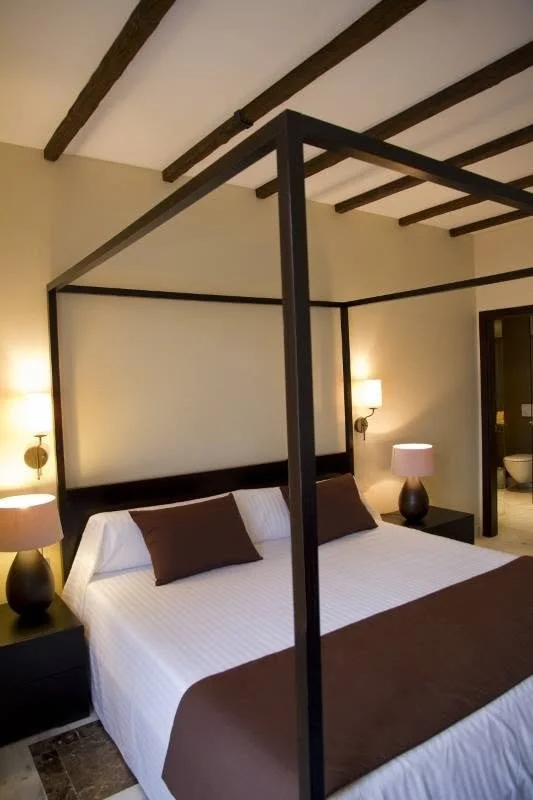
Mojácar is also a destination where I think being outside is a big part of the experience. I enjoyed taking my time walking through the old town, stopping at viewpoints and exploring the quieter streets before heading back down towards the coast. There is something particularly enjoyable about seeing the white buildings from different angles as you move between the hilltop village and the seaside, especially with the dry Almerían landscape and Mediterranean light around you.
The location worked well for the way I like to travel because I could spend the morning exploring the historic side of Mojácar, take a break during the warmer part of the afternoon and then head towards the coast for some time by the sea. In the evening, I could either stay close to the hotel or head out for dinner and continue exploring. For a short stay, having that flexibility made The Place Palacio Mojácar a convenient and comfortable starting point for experiencing both the history and the coastal side of the destination.
Where I'd Have Dinner: Restaurante La Parata
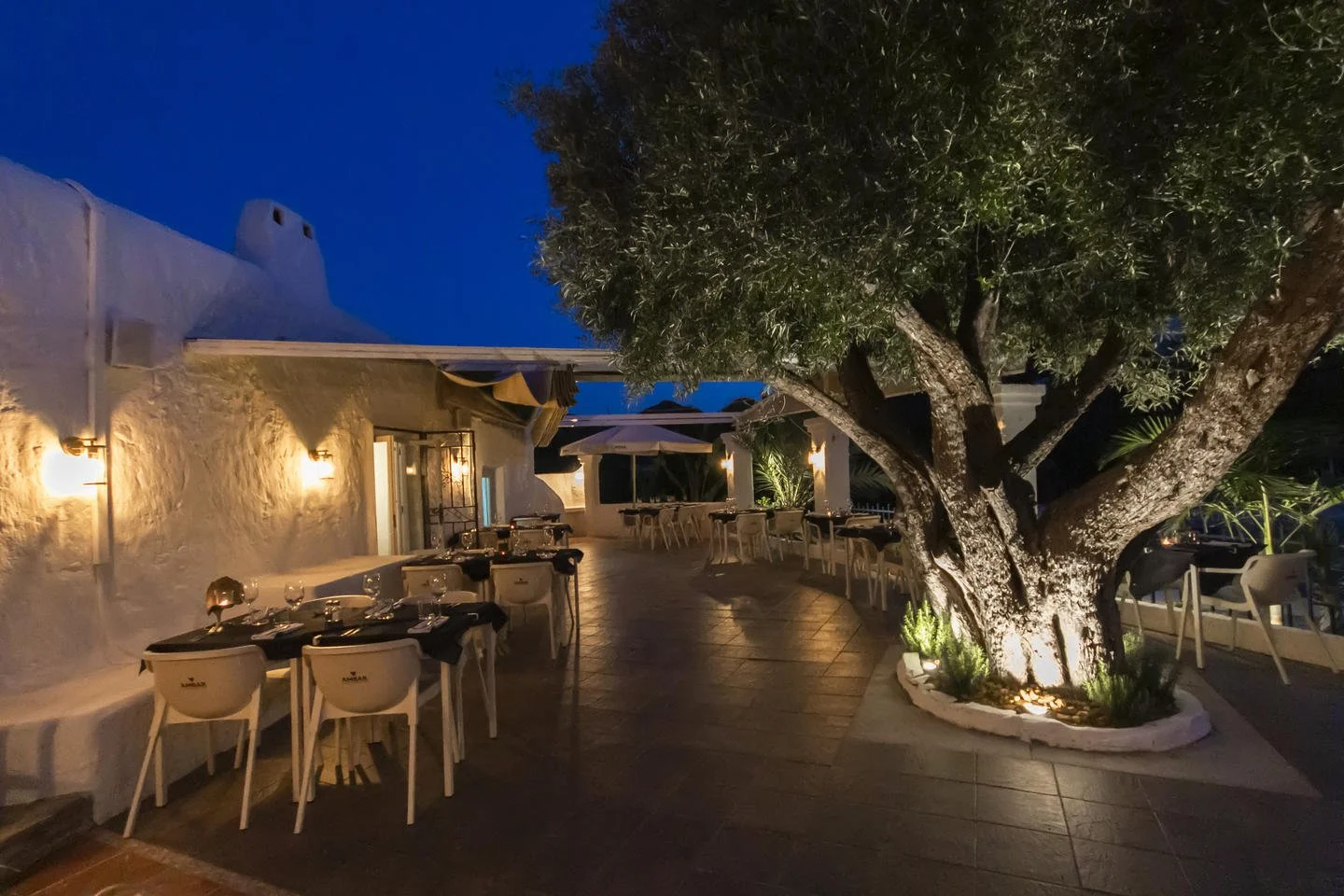
Image courtesy of Restaurante La Parata.
Avenida La Parata, 21 | Mojácar
For dinner, I'd recommend Restaurante La Parata if you're looking for something with a more local and traditional feel rather than one of the many restaurants aimed primarily at holidaymakers.
The restaurant has built an excellent reputation, currently sitting at around 4.8 stars from more than 680 reviews, and focuses on Spanish and Mediterranean cooking. The setting away from the busiest beachfront streets also gives it a more relaxed atmosphere, which is exactly what I'd be looking for after spending the day exploring Mojácar.
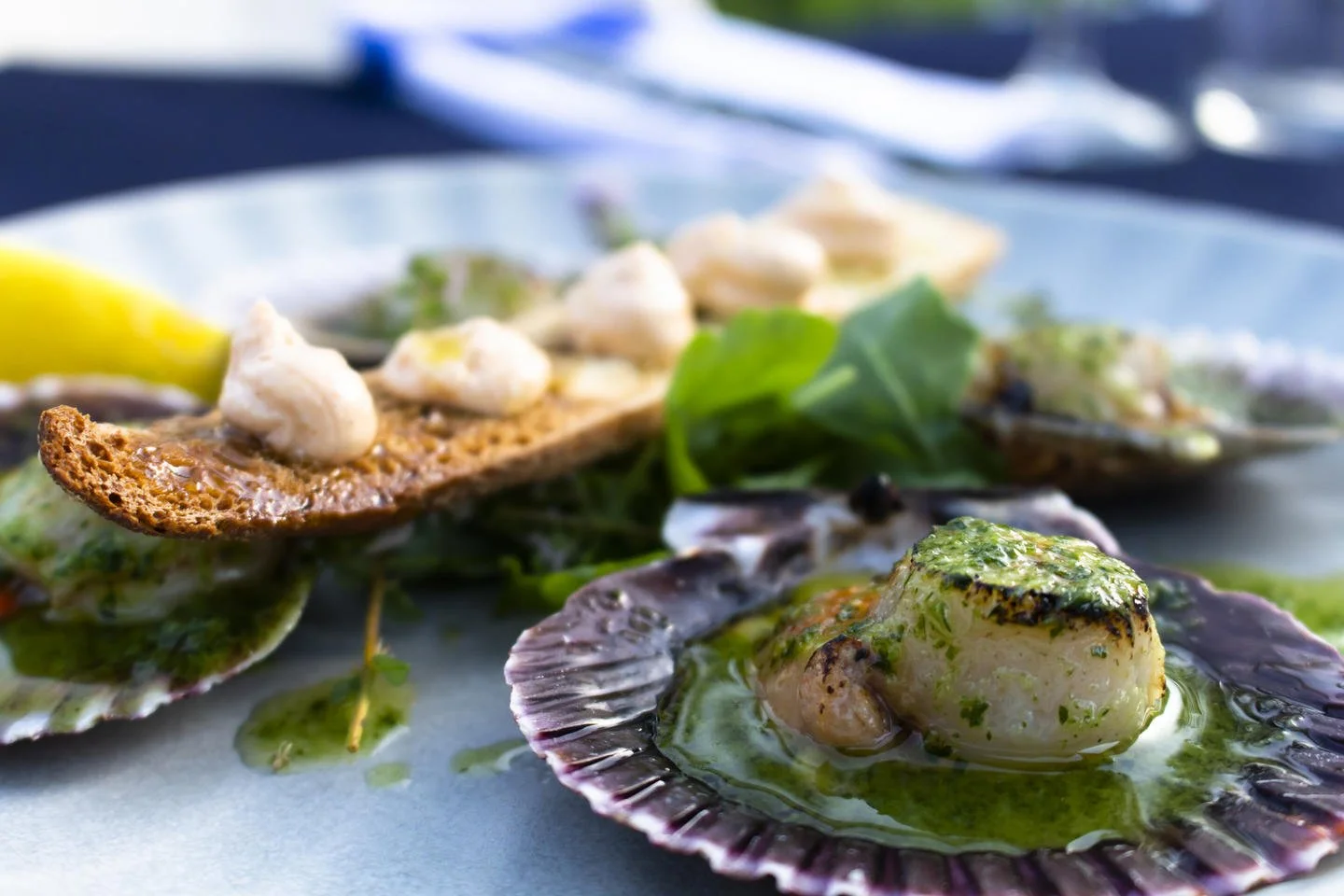
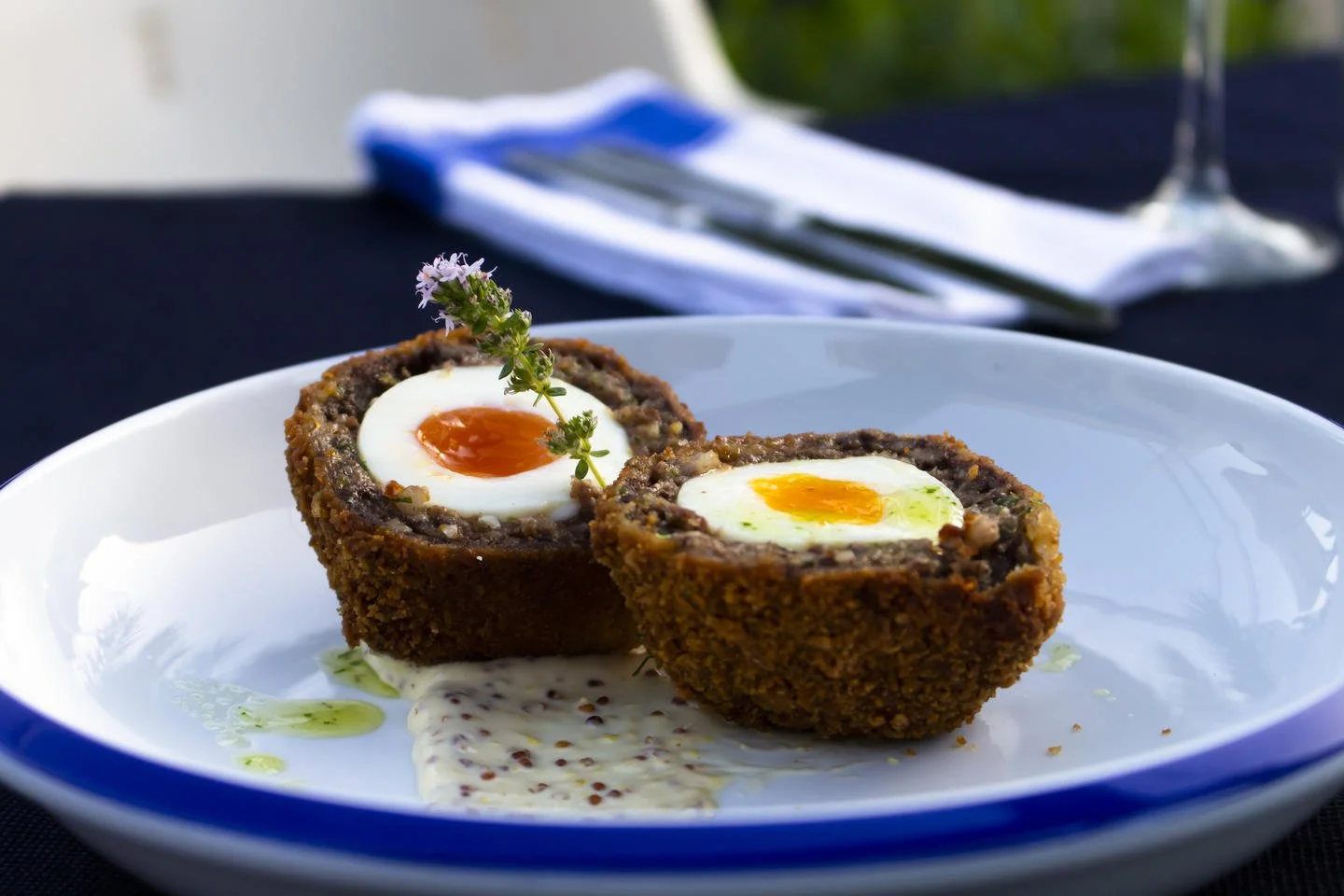
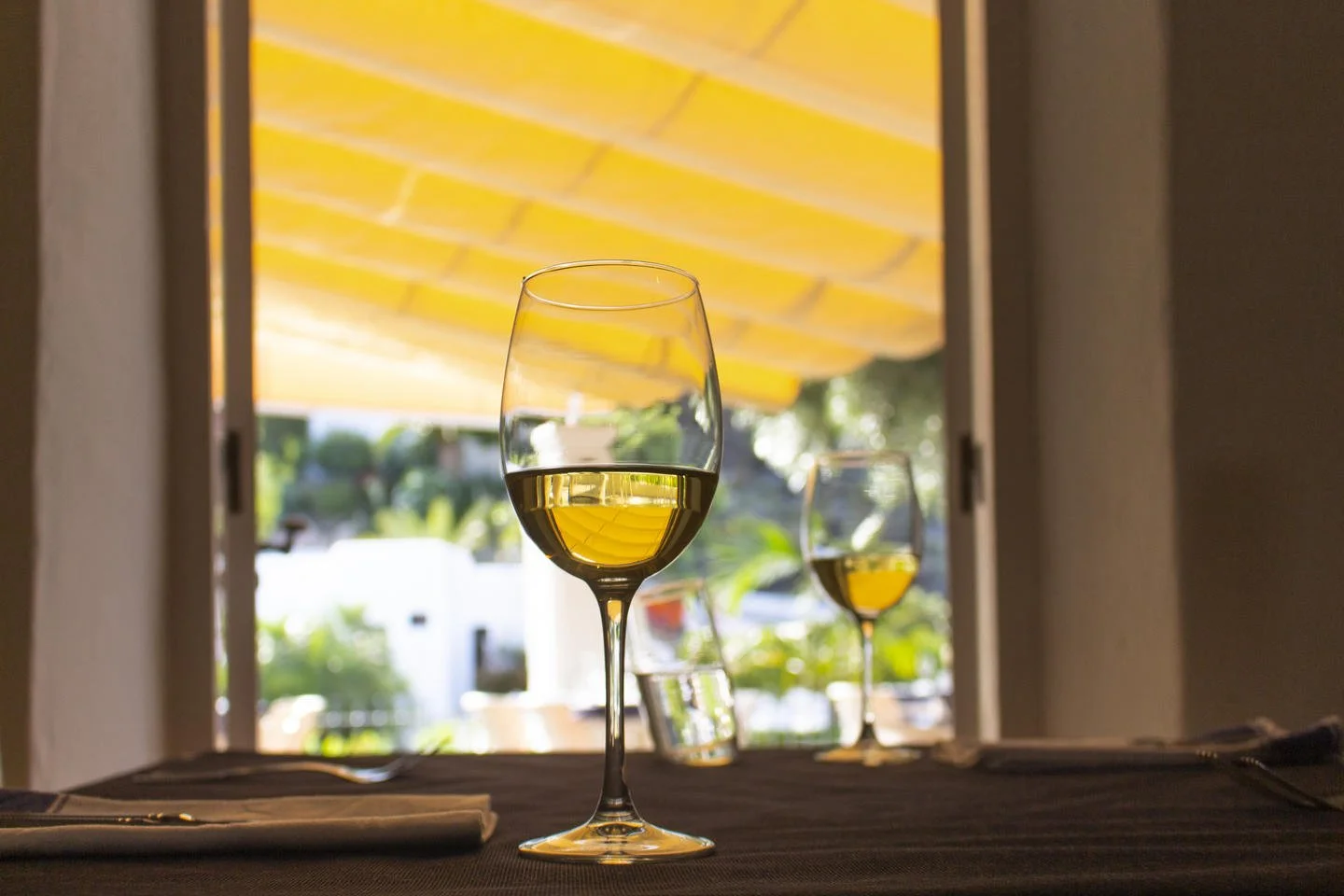
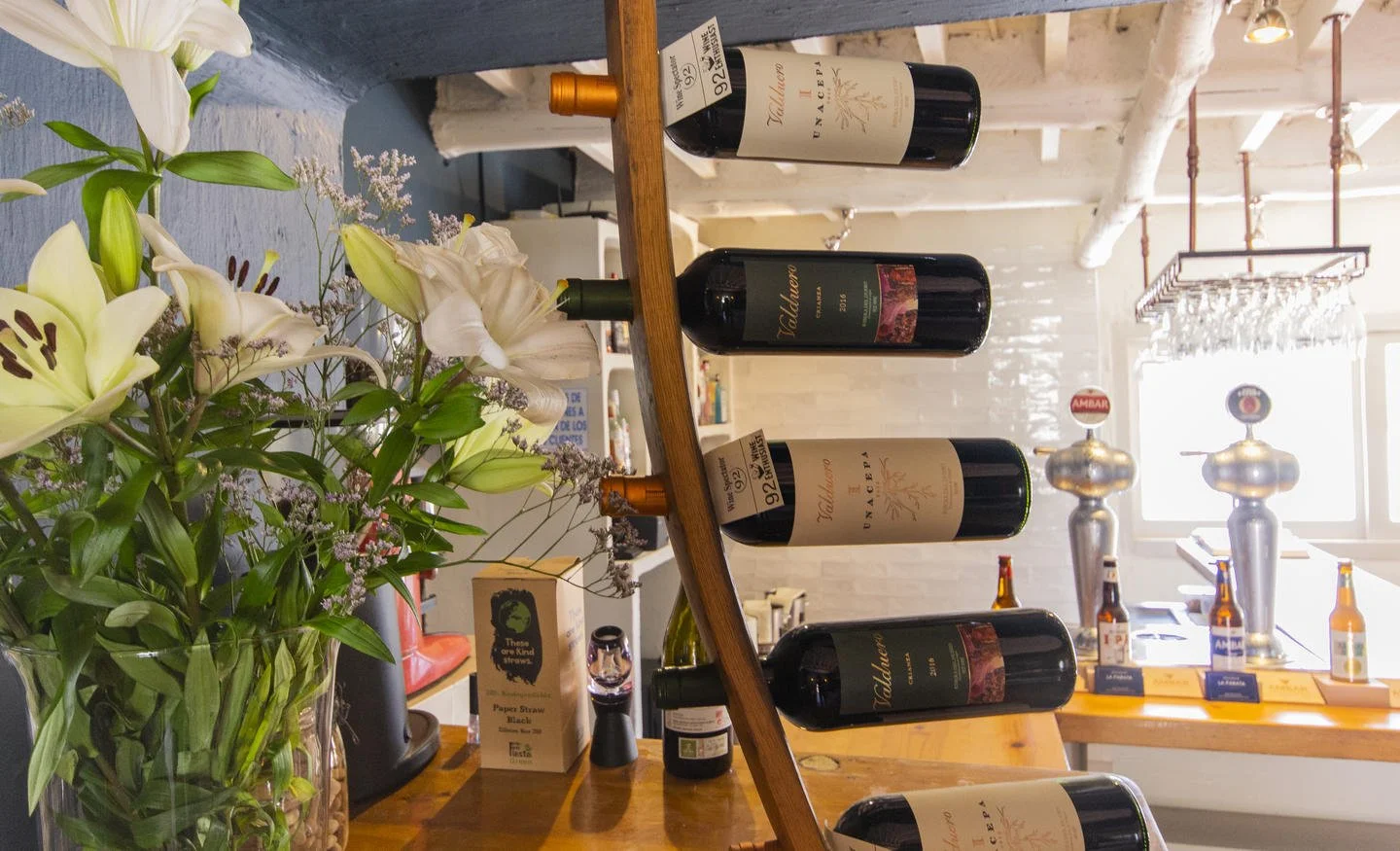
The menu is broad enough to suit different tastes, but I'd lean towards the Spanish and Mediterranean dishes and make the meal about sharing a few plates rather than ordering something overly complicated. This is the sort of restaurant where I would sit down with a glass of wine, take my time and let dinner become part of the evening rather than simply something to fit between sightseeing plans.
Best for: Spanish and Mediterranean cooking, a relaxed dinner and getting away from the busiest tourist areas.
Mojácar Was a Great Almería Stop
Mojácar was one of those places where the destination itself was more interesting than I expected. The hilltop village is genuinely beautiful, but it isn't just about the whitewashed buildings and Instagram-friendly streets. There is a long and fascinating history behind the town, from its early settlements and Roman connections to the centuries of Muslim influence that helped shape the architecture and layout you see today.
I also enjoyed the contrast between the old village and Mojácar Playa. You can spend the morning surrounded by history and narrow medieval streets before heading down towards the Mediterranean for a completely different atmosphere.
If you're travelling through Almería, I'd definitely make time for Mojácar. Come for the views and the whitewashed houses, but stay long enough to walk the old streets, learn a little about the town's history and have a proper Spanish dinner.
For me, it was another reminder that some of the most memorable stops on a road trip aren't necessarily the biggest cities. Sometimes a small hillside town with a fascinating history, beautiful views and good food is exactly what you need.
