Black Sand Beaches, Misty Mountains & World-Class Coffee: El Salvador Travel Guide
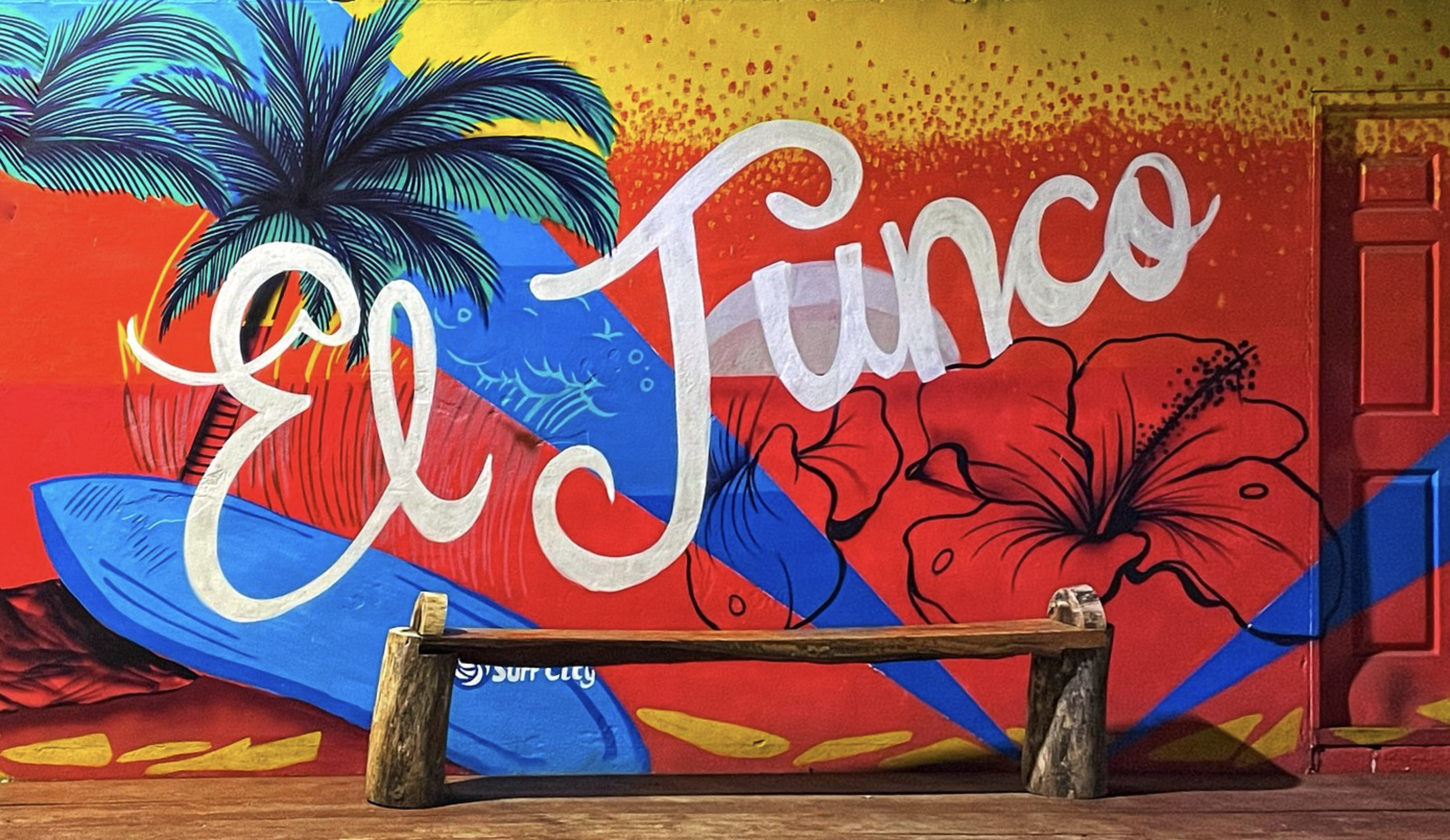
Hey friends, it’s Chris here, currently writing this from my hotel in El Salvador in late February 2026. I needed a reset: sun, adventure, zero Slack notifications, and some real-world inspiration to fuel the next quarter. This tiny country on the Pacific coast of Central America (sandwiched between Guatemala and Honduras) delivered exactly that. Think black-sand beaches, volcanic mountains covered in coffee plantations, and colonial towns that feel like they stepped out of a postcard.
I flew direct from Houston (IAH) on United - literally 2 hours 55 minutes in the air. Landed at San Salvador (SAL), grabbed my Sixt car rental to the coast, and I was checked in before lunch. February weather here is straight-up perfect: 85–90°F (29–32°C) every day, bright blue skies, almost zero rain, and a cool breeze off the Pacific at night. Dry season magic.
Safety-wise? I felt safer walking around El Tunco at midnight than I do in parts of some U.S. cities. The country’s transformation under the current administration is real -homicide rates have plummeted, the U.S. State Department just bumped it to Level 1 (“exercise normal precautions”), and in tourist zones you see families, surfers, and digital nomads everywhere. Common sense still applies (don’t flash your Rolex at 2 a.m. in San Salvador), but honestly, I never once felt uneasy.
I based myself at Boca Olas Resort & Villas in El Tunco - stunning beachfront villas, infinity pools, palm trees swaying, and the sound of waves 24/7. Perfect solo setup with great Wi-Fi when I needed to check in on the business, but mostly I left the laptop closed.
Here are the Top 3 things I did that made this trip unforgettable. Each one felt like its own mini-story.
1. Surfing in El Tunco - My First Real Wipeouts (and First Real Wins)
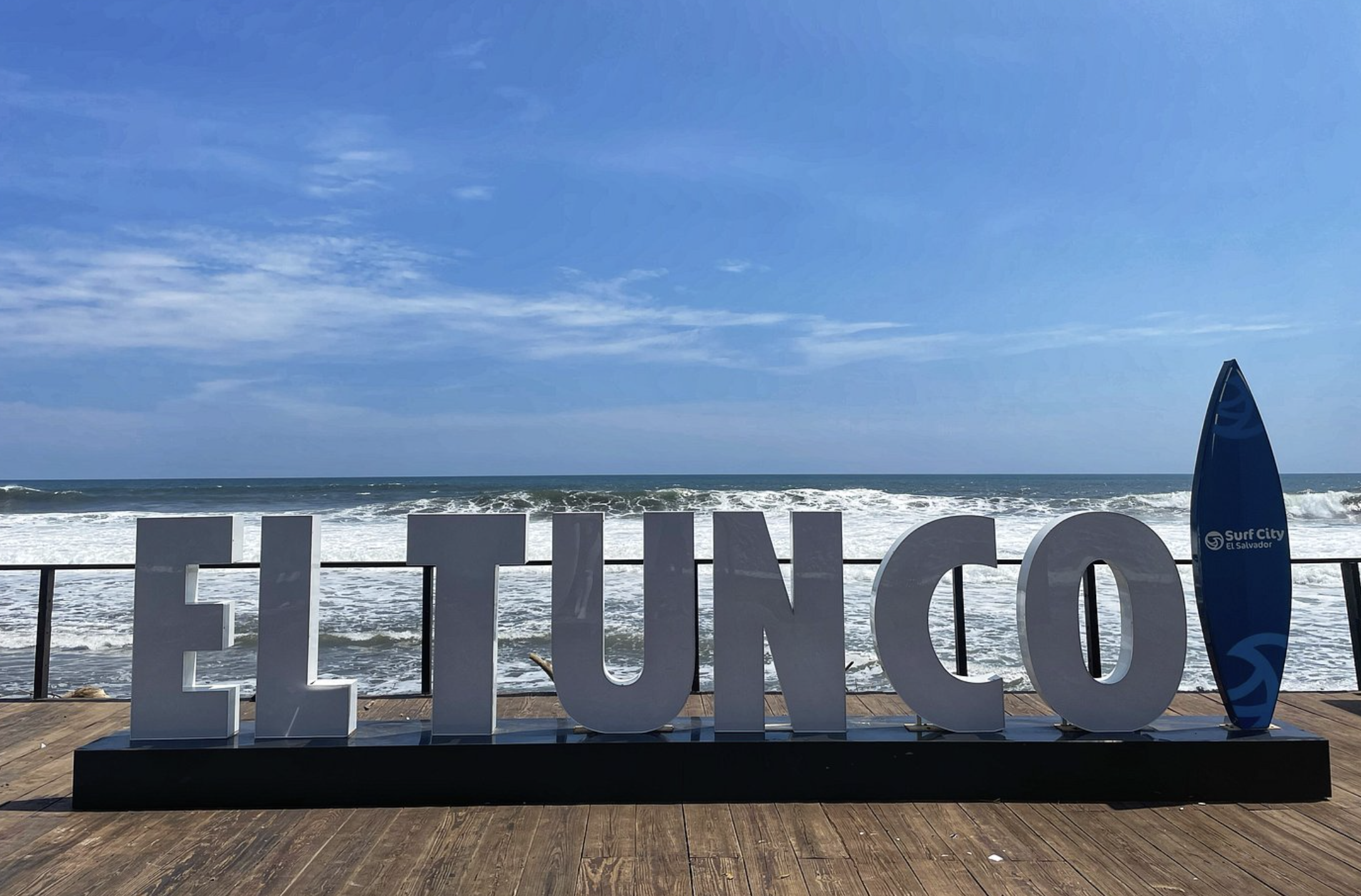
Pulling up to El Tunco after the short drive from the airport felt like stepping into a different world. This tiny surf town has that raw, unpolished energy: dusty dirt roads winding between low-slung hostels and taco stands, barefoot locals and travelers padding around with boards under their arms, colorful smoothie bowls and acai places everywhere you look. Surfboards lean against every wall like street art. The beaches are black volcanic sand - jarring if you’re used to golden European shores or white Caribbean stretches. It’s gritty, magnetic, and instantly grounding. The sound of waves crashes 24/7; it lulls you to sleep from the villa balcony and greets you at dawn. The vibe splits between pure surfer aesthetic (salt-crusted hair, board shorts, early-morning focus) and a mellow party-backpacker scene at night with beach bars and live music. Arriving solo? A mix of excitement and that familiar solo-traveler twinge - no one to share the “holy crap, I’m here” moment with. But mostly thrilled. The ocean was right there, calling.
Did I feel intimidated? Hell yes. Excited? Absolutely. Like an imposter hauling a rental longboard down the beach? 100%. But that’s part of the pull.
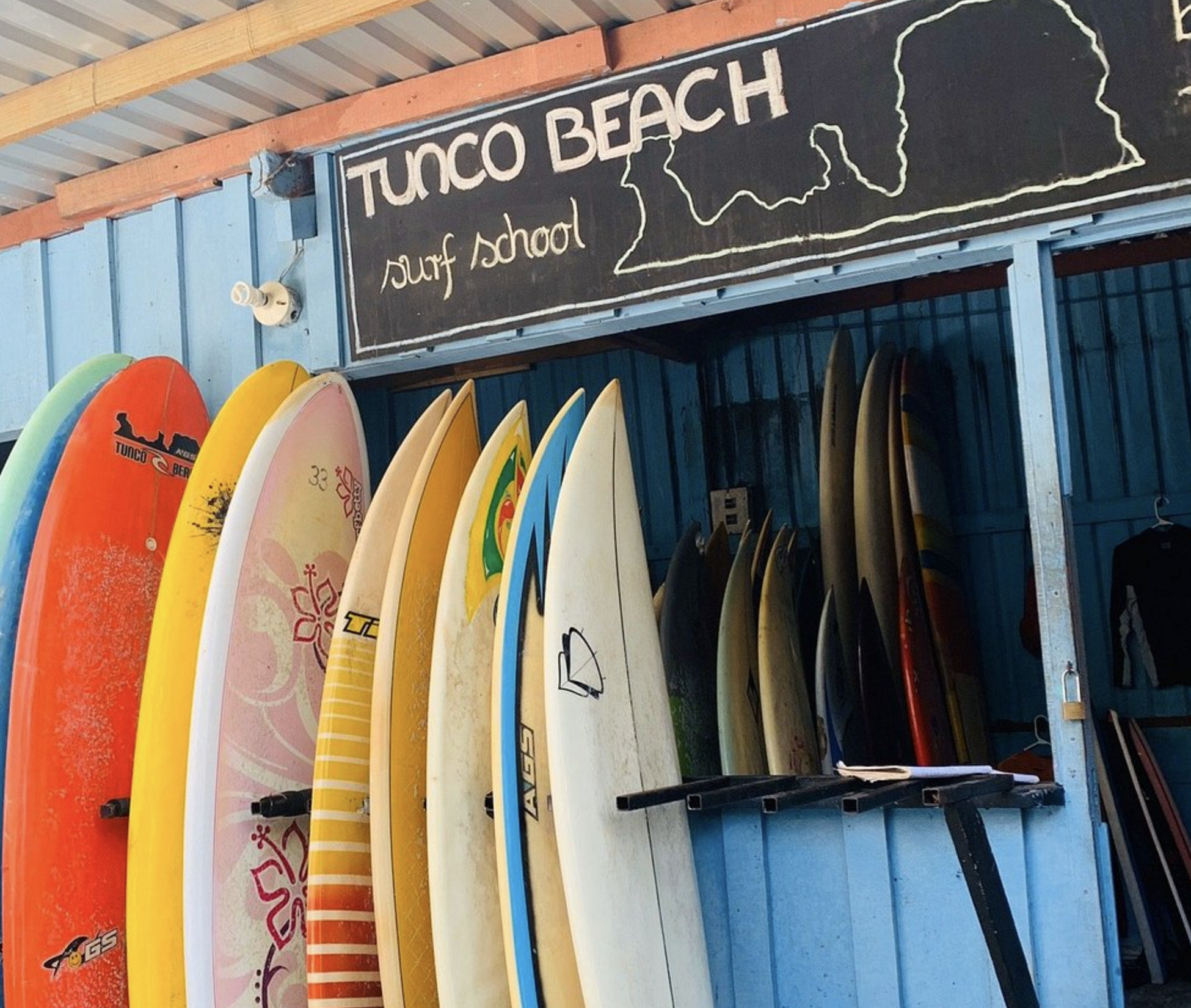
Lessons here are stupidly affordable, about $35 for a solid 1.5-hour private session, way cheaper than anything in Europe or even Costa Rica. I picked a beachfront school based on chill vibes, good reviews for safety, and English-speaking instructors (Mario turned out to be a legend - calm, patient, zero ego). We started on the sand: wax the board, leash on, then endless “pop up! pop up!” drills. Lie down, hands by ribs, push up, feet under, knees bent - repeat 20 times until your arms scream. Carrying that big soft-top board to the water? I felt ridiculous, like a kid playing pretend. My internal monologue: “You go to the gym regularly, you’re fit… this should be easy.” The ocean politely disagreed. Mario’s steady voice cut through my rising panic: “Relax, breathe, it’s just water.”
Paddling out into the warm 82°F water, the fun began - and by fun I mean humbling chaos.
White water tumbled me like a washing machine: board flying, legs whacked, saltwater shooting up my nose. One wipeout had the leash yank me back hard, board smacking my calf. After 20 minutes, arms like lead, lungs burning, I seriously questioned why humans ever decided to ride waves. The exhaustion hits fast when you’re fighting the ocean instead of flowing with it.
Psychologically? Brutal and beautiful. As an entrepreneur used to controlling outcomes: metrics, launches, decisions - this was the opposite. You can’t force a wave. You time it, commit fully, or you eat it. Half-commit and you’re done. It’s surrender or nothing. Ego death in real time: every fall strips away the illusion of control. But you paddle back out. Again. And again. Then it happened. Mario spots the set: “This one! Paddle hard… NOW!” Instinct takes over - no thinking, just pop-up. Knees wobble, board tilts, but I’m up. The wave lifts me, power under my feet, and for 3–5 glorious seconds I’m flying with the wind in my face, black sand rushing closer, world narrowed to that glide. The shock hits post-ride: “Wait… I did that?” Pure dopamine flood. Grin you can’t wipe off. Pride swells bigger than any closed deal.
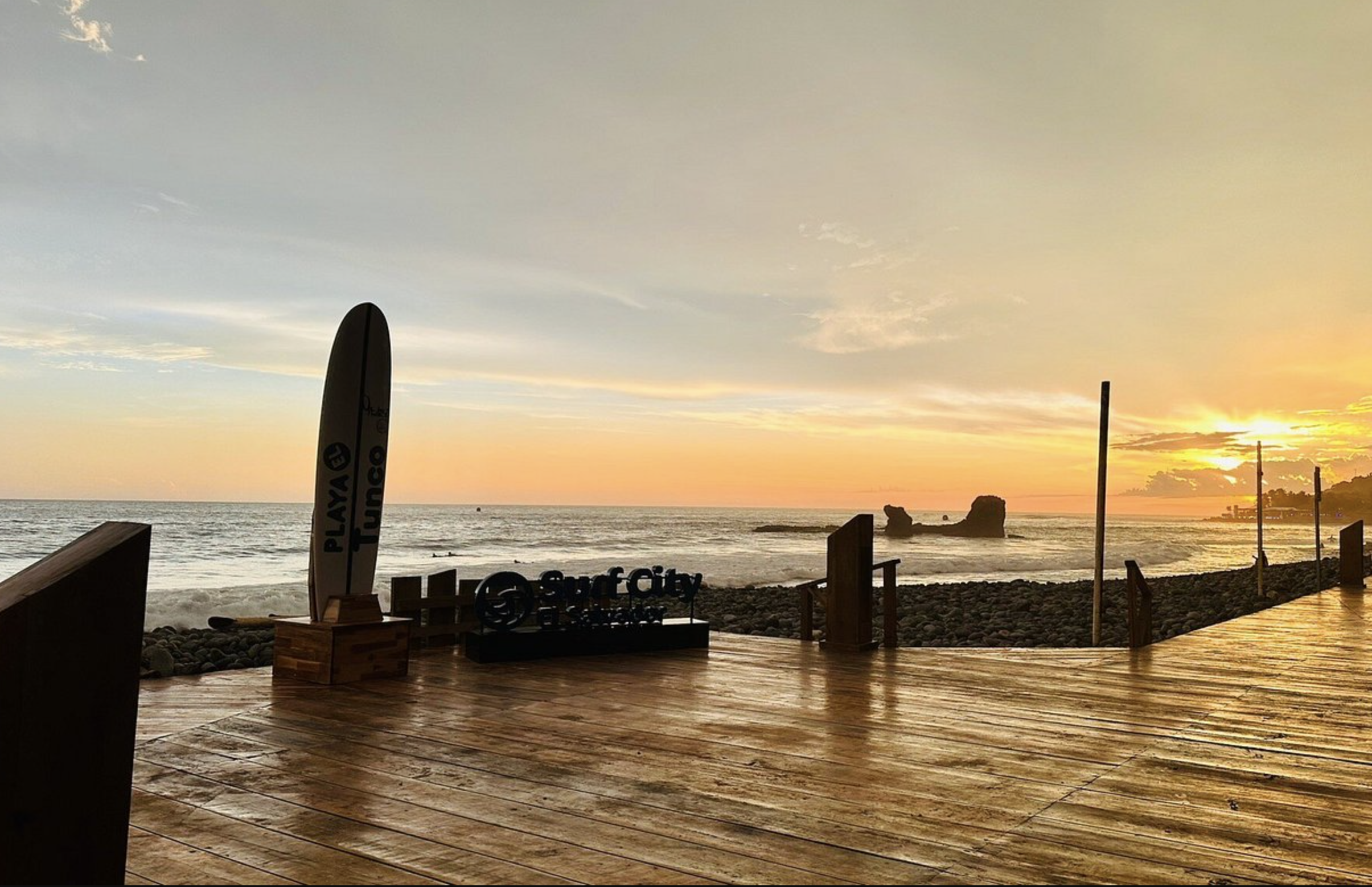
Back on shore: rinse in the cold outdoor shower, sandy hair staying sandy all day. Sunset on the rocks with the iconic Piedra El Tunco glowing orange. Grab a fresh coconut or smoothie from a beach vendor. That deep, satisfying physical tiredness - no mental chatter, just body done in the best way. Reminds me of post-tennis endorphins, but amplified: like a long beach walk times ten, every muscle humming.
Surfing strips it all back. The ocean doesn’t care about your LinkedIn or revenue goals. Timing beats brute strength every time. Falling isn’t failure - it’s data. You can’t half-commit; show up fully or get washed. Presence is non-negotiable, especially if your mind wanders - you fall. Most of all, it’s not about standing up…it’s about paddling back out after every wipeout. That resilience? Gold for entrepreneurship. Who’s paddling out next?
2. Exploring the Famed Ruta de las Flores - Colonial Colors, Jungle Waterfalls, and Mountain Magic
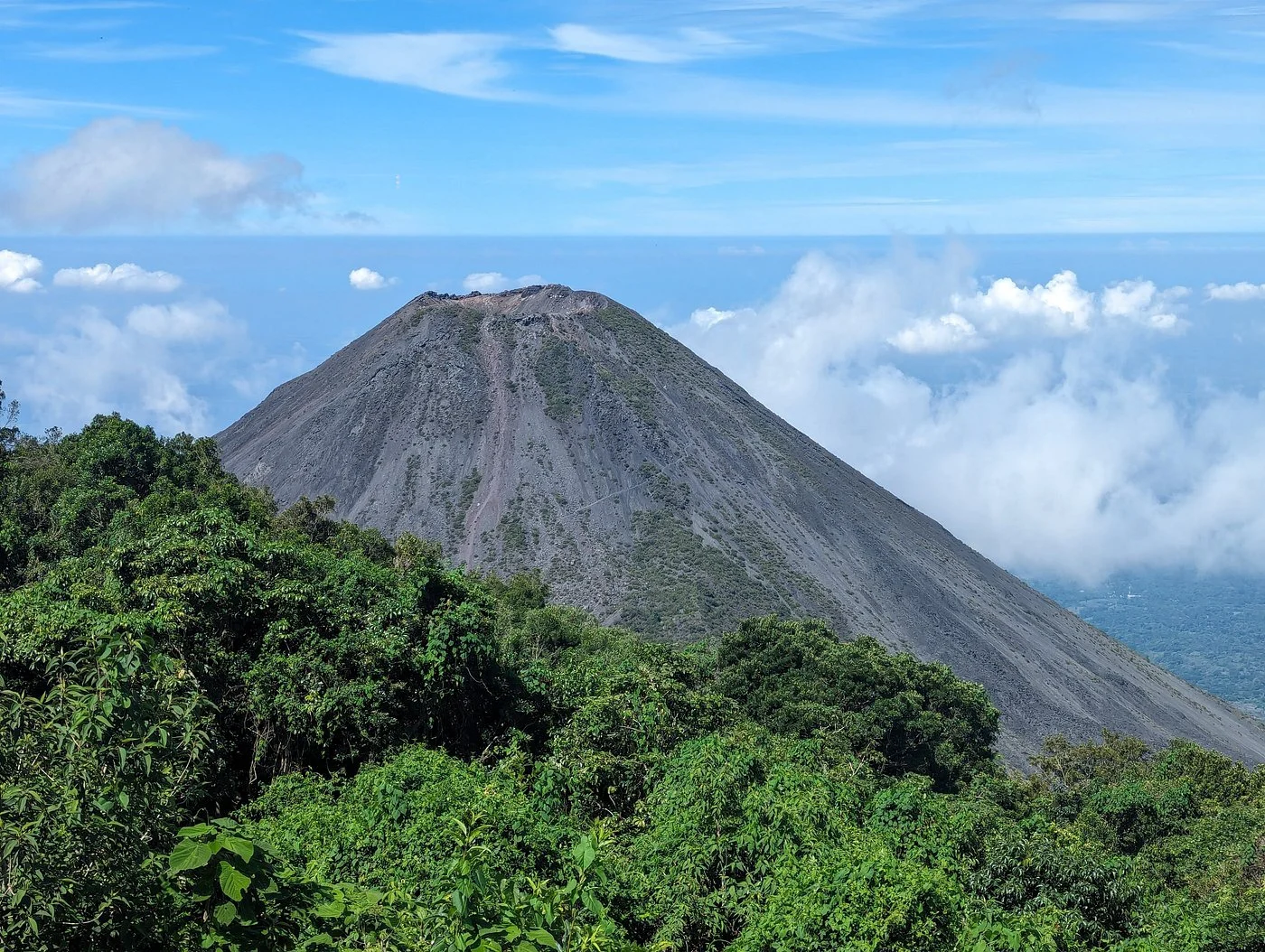
Mid-trip, after days of salt and surf energy, I craved contrast. So I drove two hours west into the western highlands for the Ruta de las Flores - not a single spot, but a scenic ribbon of small mountain towns linked by winding roads through misty hills, endless coffee farms, and volcanic ridges. The drive alone was therapy: switchbacks climbing higher, air turning crisp and cool (dropping 10–15°F from the coast), fog drifting through pine and coffee trees, wildflowers blooming in bursts of yellow, red, and purple - hence the name “Route of the Flowers.” After El Tunco’s beach chaos, this felt like downshifting into pure calm. The mountains don’t demand; they just exist, and somehow that’s enough to quiet the mind.
Juayúa - Weekend Food Festival & Local Life
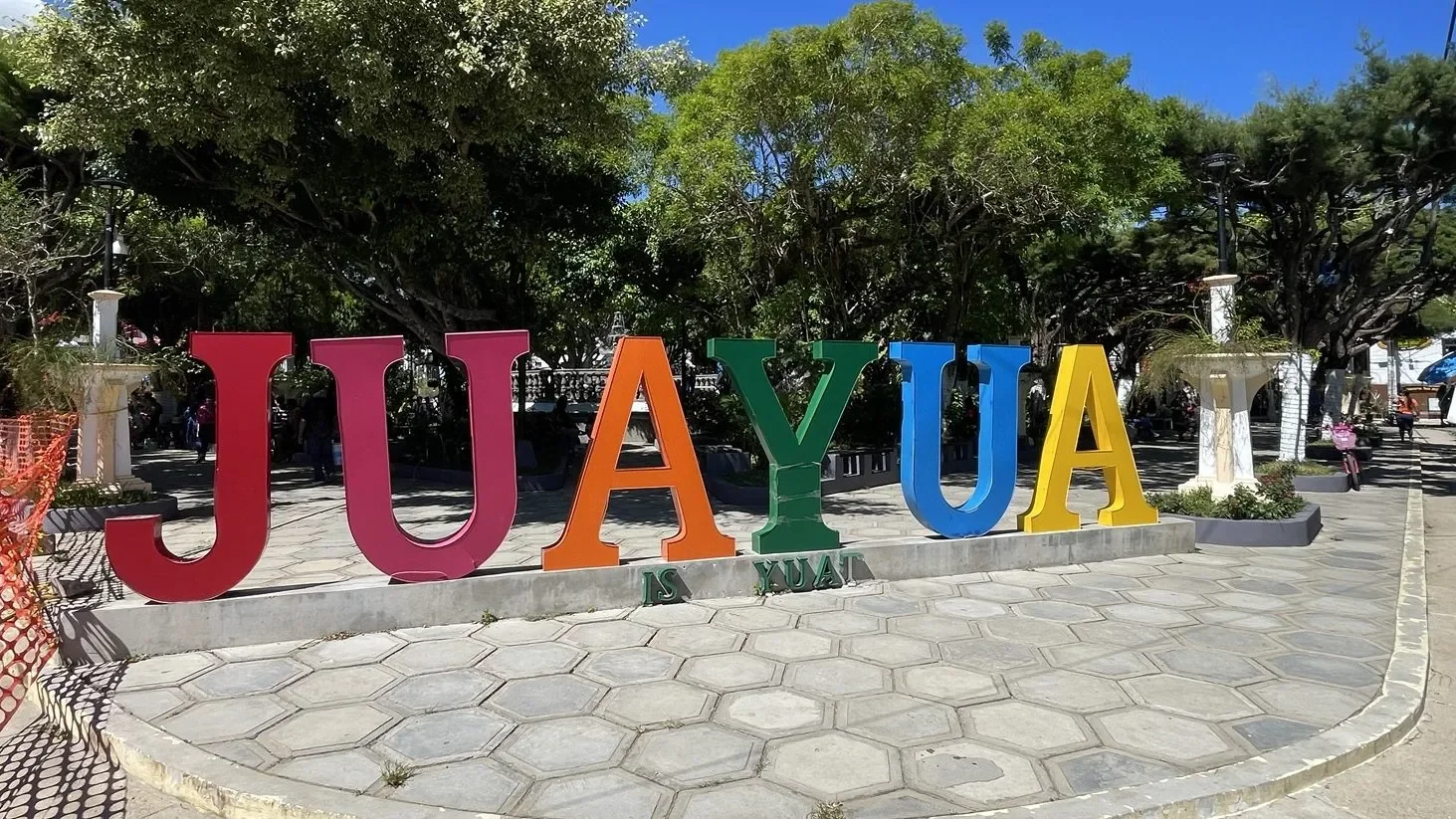
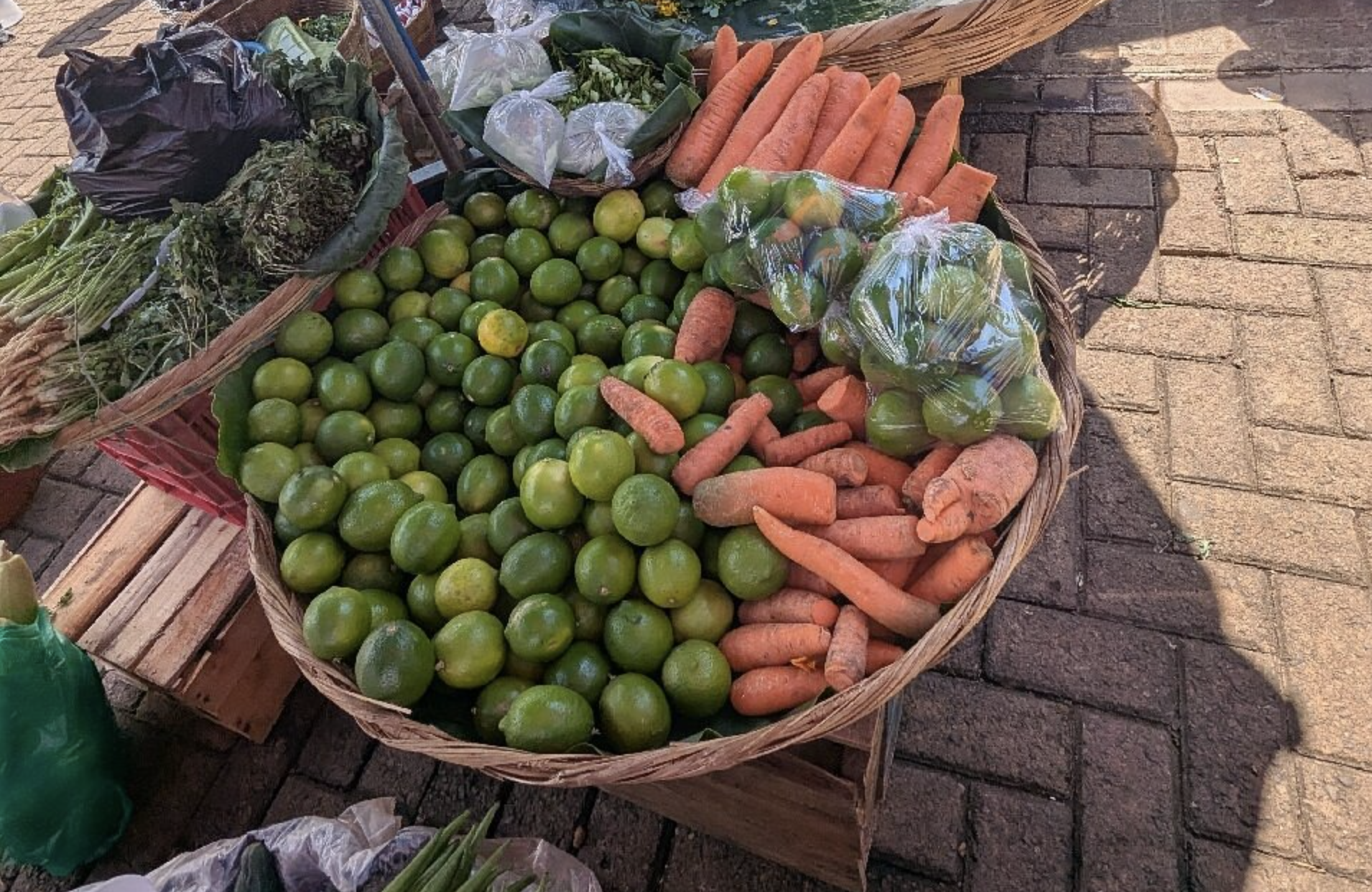
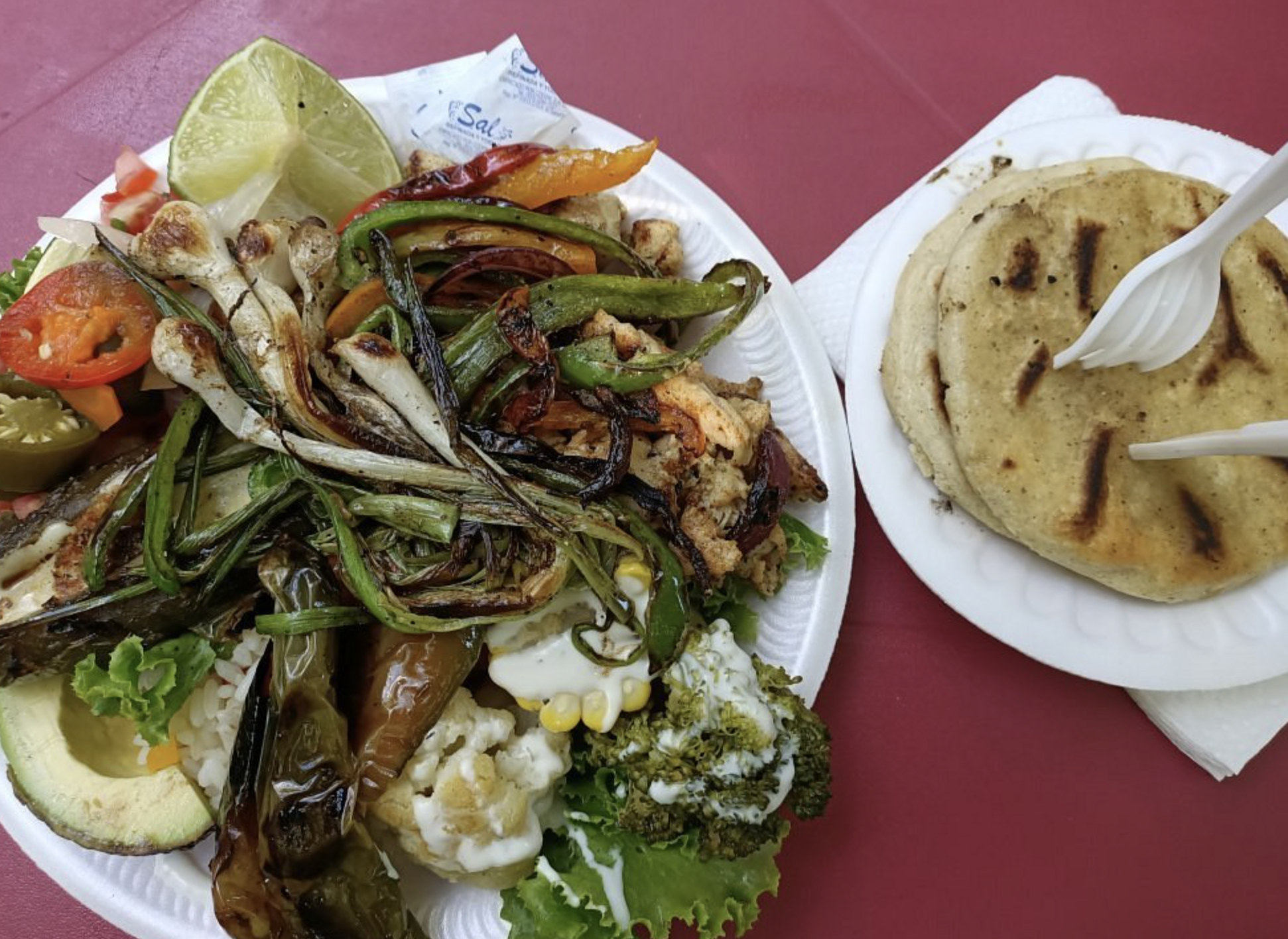
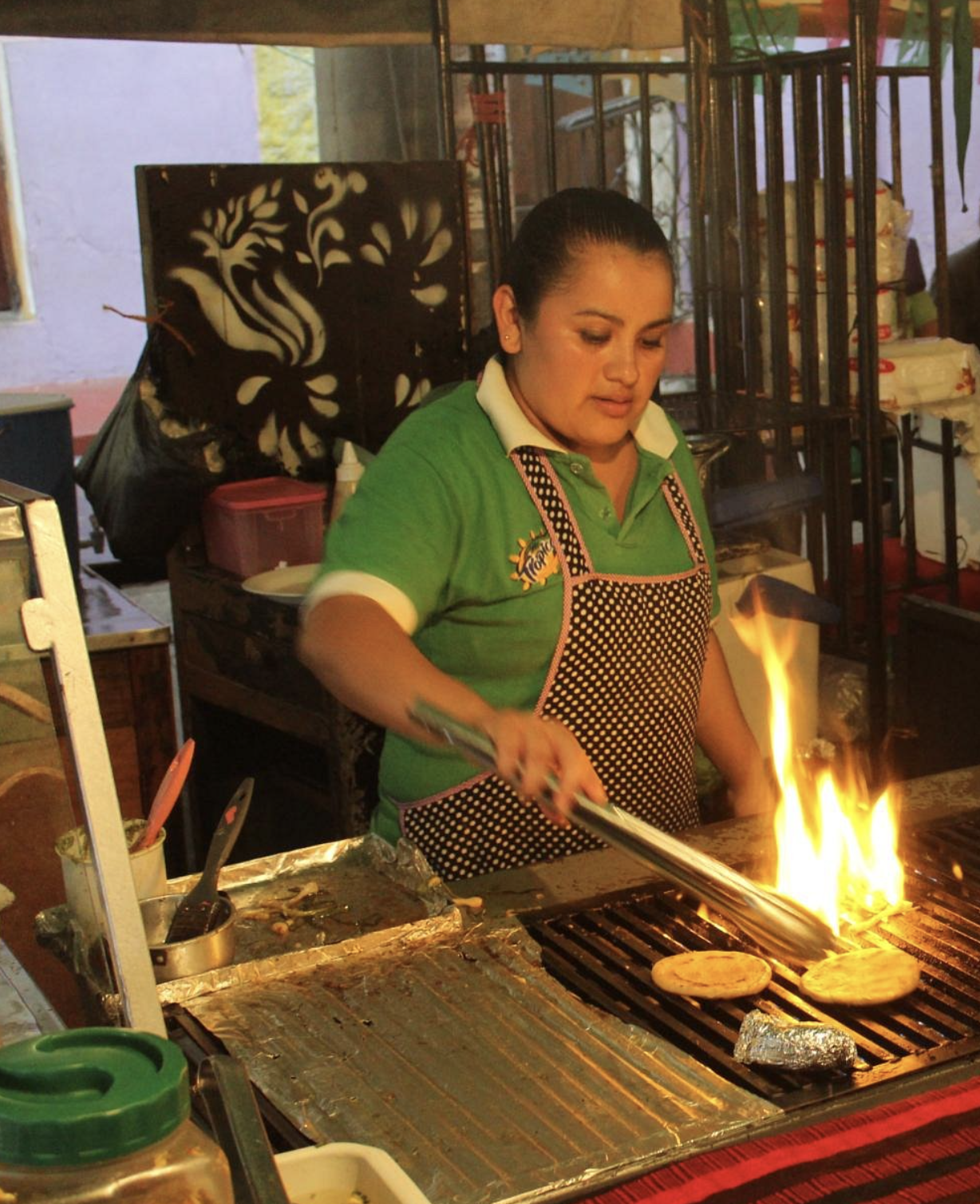
I timed it for the weekend and landed in Juayúa right as the famous food festival kicked off. The central plaza pulsed with life: colonial pastel buildings in soft yellows and blues framing the white church with its red-tiled roof, families strolling, kids chasing balloons, vendors calling out. Grills smoked with grilled meats, massive seafood platters, and of course pupusas - thick corn tortillas stuffed with chicharrón, cheese, beans, and loroco flowers, topped with curtido slaw and spicy salsa. I devoured a revuelta pupusa, greasy and perfect, with fresh horchata while mariachi bands played in the square. Live music floated over the crowd, people dancing spontaneously. This small-town Latin America vibe hits different from Europe -community-centered, unhurried, full of human interaction. No rush, just connection. As a solo traveler, I loved sitting on a bench, people-watching, feeling part of something without needing to be.
Apaneca – Misty Mountains & The Deeper Feeling
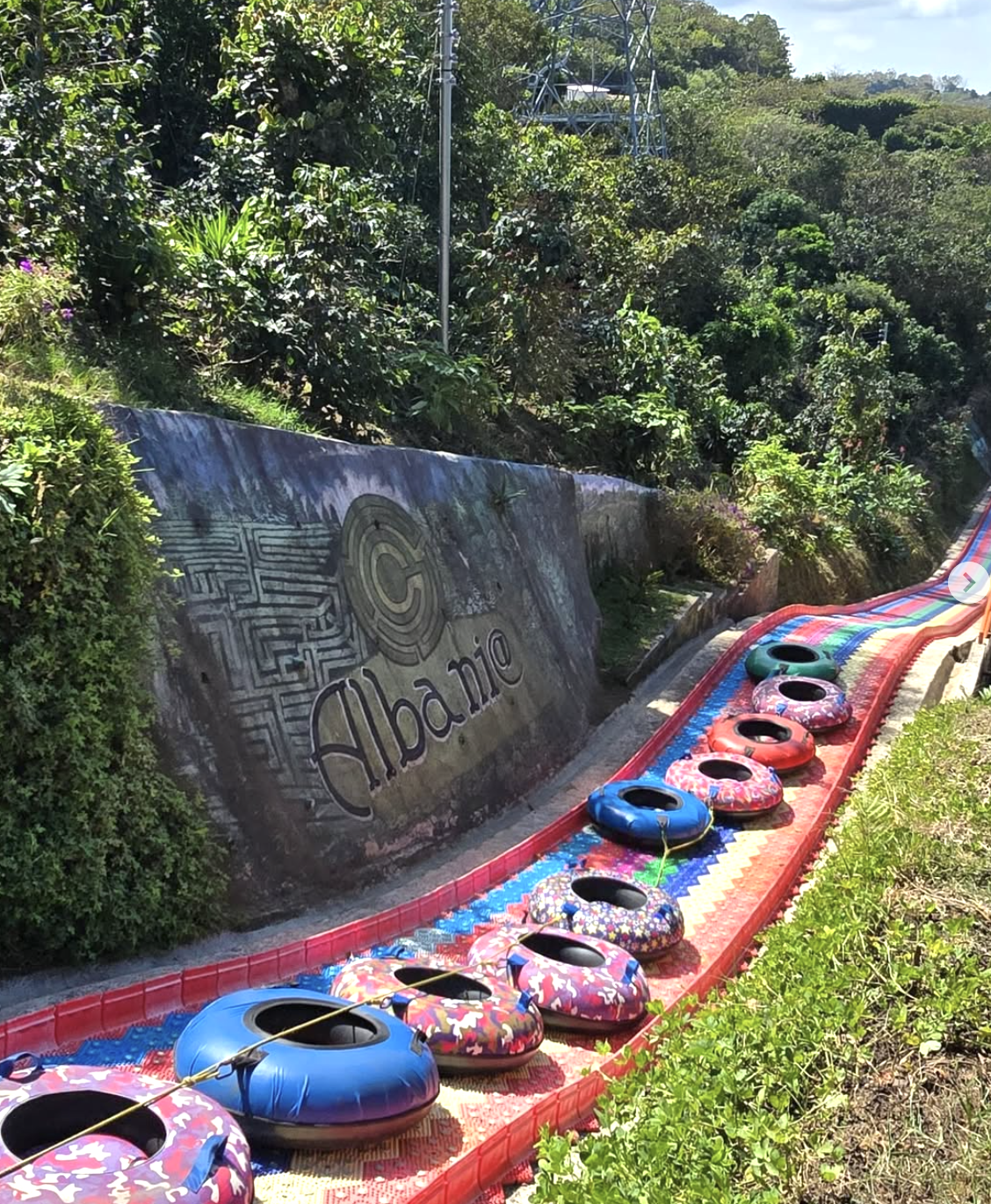
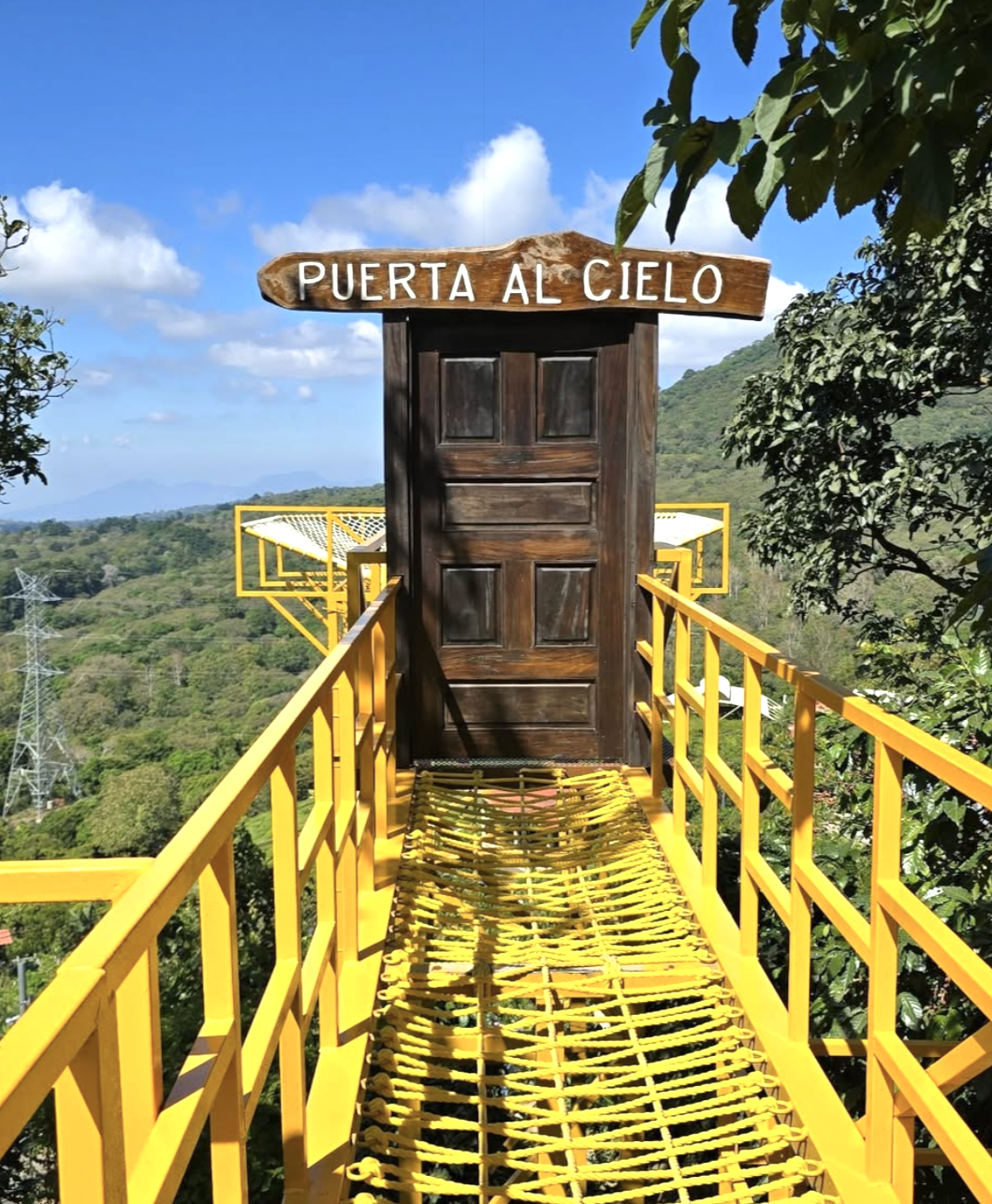
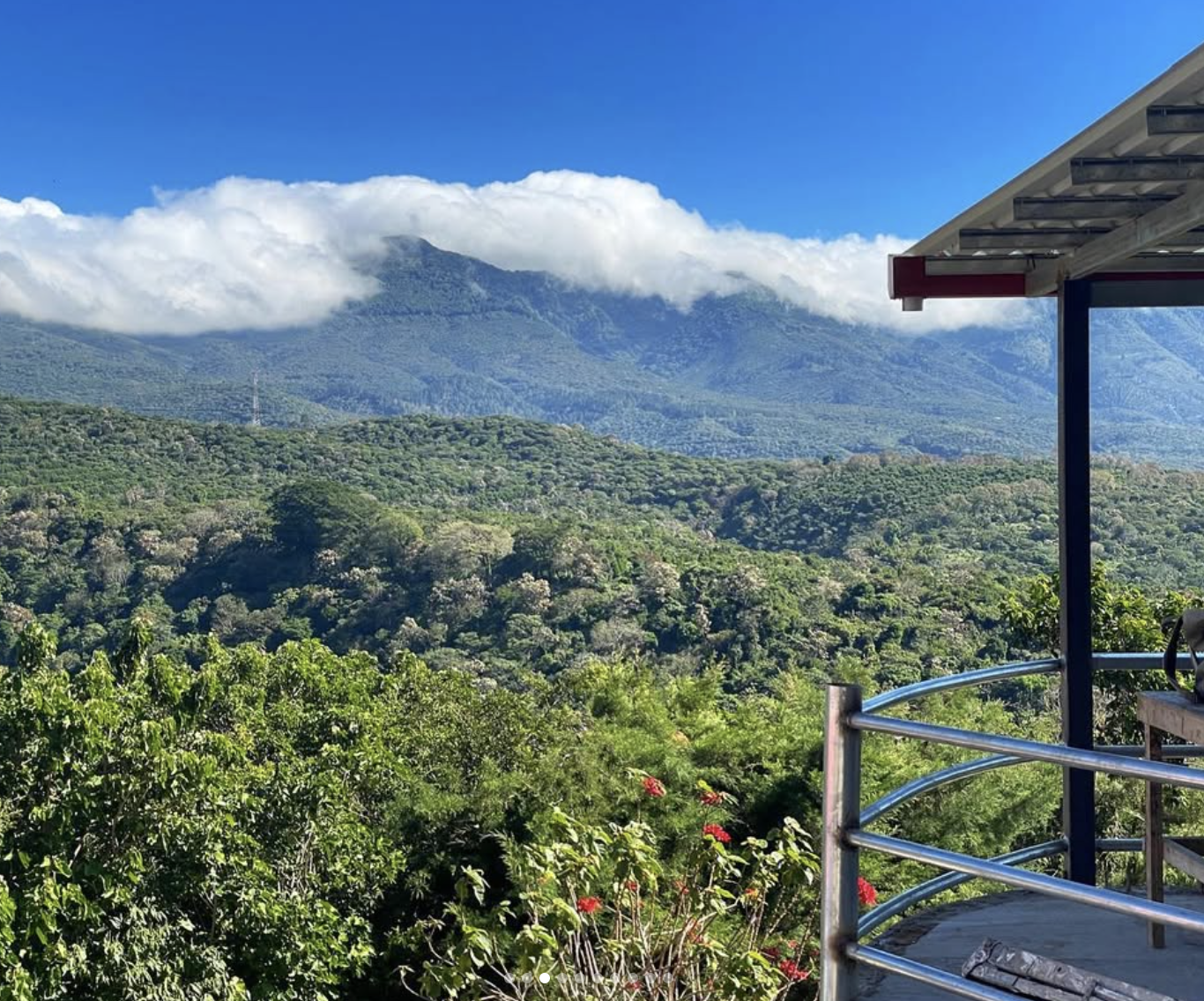
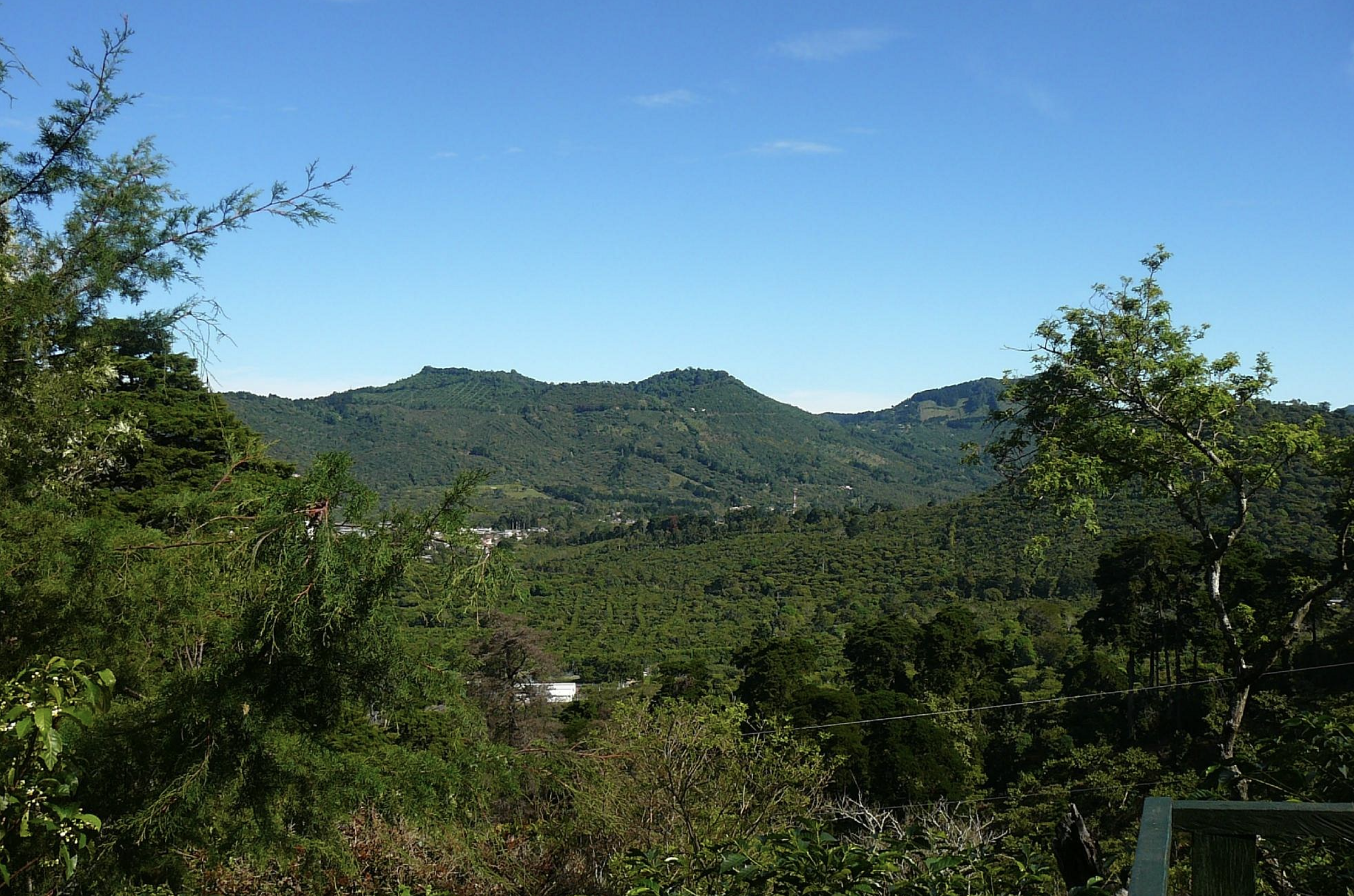
Pushing on to Apaneca, the air got even cooler, mist rolling through the hills like a soft blanket over coffee rows. Moody atmosphere: layered green ridges fading into haze, the occasional ATV or zip-line group zipping by (I observed, didn’t join - serenity over adrenaline this time). The highlands feel almost European in their cool freshness, a stark contrast to the tropical surf coast. Being at altitude slows your thoughts - everything quiets. The mountains ground you: no metrics to chase, no emails pinging. Travel isn’t just beaches and thrills; sometimes it’s this serene existence that recharges deeper. Why do mountains feel grounding? They remind you that the world keeps turning without your input. That’s the lesson I carried back.
Zooming in on the visuals: turquoise walls glowing in sunlight, pink facades softened by age, blue wooden doors framed by bougainvillea exploding in magenta and white. Handmade textiles hanging from balconies, flower pots everywhere. It’s a living palette, vibrant yet timeless.
Practical bits for anyone planning: 1–2 nights minimum to do it justice (I did a long day trip but wished for more). Rent a car for freedom; shuttles exist but limit spontaneity. Safety felt easy - quiet roads, friendly locals. February’s dry and blooming - ideal. Budget: low -gas, food, guides all affordable.
This route shifted the trip from high-energy to reflective. Surfing taught commitment; the Ruta taught surrender to beauty.
3. Experiencing a Coffee Estate at El Carmen - Bean-to-Cup in the Misty Mountains
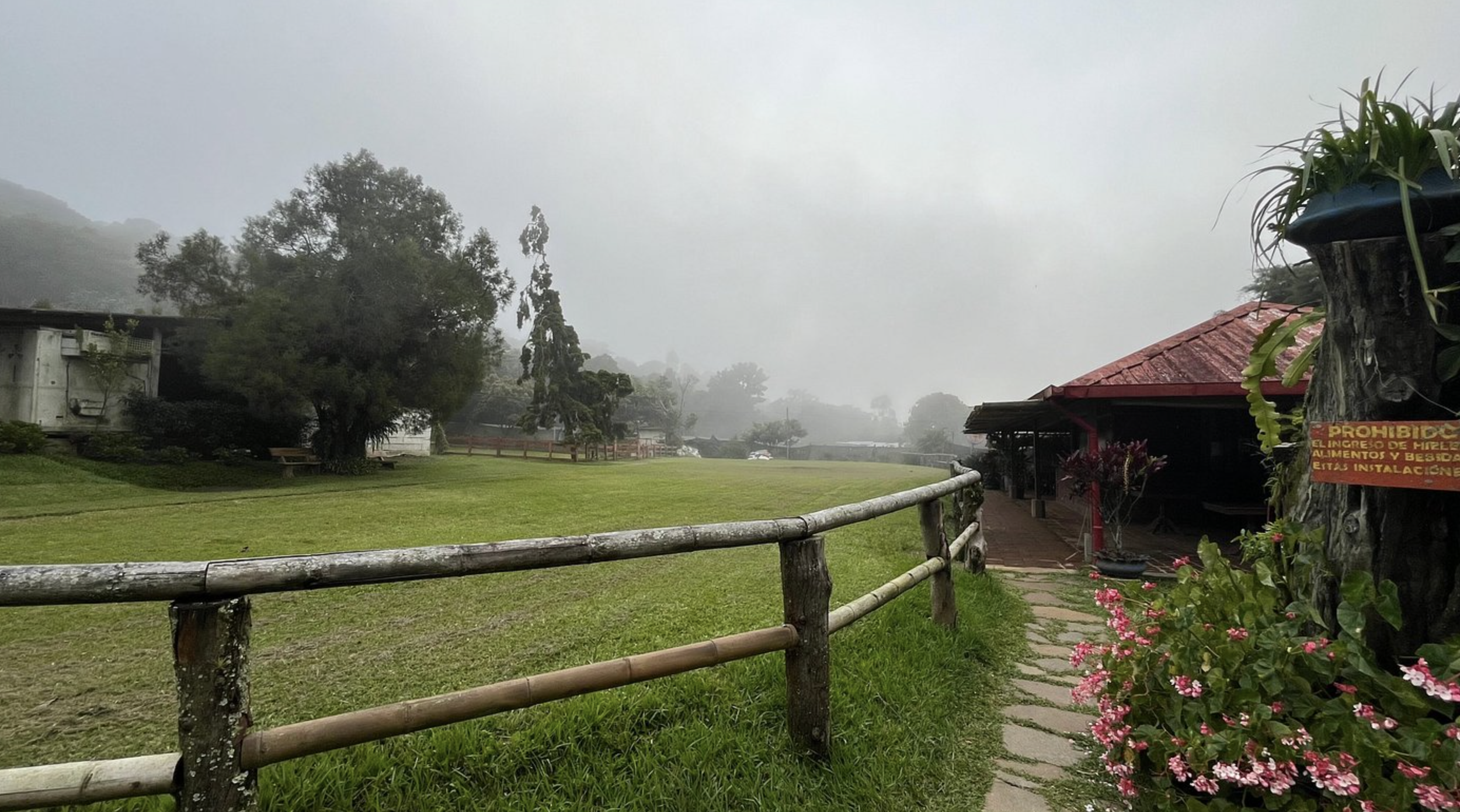
No El Salvador trip feels complete without diving into its coffee heritage. El Salvador produces some of the world’s most prized specialty beans, and El Carmen Estate near Ataco delivered the perfect immersion. Tucked in the Apaneca-Ilamatepec range at around 1,300 meters, this family-run finca is a living testament to generations of craft.
The drive up from the Ruta was winding and steep, switchbacks through coffee-covered hills, the air shifting from coastal warmth to crisp mountain coolness. Mist hung low over the plants like a soft veil, softening the edges of everything. The smell hit first: damp earth mixed with faint roasted beans drifting from somewhere on the property. It felt almost sacred - quiet except for birdsong and wind rustling leaves. After days of crashing waves and salty air at El Tunco, this stillness was profound. Beach mornings are electric; mountain mornings are meditative.
We started walking the shade-grown rows - bright red coffee cherries gleaming like jewels against glossy green leaves. The guide explained hand-picking at peak ripeness (only the deepest reds for quality), then the journey: pulping to remove the outer skin, fermentation in tanks to develop flavor, washing, and spreading on sun-drenched patios to dry slowly. Finally, the roasting - where green beans crackle and transform. It’s months from cherry to cup, a patient cycle of sun, rain, and human touch. We drink it in five minutes; it takes nature and care to create. That disconnect hit hard and how easy it is to forget the origin when you’re grinding beans in a city kitchen.
What elevated the tour was the human element. Multi-generational knowledge runs deep here - families who’ve tended these trees for decades, knowing each variety’s quirks. The guide shared stories of precise timing during harvest, climate challenges (volcanic soil helps, but weather shifts hit hard), and quiet pride in producing clean, traceable specialty coffee. Chatting with a worker sorting cherries, you feel the respect for craft. It’s not industrial; it’s personal, sustainable, direct-trade soul.
We roasted a small batch ourselves - the pop and crackle of beans in the drum, steam rising, that intoxicating aroma filling the air. Then the tasting on the terrace: pour-overs revealing layers - rich chocolate, bright citrus, smooth caramel in their signature Bourbon and Pacamara. Mountain-grown at altitude means cleaner, brighter profiles - no bitterness, just clarity. First sip with volcano views? Slowing down to actually taste, not just caffeinate. At home, coffee’s fuel; here, it’s revelation.
Philosophically, this was the shift: in the city, coffee powers productivity, grab-and-go, deadlines, hustle. At El Carmen, it’s agriculture, patience, ritual. One rushed; one reverent. Here, coffee wasn’t fuel. It was a process. A story. A climate. A reminder that great things demand time.
Altitude, volcanic soil, protective mist, shade trees - it all creates the magic. Bird calls echo through the rows, wind whispers over symmetrical plant lines, mist drapes the hills like a blanket. The ecosystem feels alive, balanced. Visual symmetry of the plantations against layered ridges? Pure grounded beauty.
Patience in craft, respect for origins, conscious consumption. After El Carmen, I don’t think I’ll ever drink coffee mindlessly again. It’s a small shift, but meaningful - choose quality, know the story, savor the moment. As an entrepreneur, it mirrors building something lasting: invest time, honor the process, trust the slow burn.
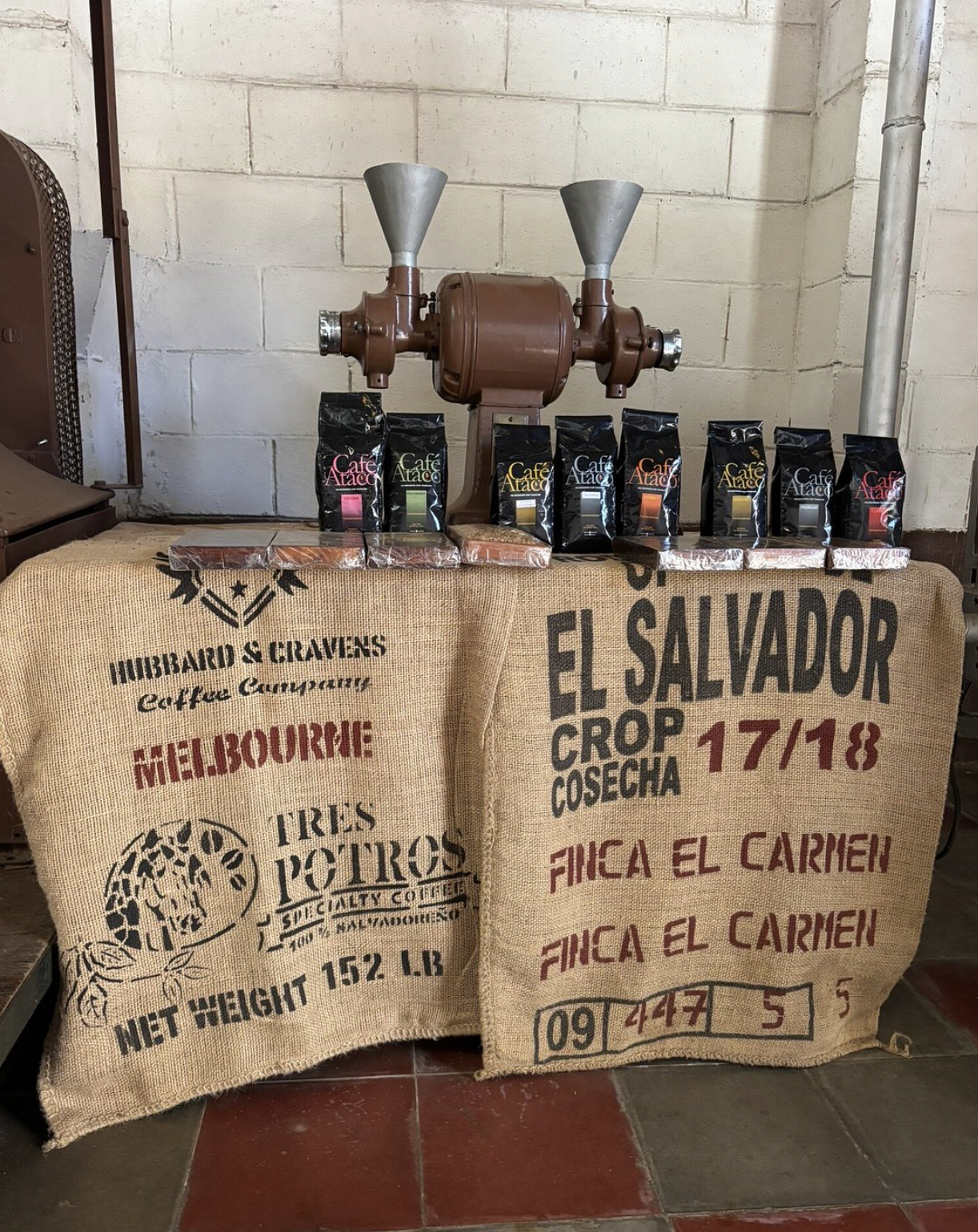
Tours run about 2 hours (book ahead via their site or local Ruta contacts - worth it for the hands-on feel). Cost: affordable, around $20–40 including tasting. February’s dry, blooming, and perfect. Pair it with a Ruta de las Flores day - drive up, tour, linger on the terrace, head back coastal. I left with bags of their Ataco Gourmet beans - orange Bourbon natural process, insanely good. This experience tied the trip together: surf taught commitment, Ruta taught serenity, coffee taught patience. El Salvador in February 2026 - safe, stunning, transformative.
Who’s brewing something new after this?