My Stay at Cala Luna: The Boutique Hotel That Made Me Never Want to Leave Playa Langosta
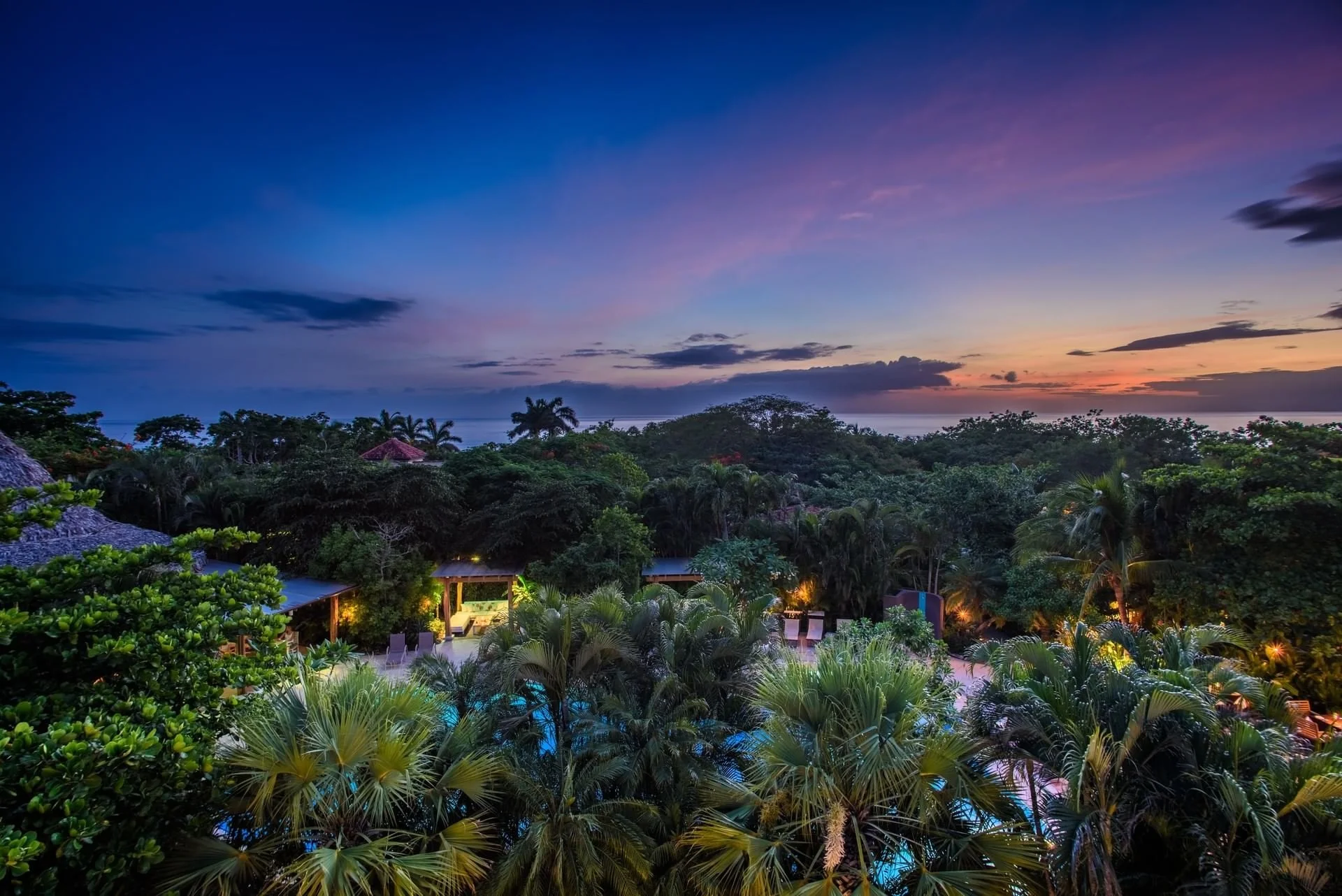
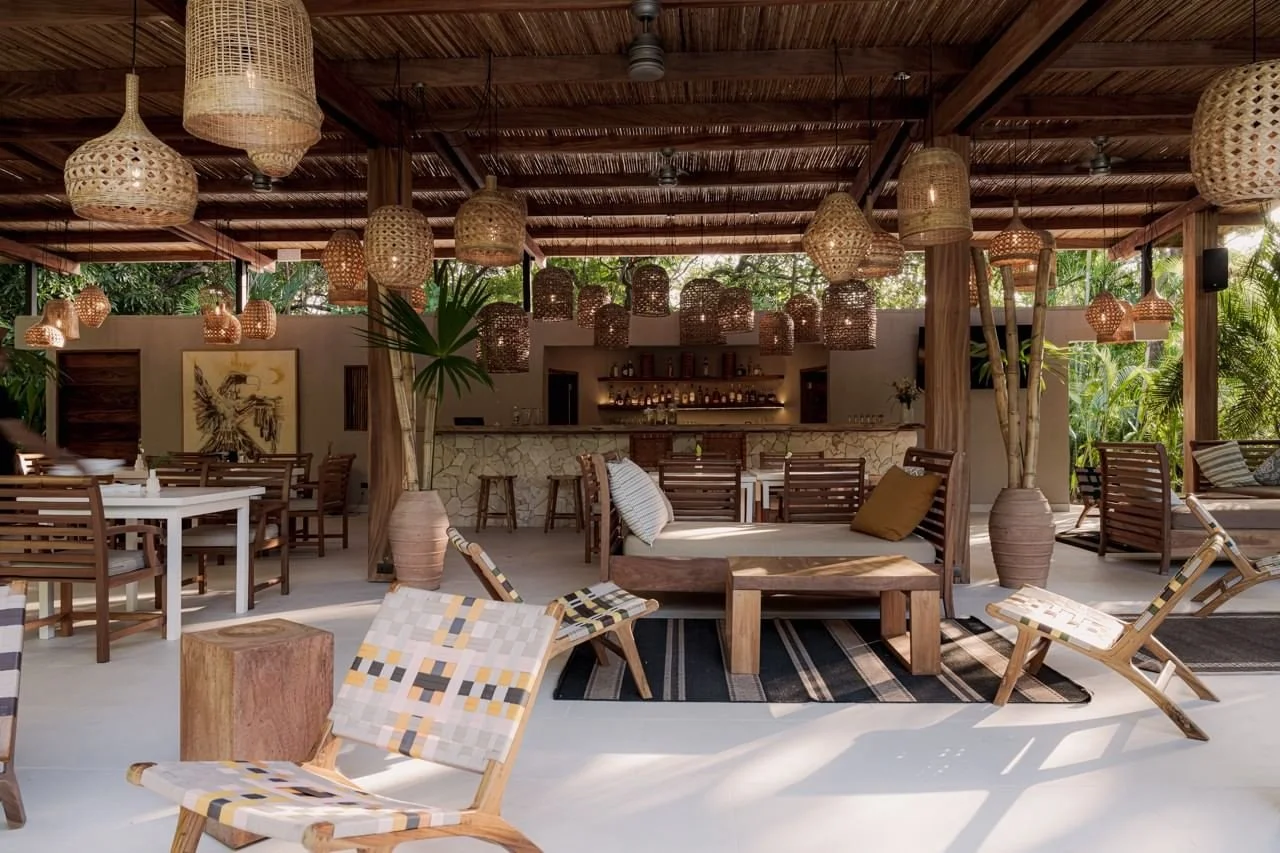
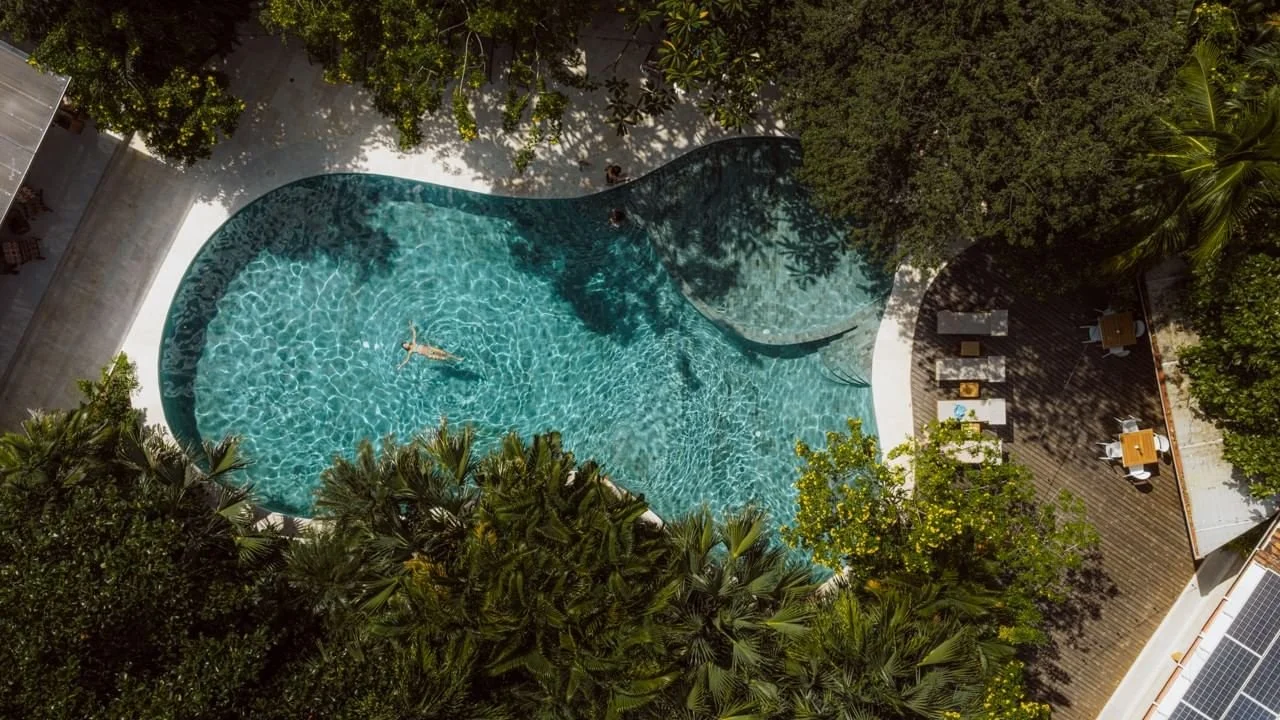
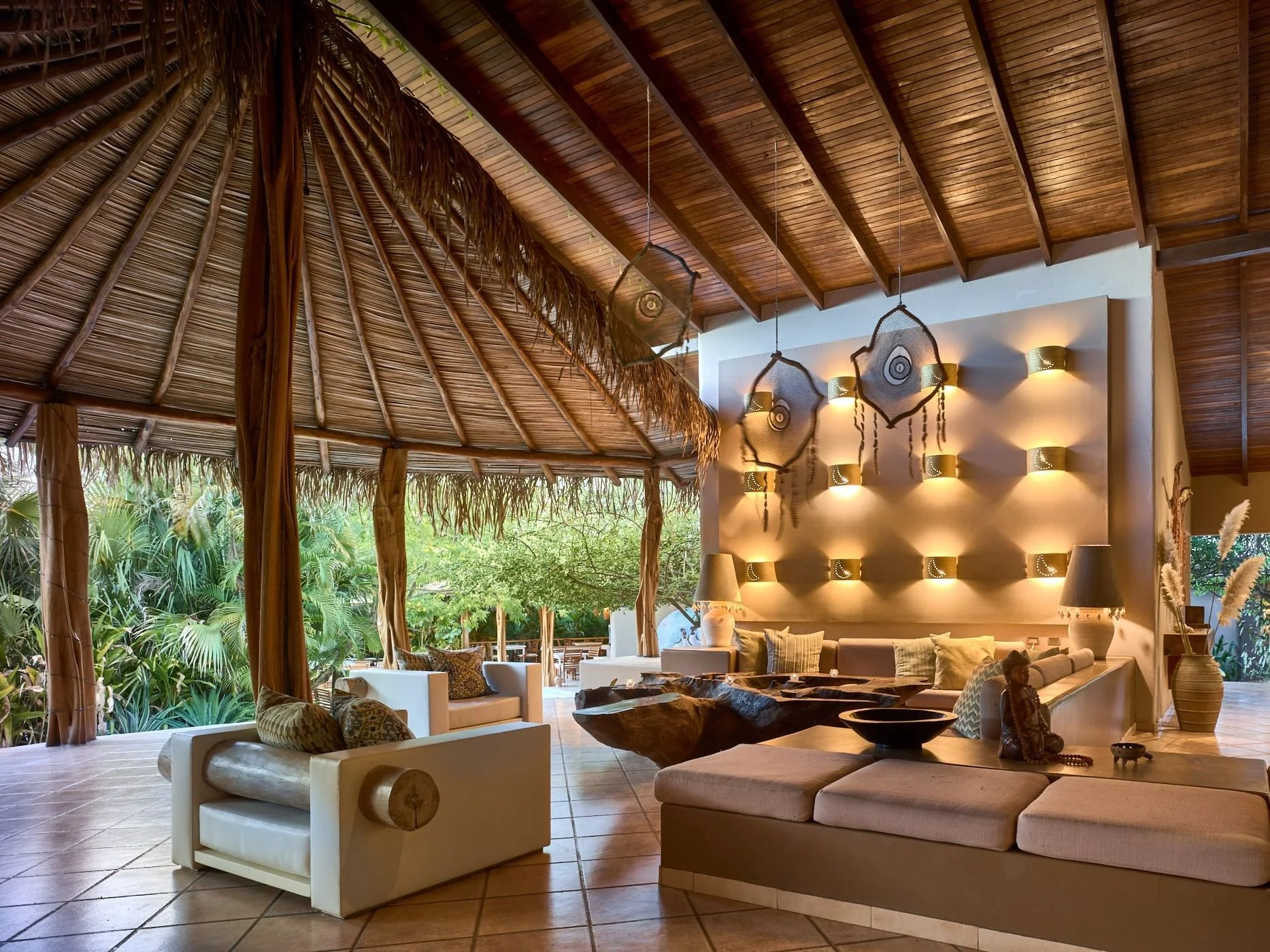
Image credits of Cala Luna Hotel
There is a moment, usually around day two at Cala Luna, when you stop thinking about leaving the property. Not because there is nothing to do outside it. There is plenty. But because what the hotel has built inside its jungle-draped grounds is complete enough that leaving starts to feel like a choice rather than a necessity. I arrived at the end of March, pulling up in my Sixt rental after weeks in Tamarindo and across the Guanacaste coast. I had been based at other hotels throughout the month, good ones, all of them. But Cala Luna is a different category entirely. The kind of place that takes a few hours to reveal itself, and then keeps revealing itself for the rest of the week. I stayed seven days. I would have stayed longer.
Where It Is and Why That Distance Matters
Cala Luna sits in Playa Langosta, the quieter, more residential neighbourhood that begins where Tamarindo's main beach ends. The hotel is 0.6 miles from the centre of Tamarindo, which is about a 15-minute walk along the beach path, a 5-minute taxi ride, or a very enjoyable pedal on one of the hotel's complimentary cruiser bikes. That distance is not a drawback. It is the entire point. Tamarindo is energetic and beautiful and has some of the best restaurants and surf schools on the Pacific coast. But it is also busy, particularly in March during peak dry season, with the main beach populated from morning to evening and the town centre buzzing with tour operators, street vendors, and the general cheerful chaos of a popular surf town. Cala Luna exists one step removed from all of that. You can be in the middle of Tamarindo in minutes when you want to be. And when you don't, you're in a jungle-flanked boutique hotel in Playa Langosta where the loudest thing you'll hear is howler monkeys crossing the rooftops in the afternoon. That contrast is one of the smartest things about staying here.
Arrival and First Impressions
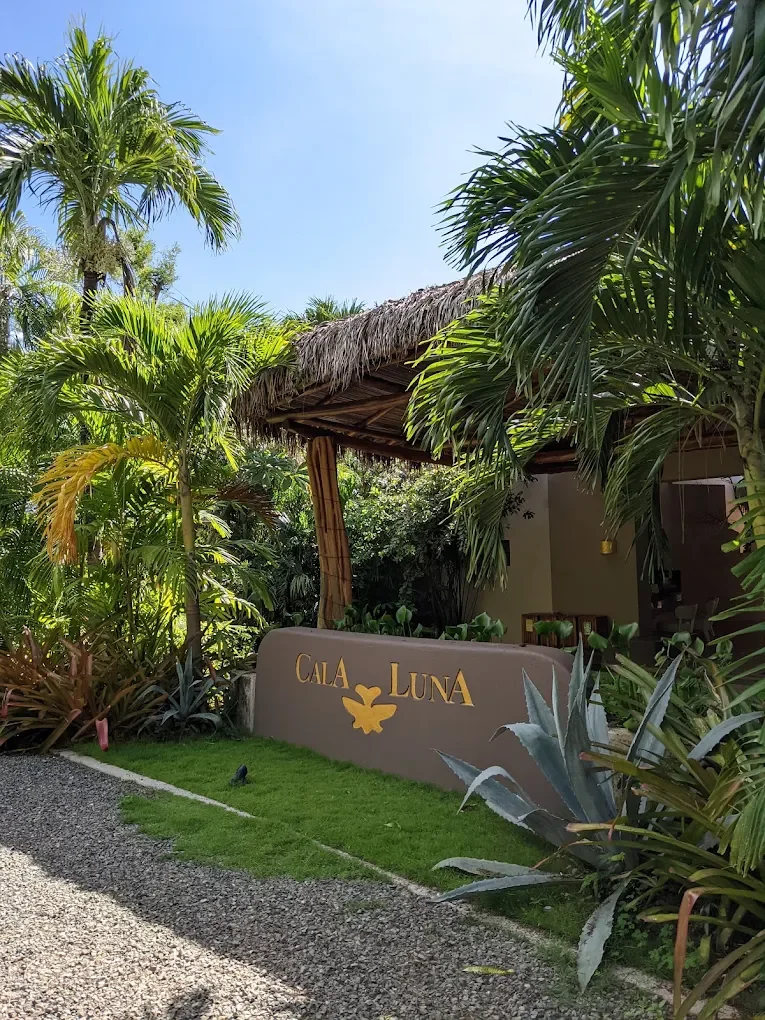
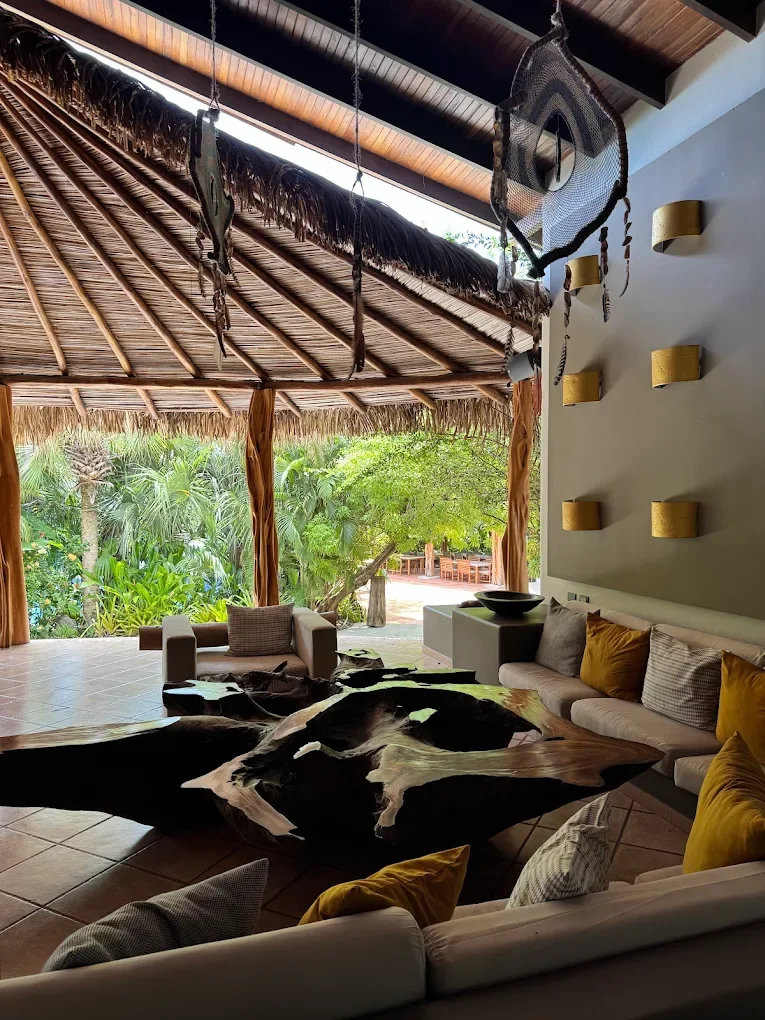
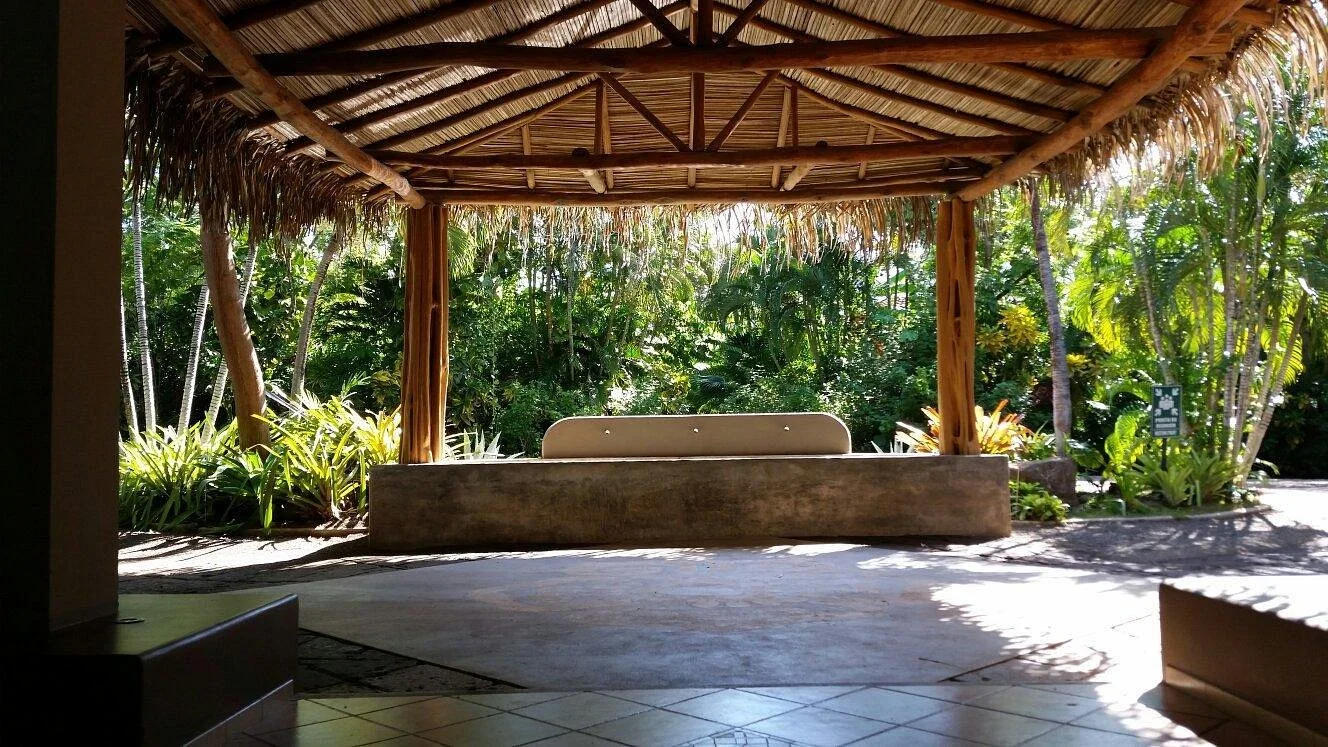
The hotel sits on a private road off the main Langosta route. You turn in through an entrance that is deliberately understated, drive a short stretch, and park. From the car park, you walk into an open-air lobby that looks like a set designer who really understood what barefoot luxury meant spent several months getting exactly right. Columns built from indigenous Costa Rican timber. A sprawling tree-trunk table, bleached and weathered into something that belongs in a design magazine. Low-slung white and taupe furniture arranged around it. No glass walls, no air conditioning blasting at the entrance, just open air and the smell of jungle and the immediate, physical sense that the pace of things has changed. Check-in here is not transactional. The staff know your name before you say it. They ask about your trip, what you've been doing, what you're hoping for in the next week. They do not rush. That tone, set in the first five minutes, holds for the entire stay.
The Rooms and Villas: Standalone, Private, Completely Their Own
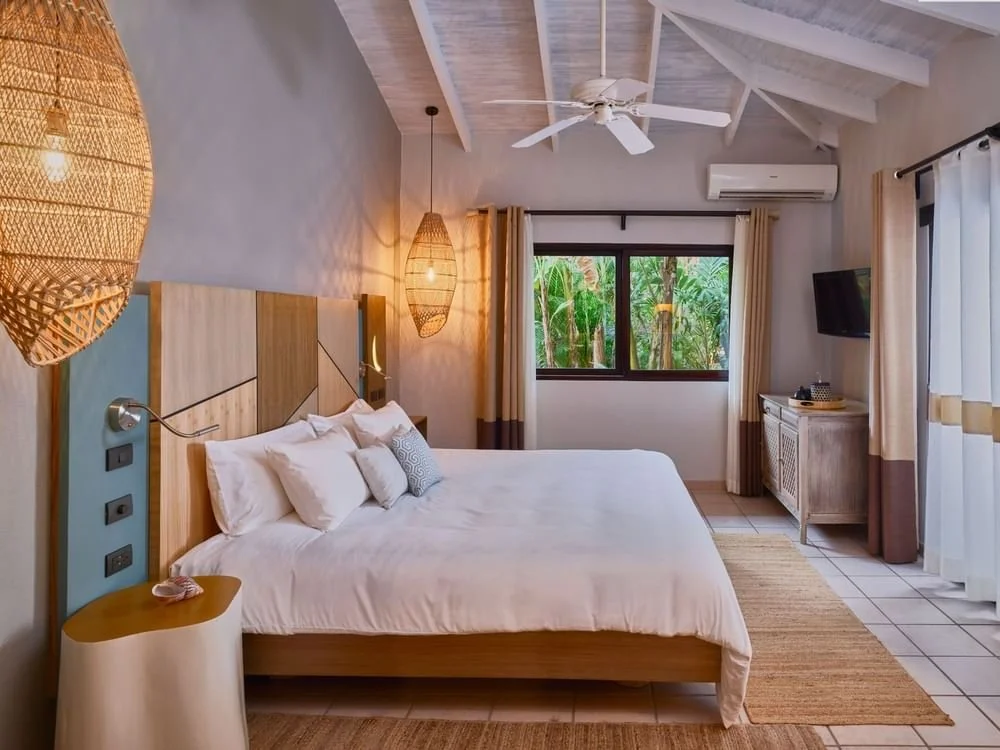
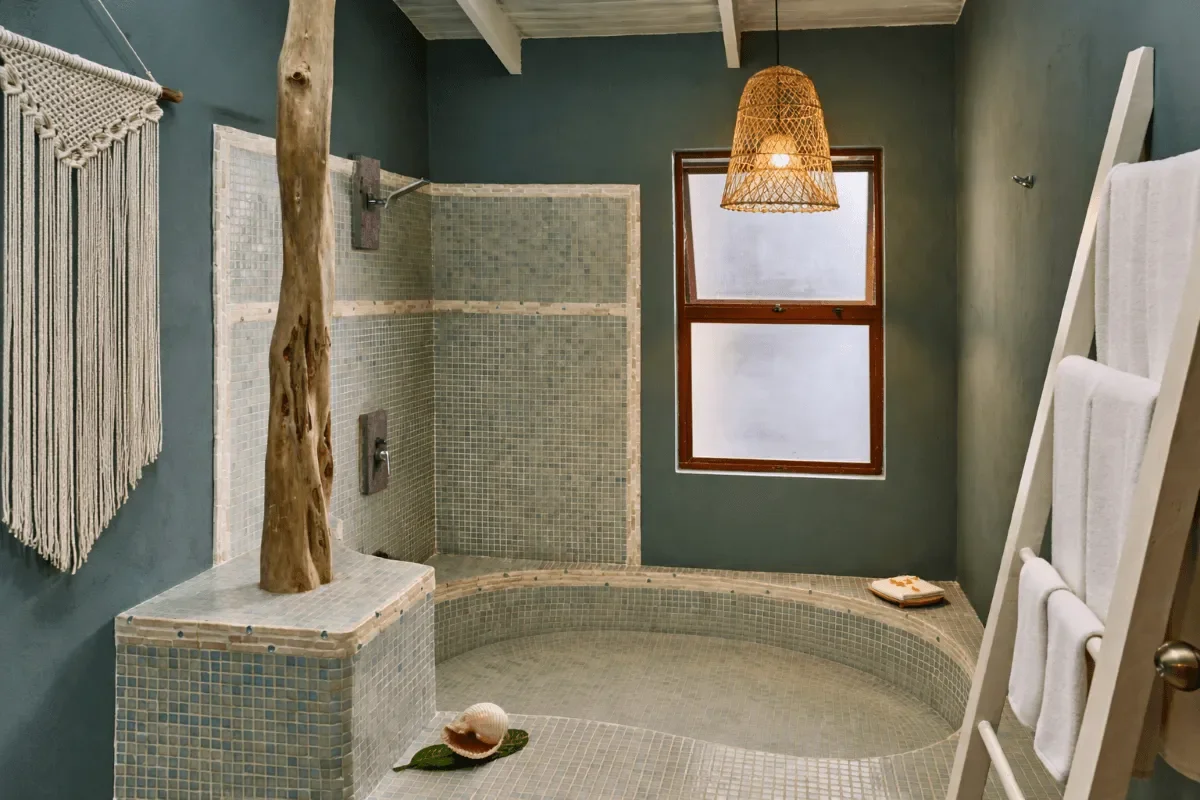
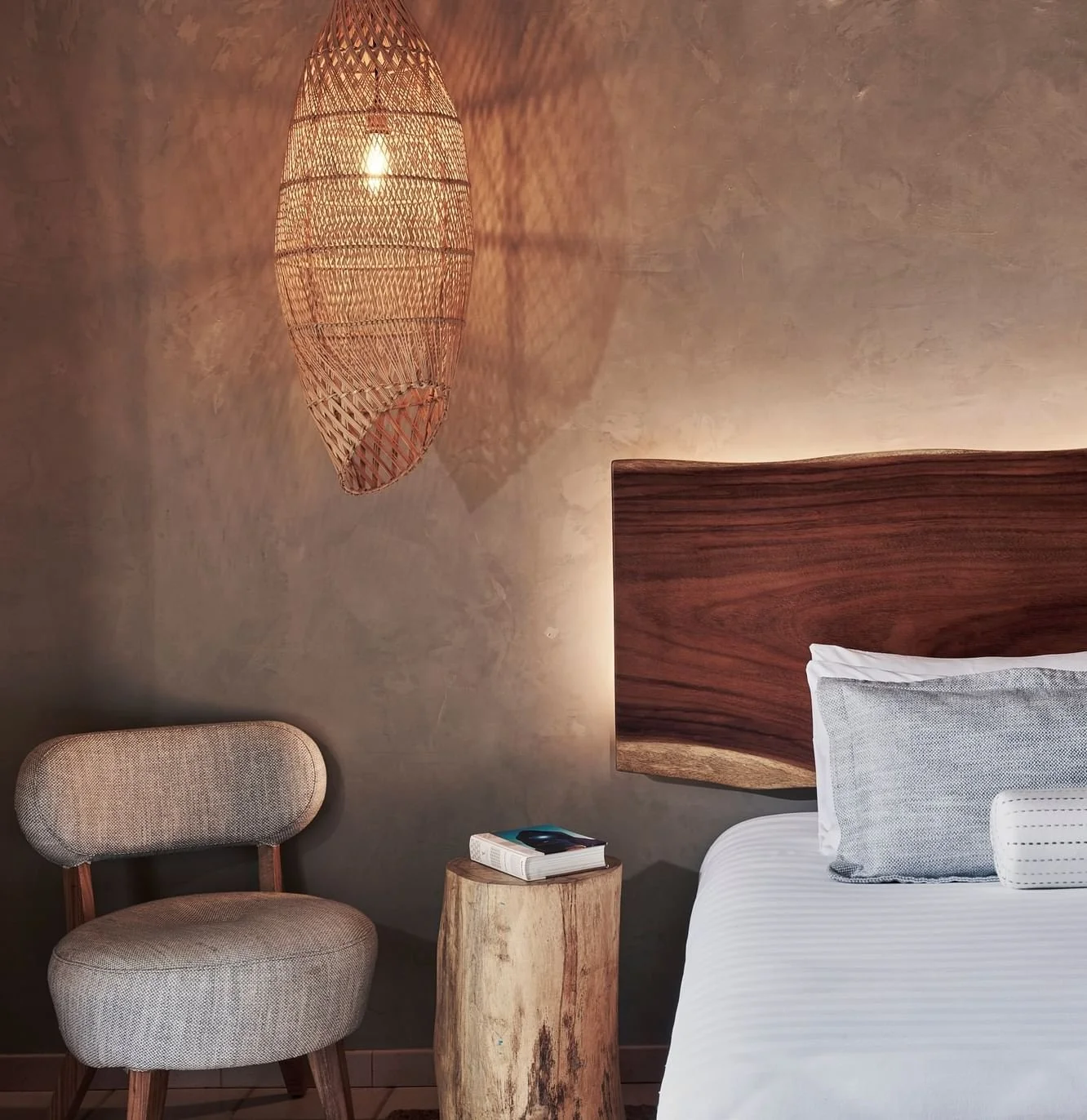
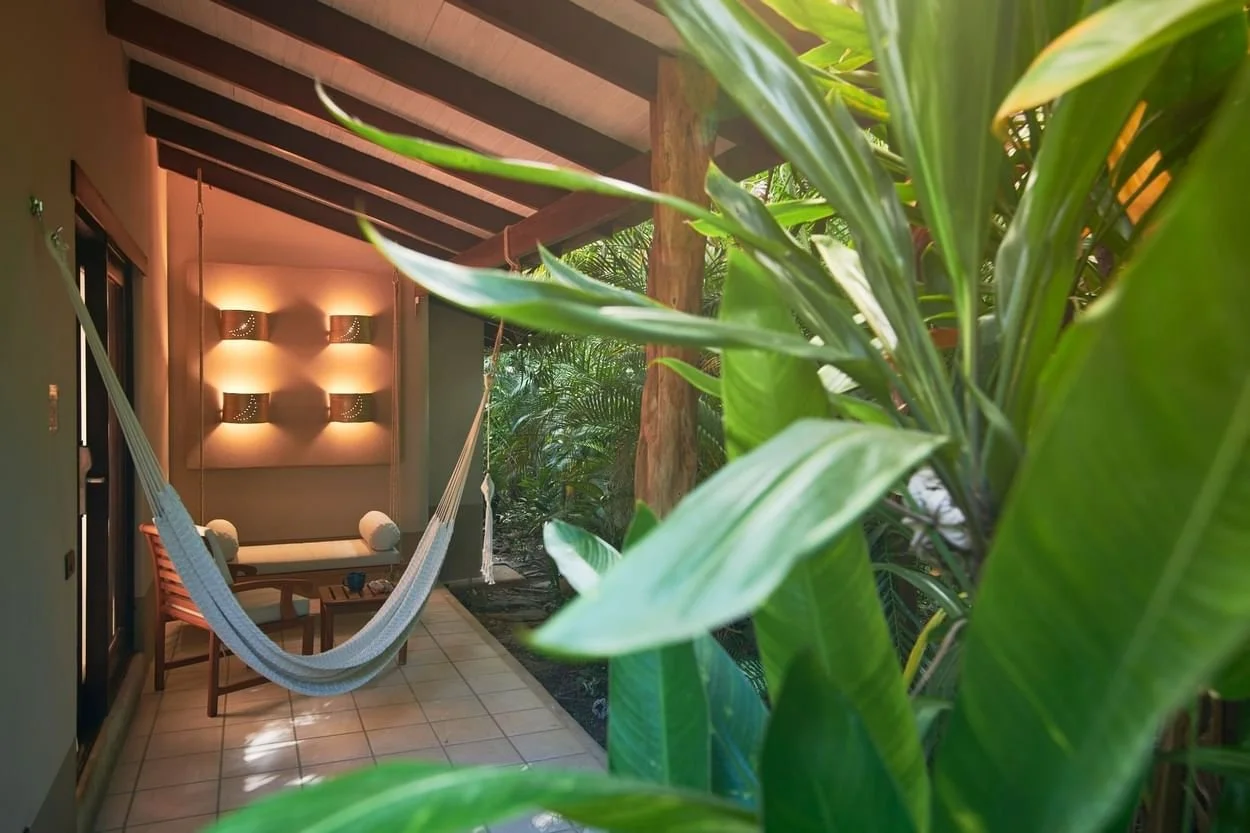
Image credits of Cala Luna Hotel
One of the things that separates Cala Luna from most boutique hotels is the physical structure of the accommodation. There is no main building with corridors and numbered doors. Instead, 20 bungalow-style rooms and 11 villas are scattered throughout the grounds along gravel paths bordered by dense tropical foliage, each one its own standalone structure. The result is something genuinely unusual: you can spend an entire week at a 31-room boutique hotel and almost never see another guest. Your room is yours in a way that a room in a conventional hotel simply isn't.
The bungalow rooms offer either one king or two queen beds, vaulted ceilings, air conditioning, and a furnished private terrace facing the garden. The rooms are not enormous in floor area, but the design uses every square foot intelligently. Sea glass-blue mosaic tiles in the bathrooms. Seashells mounted and framed on the walls like art, which they are. Driftwood details on lampshades. Down pillows and pillowtop mattresses that make the midday nap, which becomes a genuine institution by day three, genuinely difficult to end.
The bathrooms deserve their own paragraph. Whether you're in a bungalow suite or a villa, the bathroom at Cala Luna is the kind you slow down in. Double rain showers in the suites. Oversized Roman soaking tubs in the larger rooms. Mosaic tilework throughout that manages to feel both crafted and organic at the same time. The hotel provides sunscreen and bug repellent as standard room amenities, which sounds like a small detail until you realise that most hotels in the same price bracket are still charging you for a small bottle of SPF 30 from a minibar.
The villas are for guests who want more space, a full kitchen, a private living area, and their own plunge pool. Two and three-bedroom options are available, accommodating groups of up to seven. If you're travelling with family, a partner, or a small group of friends and you're looking at a week in Tamarindo, booking a villa here over multiple separate rooms at different hotels is a decision you will not regret. The private pool in the villa courtyard, the outdoor terrace with hammock, the fully equipped kitchen for morning smoothies and late-night wine without leaving the property: it changes the experience from a hotel stay into something that feels more like renting a very beautiful private home in the jungle.
One honest note: some guests have mentioned the villa living areas can feel dark during the day, as the thick tropical vegetation that gives the grounds their atmosphere also limits the natural light. A fair point. Come with this knowledge and you won't be caught off guard.
WiFi throughout is reliable and fast enough for remote work, which matters when you're a digital nomad in the middle of a multi-week trip. I worked from my terrace every morning for the first part of the day without any signal issues.
The Pool and Grounds: Where the Days Actually Happen
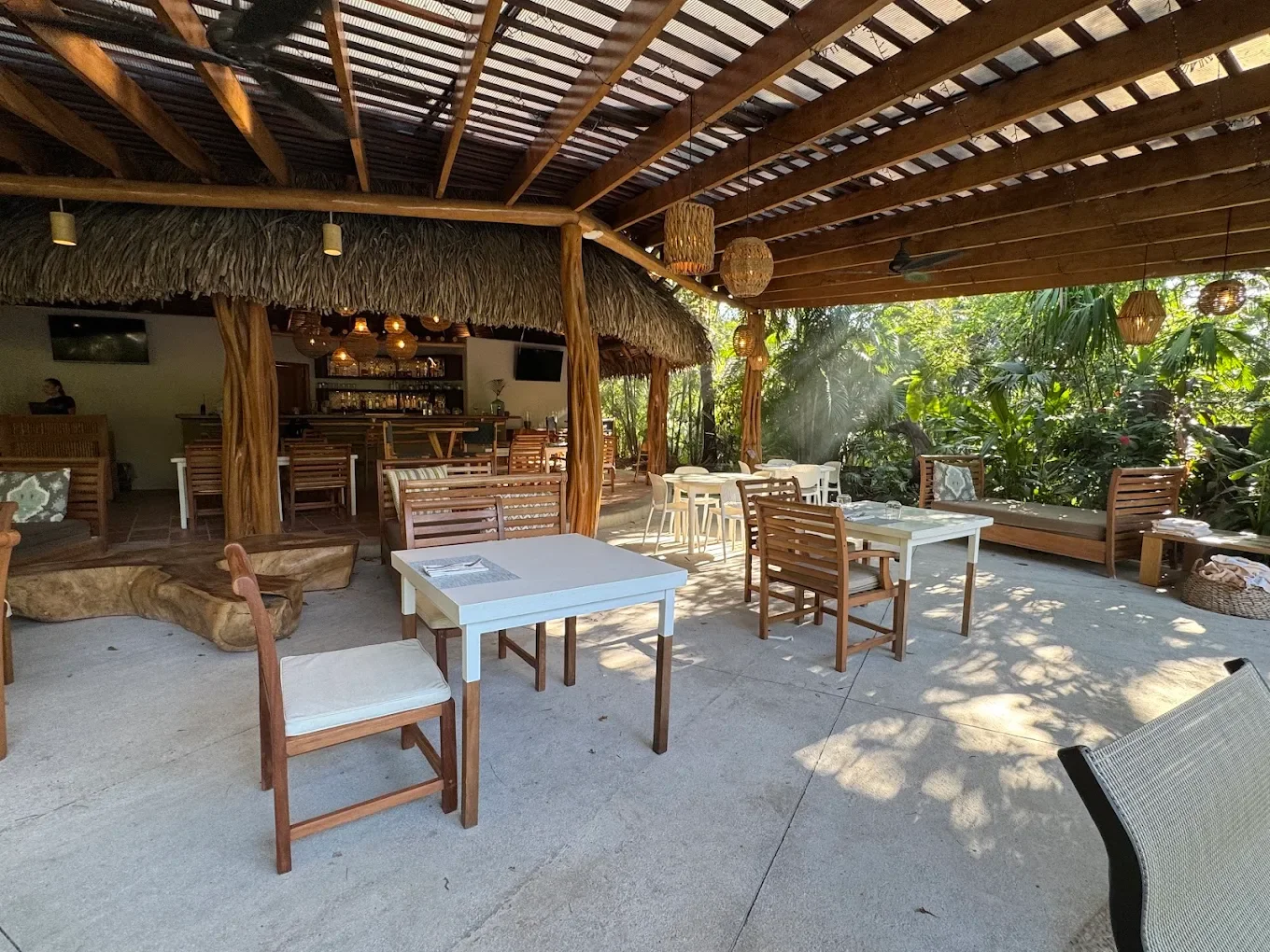
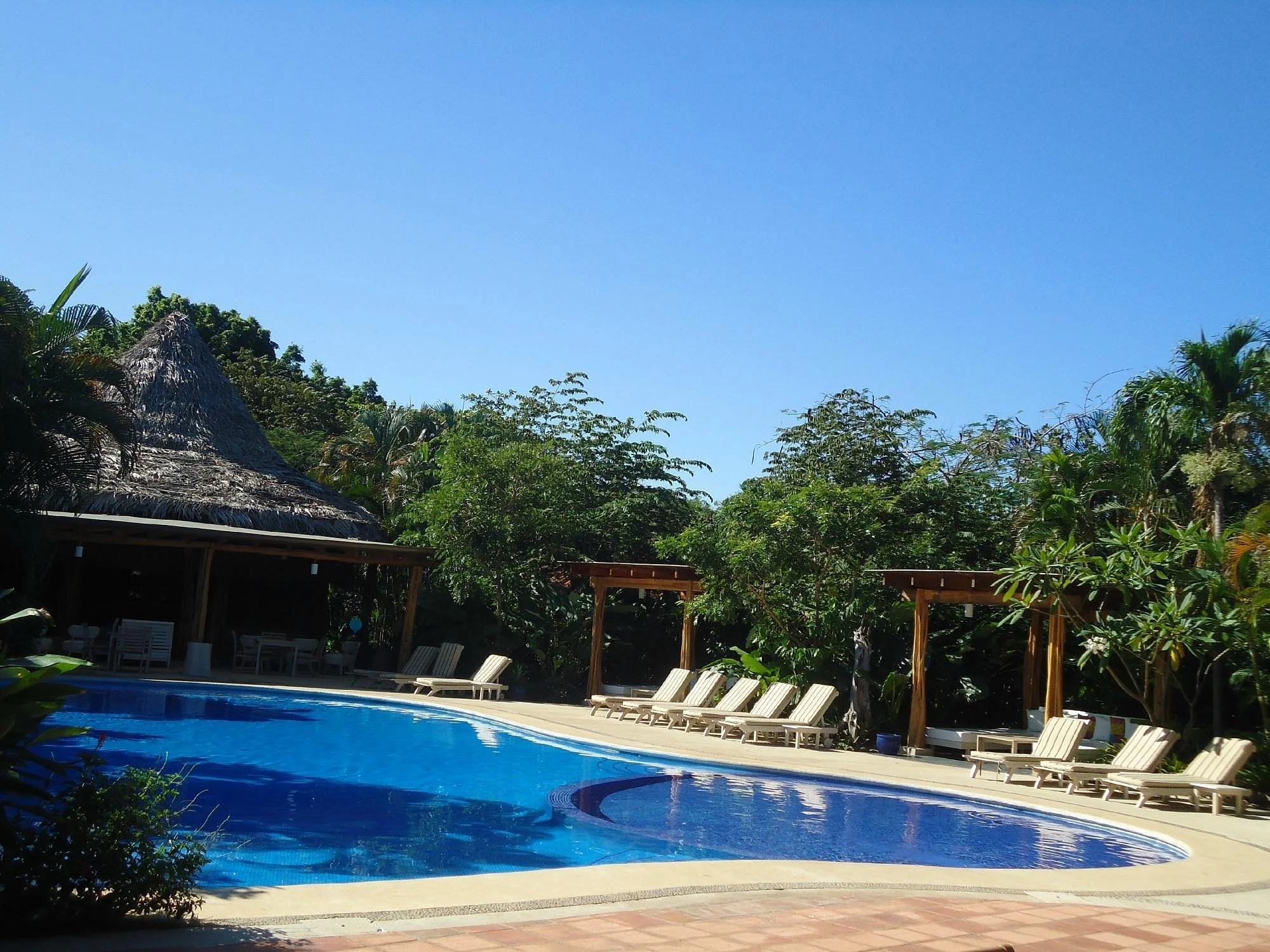
The social centre of Cala Luna is a trio of restaurant, pool, and open-air lounge that together create a space you will genuinely struggle to leave. The pool is large, heated, and clean. A ring of cushioned lounge chairs surrounds it, with a handful of cabanas offering deeper shade and more private seating for those who want to read or work without moving between buildings.
The pool is 24-hour access, which sounds like a minor detail until you're lying there at 10pm under the Costa Rican stars and you realise you've been there for two hours because there is absolutely no reason to be anywhere else.
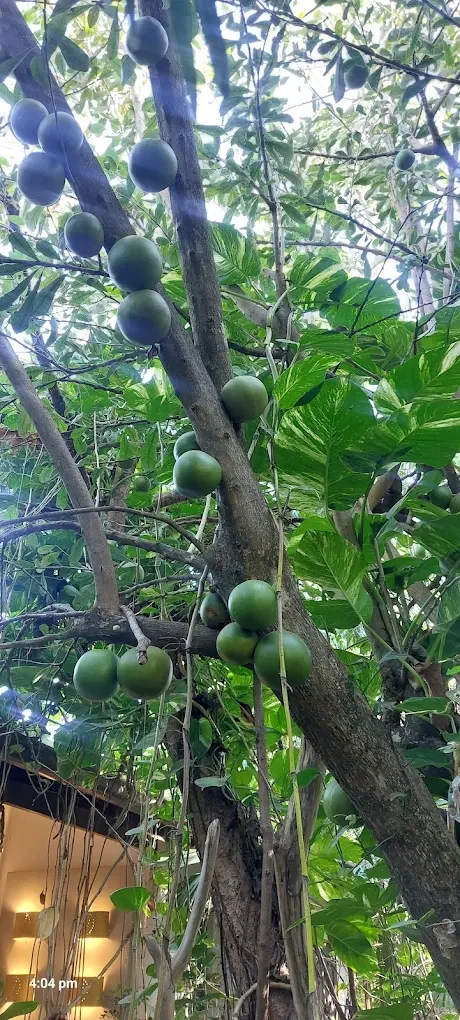
The grounds themselves are extraordinary for a hotel of this size. Cala Luna sits at the southern tip of Tamarindo Bay and is almost entirely camouflaged by the surrounding forest. The paths between your room and the pool, the restaurant, the beach trail, all of them feel like walking through a private jungle reserve rather than a hotel corridor. Tropical birds move through the canopy constantly. Iguanas appear on paths and then disappear with the bored elegance of animals that have long since stopped registering human presence. Raccoons forage at dusk. And then, at some point in the afternoon, the howler monkeys arrive on the rooftops and you look up and there they are, regarding you with the calm authority of animals that were here long before the hotel was. The hotel has two resident cats called Cala and Luna. They are beautiful, independent, and will decide for themselves whether or not to acknowledge you. This felt appropriate.
The Beach: Understanding What It Is
This is the one area where honest framing matters, and I want to be straight with you because I think the hotel handles its own communication on this well, but some guests still arrive with wrong expectations.
Cala Luna's adjacent beach is Playa Langosta, accessed via a short private trail through the grounds. It is rocky. The natural coastal shelf at this section of the bay means the beach is characterised by volcanic rocks, tide pools, and dramatic natural formations rather than the wide sandy shore of Tamarindo's main beach. Swimming is not recommended directly in front of the hotel, particularly at low tide.
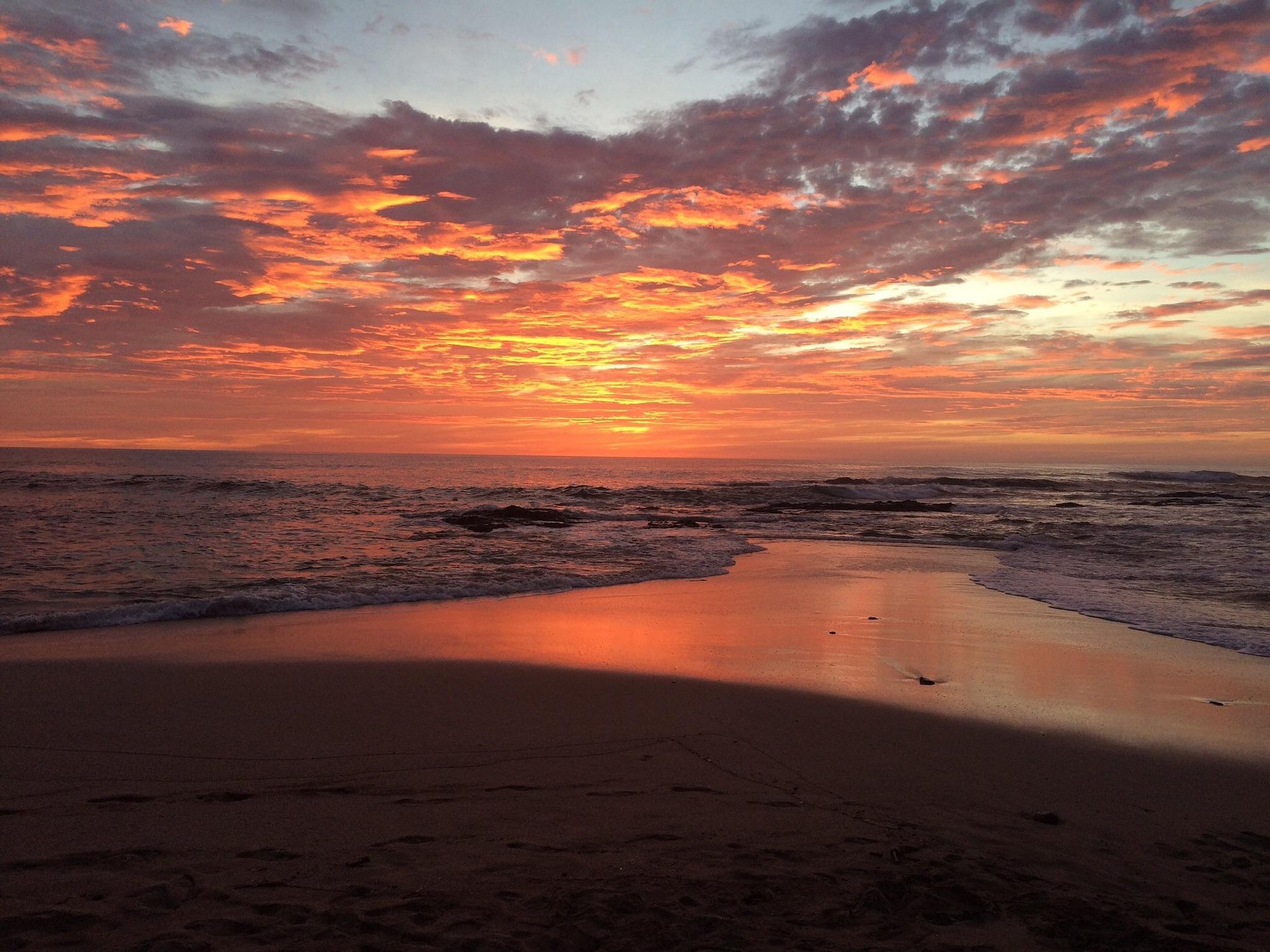
What this beach absolutely is: one of the most beautiful sunset spots in the entire Tamarindo area. The rocky outcrops and tide pools create a natural theatre for the Guanacaste sunset, and the fact that it is always quiet, never crowded, never interrupted by the vendors and energy of the main beach, makes it genuinely special.
Every evening, Cala Luna serves complimentary sunset cocktails on the beach. These are not standard hotel bar drinks. The cocktails are made with herbs and medicinal plants grown at La Senda, the hotel's organic farm, infused into botanical concoctions that are interesting in their own right. There are non-alcoholic options too, equally well considered. You take your drink, walk out to the rocks, find a spot, and watch the Pacific turn gold.
If you want sand and swimming, you walk 15 minutes along the shore or take a 5-minute taxi to Tamarindo's main beach. It is not inconvenient. It just requires the slight mental shift of accepting that these are two separate things rather than one.
Eating at Cala Luna: The Farm Is Not a Gimmick
Many hotels describe themselves as farm-to-table. At Cala Luna, La Senda is a real working organic farm with over 100 cultivated medicinal herbs, fruit trees, vegetables, and produce that actually appears on the plate the same day it was harvested. This is not marketing. You can taste the difference.
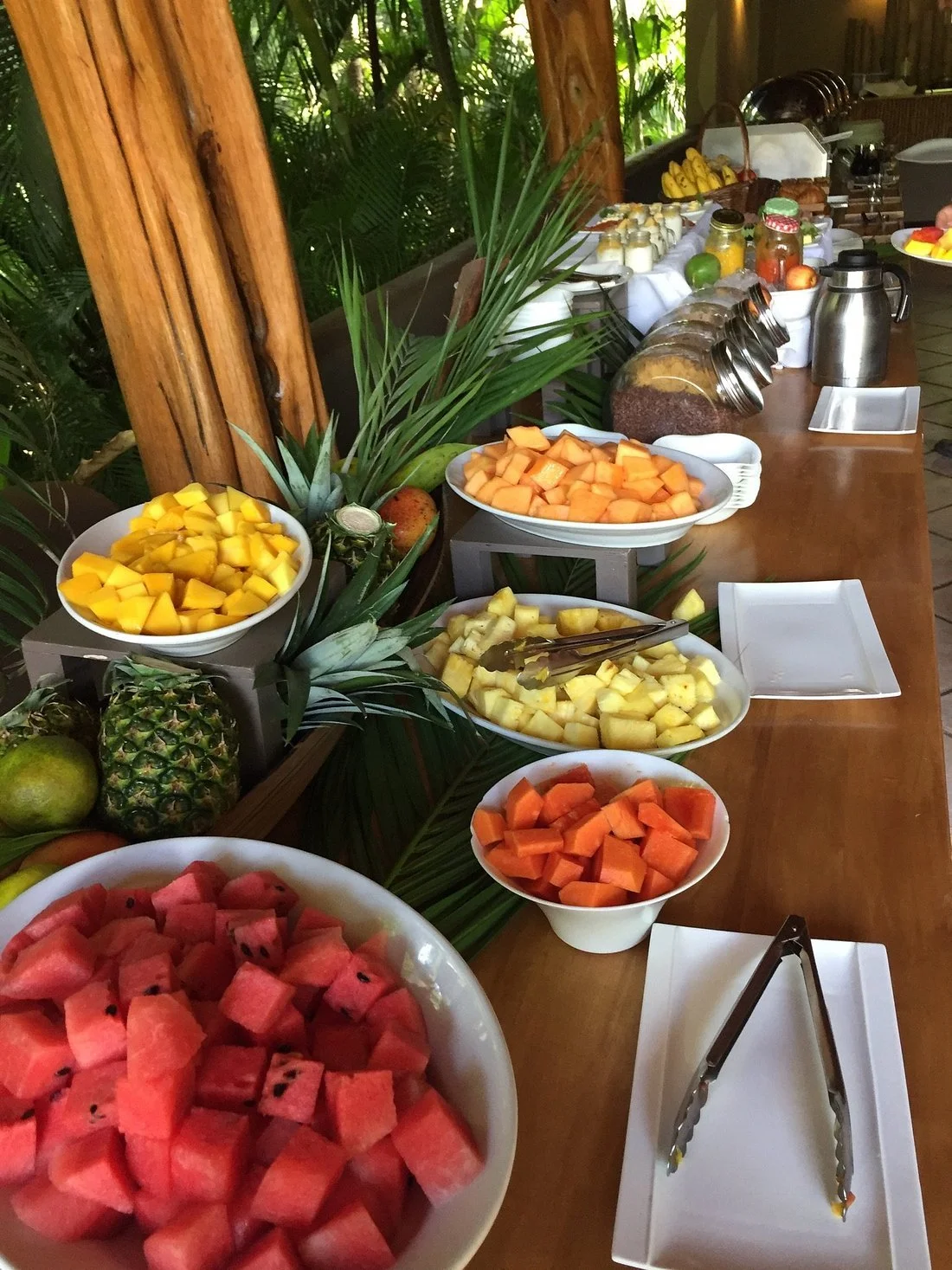
Cala Luna Origen handles breakfast and dinner. Breakfast is a buffet of fresh tropical fruit, handmade pastries, eggs prepared to order, fresh-squeezed juices, and strong Costa Rican coffee. It is included in the rate and it sets the day up properly. By the end of a week, breakfast at Origen became one of the things I actually looked forward to every morning in a deliberate way, which is not something I say about hotel breakfasts often.
Dinner is where chef Giancarlo properly expresses himself. The menu changes with what is in season and what La Senda is producing, which means it rewards repeat visits over multiple nights rather than becoming repetitive. The flavours are clean and precise, the presentation is considered without being pretentious, and the sourcing is genuine. Trout comes from a river near San José rather than imported. Herbs come directly from the garden. Seafood is sourced from local community fishing groups. The wine list has been curated to include organic and biodynamic options. It is serious food in a candlelit, open-air setting with jungle sounds as the soundtrack. On most evenings, this is all you need.
Caleta is the poolside restaurant for lunch, snacks, and daytime drinks. The botanical cocktails here, made in-house with ginger beer, kombucha, and infused organic fruits, are genuinely some of the better drinks I had during my entire Costa Rica trip. The kitchen processes all its own bitters and tinctures. The spicy tamarind base they use in several drinks is something I am still thinking about.
La Senda: The Farm Dinner You Should Absolutely Book
If there is one experience at Cala Luna that stands alone as genuinely exceptional, it is the La Senda farm dinner. La Senda, which translates to "the path," is the hotel's sister property: an organic farm and nature sanctuary a short drive from the hotel. The farm includes a working vegetable garden, fruit orchards, a medicinal herb sanctuary with over 100 plant species, and something that sounds implausible until you actually see it: the world's largest meditative cacti labyrinth. The farm dinner experience takes you to La Senda for a private tour of the grounds led by the chef. He walks you through what is growing, explains the philosophy behind each section of the farm, and lets you taste herbs and fruits directly from the plants. Then he cooks dinner for your group using what you just saw. The menu is built that evening around what is ready to harvest. It is one of the more honest and immersive food experiences available anywhere in the Guanacaste region. The setting, a farm table under open sky with the labyrinth visible in the background and the sounds of the dry tropical forest around you, is not something you recreate easily. Book it when you arrive. It fills up.
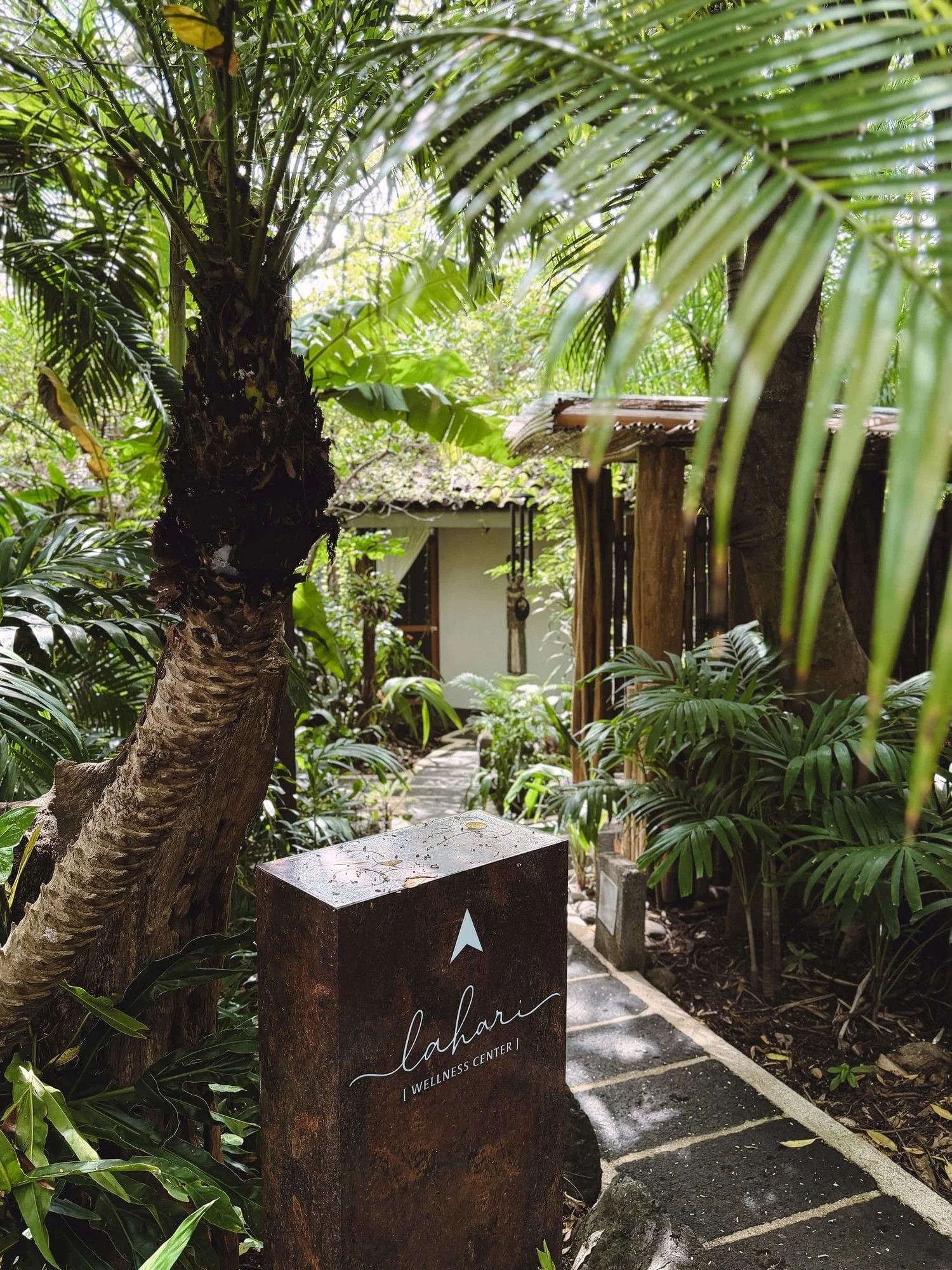
Wellness: The Part That Earns Its Place
A lot of boutique hotels list wellness as an amenity and mean a single massage room with a two-page menu. Cala Luna's wellness offering is more integrated and more genuine than that. Daily yoga and meditation classes are complimentary for guests and held in an open-air pavilion set back in the jungle section of the grounds. Morning classes are led by proper instructors and the setting, open sides, tropical air, birdsong, makes them feel less like hotel programming and more like something you'd specifically travel for. The spa itself offers Thai massage, aromatherapy, facials, manicures, pedicures, and Reiki in open-air bungalows surrounded by nature. Several guests over multiple reviews have specifically mentioned Andrea, one of the therapists, as exceptional. Book your spa treatments early in the week as they do fill up, particularly for evening slots.
Sound baths are also on the programme, held in the yoga pavilion and genuinely worth attending even if you've never done one. There is something about lying on the wooden floor of an open-air jungle pavilion with singing bowls resonating around you that is difficult to replicate in any other setting. There are also free cruiser bicycles available for guests, electric golf carts and hybrid vehicles available to rent, and a full concierge service that will arrange any excursion in the Tamarindo area. The concierge team at Cala Luna is notably proactive: several guests have reported being contacted before arrival with restaurant recommendations, activity bookings, and schedule suggestions. That level of preparation is rare and appreciated.
What Cala Luna Is Not
Being honest is part of the job, so here are the things to know before you book. The beach in front of the hotel is rocky and not for swimming. This is not a deal-breaker but it requires managing your expectations correctly. If a swimmable beachfront is non-negotiable, Cala Luna is not the right fit. The minibar water is charged. Bring a reusable bottle and use the filtered water stations at the pool and lobby, which are free. The pool area can feel limited on particularly busy days, with the lounge chairs filling up by mid-morning. The solution is to be there early or to retreat to your private villa pool if you've booked one. The breakfast buffet is largely plant-based by default. Bacon and meat options are available but at an additional charge. Worth knowing if that's relevant to how you eat. And while the walk into Tamarindo is pleasant along the beach path, it is not the kind of distance you'd want to do multiple times a day. Build a taxi or bike ride into your budget for evenings out in town. None of these are complaints. They are context. The things that make Cala Luna what it is, the seclusion, the wildlife, the organic sourcing, the intimate scale, are all connected to the same choices that produce the minor inconveniences listed above.
The Final Verdict After Seven Days
By day three I had stopped looking at my watch. By day five I had stopped wondering what was happening in Tamarindo. By day seven, leaving felt genuinely reluctant. Cala Luna is the kind of hotel that does something increasingly rare: it builds an experience that is complete in itself. The food, the wellness, the wildlife, the farm, the sunsets, the service, the quiet, none of it feels bolted on or optional. It all feels like part of a coherent philosophy about what a week in Costa Rica should actually feel like when it's being done properly. It is not the cheapest option in the Tamarindo area. But for seven days of genuinely good living in one of the more beautiful corners of the Pacific coast, it delivers on what it promises in full. Would I go back? 100%.
Cramp Defense magnesium supplement kept my legs cooperative through a week of beach walks, yoga sessions, farm tours, and bike rides to Tamarindo. If you're moving as much as I was, it earns its place in the bag. Find it at crampdefense.com.