Beyond the Beaches: My Day Trips to Masca, La Orotava, and Los Gigantes in Tenerife
Tenerife isn't just sun-soaked beaches and resorts, its real magic hides in dramatic mountain villages, elegant historic towns, and sheer volcanic cliffs plunging into the sea. From my recent trips based in Costa Adeje, I ventured north and west for unforgettable day drives: the breathtaking Masca Village (Tenerife's own "Machu Picchu"), the colonial gem of La Orotava with its wooden balconies and lush gardens, and the awe-inspiring Los Gigantes cliffs. These spots delivered raw nature, authentic Canarian culture, and zero crowds in the off-season. Here's my personal guide with drives, parking tips, eats, what to wear in cooler months, and why they're worth skipping the south coast crowds.
Exploring Masca Village: Tenerife’s Dramatic “Machu Picchu” in the Teno Mountains
My Personal Day Trip to Masca Village from the South of Tenerife in December 2025
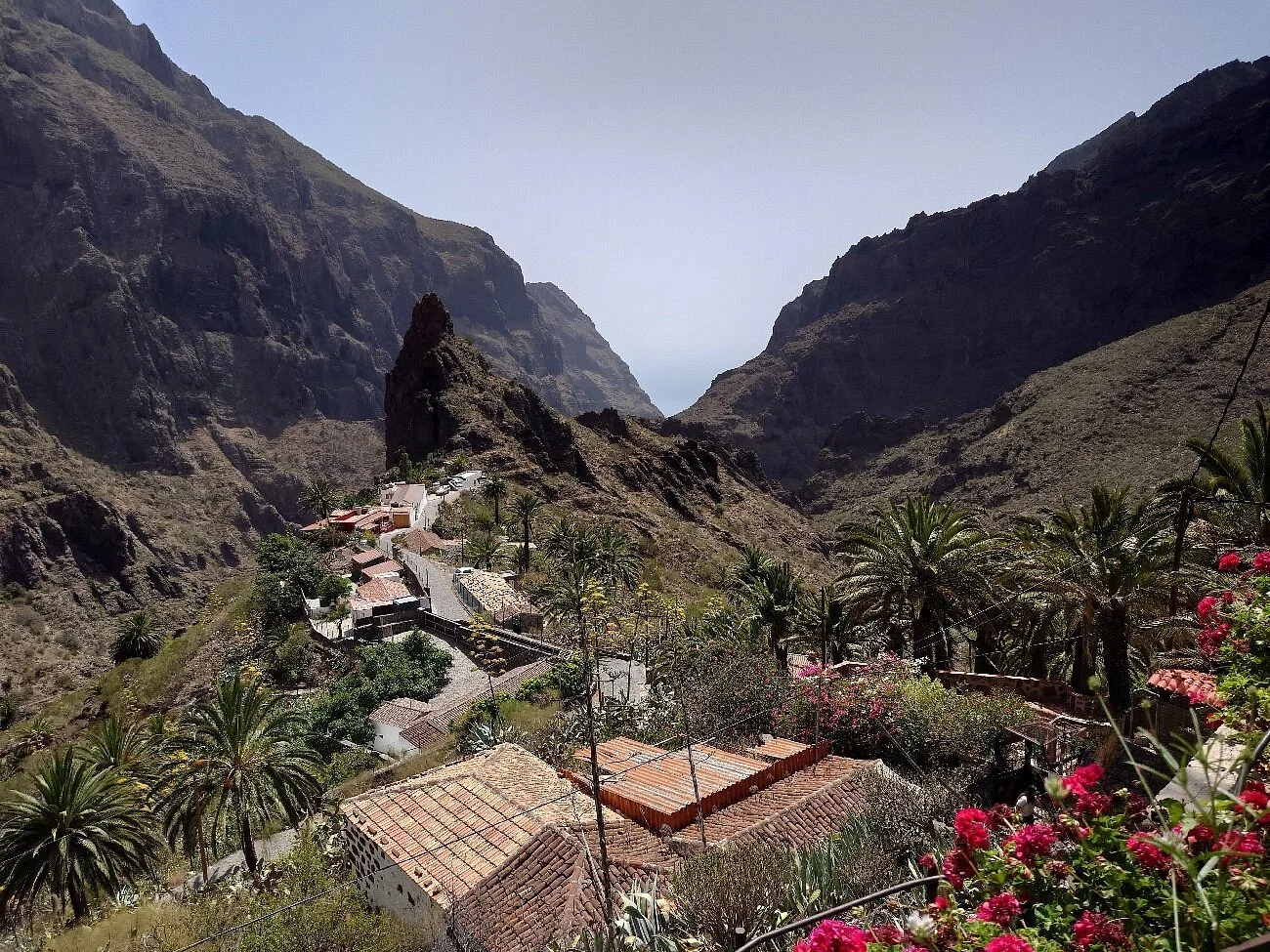
As someone who loves exploring beyond the usual Tenerife beaches, I drove up to Masca Village from Costa Adeje in December 2025, and it became one of the absolute highlights of my trip. The place feels like stepping into another world with its dramatic cliffs, deep gorge, and traditional stone houses perched along the ridge. Locals and visitors often call it the Machu Picchu of Tenerife, and after seeing it in person I completely understand why. Here is exactly how my day went, including the drive, parking, what I saw and did, where I ate, and practical details from my own experience.
I left around 8 am to avoid crowds and have plenty of daylight. Starting from Costa Adeje, I took the TF-1 motorway north. The first section is easy highway driving past Los Cristianos and toward Playa de San Juan. After about 20 to 25 minutes I reached the exit for Santiago del Teide and followed the signs for the TF-436 toward Masca.
From that point the road climbs quickly through pine forests and volcanic terrain, then becomes a series of tight hairpin bends with stunning views. You get sweeping looks at the ocean below, rugged peaks, and eventually the valley that leads straight to Masca.
The TF-436 is narrow with sharp drops on one side and almost no guardrails in many places. I drove slowly, kept well to my side of the road, and gave a gentle honk on blind corners just like the locals do. There are several pull-out areas for photos, and I stopped briefly at Mirador de Cherfe to take in the wide valley panorama. The full drive covered roughly 37 km and took me about 50 to 60 minutes because I took my time and enjoyed the scenery. If mountain driving is not your favorite, the road is manageable but needs full attention, especially when meeting oncoming cars or the occasional tour bus.
Arriving and Parking in Masca
I reached the village just before 9:30 am, which turned out to be perfect timing. The road descends steeply into the hamlet at around 650 metres elevation, and all of a sudden the cluster of whitewashed and stone houses appears below, framed by towering cliffs and the striking Roque de Masca rock formation rising in the background. Parking is very limited with only a small official lot in the village and a handful of roadside spaces. I was fortunate to find a spot right in the main area since I arrived early. By 10 or 11 am the lot often fills up completely. If it is full when you arrive, the best alternative is to park higher up at Mirador La Cruz de Hilda about 2 km before the village and walk down. That walk takes 15 to 20 minutes and offers fantastic views the whole way. During peak hours there are sometimes 2-hour time limits enforced, so getting there early removes any parking stress.
Exploring the Village
After parking I started walking through the heart of Masca. The village is small and completely walkable with narrow cobbled lanes, stone steps linking the houses, wooden balconies, and classic terracotta roofs. Many of the buildings are still family homes or have been converted into simple rural accommodation. I began at the charming 18th-century Ermita de la Inmaculada Concepción chapel. The small plaza in front has incredible views over the gorge, and I spent quite a while there taking photos as the morning sunlight lit up the cliffs. I wandered into a couple of tiny shops selling local products like Tenerife honey, mojo sauces, goat cheese, and handmade jewellery. I bought some almond biscuits to take home as a souvenir.
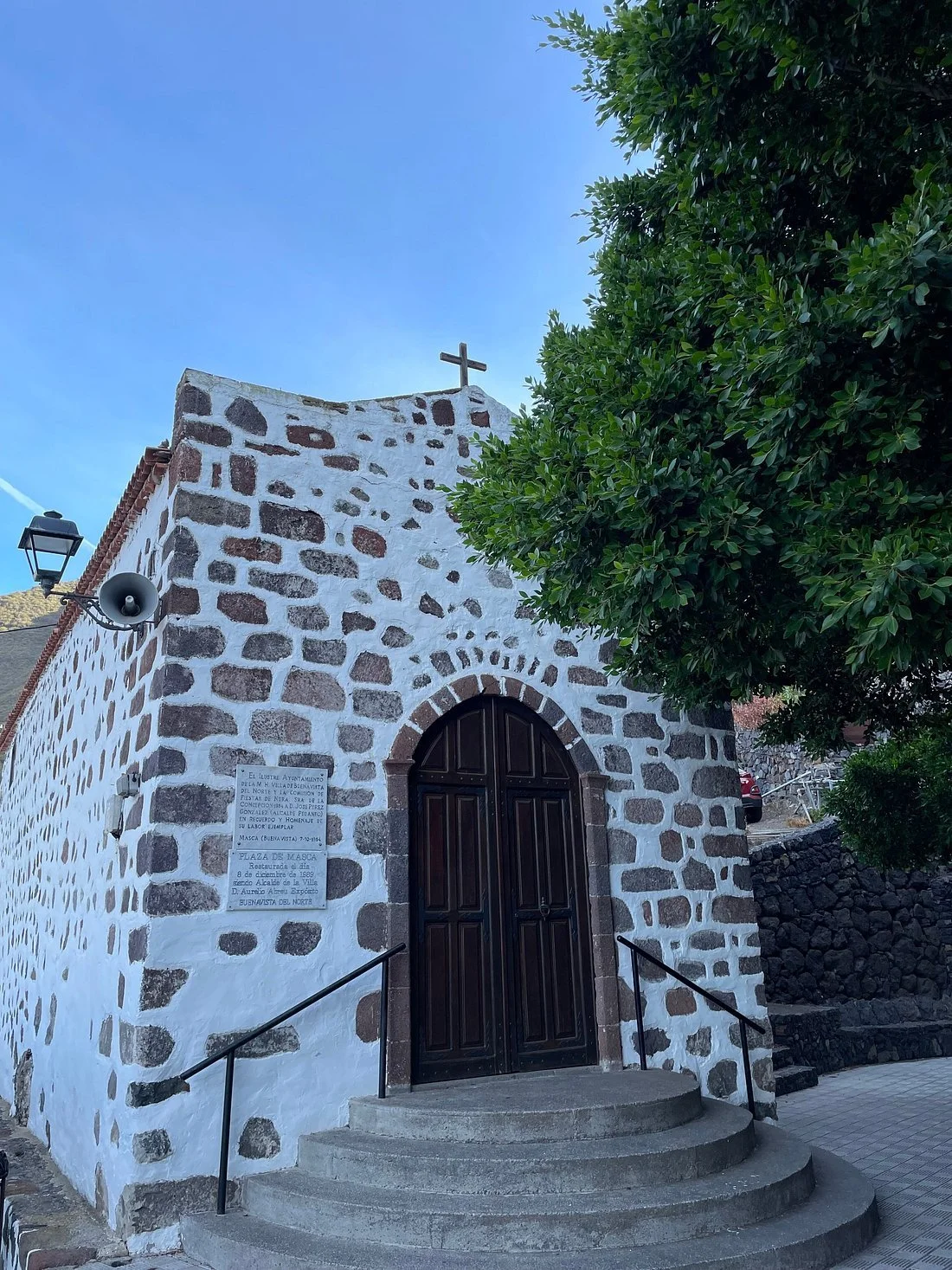
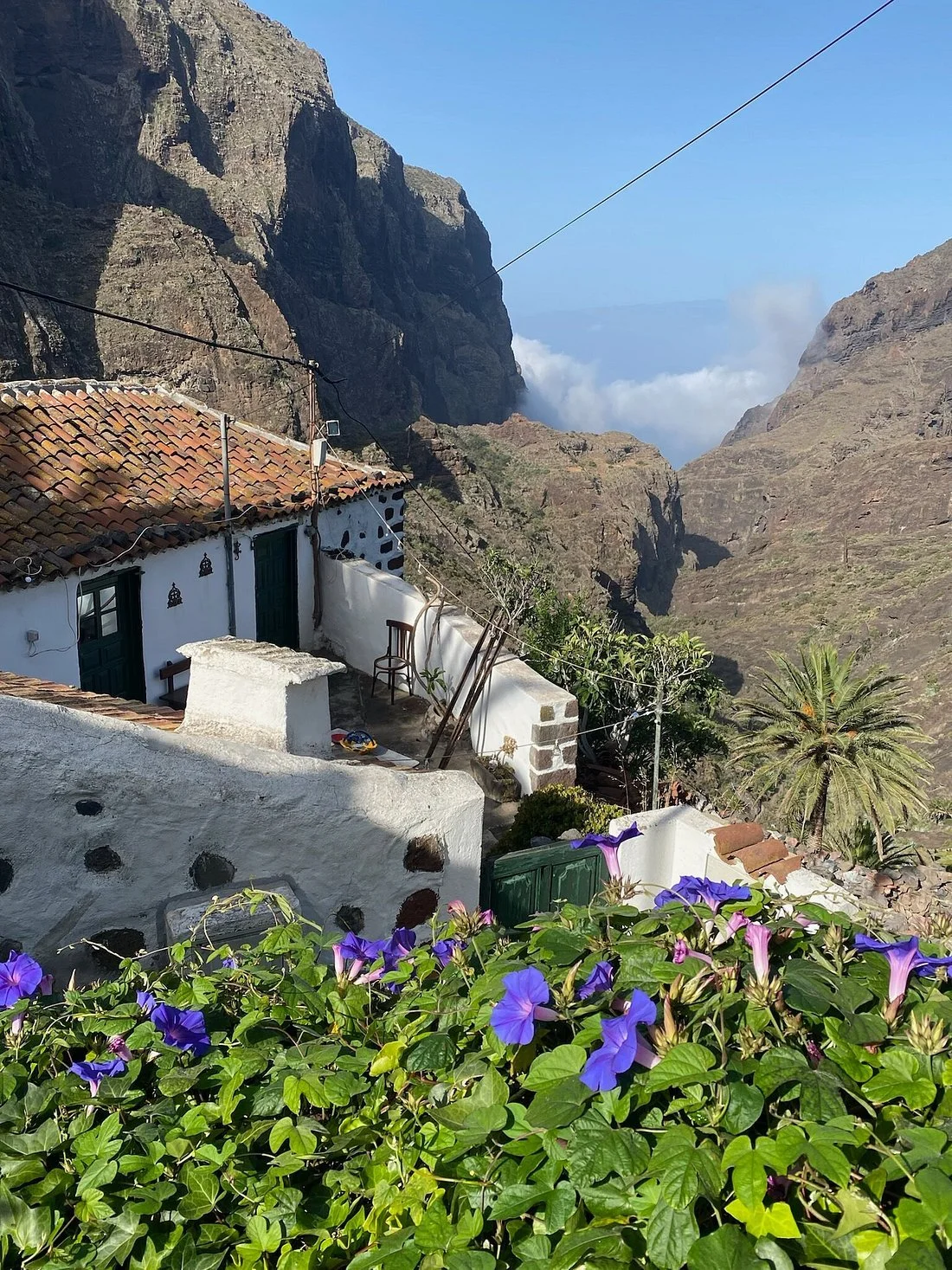
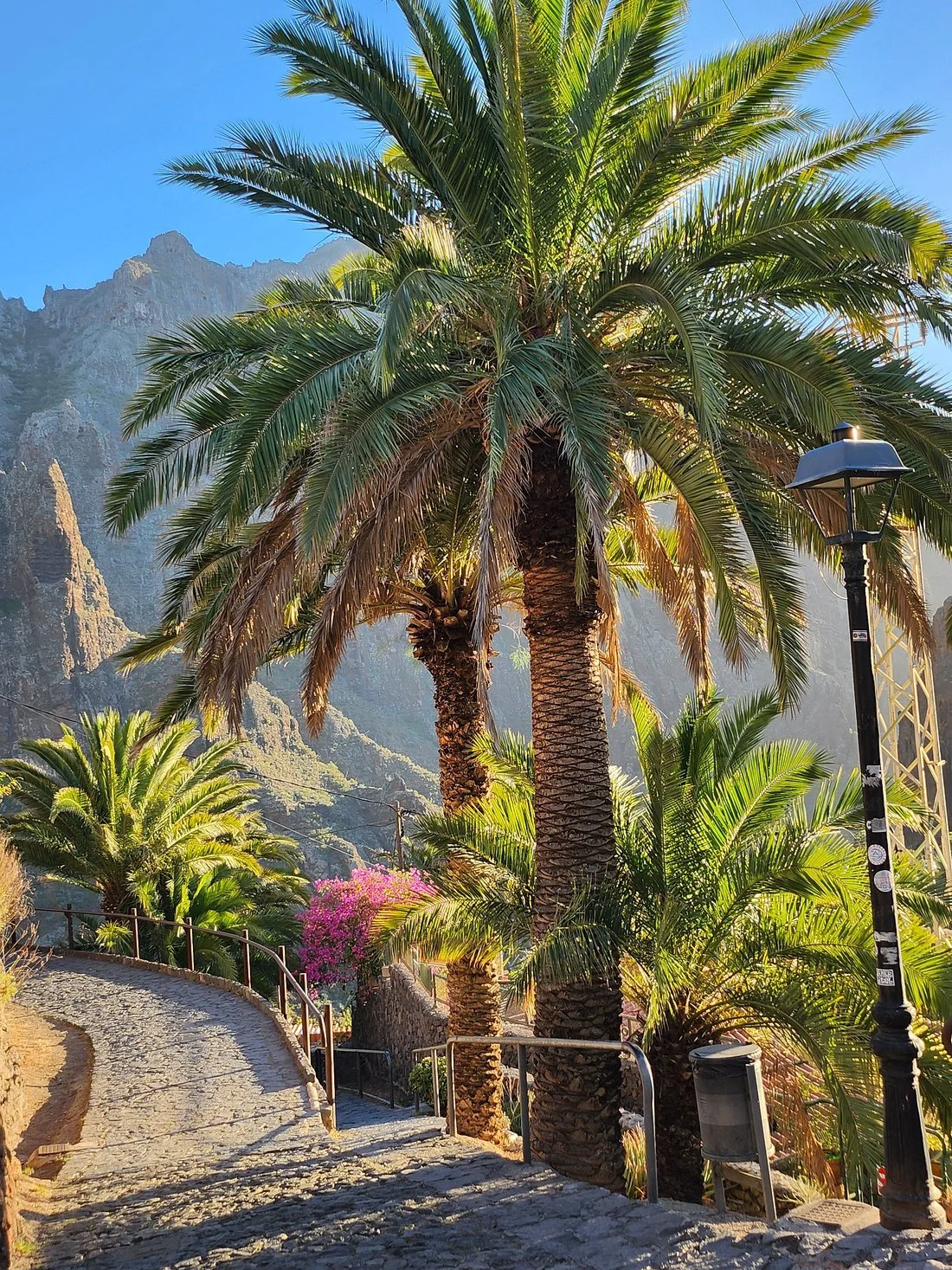
I did not attempt the full Barranco de Masca gorge hike because it is now strictly controlled. You need an advance permit booked through caminobarrancodemasca.com, transport is usually via the mandatory TITSA bus 355 from Santiago del Teide, and many packages include a boat return from the beach. Private cars cannot access the trailhead directly for hikers under the current rules. Instead I did short walks along the village edges, which gave me beautiful views of the canyon, palm trees, and rocky walls without needing any permit. I spent about an hour and a half exploring at a relaxed pace, soaking in the peaceful atmosphere and the fresh mountain air.
Lunch with a View
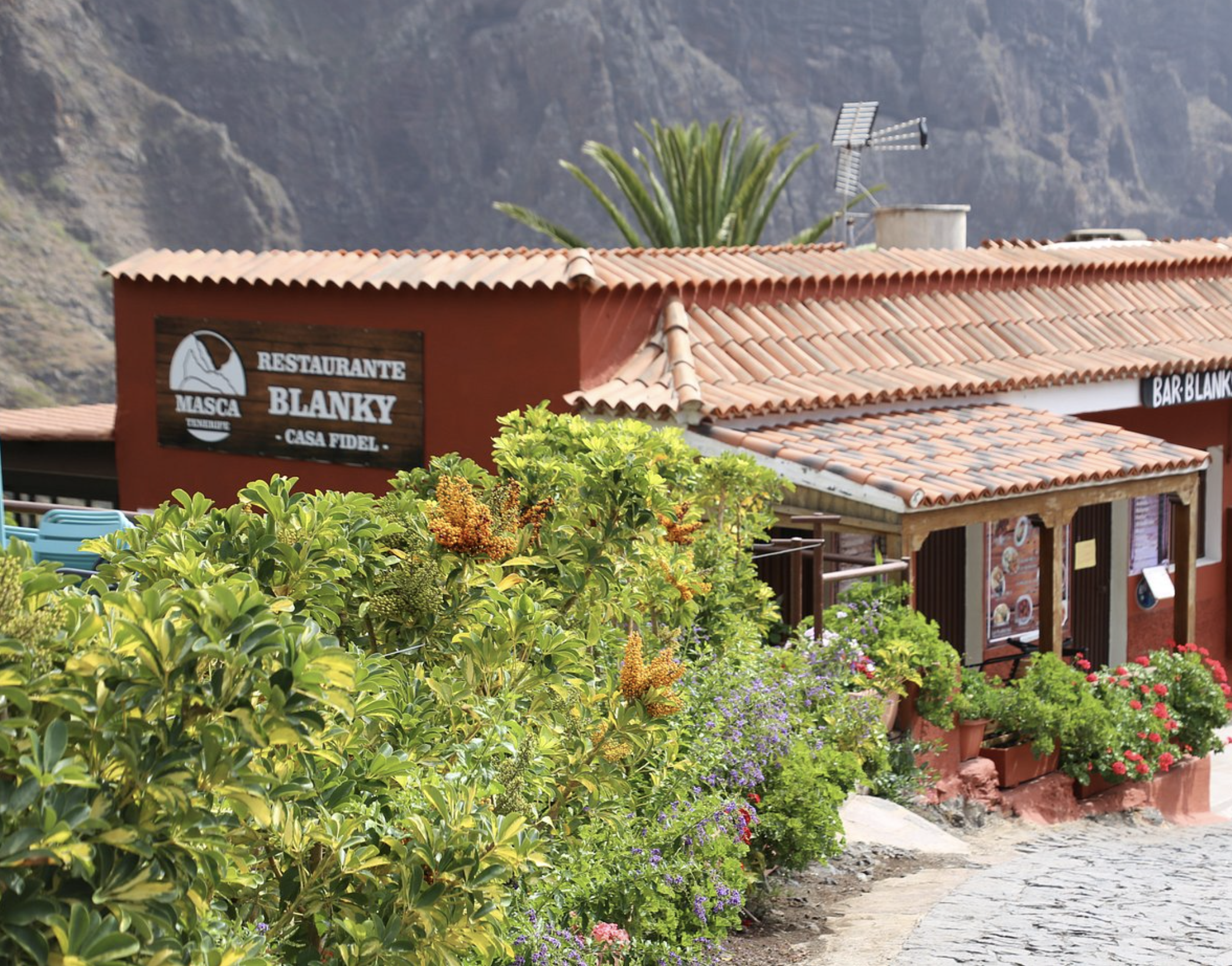
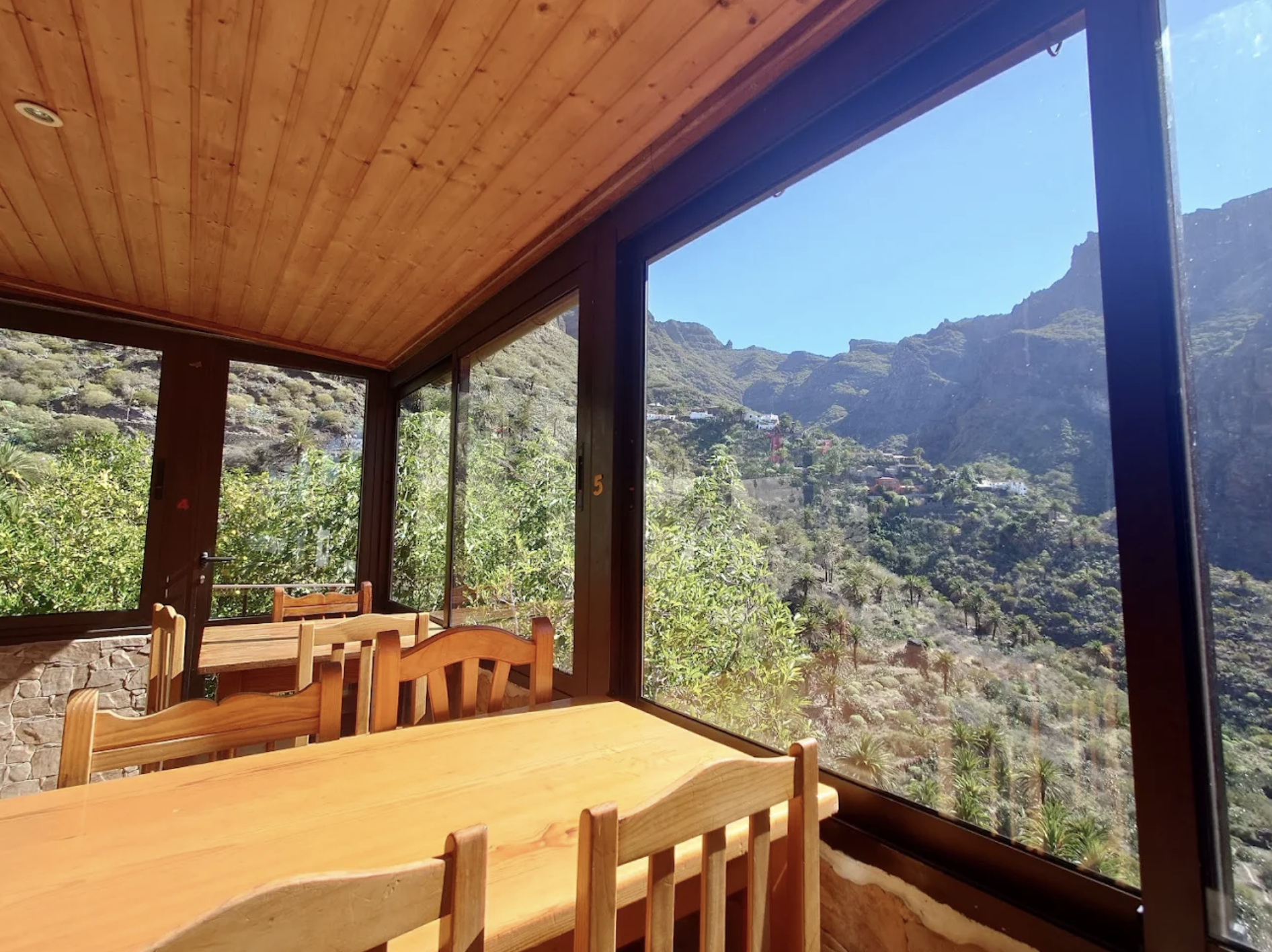
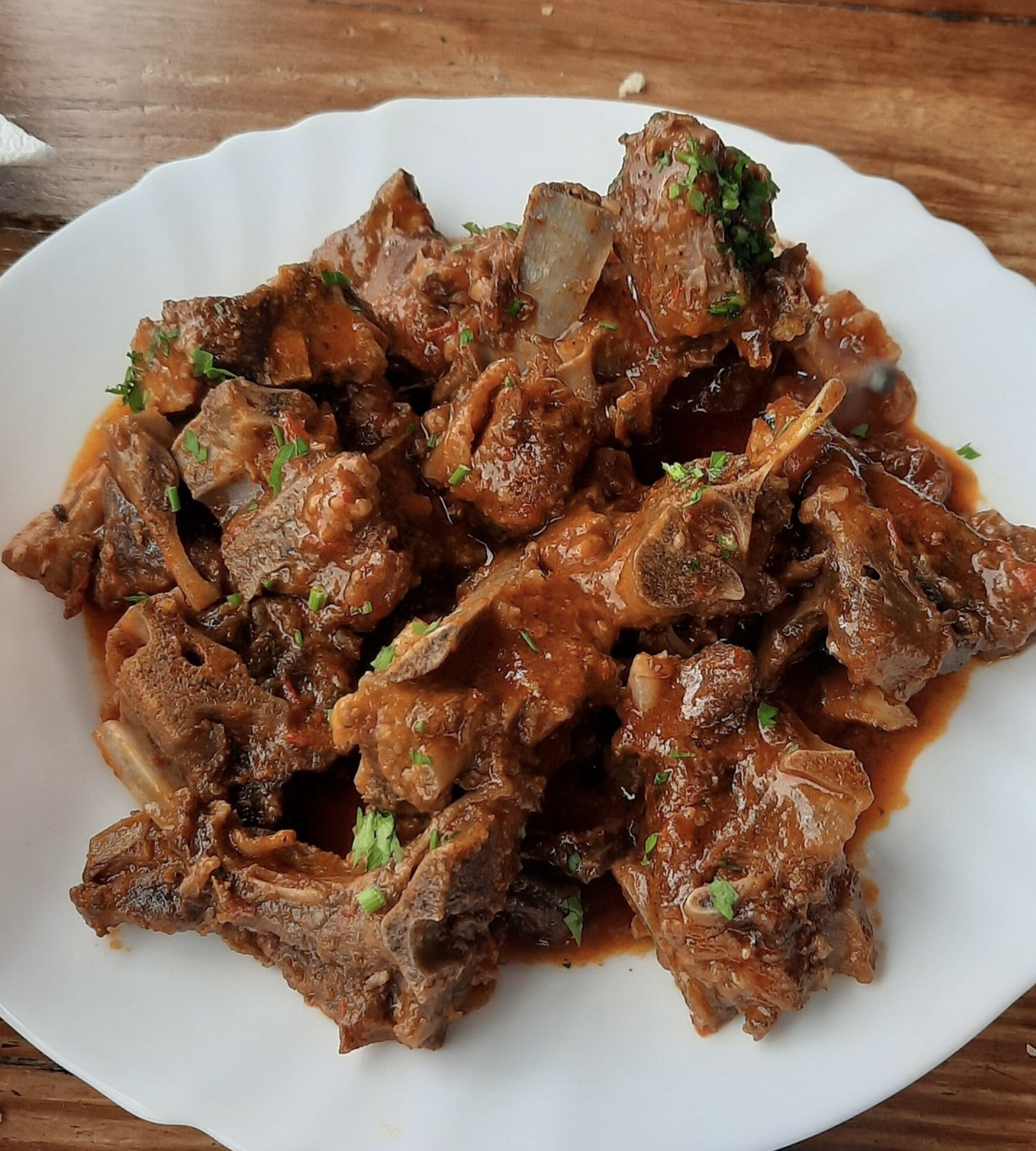

Around noon I was ready to eat. I chose Bar Fidel, also known as Casa Fidel, which has a great terrace looking directly over the gorge and Roque de Masca. I ordered goat stew, which was rich and tender, along with papas arrugadas served with both verde and rojo mojo sauces, plus a fresh salad. Everything tasted authentic and homemade. With a cold drink the meal was reasonably priced and the setting made it feel special. The staff were friendly and the terrace was the perfect spot to watch mist drifting through the valley.
Other good options include Restaurante El Guanche in the old school building with its garden terrace, or the cafe up at the viewpoint if you want something lighter like coffee and cake. Most places close by early evening, so I finished up and left around 2 pm as more visitors started arriving.
What to Wear in December
December in Masca can feel noticeably different from the south coast. While Costa Adeje might have been 22 to 24 degrees Celsius with sunshine, up in the mountains at 650 metres it was cooler, around 15 to 18 degrees during the day, with a fresh breeze and occasional light cloud or mist. I wore comfortable walking shoes with good grip because the cobbled paths and stone steps can be uneven. I layered up with a t-shirt, long-sleeve top, and a light fleece or windproof jacket that I could remove if the sun came out strongly. Long trousers were ideal instead of shorts, and I brought a small backpack with a hat, sunglasses, sunscreen, and plenty of water. Even though it was sunny most of the time, the shade in the gorge and the wind made layers essential. If rain had been forecast, I would have added a lightweight waterproof jacket.
The drive back felt just as scenic but easier once I knew the road. I stopped at one more viewpoint to enjoy the panoramas before heading down to the coast. Visiting in the morning meant quieter streets, softer light for photos, and no parking hassle. Masca gave me that rare feeling of being somewhere truly remote and untouched, a perfect contrast to the busy southern resorts.
My top tips from the trip:
Arrive before 10 am for easy parking and fewer people.
Wear sturdy shoes and bring layers, even in December.
Carry water, sunscreen, and some cash for small shops or cafes.
Drive carefully and enjoy the journey itself.
My Personal Day Trip to La Orotava from the South of Tenerife
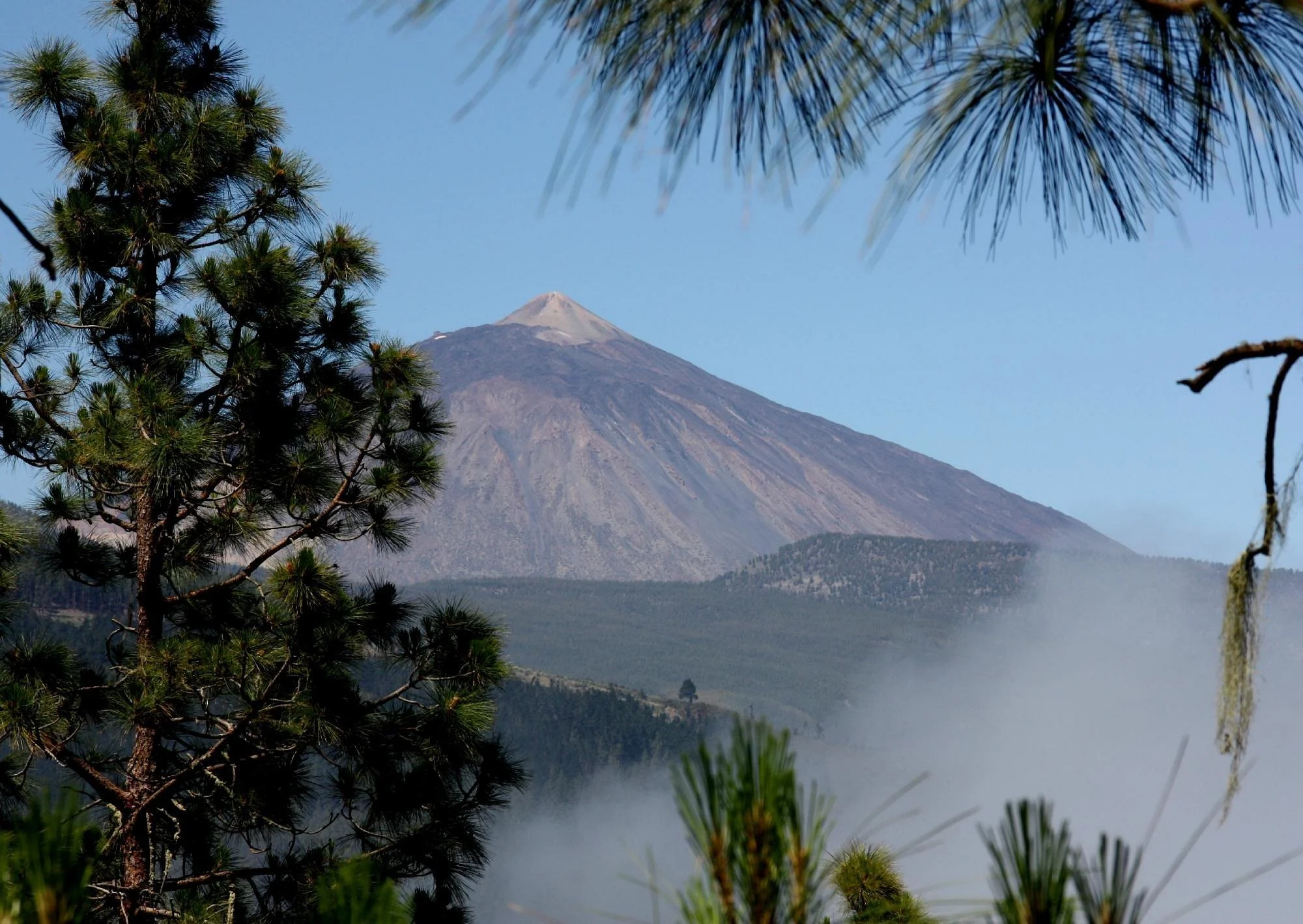
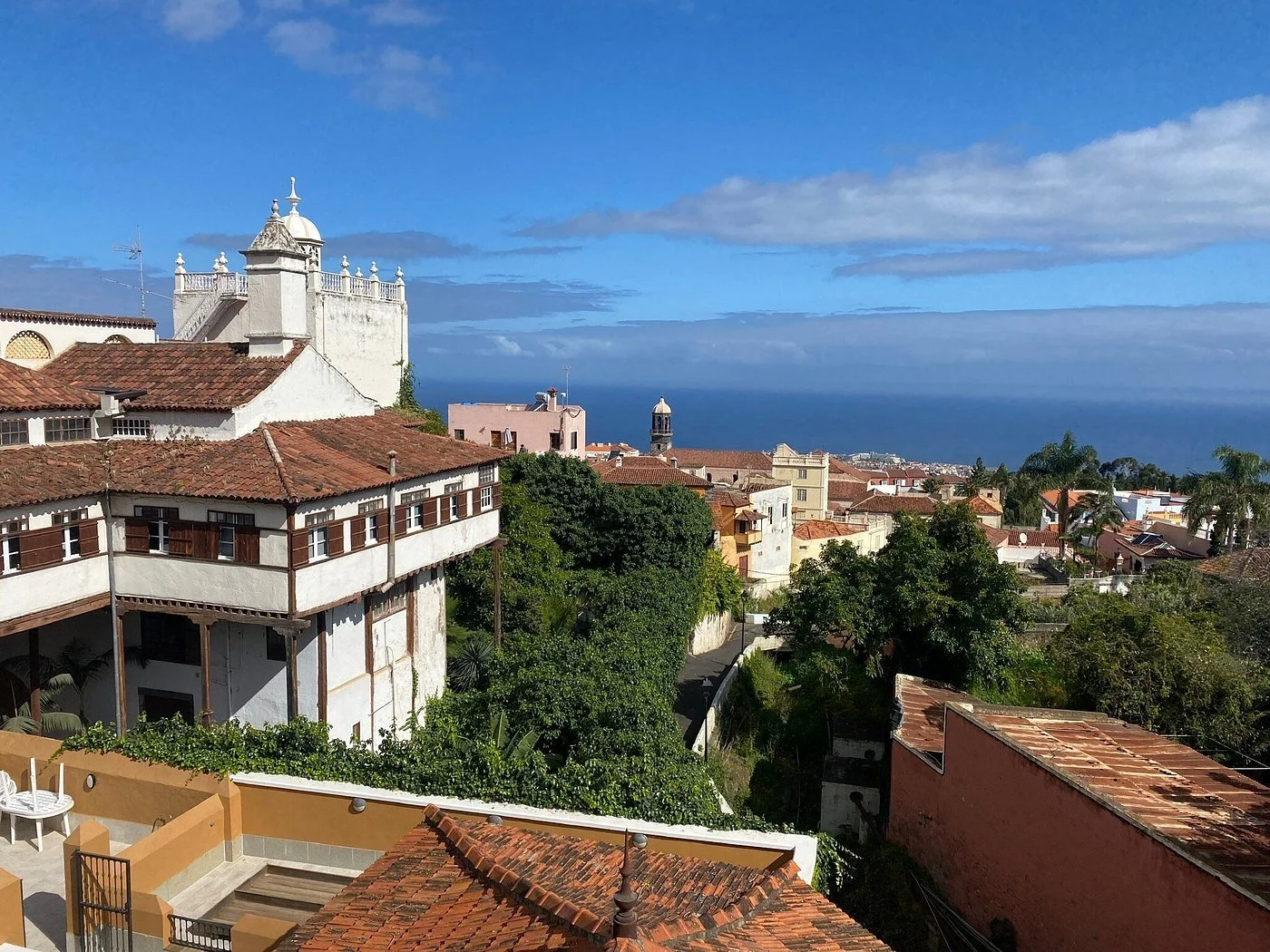
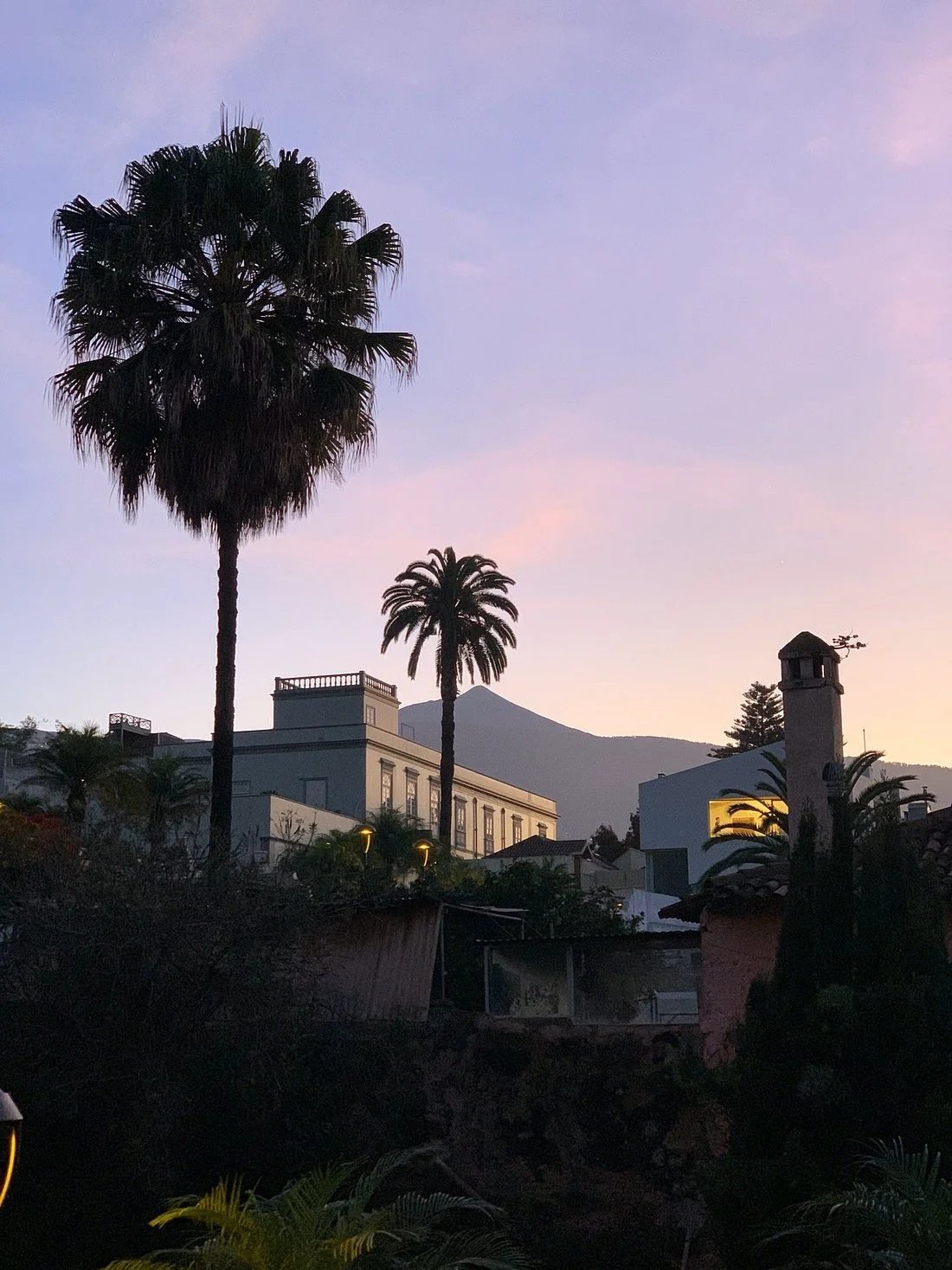
As someone who enjoys discovering Tenerife's historic towns away from the southern beaches, I headed to La Orotava in early December. This beautiful northern town, nestled in the lush Orotava Valley with views toward Mount Teide, is famous for its well-preserved colonial architecture, intricate wooden balconies, and charming streets. It felt like stepping back in time, with elegant mansions and peaceful gardens. Here is how my day unfolded, from the drive to exploring the specific spots you mentioned, plus where I ate and practical tips from my experience.
I left Costa Adeje around 8:30 am to avoid any rush and enjoy the morning light. From Costa Adeje, I took the TF-1 motorway north, passing Los Cristianos and heading toward Santa Cruz. The highway is fast and straightforward for the first part. After about 40-50 minutes, near Santa Cruz de Tenerife, I switched to the TF-5 toward Puerto de la Cruz, then followed signs for La Orotava (TF-21 or local roads uphill). The route climbs gently into the valley, with greener landscapes, banana plantations, and glimpses of the sea and mountains. The total drive was around 60-70 km and took me about 1 hour to 1 hour 15 minutes, depending on traffic. Roads were in good condition, though the final ascent into town has some curves. Parking in the historic center can be tricky, so I aimed to arrive before 10 am.
I reached La Orotava by around 9:45 am. The town sits at about 400-500 meters elevation, so the air felt fresher and slightly cooler than the south coast. Parking in the historic center is limited due to narrow streets, but there are several options. I found a spot in one of the free public car parks on the outskirts (like near Avenida Obispo Benítez de Lugo or the upper areas), then walked downhill into the old town. It's best to park outside the center and explore on foot anyway - the streets are hilly and cobbled, perfect for wandering but not for driving.
Exploring the Historic Center
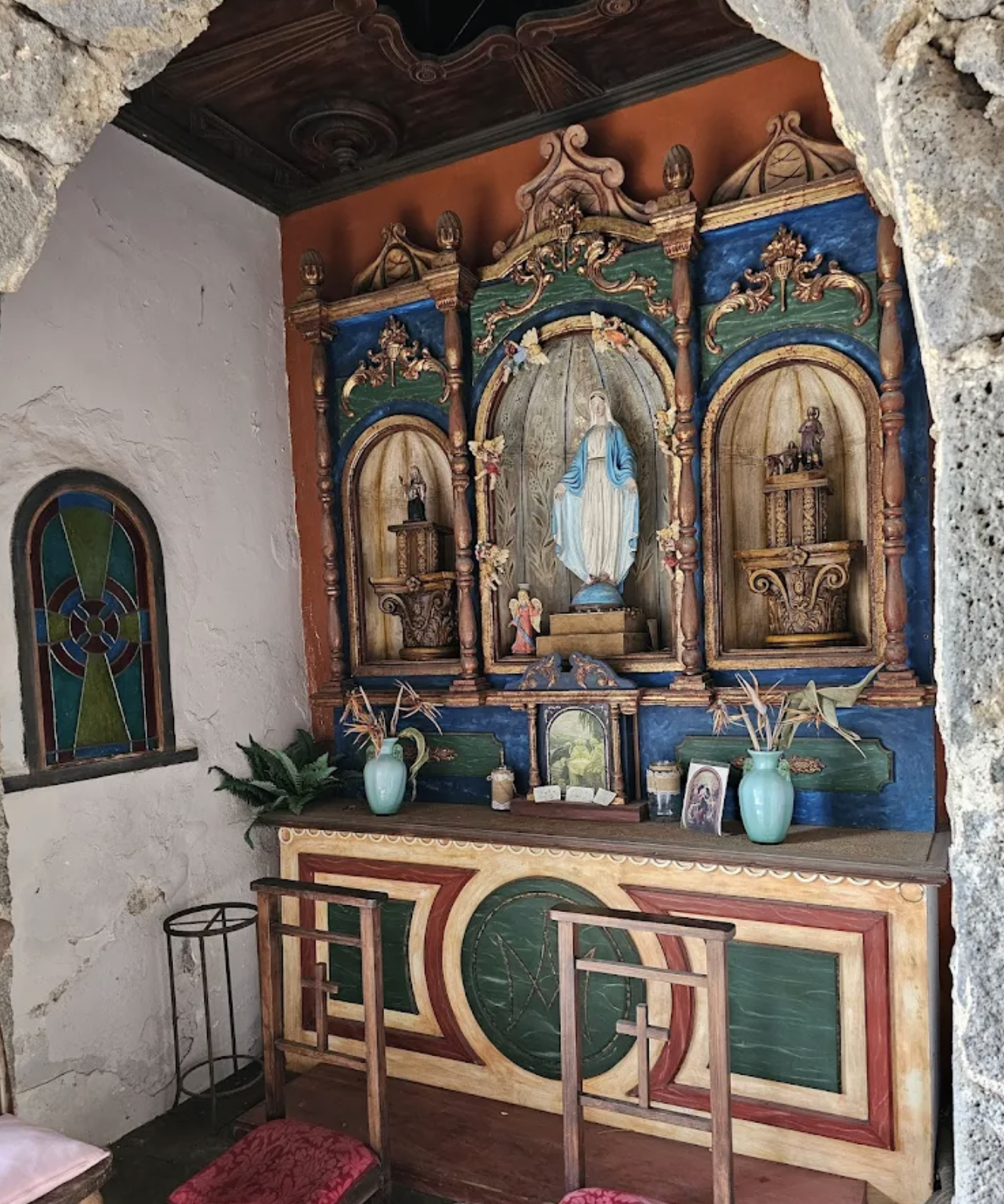
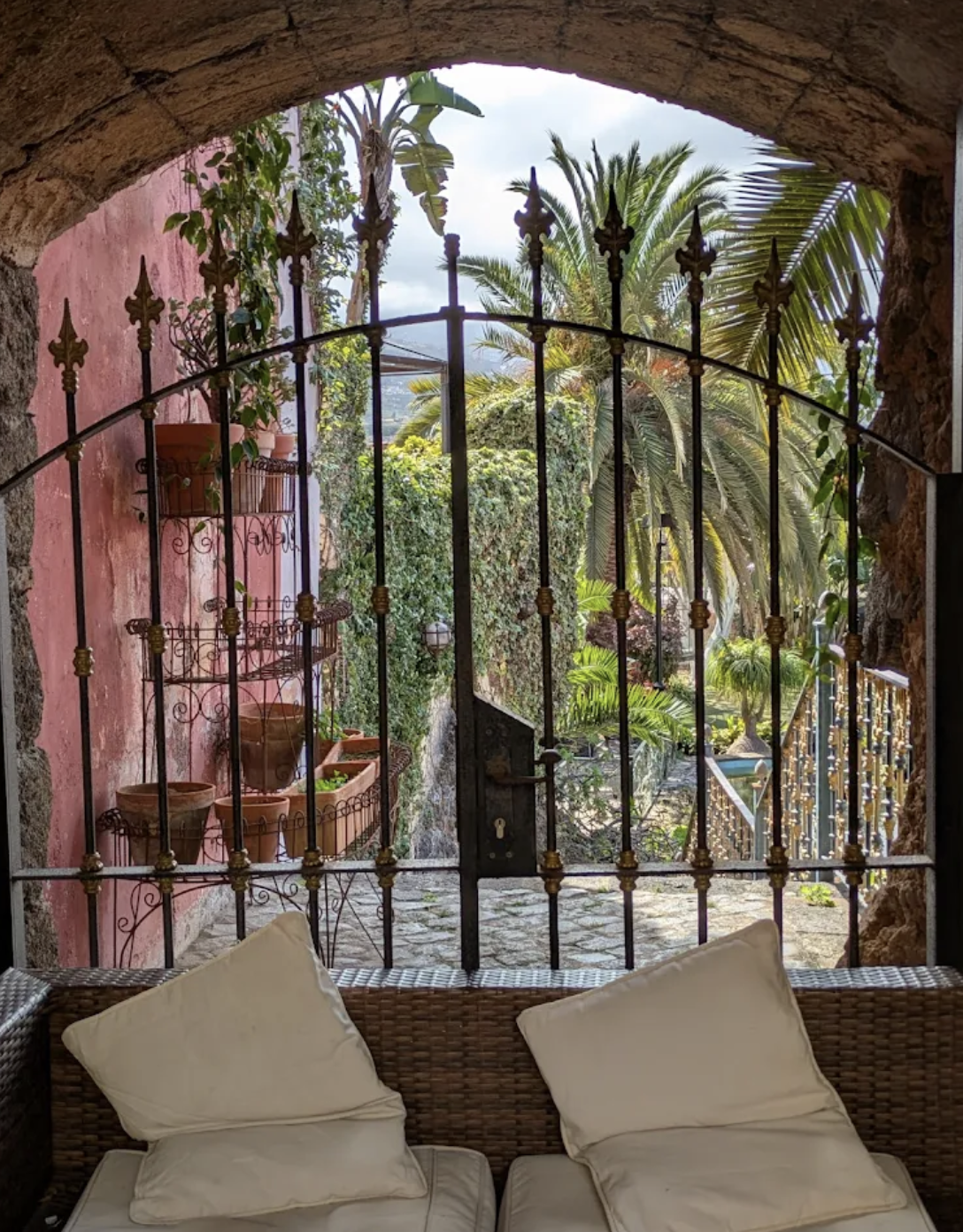

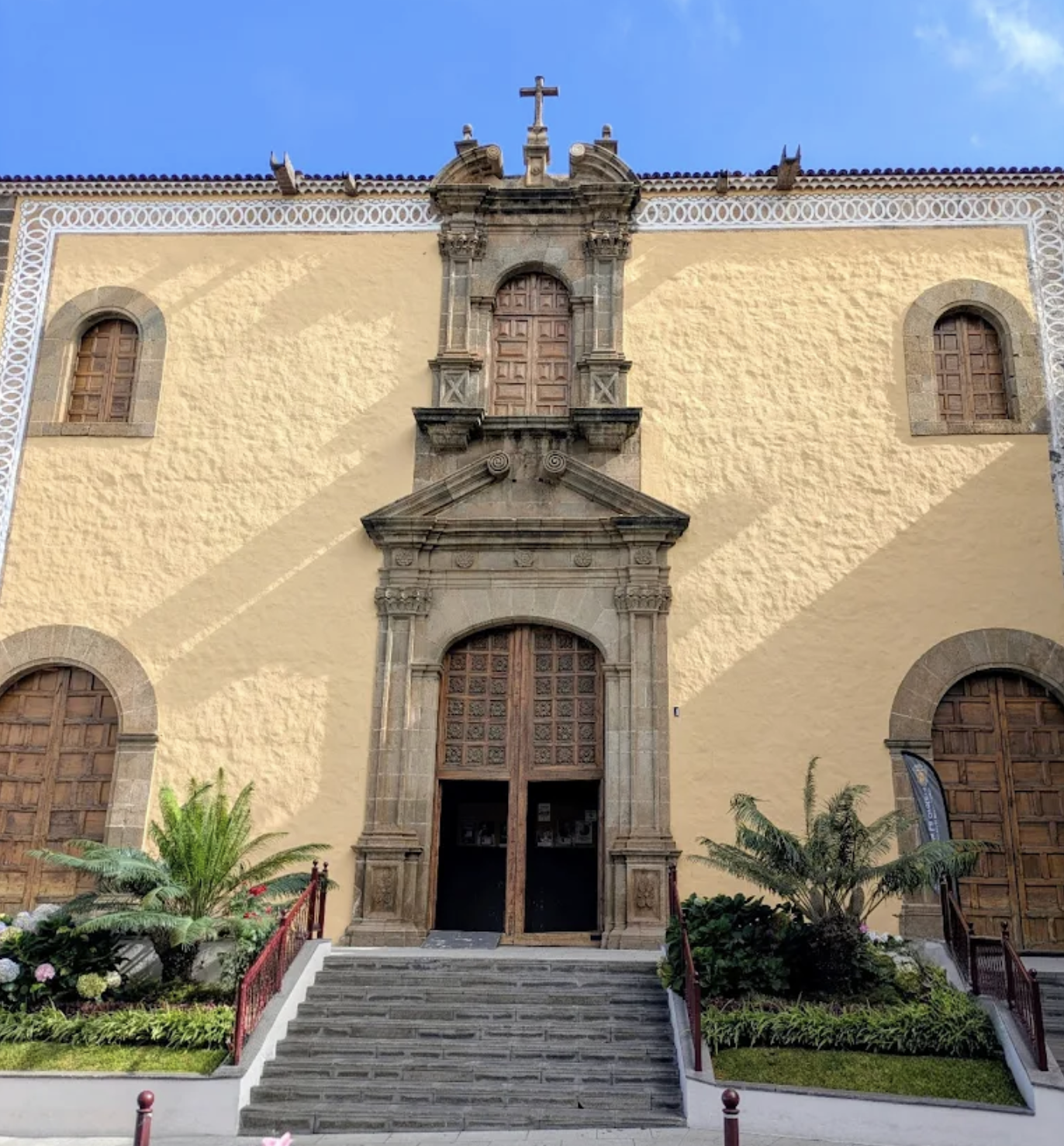
La Orotava's old town is compact and walkable, with most attractions close together. I started near the main squares and worked my way around.
First, I visited Casa de los Balcones on Calle San Francisco. This 17th-century mansion (built in 1632) is the town's star attraction, famous for its five ornate carved wooden balconies overlooking the street. I bought a combined ticket that included entry to the connected buildings. Inside, there's a beautiful shaded patio, antique furniture, a small museum of Canarian life from the 1800s, and demonstrations of traditional lace-making and embroidery. The courtyard was peaceful, and I spent time admiring the craftsmanship.
Right across the street is Casa Eladia Machado, a 16th-century house also part of the same historic complex. It showcases Canarian arts, crafts, and local products like pottery and textiles. I browsed the displays and enjoyed the red facade contrasting with the wooden details.
A short walk away on Calle Colegio stands Casa Lercaro, another impressive 17th-century manor house with Italian influences, a spectacular inner courtyard, and elegant architecture. It's declared a historic monument and now houses a restaurant, but you can often peek inside or enjoy the exterior and patio views.
Next, I headed to Iglesia de San Agustín (also known in some contexts near the historic area, though the most prominent church is often Nuestra Señora de la Concepción nearby; San Agustín is a lovely smaller church with baroque elements). I admired its facade and stepped inside for the calm interior.
Finally, I walked to Jardín Victoria (also called Jardines del Marquesado de la Quinta Roja), a stunning 19th-century romantic garden with exotic plants, fountains, statues, and paths leading to panoramic viewpoints over the town and valley. The flowers were vibrant even in December, and it was a relaxing spot to sit and take photos with Teide in the distance on a clear day.
I spent about 3-4 hours wandering at a leisurely pace, popping into small shops for local sweets and enjoying the quiet streets.
Early December in La Orotava is mild but cooler than the south, especially at elevation. Daytime highs were around 18-20°C (64-68°F), with lows in the morning/evening dropping to 13-15°C (55-59°F). There can be a light breeze or occasional cloud in the valley. I wore comfortable walking shoes with good grip for the hilly, cobbled streets. I layered: a t-shirt, long-sleeve shirt, and a light jacket or fleece that I could tie around my waist if it warmed up. Long trousers were better than shorts, plus a hat and sunglasses for sunny moments. I carried a small backpack with water, sunscreen (UV is still present), and a light rain jacket just in case of brief showers, though my day stayed mostly dry and pleasant.
The drive back was smooth, with beautiful valley views as I descended. Visiting in early December meant fewer crowds than peak season, softer light for photos, and a peaceful vibe in the gardens and streets. La Orotava felt elegant and authentic - a lovely contrast to the resort areas.
My top tips:
Arrive early for easier parking and quieter sights.
Wear sturdy shoes and layers for the cooler, hillier terrain.
Bring water, cash for small entries or shops, and comfortable pace - the town rewards slow exploration.
Combine with nearby Puerto de la Cruz or a Teide viewpoint if you have more time.
La Orotava captured Tenerife's historic charm perfectly. Have you explored the north recently? I'd love to hear your favorites!
Admiring the Cliffs at Los Gigantes
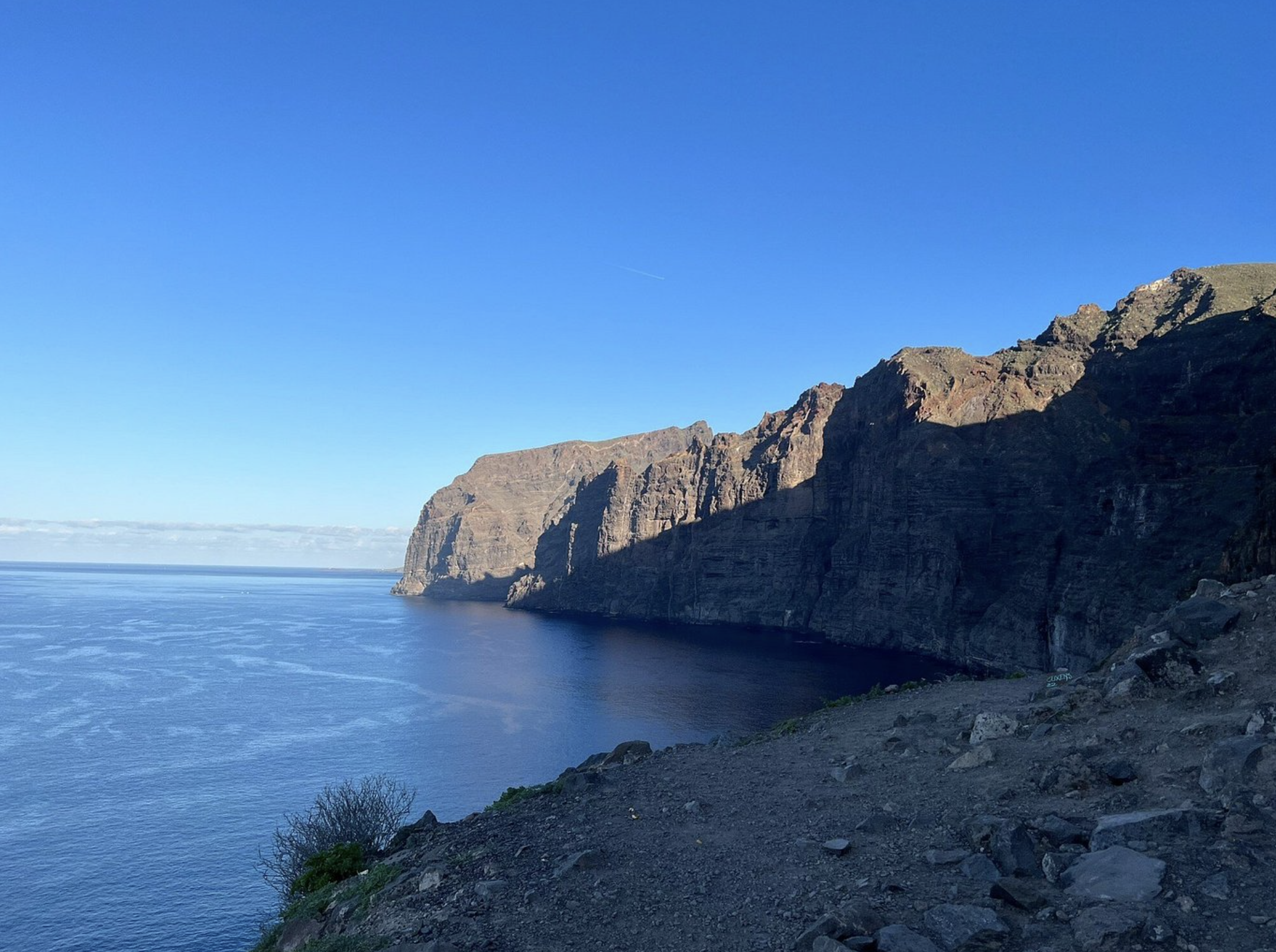
One of the most impressive natural sights in Tenerife is the dramatic Los Gigantes cliffs, towering up to 600 meters straight out of the Atlantic Ocean. These massive volcanic rock walls, dark and rugged, create an unforgettable backdrop for the small coastal town of Los Gigantes (also part of Puerto de Santiago). I visited in early December 2025 during my stay in Costa Adeje, and the sheer scale left me in awe - it's like nature built its own fortress against the sea. Here's how my day went, from the easy drive to the best viewpoints, parking, and practical details from my experience.
I set off around 9 am on a clear morning to catch good light and avoid any buildup of visitors. From Costa Adeje, I took the TF-1 motorway west, passing Adeje and heading toward Guía de Isora. The route is straightforward highway driving for most of the way, with gentle climbs through drier landscapes and banana plantations.
After about 30-40 minutes (roughly 35-40 km), I reached the turn for Los Gigantes/Puerto de Santiago. The final stretch winds down toward the coast with glimpses of the cliffs appearing on the horizon. The roads were smooth and well-maintained -no tricky hairpins like Masca. I arrived around 10 am, which gave me plenty of time before midday crowds.
Los Gigantes is a compact, hilly town with the cliffs dominating the western side. Parking can get busy near the harbor and beach, but options are decent. I parked in the paid marina lot (very reasonable, under a euro per hour), right by the harbor - perfect for quick access to the waterfront and viewpoints. Free street parking is available in Puerto de Santiago areas a short walk away (10-20 minutes), or higher up in town if you're okay with a bit more distance.
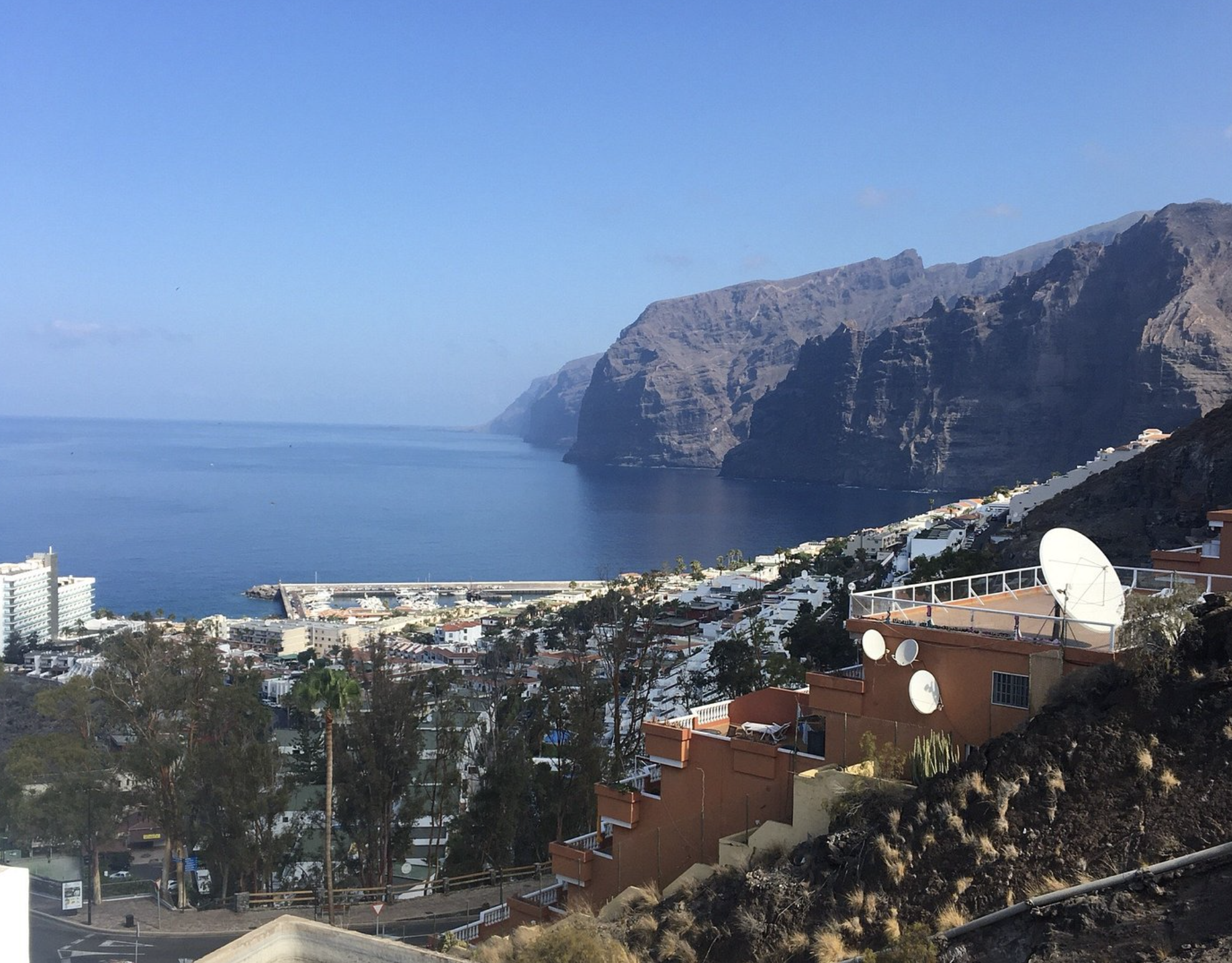
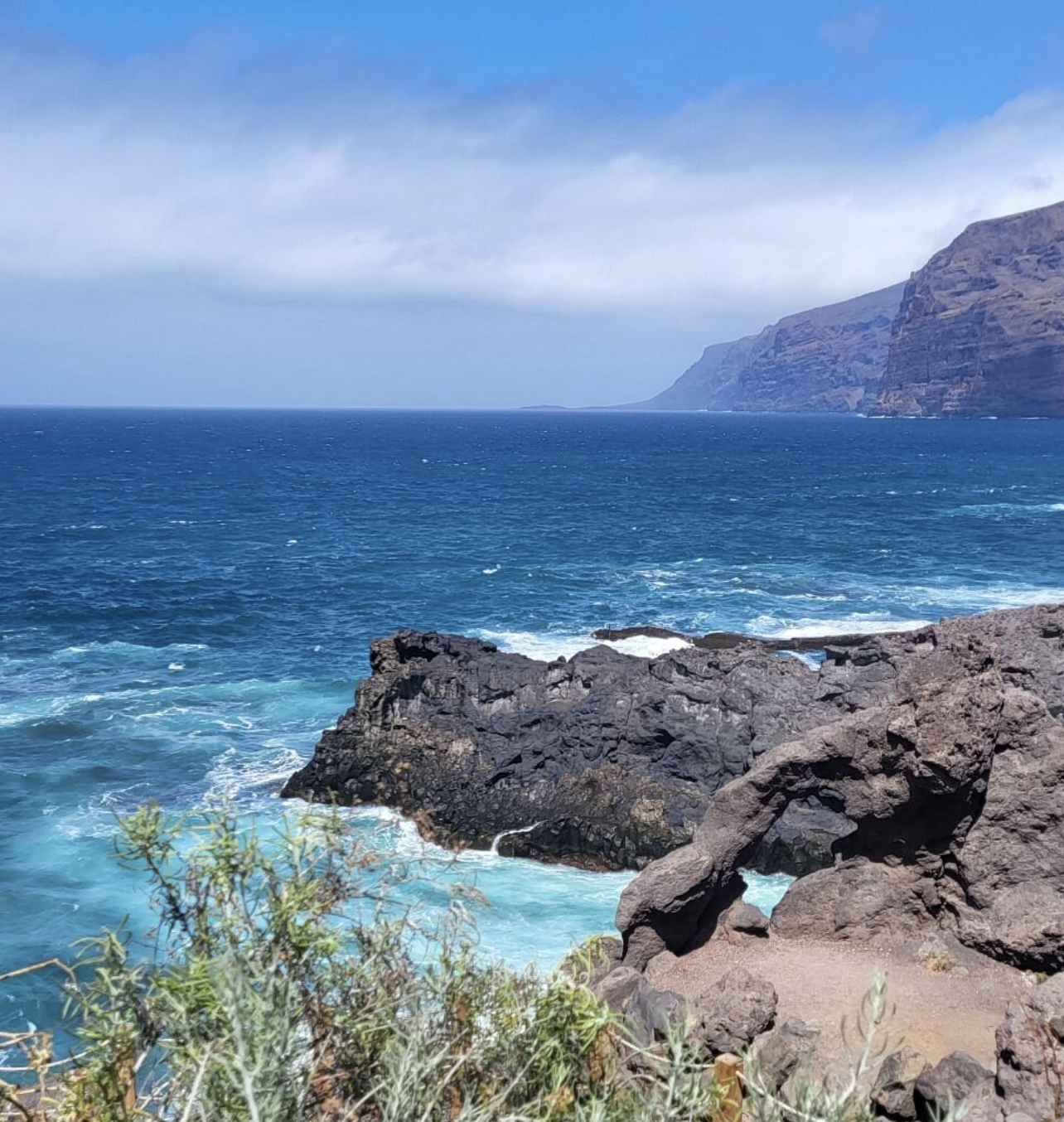
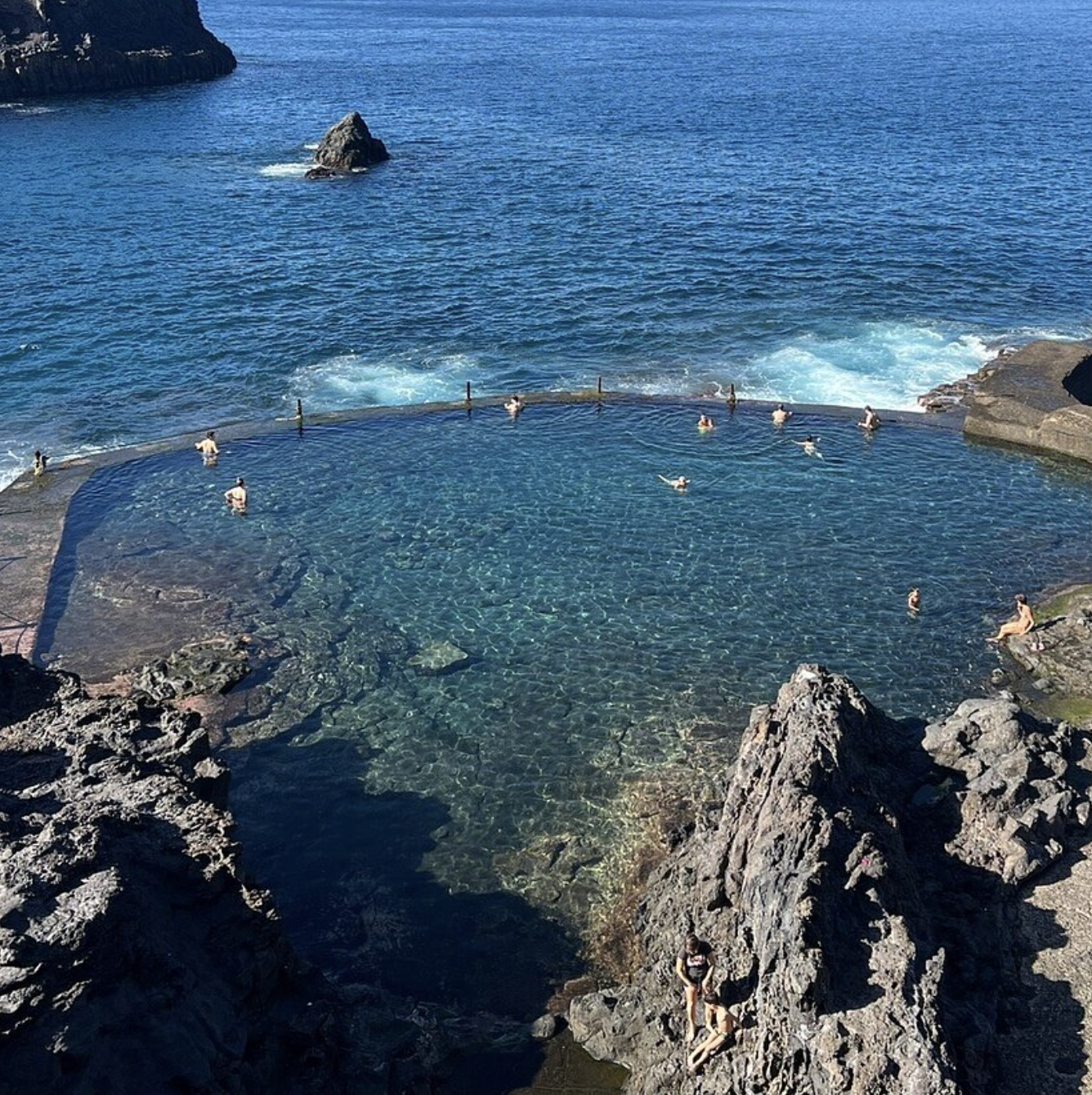
The town is walkable once parked, though hilly in places. I started at the lower level near the small black-sand Playa de Los Guios beach, where the cliffs plunge directly into the sea.
The main attraction is simply standing in awe of the Acantilados de los Gigantes. I walked along the coastal promenade near the harbor, where the cliffs rise sheer and imposing right above you. The contrast of dark volcanic rock against the deep blue ocean is stunning, especially with waves crashing below.
I drove up to the top viewpoints for broader perspectives (easy by car, short drives from town):
Mirador Archipenque: This is the standout panoramic spot, just off the main road above town. There's a dedicated parking area, and the view sweeps over the entire cliff face, the harbor, Puerto de Santiago, and often the distant island of La Gomera on clear days. I spent a good 20-30 minutes here taking photos, the elevation lets you appreciate the true scale.
I also strolled down to Playa de Los Guios for close-up views from sea level - dramatic photos with the cliffs towering overhead. Many people combine this with a boat trip for whale-watching below the cliffs, but I stuck to land views on my visit.