Phoenix surprised me in ways I did not expect. Beyond the heat and highways, I found places that slow you down, invite reflection, and quietly impress. From desert gardens that explain the land itself, to street art that pulses with community energy, to immersive art and night skies that stretch your sense of scale, these experiences show a more thoughtful side of the city. If you are looking for unique things to do in Phoenix that feel grounding, creative, and memorable, this is where to start.
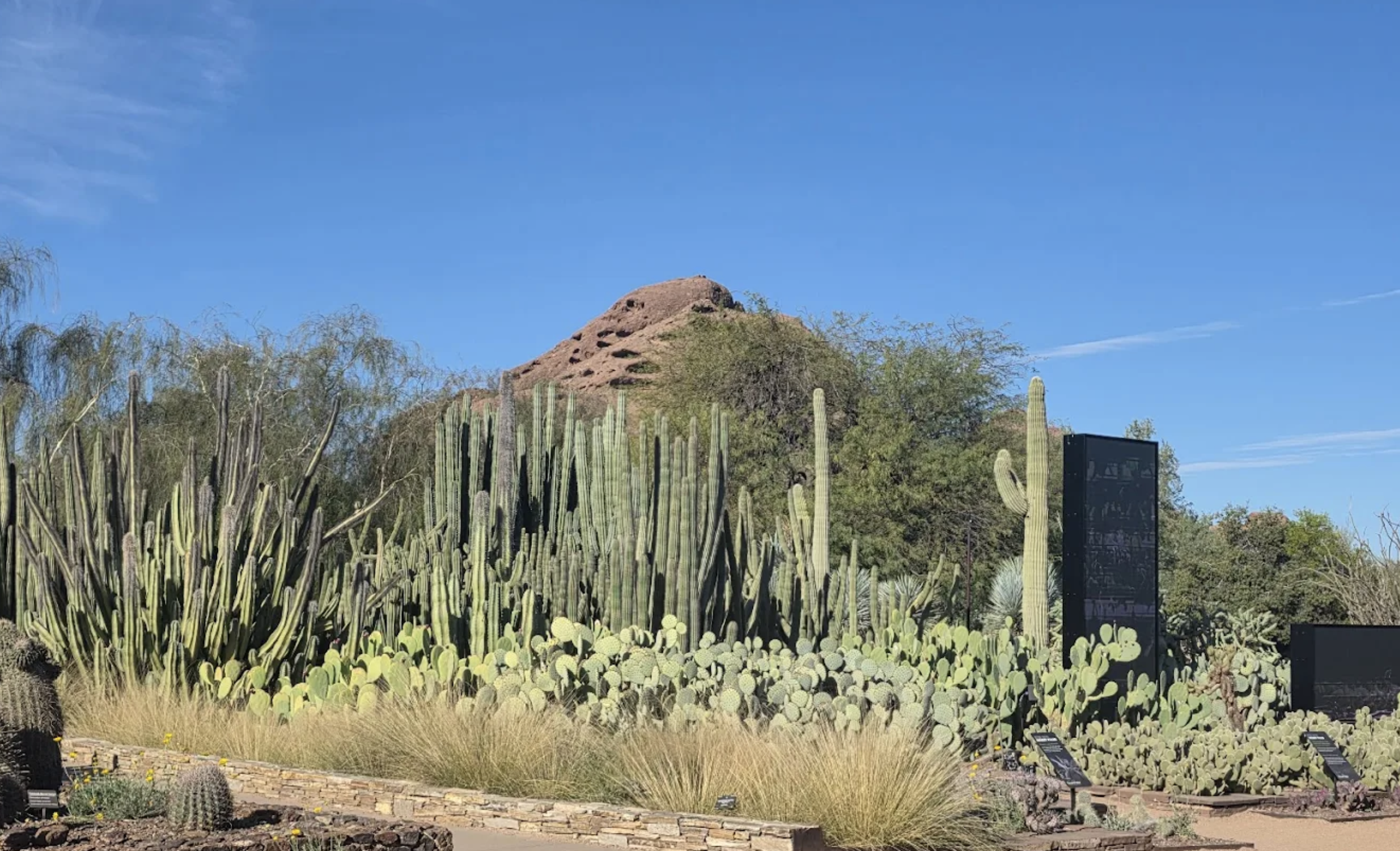
The Desert Botanical Garden was where the Sonoran Desert finally made sense to me. Walking in, the first thing that hits you is scale. Red rock formations in the distance, saguaros standing tall, and wide open desert stretching in every direction. It feels calm right away. Not curated in a touristy way, but ordered enough to let you take it in without effort. There’s a quiet to the place, the kind where wind moves through the plants and everything else fades out.
The garden covers a large area, but it never feels overwhelming. Trails loop naturally, pulling you forward without needing signs every few steps. I started on the main brick path, then drifted into dirt trails like the Sonoran Desert Nature Loop, which felt more immersive and raw. I ended up sitting under a mesquite tree for a while, doing nothing but listening to birds move through the brush. That kind of pause felt built into the experience.
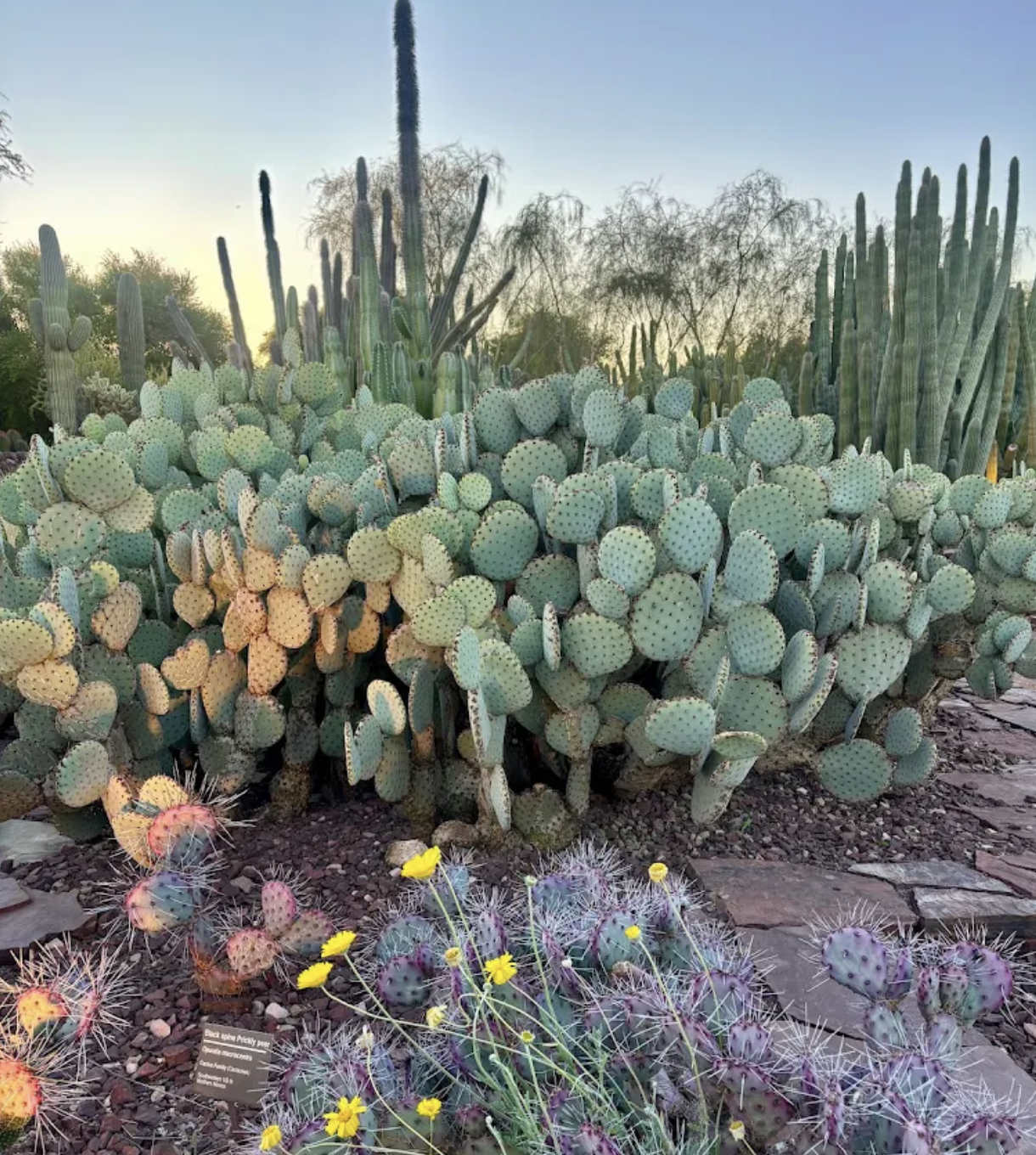
The layout is well thought out. Different sections focus on wild desert growth, conservation, and plant use, without turning the place into an outdoor classroom. Paths alternate between wide and accessible and narrower trails that feel closer to the land. The plant variety is impressive. Thousands of species, from towering organ pipe cacti to dense clusters of cholla and barrel cactus. Even in winter, there was color. Aloes in bloom, early wildflowers showing signs of life, and subtle shifts depending on where you stood.
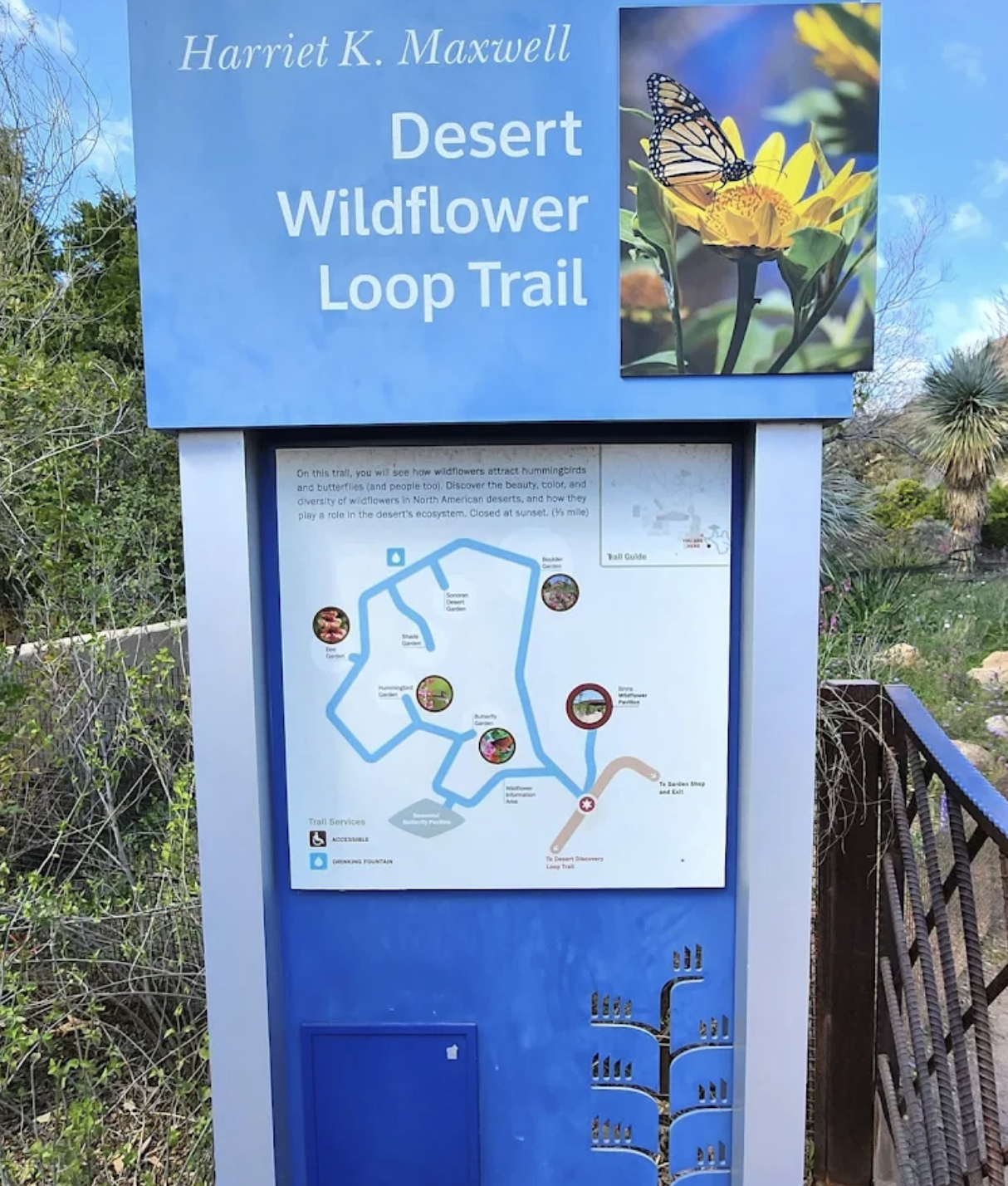
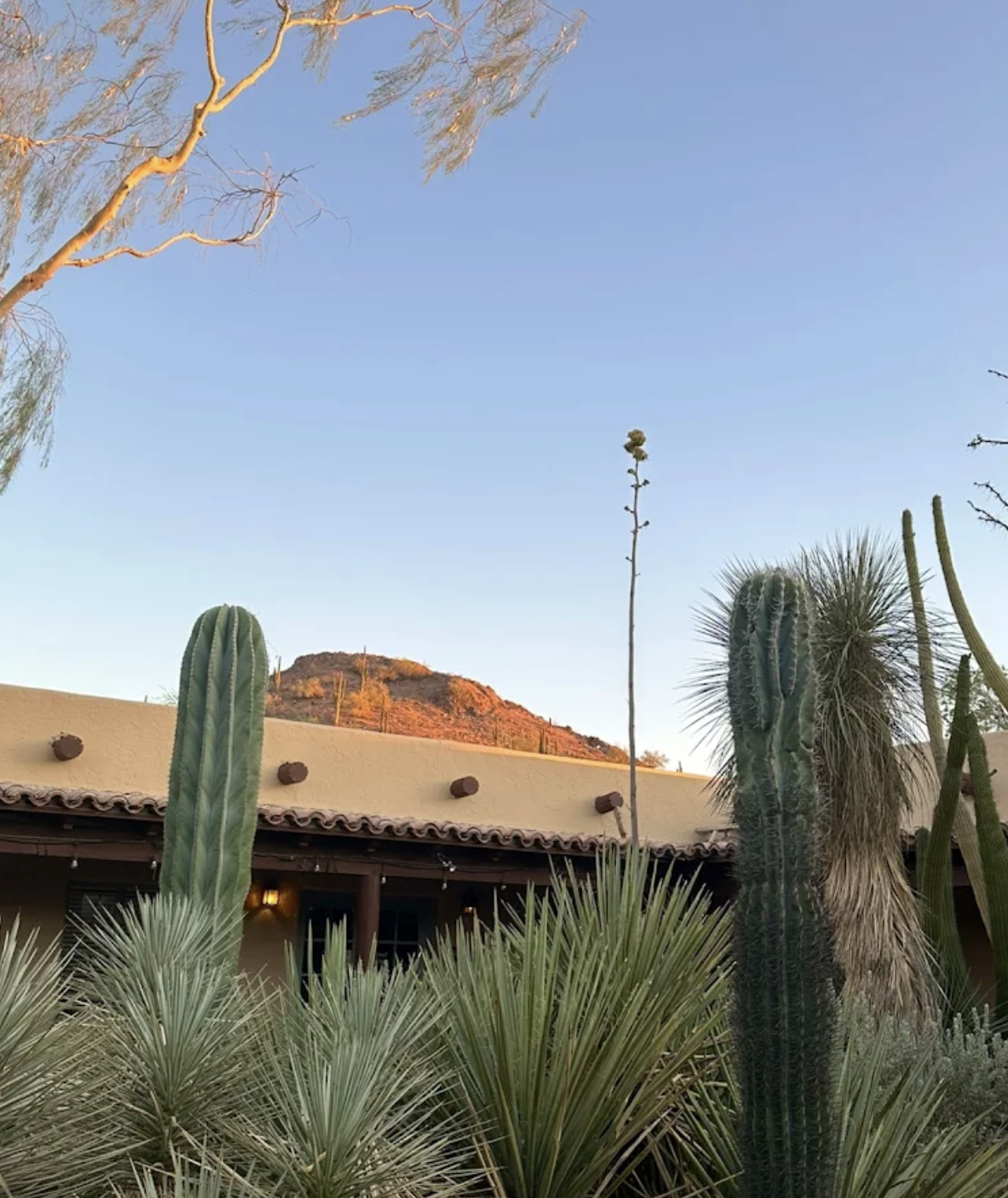
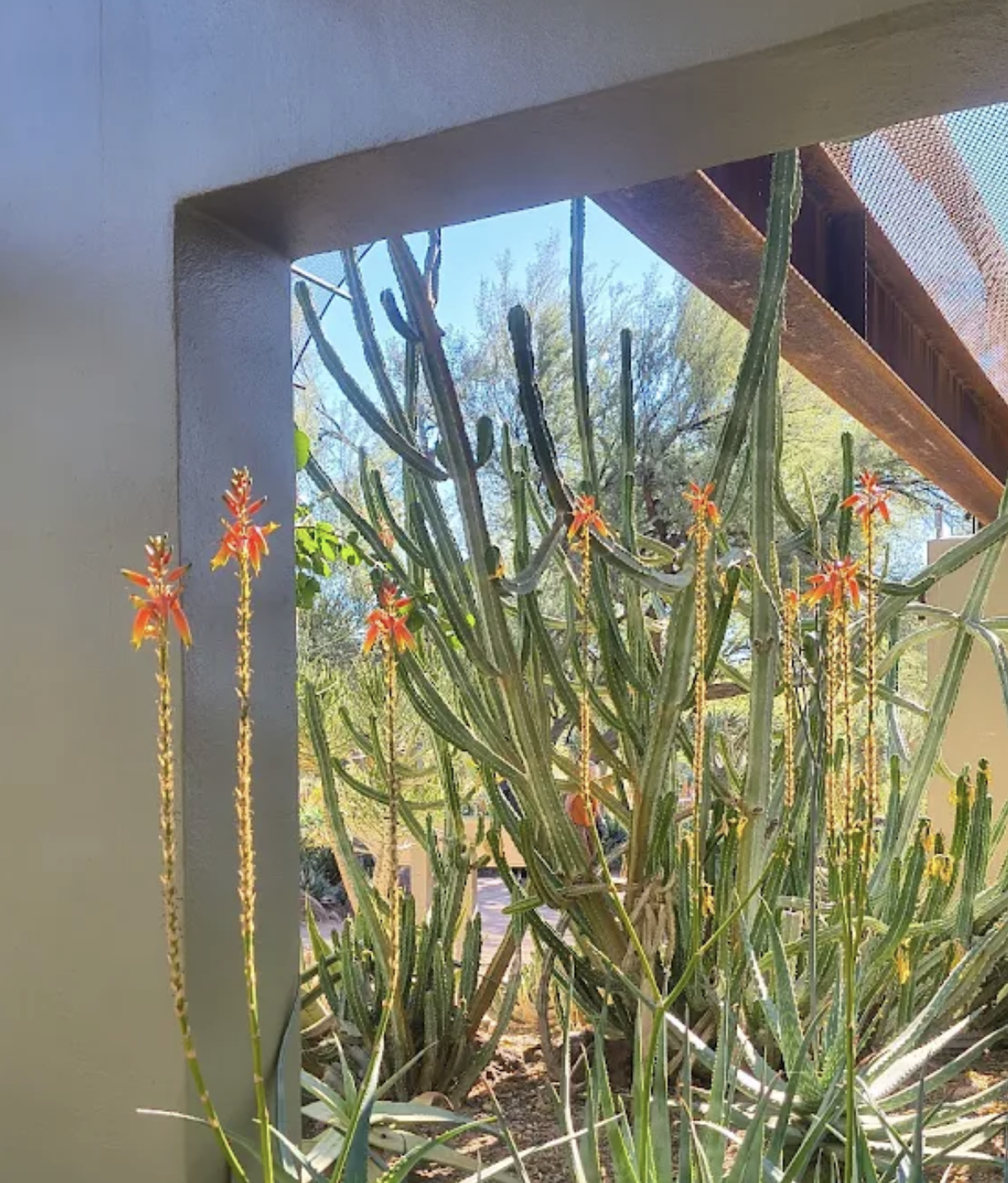
Water is used sparingly, but effectively. Small ponds, light streams, and a few fountains add sound without breaking the desert atmosphere. Nothing feels artificial or excessive.I moved slowly, covering a few miles over several hours. There are plenty of places to stop. Benches, low stone walls, shaded structures. Shade from palo verde trees made a big difference, especially under the sun. The garden encourages you to take your time rather than rush through.
What stood out most were the sensory details. The smell of creosote after light rain. Gravel underfoot. The contrast between rough bark and smooth succulents. Muted greens and silvers broken up by bursts of yellow and orange against red earth. Bird calls carried through the space, with wind doing the rest.
Maintenance is clearly a priority. Plants looked healthy, paths were clean, and signage was informative without being intrusive. Everything was easy to navigate, and accessibility was clearly considered. By the end, the effect was noticeable. My pace slowed. My head cleared. The desert’s resilience and restraint stayed with me. It didn’t feel like an attraction. It felt like time spent somewhere that operates on its own terms. Best time to visit is early morning, especially midweek. A few hours is the minimum, but it’s easy to stay longer. I’d go back without hesitation, especially during spring blooms or evening events when the desert shifts again.
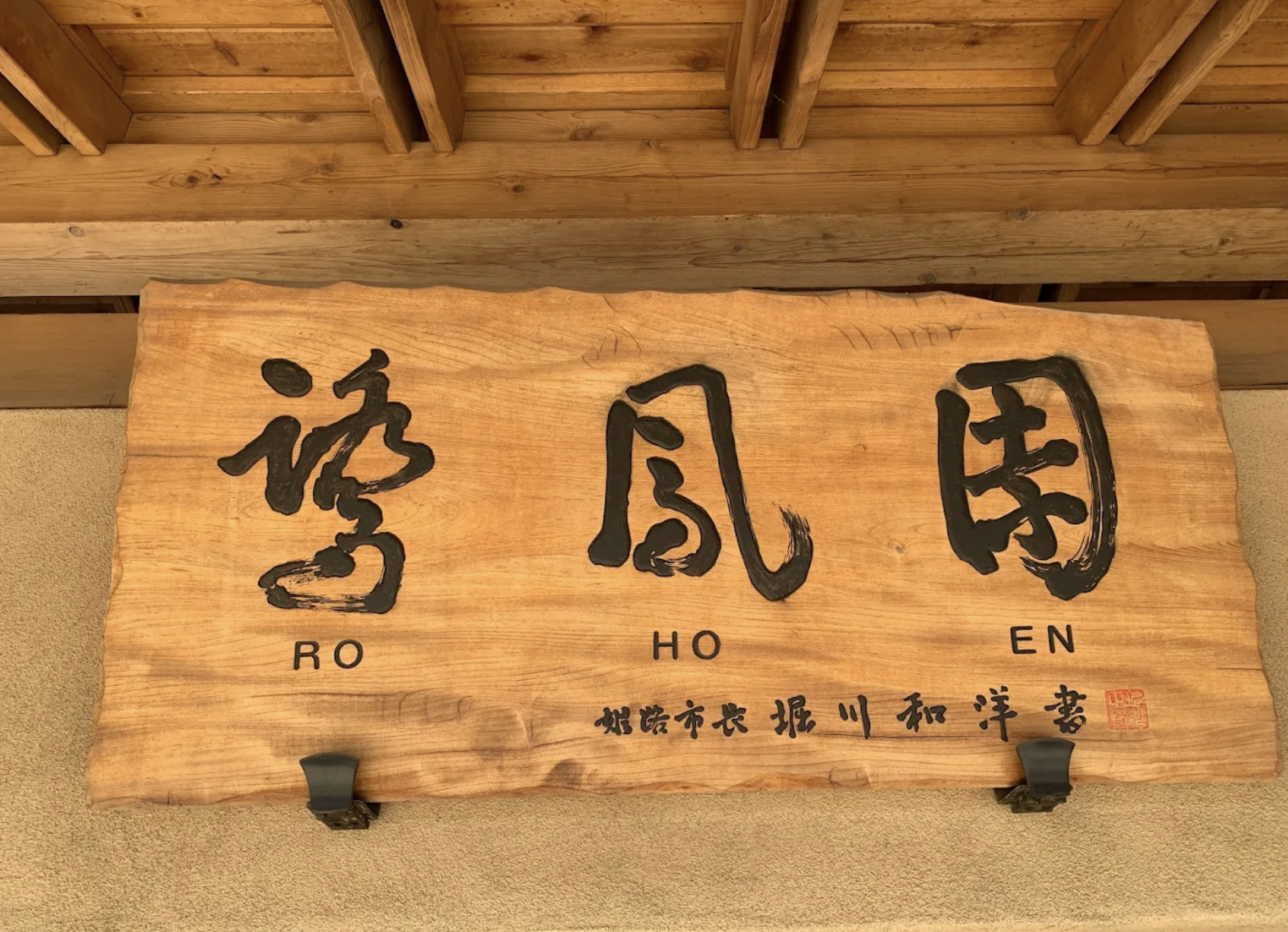
I just got back from a peaceful afternoon at the Japanese Friendship Garden of Phoenix (also called Rohoen), and I have to say it’s one of those hidden gems in the middle of the desert city that instantly transports you somewhere else. If you’re planning a visit (and you really should), here’s the full scoop from someone who’s wandered every path and soaked it all in.
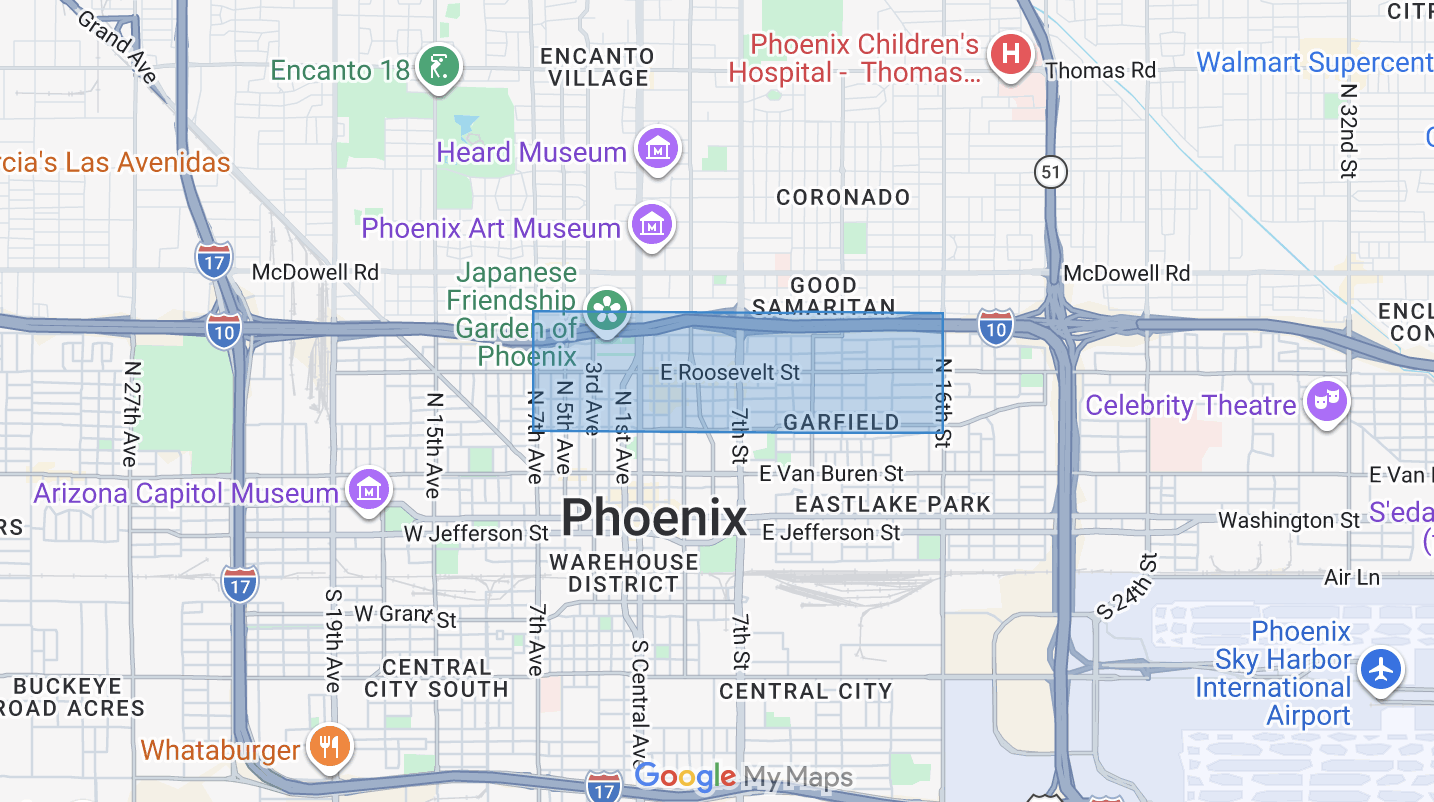
First off, the garden is right in downtown Phoenix at 1125 N. 3rd Avenue, tucked into Margaret T. Hance Park (basically on top of the I-10 tunnel, which is kind of wild when you think about the urban buzz just below). It’s an authentic Japanese stroll garden, a gift from Phoenix’s sister city Himeji in Japan, spanning about 3.5 acres of meticulously designed serenity.
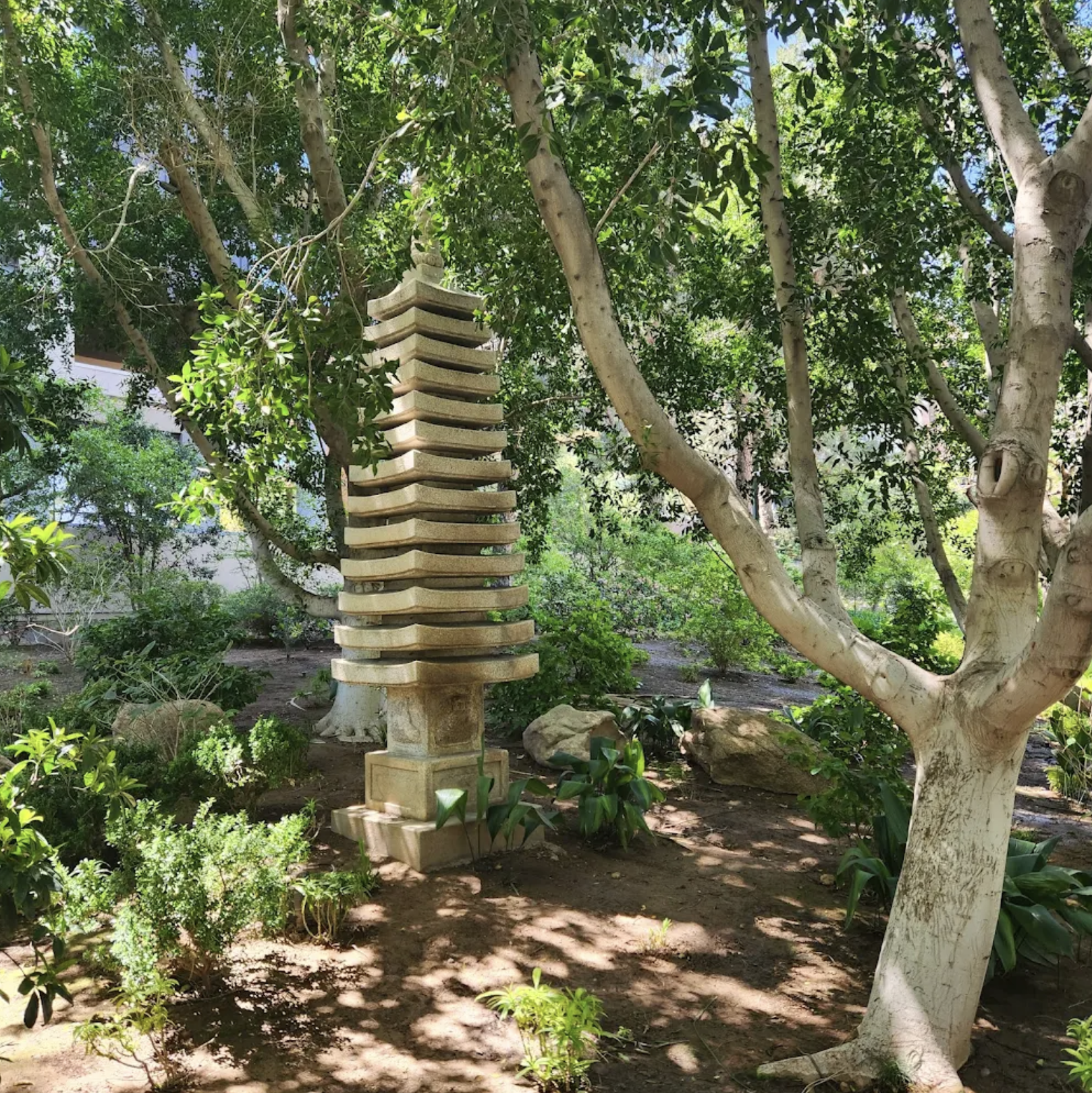
As soon as I stepped through the entrance, the noise of the city faded away. The paths are winding and intentional, meant for slow, mindful strolling rather than rushing through. You follow a loop that guides you past carefully placed elements: massive hand-picked rocks (over 1,500 tons in total), stone lanterns, arched footbridges over gentle flowing streams, and lush plantings with more than 50 (some say up to 85) varieties of trees, shrubs, and flowers adapted to the Arizona climate but evoking Japan perfectly.
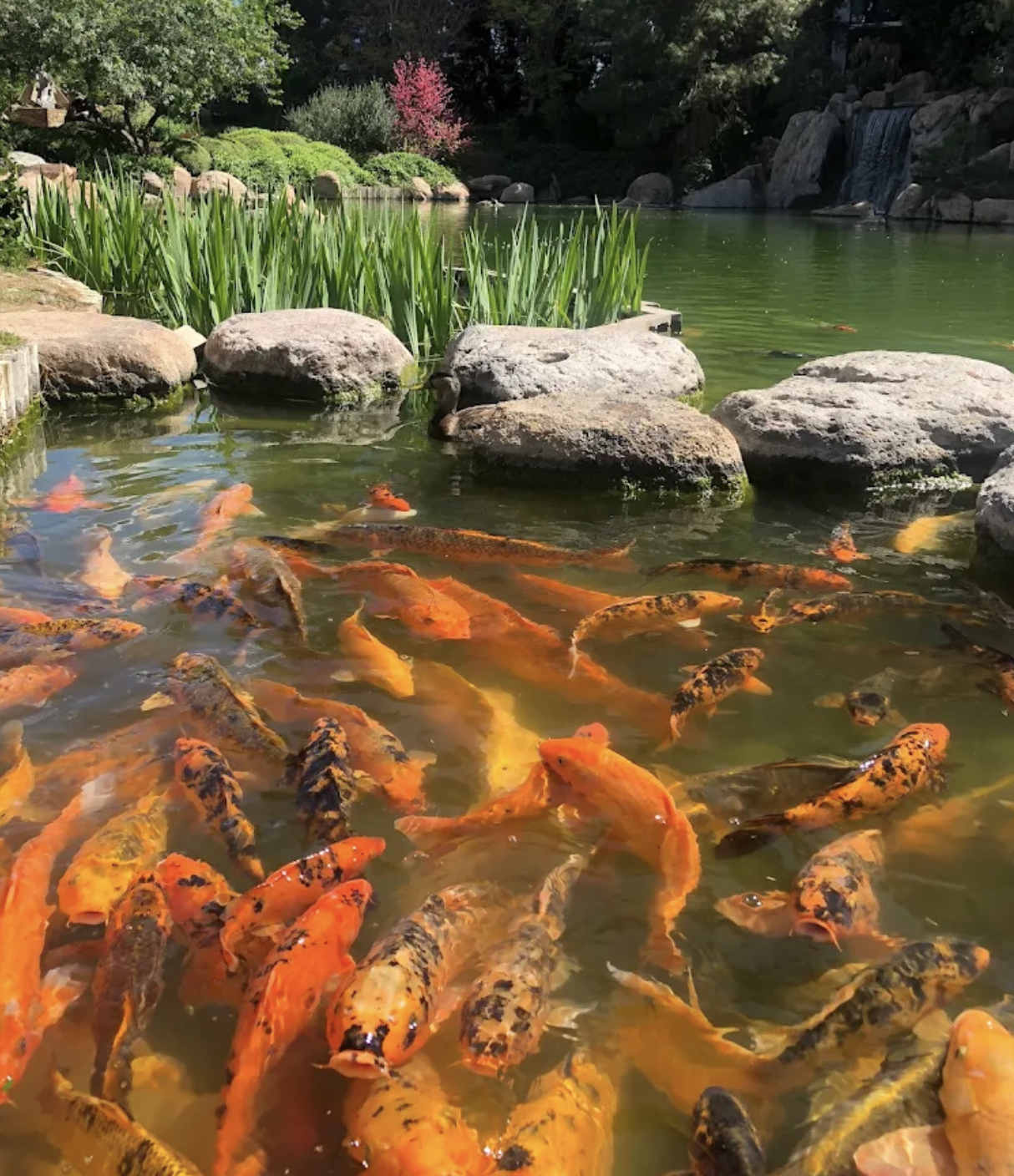
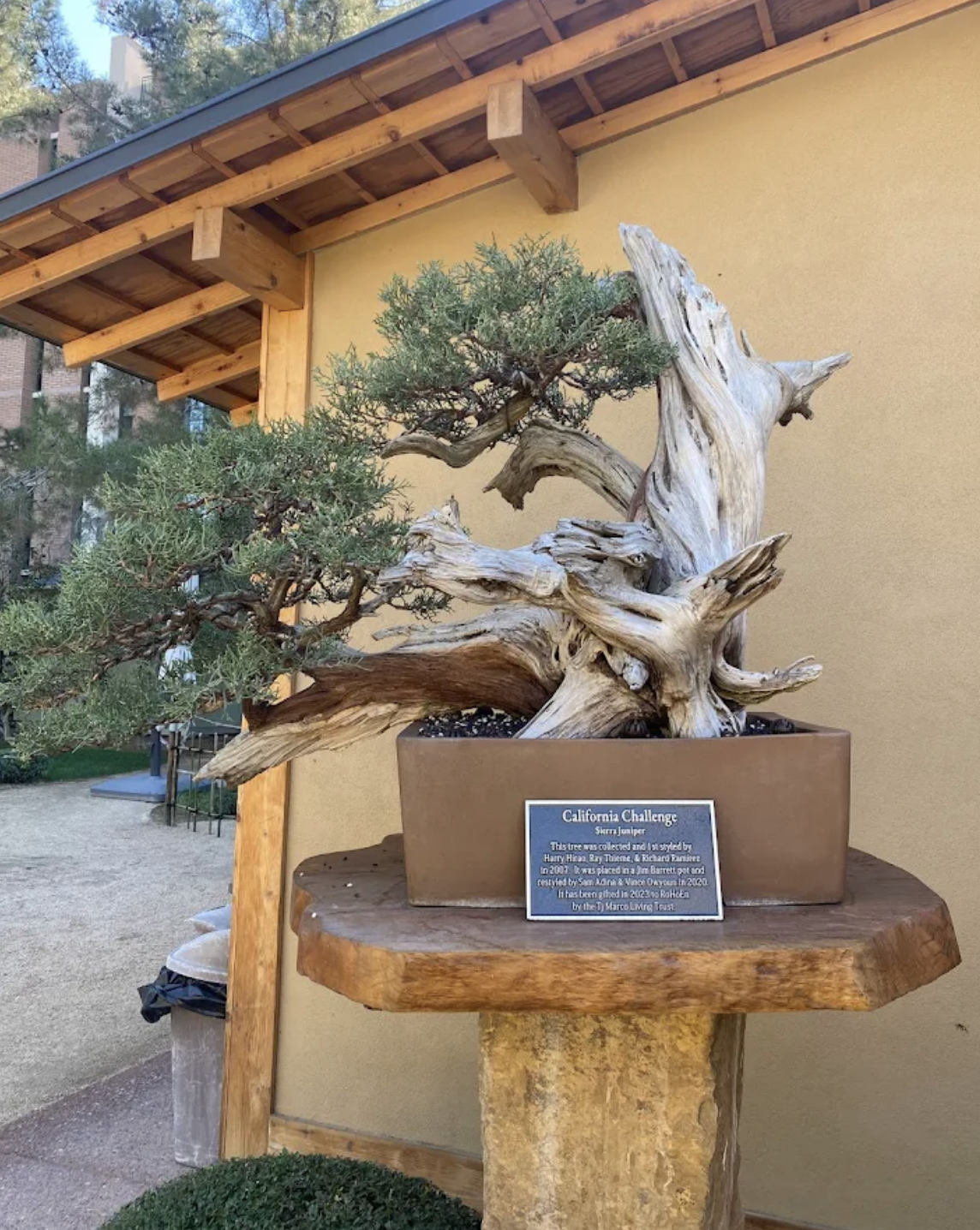
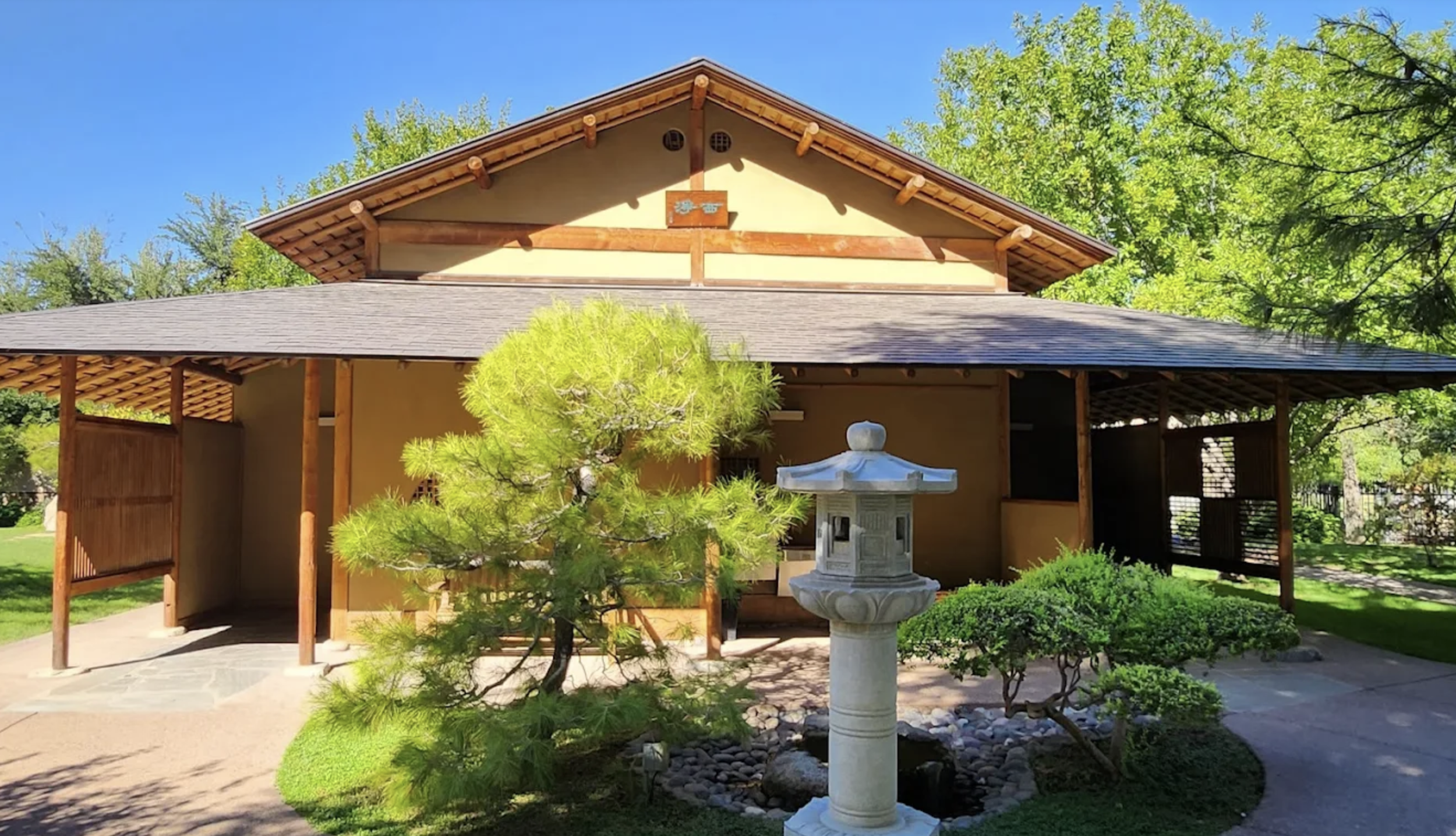
The star of the show is definitely the koi pond. There are hundreds of colorful koi gliding around, vibrant oranges, whites, blacks, and golds. I could have sat on one of the benches watching them for ages; they’re incredibly calming. Right nearby is a stunning 14-foot waterfall (some sources say 12-foot, but it felt impressively tall) that cascades down rocks into the pond, creating a soothing white-noise backdrop. The sound alone makes the whole place feel like a zen retreat.
There’s also a traditional tea house (Musoan) and a tea garden area. I didn’t catch a full chanoyu (tea ceremony) this time. They’re offered monthly by reservation through groups like Tanko Kai, often with hosts in kimono. Even just seeing the structure added to the authenticity. If you’re into that, check their events calendar for upcoming sessions; they’re special and immersive.
The garden feels surprisingly lush for Phoenix, with lots of greenery, bridges, and water features that make you forget you’re in the desert. It’s spotless, peaceful, and surprisingly quiet even on a weekend. I spent about an hour and a half there, walking slowly, taking photos (personal snapshots are fine, but note that professional photoshoots or anything staged requires special permission), and just breathing it in. You could easily linger longer with a book or friends.
Practical tips for your visit:
Hours
Open Tuesday to Sunday, currently 9 AM to 6 PM (last admission 30 minutes before closing). Hours shift seasonally, so double-check the official site.
Admission
Adults $14, seniors (62+) $12, students, military, and youth (7–17) $11, kids under 7 free. Buy tickets online in advance to secure your spot, especially on busy days. All sales are final.
Best time
Early morning or late afternoon for softer light and fewer people. Cooler months (fall through spring) are ideal since it’s outdoors in the desert sun.
What to bring or wear
Comfortable shoes (paths are easy but gravelly in spots), water, sunscreen, and maybe a hat. No big bags or tripods for casual visits.
Accessibility
Mostly flat and stroll-friendly, but some paths have steps or uneven surfaces.
Extras
They host workshops, ikebana exhibits, events, and docent-led tours (free with admission on certain days and highly recommended for deeper insights into the symbolism).
Pro tip
Memberships are affordable if you live nearby or plan multiple visits. They’re a great value and support the nonprofit.
Overall, it’s a beautiful escape that promotes peace, cultural exchange, and appreciation for nature’s details. In a fast-paced city, this place reminds you to slow down. If you’re in Phoenix or visiting, carve out time for it. You won’t regret it.

After that zen reset at the Japanese Friendship Garden, I figured it was time to switch gears and chase some color and energy in downtown Phoenix. So I headed over to the Roosevelt Arts District (aka Roosevelt Row or RoRo), the city’s beating heart of street art, murals, galleries, and that gritty creative vibe. It’s basically the epicenter for urban art in Phoenix, think vibrant walls, hidden alleys, and pieces that tell stories about the community, culture, and even social issues.
I parked near the Central & Roosevelt light rail stop (super easy access if you’re not driving) and started wandering around Roosevelt Street and 2nd Avenue. The area feels alive even on a regular day, with cafes, boutiques, and galleries tucked in between old brick buildings. But the real draw is the art everywhere: on building sides, in parking lots, down alleys, and popping up unexpectedly.
My absolute favorite spot was the 1½ Street Mural Project (often called Mural Alley). It’s this narrow, almost hidden alley right behind The Churchill building (901 N 1st St). You duck around back, and suddenly it’s wall after wall of massive, stunning murals. There’s a leopard by Volar that’s super fierce and detailed, colorful pieces by Tato Caraveo (who also did the big “Welcome to Roosevelt Row” sign), work by Isaac Caruso, Jane Goat’s whimsical pieces, and so much more. It feels like an open-air gallery where the art changes over time with new additions. I spent a good 30-40 minutes just walking back and forth, snapping photos, and admiring how the light hits the colors.
From there, I zigzagged around:
East on Roosevelt Street for Kayla Newnam’s playful peacock mural (“Not Another Bird Mural in Phoenix,” ironic and fun). North on 2nd Street to catch Clyde Graffiti’s towering La Musa on the side of Hance Park Condos. It’s huge and mythical-looking. The iconic Welcome to Roosevelt Row mural by Tato Caraveo at the southeast corner of Roosevelt & 7th Street, bright, welcoming, and a perfect photo op to mark the district.
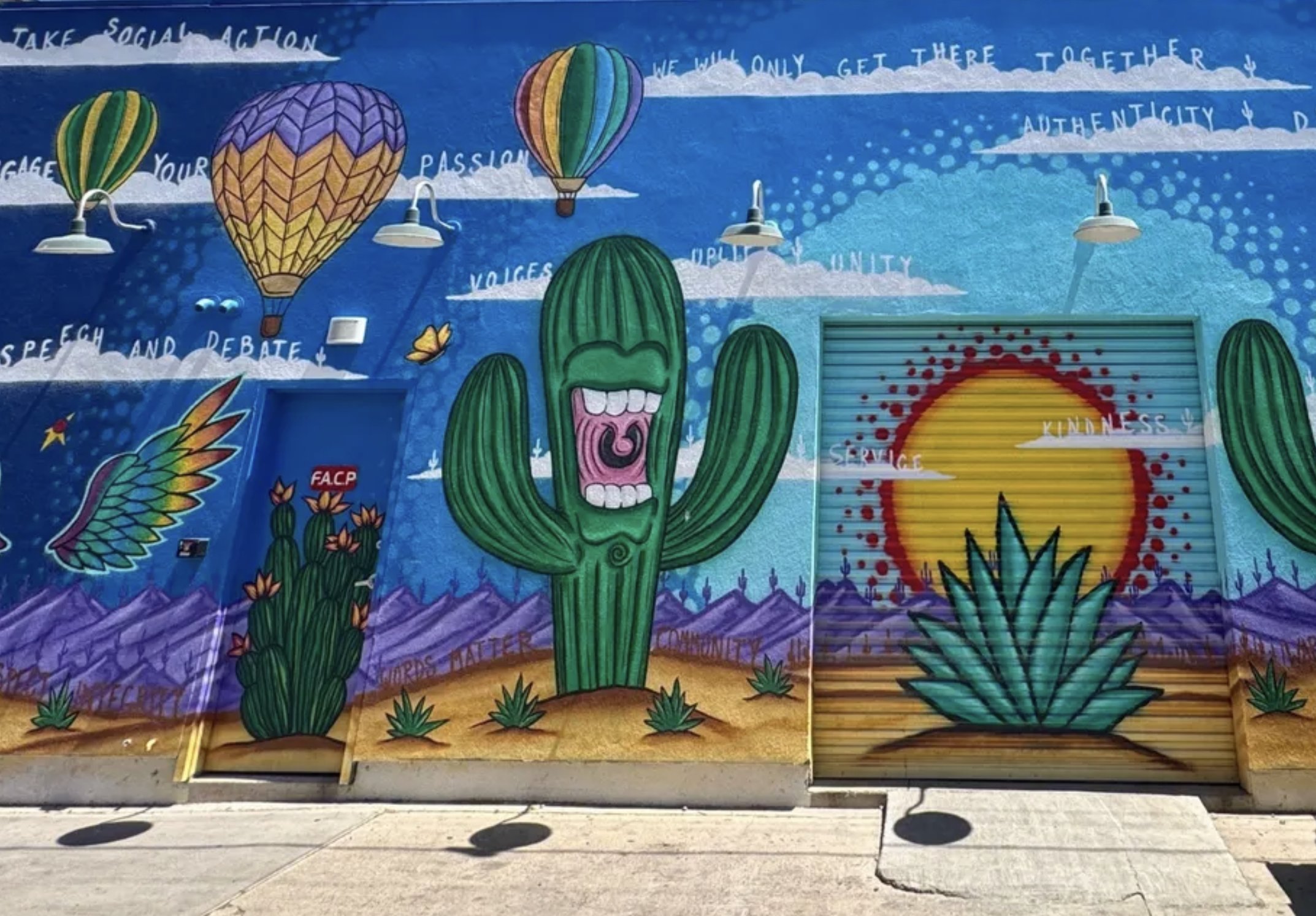

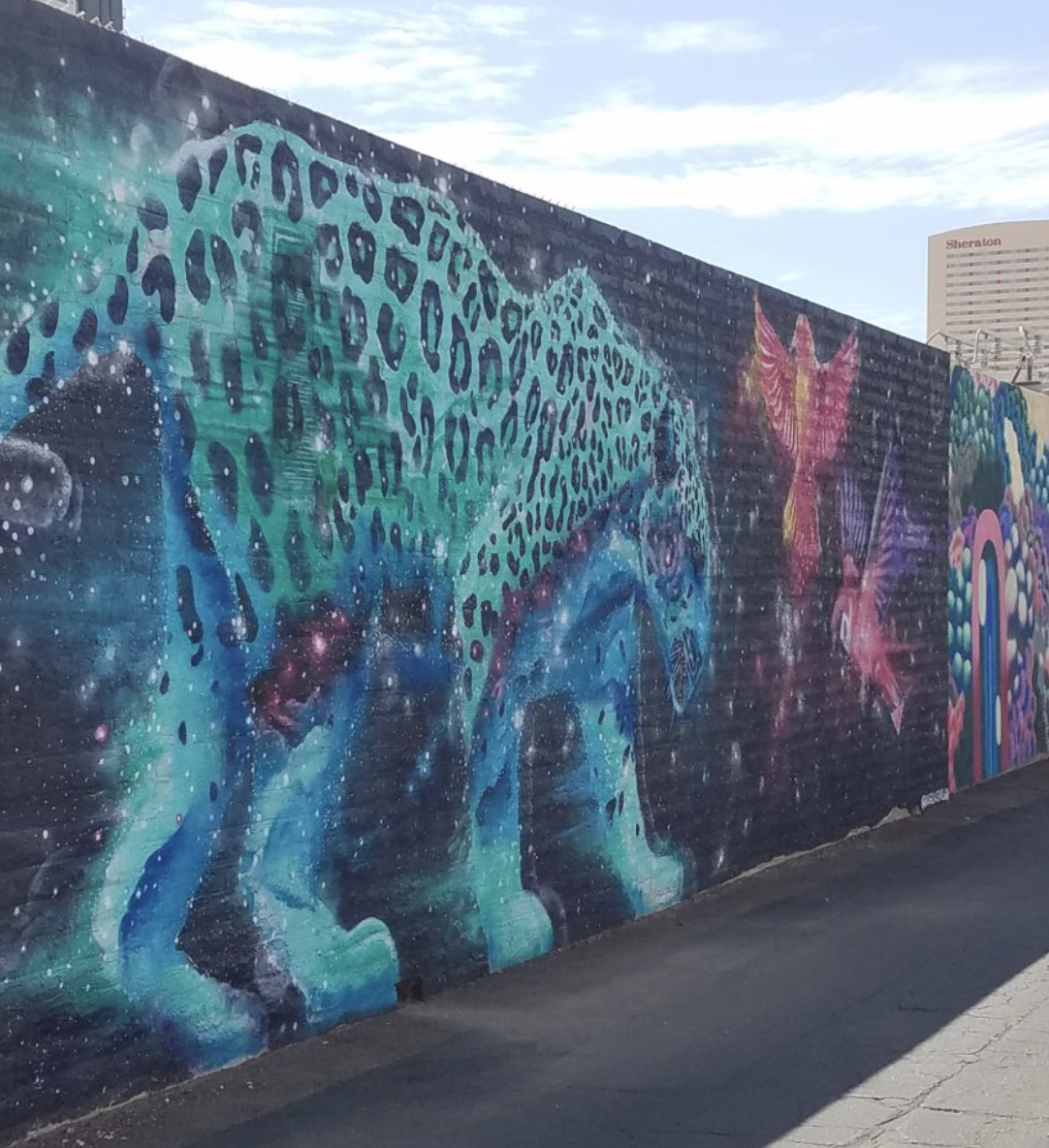
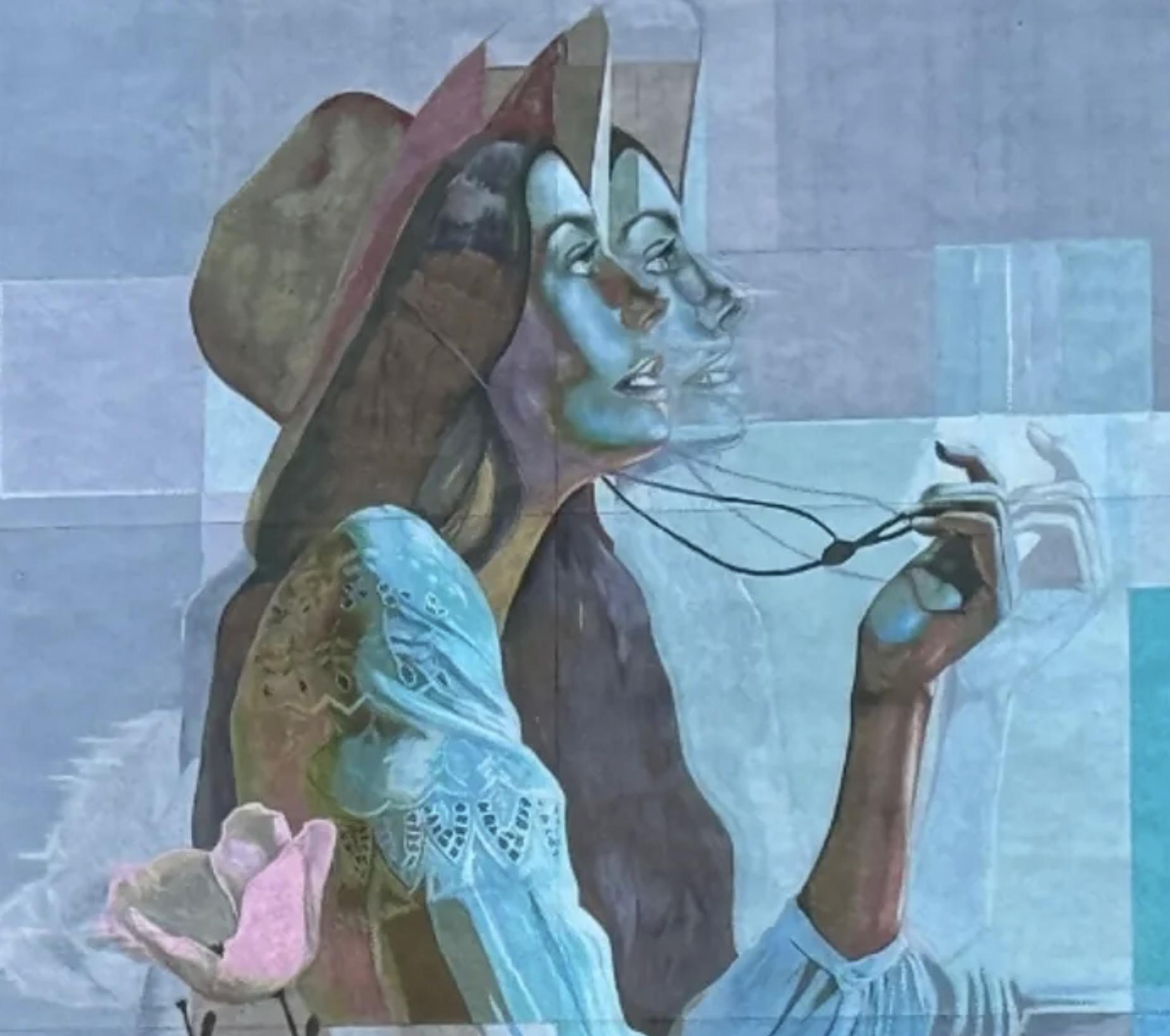
Scattered gems like political or cultural pieces in parking lots and side streets, plus some graffiti tags that add that raw street edge.
The whole area is super walkable, flat and compact, maybe a 1-2 mile loop if you cover the highlights. Wear comfy shoes because you’ll be stopping every few steps to look up or around corners. I went mid-morning on a weekday, so it was quiet and easy to get clear shots without crowds. Pro tip: First Friday Art Walks are legendary here. Galleries open late, there’s live music, food trucks, and buzzing streets, but they get packed. If you want a chill explore, go another time.
Practical tips for your visit:
Best starting point: Roosevelt & Central area, or use the light rail to the Central/Roosevelt stop.
Must-see: 1½ Street alley behind The Churchill, the Welcome mural at 7th, and wandering Roosevelt Street east and west.
Map help: Check out phoenixmurals.com for a comprehensive Google Maps overlay of Phoenix murals (including RoRo). It’s gold for not missing hidden ones.
Time needed: 1-2 hours for a casual stroll, longer if you want to hunt every piece or grab coffee and browse galleries.
Extras: Pair it with food (tons of spots like Matt’s Big Breakfast nearby or cafes in the district) or time it with events. Respect the art, no touching or tagging, and ask if you’re photographing people in your shots.
Safety: It’s generally safe and welcoming, but like any urban area, stay aware and go during daylight for the best experience.
Roosevelt Row is the perfect contrast to the peaceful garden, raw, bold, community-driven energy that makes you feel Phoenix’s creative pulse. If you’re into street art at all, don’t skip it. It’s not just walls, it’s the neighborhood’s personality splashed large.
Make it stand out
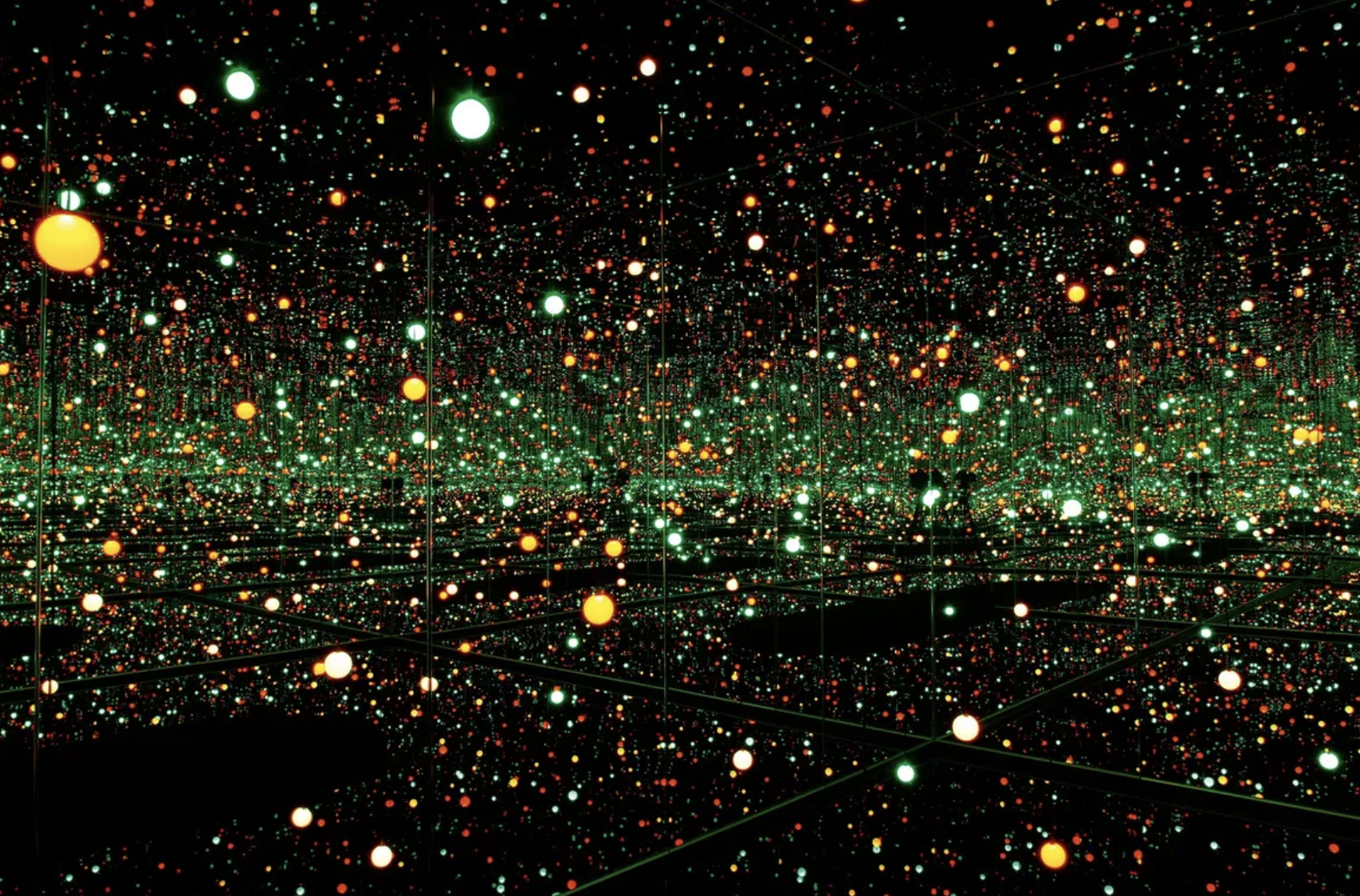
A few days after soaking in the street art vibes of Roosevelt Row, I craved something completely otherworldly, so I made my way to the Phoenix Art Museum to experience Yayoi Kusama's iconic infinity mirror room, officially titled You Who Are Getting Obliterated in the Dancing Swarm of Fireflies (but everyone just calls it the Fireflies Infinity Mirror Room). This one's a permanent installation (since 2005, with a big restoration and relocation in 2023), and it's the only Kusama infinity room in the American Southwest, total bucket-list stuff right here in Phoenix.
The museum is at 1625 N Central Ave, super central and easy to reach. Parking's available, or hop off the light rail at McDowell/Central. I went on a weekday afternoon when it was quieter, perfect timing because the room has timed entry now to manage crowds and keep the magic intact. You step into a small, dark chamber (about 25 feet square) with mirrors covering every wall, floor (polished black granite that reflects like water), and even the ceiling. Hundreds of LED lights (around 250 strands) dangle from above, twinkling and shifting colors slowly, soft blues, purples, whites, and golds, like a swarm of glowing fireflies dancing in endless space.
The effect is mind-bending. You lose all sense of boundaries. The reflections go on forever in every direction, making the room feel infinite. It's like floating in a cosmic field of stars or being swallowed by an ethereal galaxy. Kusama created this to reflect her lifelong hallucinations, repetitive dots and lights that "obliterate" the self, letting you dissolve into eternity. Standing there alone (or with just a few others at a time), time stops. My 30–45 second slot flew by, but I felt completely transported, peaceful, overwhelmed, and a little disoriented in the best way. No photos allowed inside (to preserve the experience for everyone), but trust me, no picture does it justice anyway.
The room ties beautifully into the museum's refreshed Art of Asia galleries nearby, lots of thoughtful context about Kusama's polka dots, infinity themes, and her personal story. I wandered the surrounding exhibits afterward, which added depth to the whole visit.
Practical tips for your visit:
• It's permanent
No need to rush for a limited run, it's on view indefinitely in the First Floor North Wing.
• Admission
Included with general museum entry (adults around $23, but check for discounts, seniors, students, military, etc.). No extra fee or advance timed tickets required for this one (as of now), but the museum sometimes manages flow with short waits.
• Best time
Weekdays or early or late in the day for shorter lines. Avoid peak weekends if you want solitude.
• Duration
Plan 1–2 hours total for the museum. The room itself is quick (strictly timed per group), but you'll want to linger in the vibe afterward.
• What to know
No touching anything, stay on the path, and be mindful of others. It's intimate. If you have mobility needs, it's accessible now post-relocation.
• Pro tip
Pair it with other museum highlights (fashion, photography, or Asian art) for a full day of inspiration. And if you're into Kusama, this one's more whimsical and firefly-like than some of her pumpkin or polka-dot-heavy rooms elsewhere.
Coming from the garden's calm and Roosevelt's bold energy, this was the perfect trippy contrast, pure immersion that resets your brain in the most beautiful way. Phoenix keeps surprising me with these world-class gems.
Star-gazing and Cosmos-contemplation Spot at Estrella Star Tower
A few days after getting lost in Kusama's infinite fireflies at the Phoenix Art Museum, I was still buzzing with that cosmic energy, so I drove out west to Estrella Mountain Ranch in Goodyear for the Estrella Star Tower. This spot is all about stargazing and quiet cosmos contemplation, and it's become one of my favorite underrated escapes in the greater Phoenix area. It's not a full observatory with telescopes. There is no gear or guided sessions, but it's designed precisely for reflecting on the night sky and our tiny place in the universe.
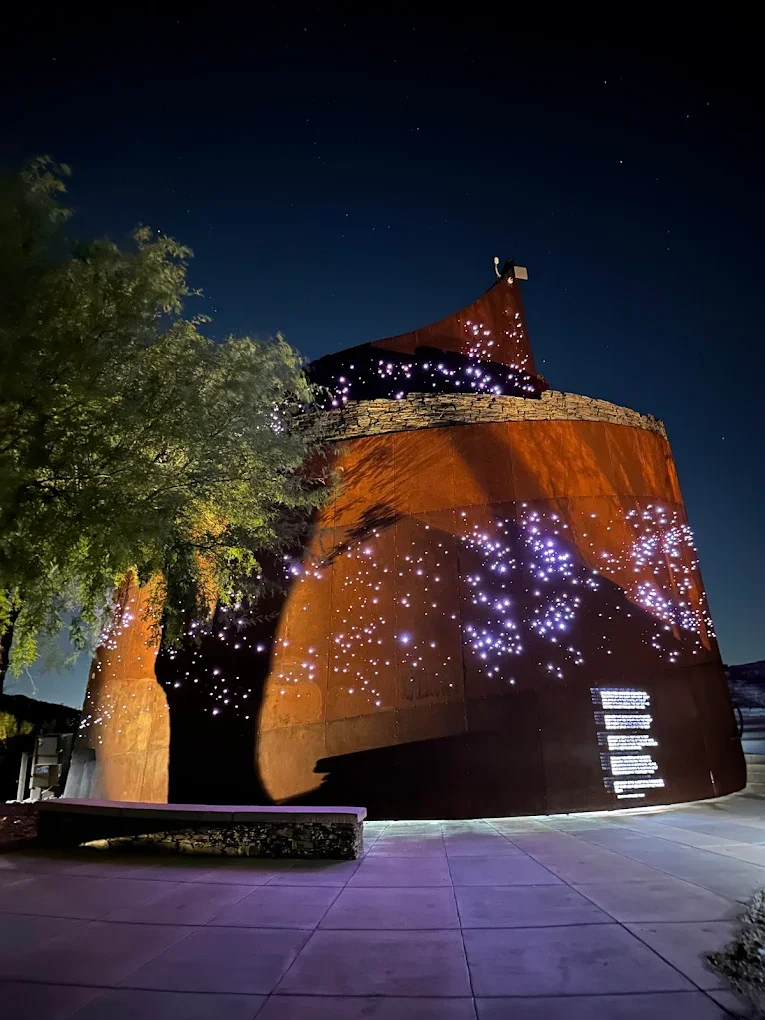
The tower itself is this striking 50 foot tall spiral structure. Think a modern, ascending staircase that mimics the shape of the Milky Way galaxy with its swirling arms. Designed by local astronomer Steven Kates, it's meant as a tribute to ancient stargazing cultures, including Native American traditions that have looked to the heavens here for millennia. You climb the open spiral staircase, pretty easy and not too steep, with handrails, up to a small platform at the top. From there, the panoramic views are incredible, sweeping across the Estrella Mountains, the surrounding desert foothills, and the dark expanse above.
I timed my visit for late afternoon into evening, arrived around sunset to catch the golden light painting the mountains, then stayed as dusk settled. As the sun drops, tiny embedded lights on the tower's exterior start glowing, turning the whole spiral into a twinkling constellation of stars. It's magical. The tower literally lights up like a beacon in the desert night. Once full dark hits, Arizona skies clear up fast, the elevated vantage point gives you a clearer, less obstructed view of the stars than ground level. There are fewer lights from the community below, and you're just high enough to feel immersed. I spotted the Milky Way stretching overhead on a clear night, plus bright planets and constellations popping out vividly. It's peaceful. No crowds, just the quiet desert sounds and that profound sense of vastness that makes you ponder existence.
The surrounding area is lovely too. Native cacti, trees, a small water feature with streams, and trails branching off, part of Estrella's 65 plus miles of paths. It's set at the entrance to the Estrella Mountain Ranch master planned community, so it feels welcoming and integrated. Just note it's more of a public style landmark within a residential area, so respect the surroundings.
Practical tips for your visit:
Location
Around 8175 S Hillside Dr or along S Estrella Pkwy in Goodyear, west of Phoenix, about 30 to 45 minutes drive from downtown depending on traffic. Easy to find via GPS. It's a landmark at the community entry.
Access and Hours
Generally open daily from early morning, around 6 AM, to evening, around 8 to 8:15 PM, though some sources vary and summer hours might adjust. It's outdoors and free. No tickets needed. Sunset and after dark are prime for stargazing, but check current hours on the Estrella community site or call ahead, as lighting and access can shift seasonally.
Best time
Clear nights with low moon phases for maximum stars. Fall, winter, and spring are ideal due to cooler temperatures and drier air. Avoid super windy nights, the spiral is exposed.
What to bring
A blanket or chair for sitting at the base or top if you want to linger. Binoculars or a star app like SkyView on your phone. Water, desert rules apply. Bug spray and a jacket once the sun sets, temperatures drop fast. Comfortable shoes for the climb and any short trails.
Pro tip
Go on a new moon night for darker skies. If you're into deeper stargazing, pair it with a drive to nearby Estrella Mountain Regional Park for even less light pollution. Photography is great here. Daytime for the views, nighttime for the illuminated tower against the stars.
Note
It's community accessible but not 24/7. Some older mentions of restrictions exist, but recent reviews show it's open and popular for photos, walks, and sunset or star views.
After the urban art and infinity rooms, this felt like the perfect grounding, or un grounding, close to my Phoenix adventures. Raw desert night sky, a thoughtful monument, and that quiet awe of the cosmos. If you're in the area and want something contemplative under the stars without driving hours into the wilderness, this is it.